Yoga and Meditation Tech Accessories: A Smart Practice Guide
Discover smart yoga mats, EEG headbands, and biofeedback systems designed to enhance mental focus and bodily awareness.
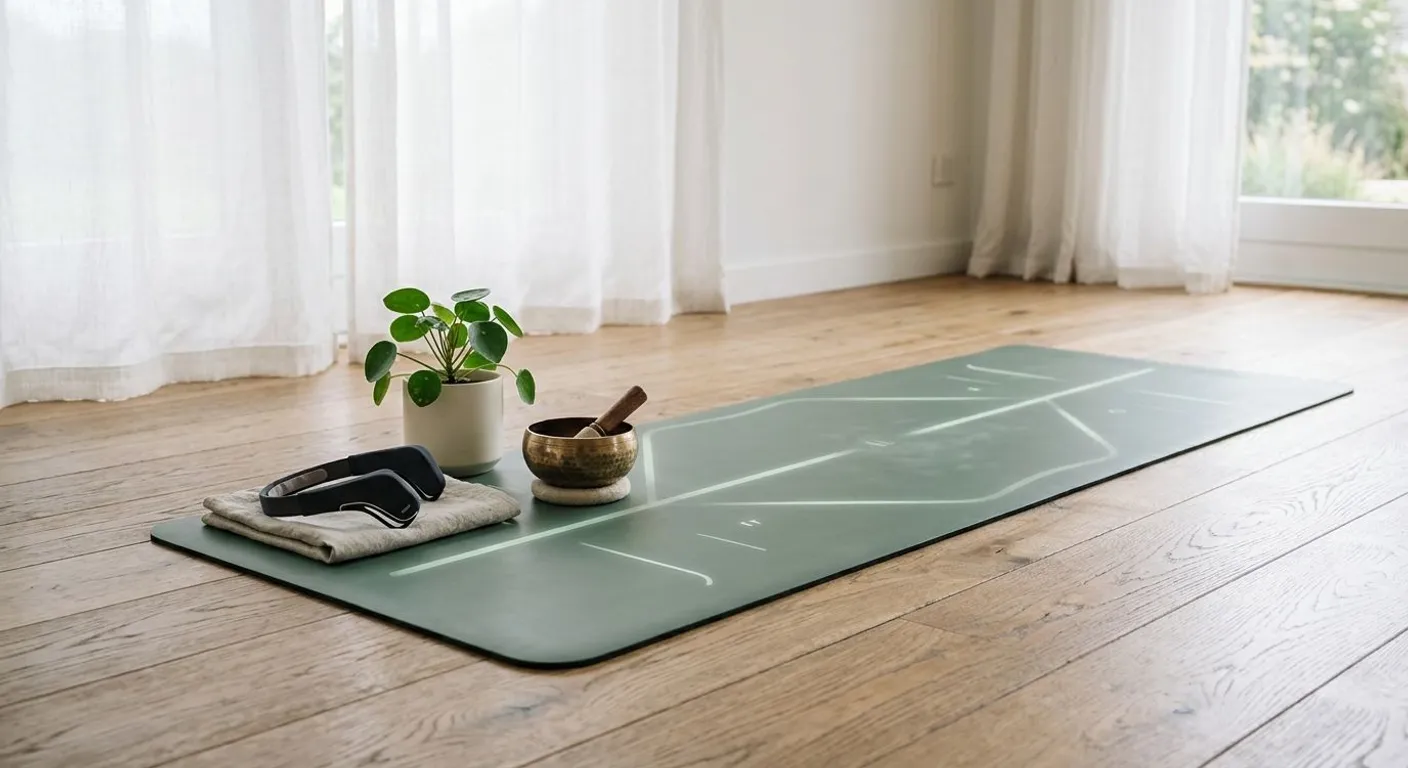
Traditionally used to quiet the mind and connect with the body, yoga and meditation practices are entering a whole new dimension today through wearable technology and artificial intelligence integration. From your posture on the mat to your breathing rhythm, and from your brainwaves to your stress levels, many biometric data points can now be measured in milliseconds. For practitioners who do not want to leave mental stillness and physical alignment to chance, technological accessories act as a personal coach and a biofeedback mirror.
In this guide, we examine in detail the most innovative devices that will deepen your meditation and yoga practice, how they work, and methods to get maximum efficiency from these technologies.
Smart Yoga Mats: Posture and Alignment Technology
The most common challenge encountered in yoga poses (asanas) is maintaining correct anatomy and alignment on your own. Incorrect weight distribution increases the risk of injury while preventing the movement from engaging the targeted muscle group. This is where smart yoga mats come into play.
Thanks to thousands of micro pressure sensors integrated into their surface, these mats instantly detect how much weight your body applies to which point on the mat. Synchronized with mobile apps, the system helps you correct your posture through audio or visual cues.
- Pressure Mapping: Shows in real-time whether too much weight is being placed on the left or right foot.
- Alignment Tracking: Checks whether hands and feet are along the correct axis.
- Progress Analysis: Presents your balance and flexibility progress over time with detailed graphs.
Meditating with Brainwave Monitoring (EEG) Headbands
During meditation, noticing that your mind has wandered can sometimes take minutes. EEG (Electroencephalography) headbands detect the current state of the mind by reading electrical activity in the brain.
When the mind transitions into a state of deep relaxation, the brain begins to emit Alpha and Theta waves. When EEG devices detect these waves, they provide feedback via headphones using nature sounds. For instance, while your mind is calm, you hear gentle storm or ocean wave sounds; as your mind starts to wander, the sound of wind intensifies. This instant neurofeedback rapidly develops the ability to bring the mind back into focus.
Similarly, smart devices that balance brainwaves during sleep and their science — developed to enhance mental focus and sleep quality — contribute to meditation practice through neuroscientific principles.
Respiratory and HRV Tracking Devices: The Power of Biofeedback
Breathing is the most powerful tool through which we can directly control our autonomic nervous system. Breathing exercises, known as Pranayama in yoga philosophy, are now being integrated with modern biometric tracking technologies.
HRV (Heart Rate Variability) sensors and smart breathing coaches are worn on the body as chest straps or clips to measure the harmony between breathing tempo and heartbeats. When the mind becomes stressed, HRV drops; when the autonomic nervous system is stimulated through deep, rhythmic breathing, HRV rises. To regulate your breathing rhythm and strengthen mental calm, you can benefit from the physiological principles behind the scientific foundations of breath-holding.
- Real-Time HRV Analysis: Enables immediate reduction of stress levels.
- Vibrational Breathing Guidance: Directs inhalation and exhalation through rhythmic vibrations without needing to look at a screen.
- Autonomic Balance: Shows the balance between the sympathetic (fight or flight) and parasympathetic (rest and digest) nervous systems.
Vibrational and Biometric Heating Massage Accessories
After deep stretches and intense practices, muscle relaxation is critical for flexibility to become lasting. Smart wraps or massage pillows equipped with heat and focal vibration technology send micro-stimulations to targeted muscle groups after a yoga session.
Utilizing post-workout recovery devices to relieve post-practice muscle fatigue and accelerate tissue regeneration is highly effective in minimizing mild muscle soreness and stiffness following yoga.
Comparison of Traditional Practice and Tech-Assisted Practice
The table below compares traditional yoga and meditation methods with the advantages offered by technology-assisted practices:
| Parameter | Traditional Yoga & Meditation | Technology-Assisted Practice |
|---|---|---|
| Feedback | Self-observation or instructor observation | Instant biometric data and sensor alerts |
| Alignment Control | Mirrors and intuitive feel | Pressure mapping and angle sensors |
| Mental State Analysis | Subjective feelings and awareness | EEG brainwave measurement |
| Stress Measurement | Sensation of heart rate | HRV and somatic data tracking |
| Learning Curve | Requires long-term guidance | Faster habit acquisition through biofeedback |
Key Considerations When Choosing the Right Accessory
When incorporating tech accessories into your practice, it is important to act with purpose. Instead of creating unnecessary data clutter, focus on the area you need:
- Define Your Goal: Is your goal posture alignment, stress management, or mental focus?
- Ease of Use: Choose devices with minimal design that will not distract you during practice.
- Data Privacy: Review the privacy policies of applications processing your biometric data.
- Battery Life and Connectivity: Choose accessories with long battery life that do not experience Bluetooth drops.
References
Frequently Asked Questions
Are technological accessories contrary to the true nature of yoga and meditation?
No. Technological devices are tools used to facilitate mental focus and support body awareness with concrete data.
Does an EEG headband fully teach you how to meditate?
An EEG headband is a mirror, not an instructor. It alerts you with nature sounds whenever your mind wanders, helping you regain focus much faster.
Can a smart yoga mat be washed with water?
Most smart mats feature a waterproof sensor coating, but it is recommended to clean them with a damp cloth rather than submerging them directly in water.
This content was researched and prepared by the İlgi Alanları editorial team and reviewed for accuracy and readability before publication. Information on health, finance and investment topics is general in nature and does not replace professional advice.