Smart Devices That Balance Brain Waves During Sleep and the Science Behind Them
Step into the world of neurotechnology that puts an end to tossing and turning at night. We examine the working principles of smart devices that synchronize your brain waves during sleep.
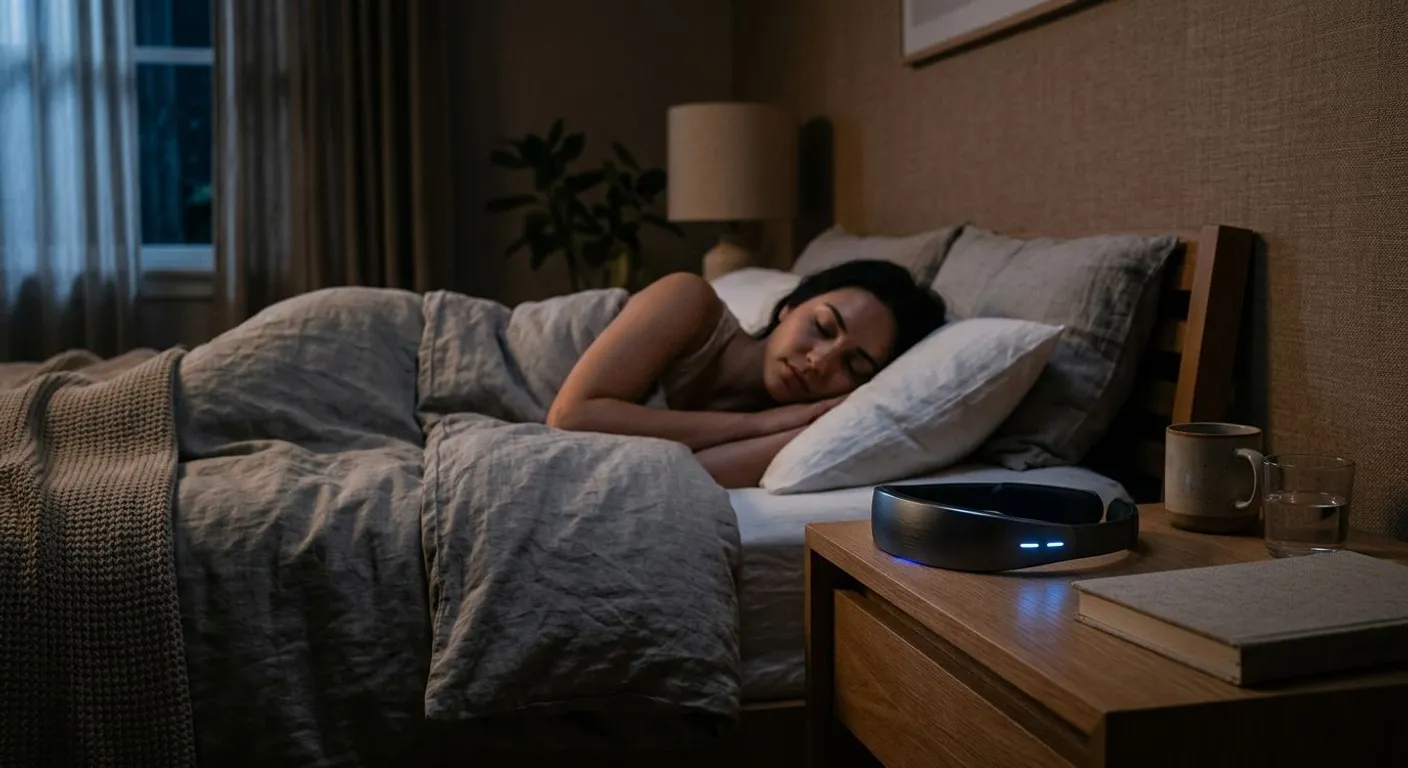
Are the days of tossing and turning in bed, waking up multiple times throughout the night, and feeling exhausted in the morning finally over? Modern sleep science reveals that the secret to mental rest and cellular regeneration lies not just in how many hours we sleep, but in which brainwave stages that sleep takes place. Rapid advances in neurotechnology have recently introduced wearable devices that go beyond passively tracking sleep quality to actively intervening in it. In this guide, we take a detailed look at how devices that balance brain waves during sleep work, what scientific research says, and the opportunities these technologies offer.
Brain Waves and Sleep Architecture
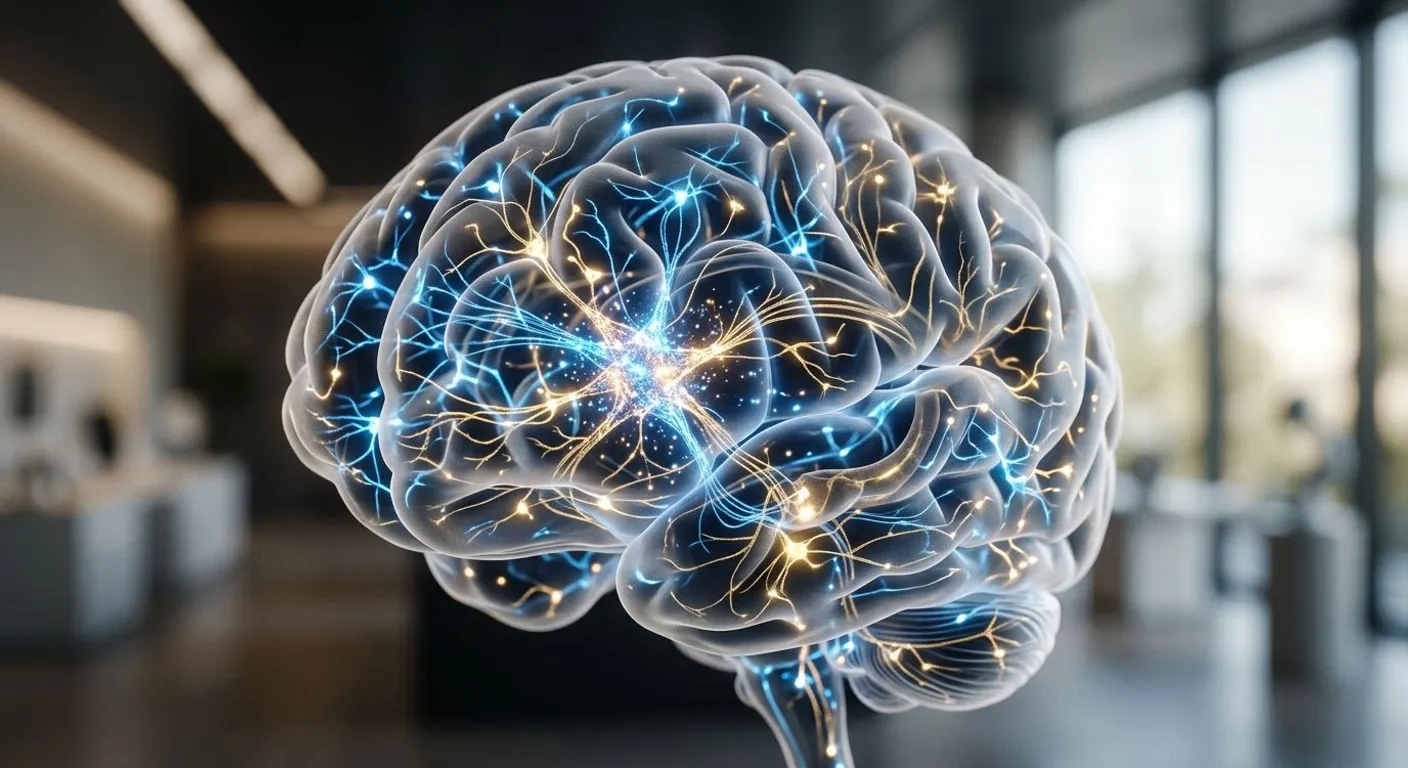
The human brain produces continuous electrical rhythms throughout the day and during sleep. These rhythms are called brain waves, generated by the synchronized firing of neurons. A healthy sleep architecture relies on rhythmic transitions between different brainwave frequencies:
- Beta (12-30 Hz): Dominant during wakefulness, intense focus, and moments of stress.
- Alpha (8-12 Hz): Emerges when eyes are closed, during relaxation, and in the transition phase just before sleep.
- Theta (4-8 Hz): Observed during light sleep (N1 and N2 stages) and deep meditation.
- Delta (0.5-4 Hz): Dominant during deep sleep (N3 stage or slow-wave sleep). Physical healing, growth hormone secretion, and mental toxin clearance occur in this stage.
When we experience insomnia, stress, or chronic health issues, the brain fails to produce enough of the slow Delta waves required to transition into deep sleep. This is precisely where brainwave-balancing devices come into play.
How Sleep-Balancing Devices Work
While traditional smartwatches and biometric tracking systems only measure your sleep, new-generation brainwave modulation devices actively intervene. These devices primarily employ three core neuro-technological methods:
1. Closed-Loop Acoustic Stimulation
This is one of the most common and reliable methods. EEG (electroencephalography) sensors placed on the forehead detect precisely when the user enters deep sleep (N3 stage) with millisecond accuracy. The device then delivers soft pink noise or acoustic pulses—audible or inaudible—that are perfectly synchronized with the brain's natural Delta waves. These sound pulses reinforce slow oscillations in the brain, enhancing both the quality and duration of deep sleep.
2. Transcranial Electrical Stimulation (tDCS and tACS)
Using very low levels of direct or alternating current, these devices transmit mild electrical signals to the cerebral cortex. Inspired by advancements in brain-computer interfaces, tACS (Transcranial Alternating Current Stimulation) encourages the brain's natural frequency to synchronize with the Delta or Theta range (neural entrainment).
3. Pulsed Electromagnetic Field Therapy (PEMF)
By emitting gentle electromagnetic waves, PEMF aims to regulate intracellular ion balance and soothe brainwave rhythms. It is typically applied via pads placed under pillows or through headbands.
Comparison of Technologies
The table below summarizes the key features and mechanisms of action of the primary brainwave-balancing technologies available today:
| Technology Type | Stimulation Method | Primary Goal | Ease of Use | Level of Scientific Evidence |
|---|---|---|---|---|
| Closed-Loop Acoustic | Sound Pulses (Pink Noise) | Enhancing Deep Sleep | High (Headband) | Strong |
| tACS / tDCS | Micro Electric Current | Accelerating Sleep Onset | Medium (Electrode Band) | Emerging / Moderate |
| PEMF Therapy | Electromagnetic Field | Body and Mind Relaxation | Very High (Pillow/Mat) | Moderate |
| Binaural Beats | Audio Frequency Difference | Neural Entrainment | High (Headphones) | Limited / Individual |
Health Impacts of Balancing Brain Waves
Supporting slow-wave sleep through artificial or natural means yields directly measurable positive effects on both body and mind:
- Memory and Learning Capacity: During deep sleep, the brain transfers information acquired during the day from short-term memory to long-term memory. Scientific studies have proven that individuals whose deep sleep is supported by neurostimulation perform significantly better on morning memory tests.
- Glymphatic Clearance: In deep sleep, cerebrospinal fluid washes away harmful protein plaques that accumulate between neurons. Enhancing the quality of deep sleep is of vital importance for long-term neurodegenerative health.
- Stress and Autonomic Nervous System Balance: Individuals working under high stress during the day experience an overactive sympathetic nervous system. Nighttime neural balancing activates the parasympathetic system, positively influencing heart rate variability (HRV), which can also be detected by technologies that measure stress.
Safety and Considerations
While neuro-modulation devices are exciting, consumers should keep certain cautions in mind. The efficacy of non-medical consumer-grade electronics can vary from person to person. Additionally:
- Individuals with epilepsy or neurological disorders should not use electrical stimulation devices without medical supervision.
- Headband ergonomics and ensuring the device does not cause discomfort during sleep are critical to prevent sleep fragmentation.
- Sleep is fundamentally a biological process; rather than relying solely on devices, essential factors such as light hygiene, proper nutrition, and a dark bedroom environment must not be overlooked.
What Does the Future Hold?
Future sleep technologies will create personalized sleep protocols using AI-driven algorithms. By processing real-time EEG data from wearable devices, AI will be able to make micro-adjustments to frequencies based on your mental fatigue or stress levels on any given night. As a result, optimizing sleep quality will become entirely scientific and data-driven, much like a personalized training program.
References
Frequently Asked Questions
Are brainwave-balancing sleep devices harmful?
Sound-based or micro-current devices available for consumer use are generally safe. However, individuals with epilepsy, pacemakers, or severe neurological disorders should not use electrical stimulation devices without medical approval.
How much can they increase deep sleep duration?
According to clinical research, closed-loop acoustic stimulation applied at the correct frequency can increase slow-wave power by 15% to 30%.
Are binaural beats headphones the same as these devices?
No. Binaural beats provide passive sound frequencies, whereas smart EEG headbands monitor your brain's real-time wavelength and deliver precisely synchronized acoustic or electrical stimulation.
This content was researched and prepared by the İlgi Alanları editorial team and reviewed for accuracy and readability before publication. Information on health, finance and investment topics is general in nature and does not replace professional advice.