Building Fitness with Walking: Pace and Duration Guide
You don't always need grueling runs to build endurance. With the right pace, planned duration, and accurate heart rate tracking, walking can turn into a highly effective cardio workout.

Photo: Alari Tammsalu / Pexels
When it comes to building fitness and boosting cardiovascular capacity, high-intensity running or heavy workout routines are often the first things that come to mind. However, one of the most efficient ways to train your heart and lungs while keeping joint impact to a minimum is brisk walking. The fundamental difference between a casual walk and an endurance-building workout lies in pace, duration, and proper planning.
If your goal when walking isn't just to relieve stress, but also to stop getting out of breath when climbing stairs and to elevate your overall physical performance, you need to align your steps with scientific parameters.
The Fitness Impact of Walking: Stimulating Your Heart and Lungs
While a relaxed walk in the park provides mental relaxation, it won't visibly increase your aerobic capacity. For endurance to improve, your circulatory system must be subjected to a certain level of stress. Cardiovascular adaptation occurs when the heart muscle starts pumping more blood to deliver oxygen to your organs.
During brisk walking, the body primarily utilizes fat stores and oxygen for energy production. This allows you to stay within your aerobic threshold, preventing the accumulation of lactic acid. As a result, you can perform a long, high-quality workout without suffering from muscle soreness.
How to Determine Your Ideal Walking Pace
The most critical variable in fitness-building walking is your pace. To set your pace correctly, you can utilize the following three fundamental methods:
1. Heart Rate Zone (Zone 2 Training)
The ideal range for building an endurance base is the zone between 60% and 70% of your Maximum Heart Rate (MHR). You can practically calculate your maximum heart rate using the formula 220 - Your Age. For instance, the estimated MHR for a 30-year-old individual is 190 bpm. Their target heart rate range for improving fitness would be approximately 114–133 beats per minute.
2. The Talk Test
If you don't have a heart rate monitor with you, you can verify your pace using the talk test. If you can speak in full sentences while walking but cannot sing, you are at the right pace. If you are too breathless to speak at all, your pace is too high; if you can sing comfortably, your walk isn't intense enough to build fitness.
3. Cadence (Steps per Minute)
In a brisk walk, your step count per minute (cadence) is expected to average between 100 and 130 steps. Below 100 steps/minute is considered a light pace, while 130 steps and above falls into the performance-focused fast walking category.
Duration and Frequency: What Should Your Weekly Walking Plan Look Like?
Consistency is essential for a workout to build endurance. When determining duration and frequency parameters, adhering to progressive overload principles helps prevent injuries.
- Beginner Level: 3–4 days a week, steady-pace walks lasting 30–40 minutes per session.
- Intermediate Level: 4–5 days a week, variable-pace walks lasting 45–60 minutes per session.
- Advanced Level: 5–6 days a week, 60 minutes or longer, including incline terrain or interval techniques.
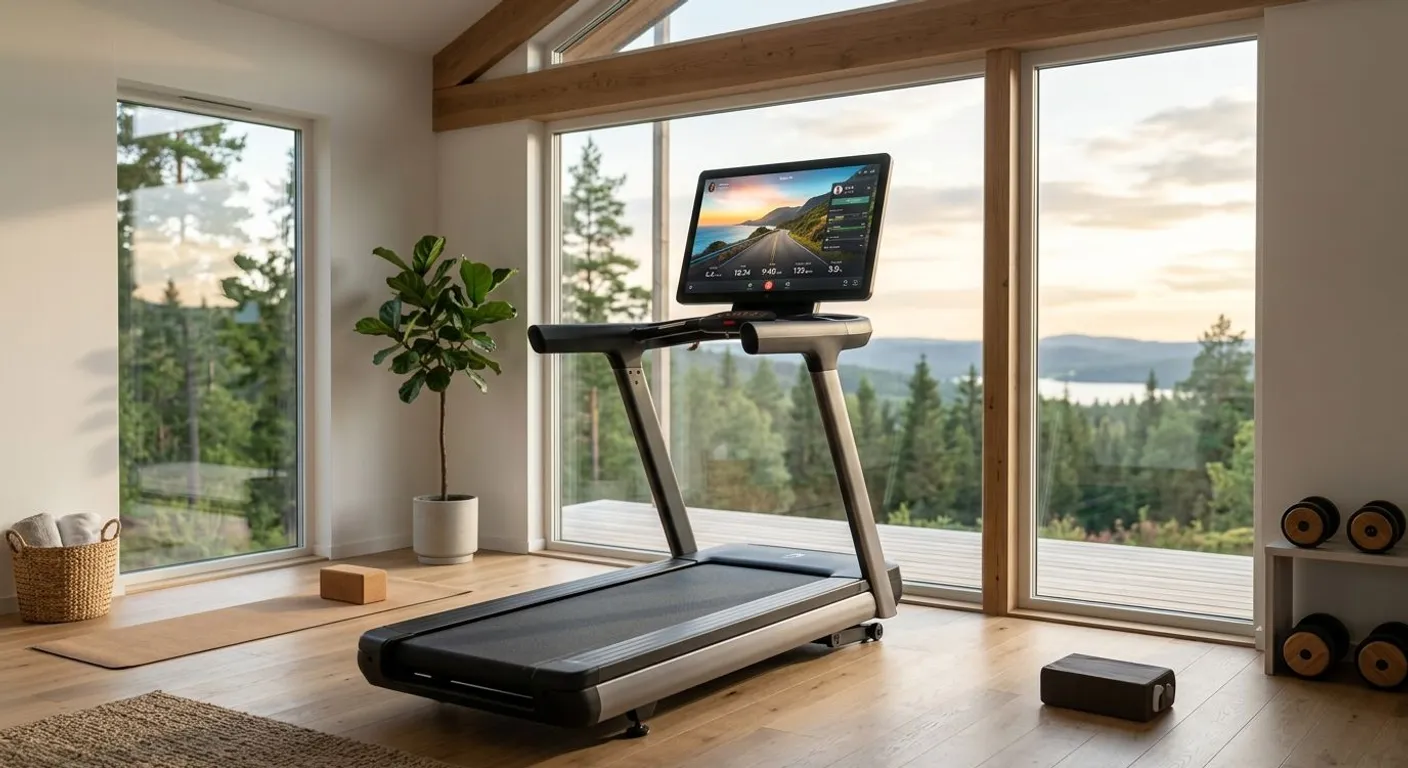
Accurately tracking your data during regular training increases your motivation and workout efficiency. Utilizing smartband technology during outdoor hikes for route and heart rate analysis allows you to instantly see whether you are staying in your training zone. In adverse weather conditions, you can achieve the same performance at home with fixed incline and speed levels using smart treadmill technology.
Multiply Your Performance with Interval Walking
Walking at a constant speed all the time can cause the body to adapt over time, leading to a plateau in fitness gains. To overcome this, you can implement the Interval Walking (Variable Pace Walking) method.
In interval walking, a high pace and a recovery pace alternate sequentially:
- Warm-up: 5 minutes of walking at an easy pace.
- High Pace: 3 minutes of walking at maximum speed (a level where talking becomes difficult).
- Recovery: 2 minutes of walking at a moderate pace (a level that allows your heart rate to drop).
- Repeat: Repeat this 5-minute cycle 6–8 times (30–40 minutes total).
- Cool-down: 5 minutes of walking at a slow pace.
This method increases your oxygen consumption capacity (VO2 Max), quickly taking your endurance level to new heights.
Comparison of Walking Types
The table below summarizes the physiological effects and fitness contributions of different walking types:
| Walking Type | Average Heart Rate (% MHR) | Steps per Minute | Fitness Contribution | Recommended Duration |
|---|---|---|---|---|
| Leisurely Walk | 50% - 60% | 70 - 90 | Low (General Health) | 30 - 60 Minutes |
| Brisk Walk | 60% - 70% | 100 - 120 | Moderate - High (Zone 2) | 45 - 75 Minutes |
| Interval Walk | 70% - 85% (Peak) | 120 - 140 | Very High (VO2 Max) | 30 - 45 Minutes |
| Incline Walk | 70% - 80% | 90 - 110 | High (Muscle Endurance) | 30 - 50 Minutes |
Biomechanics and Posture: Proper Stride Technique
The quality of your steps is just as important as your pace. Flawed walking mechanics can place excess strain on your hips, knees, and ankles. Pay attention to the following biomechanical rules during fitness walking:
- Heel-to-Toe Contact: The heel should make contact first as the foot strikes the ground, weight should roll through the sole, and push-off should occur from the toes.
- Posture: Keep your torso upright and focus your eyes about 10–15 meters ahead. Your chin should remain parallel to the ground.
- Arm Drive: Bend your elbows at a 90-degree angle and swing them comfortably back and forth from the shoulders. Arm drive directly boosts your walking speed.
Recovery and Regeneration Process
Resting your muscles and joints is as integral to building endurance as regular training itself. To repair micro-tears in leg muscles after walking, do not neglect adequate sleep, quality nutrition, and post-workout stretching. During heavy walking weeks, you can accelerate recovery by using post-workout recovery devices to enhance blood circulation in the legs and reduce muscle stiffness.
4-Week Fitness-Building Walking Program
You can follow this 4-week program designed to gradually elevate your fitness level through walking:
Week 1: Foundation Building
- Monday / Wednesday / Friday: 35 minutes of steady-pace walking (Zone 2).
- Saturday: 45 minutes of easy-pace outdoor walking.
Week 2: Increasing Volume
- Tuesday / Thursday: 45 minutes of brisk walking.
- Saturday: 15 minutes steady pace + 15 minutes interval (2 min fast / 2 min moderate) + 10 minutes cool-down.
- Sunday: 50 minutes of trail walking.
Week 3: Increasing Intensity
- Tuesday / Thursday: 50 minutes of brisk walking.
- Friday: 40 minutes of interval walking (3 min fast / 2 min moderate).
- Sunday: 60 minutes of brisk walking on mildly inclined terrain.
Week 4: Performance and Test
- Tuesday: 45 minutes of brisk walking.
- Thursday: 40 minutes of high-intensity interval walking.
- Saturday: 75 minutes of continuous brisk walking (Endurance Test).
When you take walking beyond a simple daily activity and combine it with structured pace and duration management, you will quickly feel the increase in your physical endurance.
References
Frequently Asked Questions
Does walking build as much endurance as running?
When set at the proper pace and duration, brisk walking effectively stimulates the cardiovascular system and provides a sustainable, long-term foundation for fitness while reducing joint impact.
How many steps per minute should you walk to improve fitness?
For a fitness-building brisk walk, a cadence of roughly 100 to 130 steps per minute is recommended.
How many days a week should interval walking be performed?
Because interval walking involves higher intensity, it is recommended to perform it 2–3 days a week, interleaving rest days or steady-pace walks in between.
What should your target heart rate be during walking?
The ideal heart rate zone for improving fitness is 60–70% of your Maximum Heart Rate (Zone 2). As a practical rule of thumb, you can calculate your max heart rate by subtracting your age from 220.
This content was researched and prepared by the İlgi Alanları editorial team and reviewed for accuracy and readability before publication. Information on health, finance and investment topics is general in nature and does not replace professional advice.