Freediving Guide: The Science Behind Breath-Holding
Freediving is more than just holding your breath; it is the human body's remarkable ability to adapt underwater. Explore underwater physiology in detail, from the mammalian dive reflex to carbon dioxide tolerance.
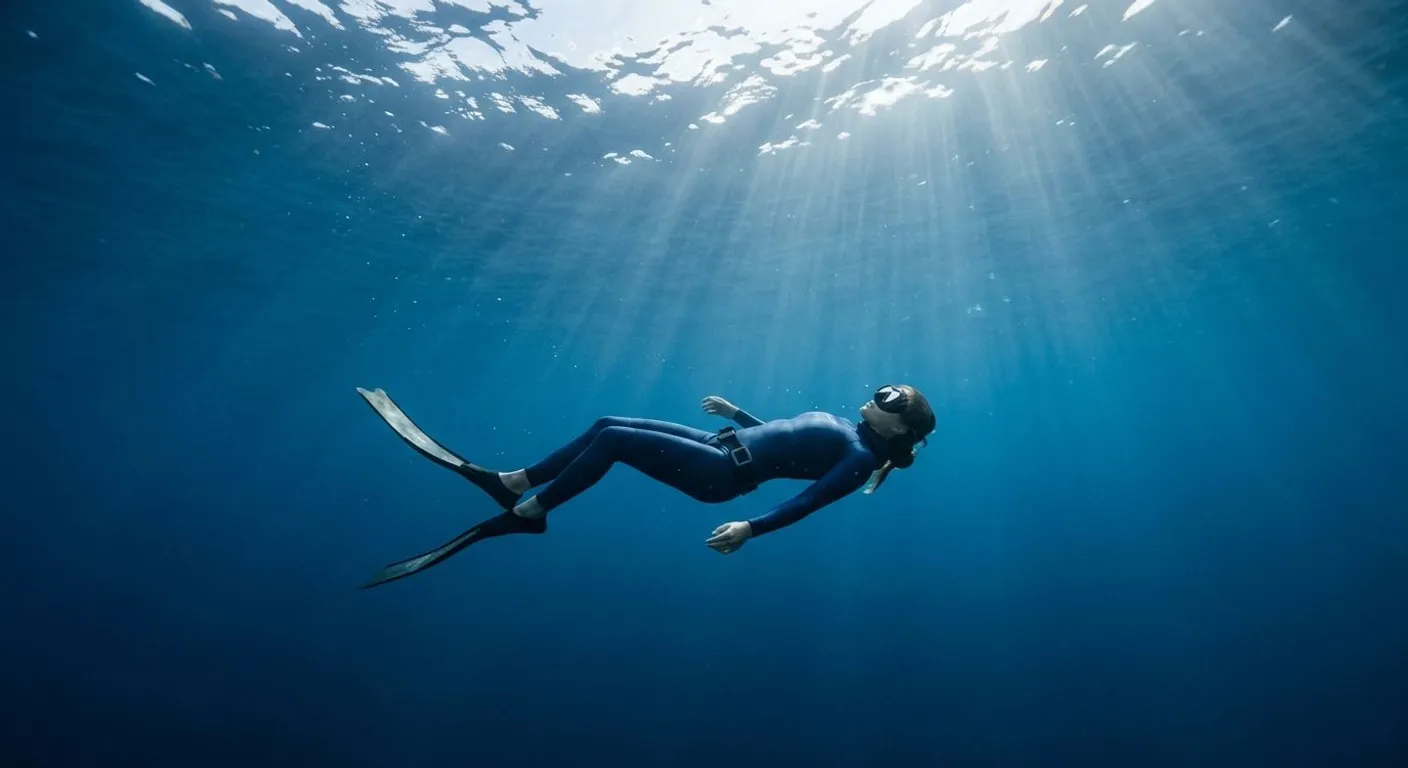
As you glide beneath the surface of the water, the surrounding silence triggers one of the most fascinating adaptation mechanisms of human biology. Freediving is not merely about filling your lungs with air and diving underwater, contrary to popular belief. This sport is the combination of mental focus and physiological control with an ancient underwater adaptation process embedded in the human genetic heritage. Every second spent below the surface is the result of biochemical and physiological changes occurring within the body in milliseconds. Increasing underwater duration and safely reaching greater depths rely on properly understanding these bodily responses.
Mammalian Dive Reflex: The Body's Underwater Adaptation Mechanism
The moment the human face comes into contact with cold water, the mammalian dive reflex (Mammalian Dive Reflex), passed down from evolutionary history, is activated. Highly developed in marine mammals such as whales, seals, and dolphins, this reflex is also distinctly present in humans. The primary purpose of the reflex is to conserve the limited oxygen supply and ensure that vital organs continue to function.
The mammalian dive reflex manifests through three main physiological changes:
- Bradycardia (Slowing of the Heart Rate): When the face touches water, the vagus nerve is stimulated, and the heart rate drops immediately. In trained freedivers, the heart rate can drop to 20-30 beats per minute. This slowing directly reduces oxygen consumption in tissues.
- Peripheral Vasoconstriction (Blood Shift): Due to underwater pressure and reflex stimuli, capillaries in the extremities (hands and feet) constrict. Blood flow is redirected to vital organs that need oxygen the most, such as the brain, heart, and lungs.
- Splenic Contraction: During deep dives or repeated apnea exercises, the spleen contracts to release stored red blood cells into circulation. This increases the amount of hemoglobin in the blood, boosting oxygen-carrying capacity.
To use this reflex mechanism effectively, the diver must be completely relaxed mentally. Heart rate rises rapidly during moments of anxiety or stress; therefore, maintaining composure underwater teaches how to guide the autonomic nervous system, much like in stress management with biofeedback practices.
The Physiology of Breath-Holding: Oxygen and Carbon Dioxide Balance
Many people think that the urge to breathe stems from running out of oxygen in the body. However, the primary trigger stimulating the respiratory center in the brain is the rise of carbon dioxide (CO2) levels in the blood.
When you hold your breath, cells continue to consume oxygen and produce carbon dioxide. As CO2 levels in the blood rise, blood pH drops and becomes acidic. The cerebellum and carotid bodies detect this change and send contraction signals to the diaphragm. These contractions are felt as the "urge to breathe" or "diaphragmatic contractions."
The Danger of Hyperventilation and Shallow Water Blackout
One of the biggest mistakes made by beginner freedivers is performing hyperventilation by taking rapid, deep breaths prior to a dive. Hyperventilation artificially lowers CO2 levels in the blood (hypocapnia). However, it does not significantly increase the amount of oxygen in the blood.
This creates a life-threatening danger: before CO2 levels in the blood reach the point of triggering the urge to breathe, oxygen levels drop below the critical threshold required for consciousness. As a result, the diver can suffer a shallow water blackout (Shallow Water Blackout) without ever feeling the need to breathe. To prevent this risk, calm, natural diaphragmatic breathing should be maintained before a dive without disrupting the breathing rhythm.
Mental Focus and Parasympathetic Nervous System Control
Freediving is a mental discipline as much as a physical one. The most effective way to minimize oxygen consumption is to completely relax both muscle and mind. Even the slightest hint of anxiety or panic triggers the sympathetic nervous system, causing adrenaline release and an accelerated heart rate.
Staying calm under high pressure during deep dives requires complete mastery over the brain's focus mechanism. Freedivers release all tension in their bodies one by one using visualization and body scan techniques.
Comparison of Freediving Disciplines
Freediving is divided into various categories, primarily pool and deep-water disciplines. Each discipline requires different breath control and technical skills.
| Discipline | Description | Focus Point | Primary Challenge |
|---|---|---|---|
| Static Apnea (STA) | Holding breath while remaining immobile on the water surface | Mental relaxation, CO2 tolerance | Coping with panic, mental focus |
| Dynamic Apnea (DYN) | Covering horizontal distance in a pool with or without fins | Hydrodynamic posture, efficient finning | Lactic acid accumulation, energy conservation |
| Constant Weight (CWT) | Descending to depth with fins and ascending with the same weight | Ear equalization, technical finning technique | High pressure, eardrum compensation |
| Free Immersion (FIM) | Descending and ascending by pulling along a guide line | Ear equalization, muscle efficiency | Line-pulling rhythm, thoracic flexibility |
Key Practices for Safe Diving
Freediving is a very safe sport when performed with proper techniques and safety protocols. The following rules must be strictly followed to minimize risks:
- Never Dive Alone (Buddy System): The most fundamental rule of freediving is to always work with a trained partner. Your partner must monitor you from the surface and be ready to intervene immediately in the event of a syncope (blackout).
- Ear Equalization Techniques: As pressure increases, Frenzel or Valsalva maneuvers should be used to balance pressure on the eardrums. Pressure should never be forced; the dive must be stopped the moment pain is felt.
- Recovery Breathing: Upon reaching the surface, stale air in the lungs should be quickly expelled, followed by deep, passive breaths to immediately restore oxygen levels to normal.
- Disciplined Training Process: Training should be spread out over time to build performance; as highlighted in our beginner's guide to rock climbing content, gradual progression and understanding bodily limits are essential.
Resources
Frequently Asked Questions
What is the average breath-hold duration in freediving?
While an untrained adult can hold their breath for an average of 30 to 60 seconds, freedivers who learn basic techniques and mental relaxation can easily extend this duration to 2 to 4 minutes or more.
What is shallow water blackout?
It is a sudden loss of consciousness underwater caused by oxygen levels dropping below the threshold required for consciousness before carbon dioxide levels rise enough to trigger the urge to breathe.
Can you freedive without equalizing your ears?
No. As depth increases, water pressure exerts force on the eardrum. Without equalization, severe eardrum damage and intense pain can occur.
How should you breathe before a freedive?
Before a dive, take calm, slow, and deep diaphragmatic breaths; rapid, forced hyperventilation must be avoided.
This content was researched and prepared by the İlgi Alanları editorial team and reviewed for accuracy and readability before publication. Information on health, finance and investment topics is general in nature and does not replace professional advice.