Post-Workout Nutrition Guide: What and When Should You Eat?
Consuming the right nutrients at the right time after exercise is the most effective way to boost your training performance and accelerate muscle growth.
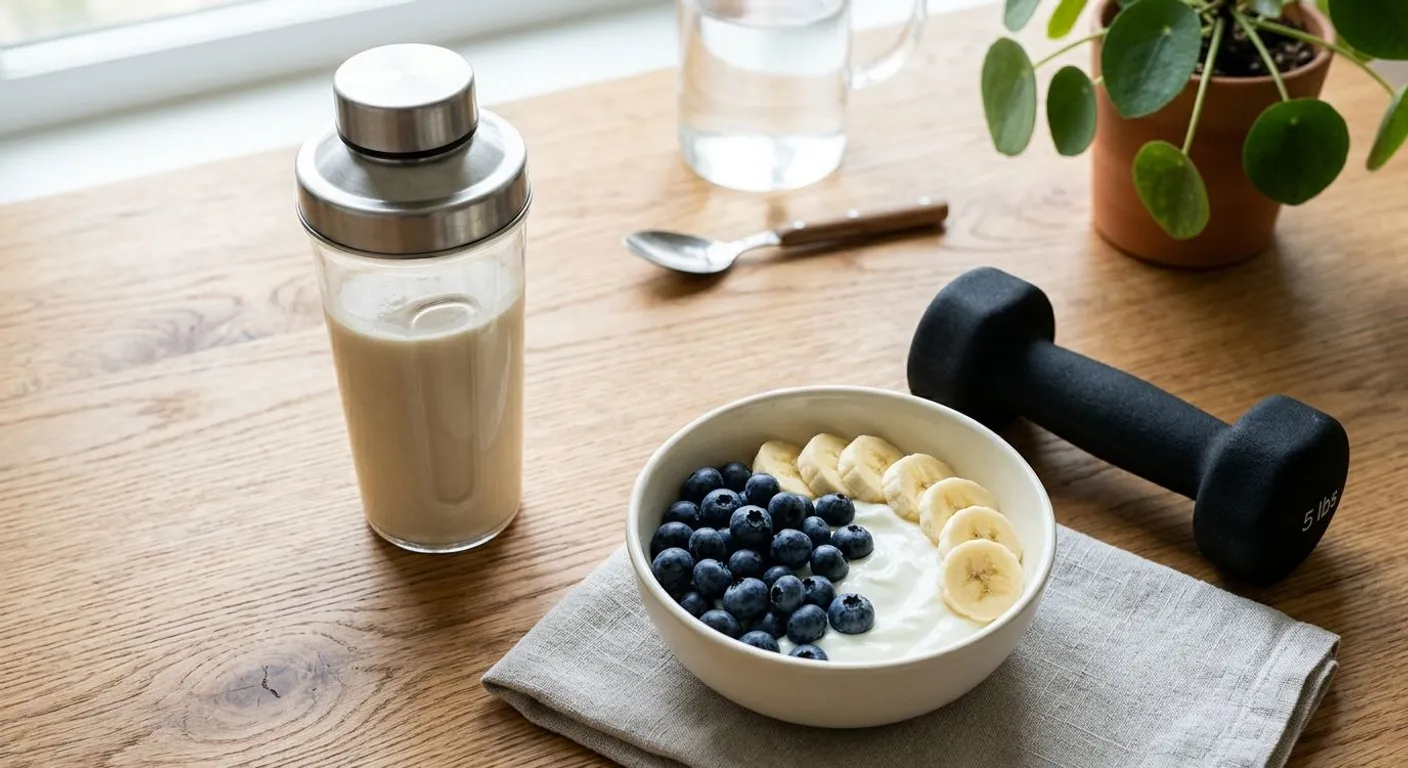
You've left a tough workout behind, put your towel aside, and wiped off your sweat. Now, your body has entered a biologically critical stage. As important as exercise is, the recovery process that begins the moment your workout ends is equally vital. What builds and strengthens your muscles and prepares them for the next session is not the movement itself, but the rest and nutrients you provide your body afterward.
What and when to eat after working out has been one of the most debated topics in the fitness world for years. Eating at the wrong time or in the wrong combination can prevent you from getting the full return on your effort. In this guide, in light of scientific facts, we will examine post-workout nutrition strategies, the functions of nutrients, and practical meal ideas in detail.
What Happens to the Body After a Workout?
During physical activity, your body undergoes two fundamental changes. First, glycogen, the primary fuel source stored in muscles, is rapidly depleted. High-intensity resistance exercises or long cardio workouts especially drain glycogen stores.
Second, microscopic tears and damage occur in the muscle fibers under load. While this might sound negative, it is actually a natural part of muscle growth (hypertrophy) and strengthening. When repairing these micro-tears after a workout, the body aims to make the muscle stronger than it was before. This is where the right macronutrients are needed.
If you are following an intense bodyweight home workout routine, providing your muscles with the building blocks they need without delay directly determines your recovery speed.
The Anabolic Window Myth and Real Timing
For years, gyms talked about a strict rule called the "anabolic window," covering the first 30 minutes right after a workout. According to this theory, if you didn't consume protein within 30 minutes of finishing your exercise, your muscles would waste away or your workout would be wasted. Modern sports science has shown that this approach is largely exaggerated.
Current research indicates that muscle protein synthesis remains elevated for approximately 24 to 48 hours after training. Still, the 45 to 90-minute window following exercise is when the body's capacity to absorb and utilize nutrients is at its most efficient.
When you ate your pre-workout meal also influences this timing:
- If you trained on an empty stomach: Consuming a meal containing protein and carbohydrates immediately after exercise (within the first 30–45 minutes) becomes much more critical.
- If you ate a balanced meal 1–2 hours before working out: You can stretch your post-workout meal up to 1–2 hours and prepare a balanced plate without rushing.
Essential Macronutrients to Consume Post-Workout
A successful recovery plate consists of bringing together three main components in the right proportions: Protein, Carbohydrates, and Fluids/Electrolytes.
1. Protein: The Building Block of Muscle Repair
Post-workout protein consumption stimulates muscle protein synthesis (MPS) and prevents muscle breakdown. Proteins are broken down into amino acids, which are used to rebuild muscle tissue. In particular, the amino acid called leucine is the key trigger that initiates the muscle-building signal.
- Ideal Amount: Consuming approximately 0.3 to 0.4 grams of protein per kilogram of body weight in a single post-workout meal is sufficient. For an average adult, this equals 20 to 40 grams of high-quality protein.
- Best Sources: Whey protein, eggs, chicken breast, turkey, Greek yogurt, cottage cheese, fish, or for those seeking plant-based options, soy, quinoa, and lentils.
2. Carbohydrates: The Engine to Replenish Stores
Carbohydrates are essential for replenishing depleted glycogen stores and stimulating insulin secretion, which helps transport protein into muscle cells. Cutting carbohydrates completely after exercise can reduce your performance in the next workout and lead to chronic fatigue.
- Ideal Amount: Depending on the type of exercise performed, 0.5 to 1 gram of carbohydrates per kilogram of body weight can be consumed.
- Best Sources: Oatmeal, bananas, white/brown rice, sweet potatoes, quinoa, berries, and whole-wheat bread.
3. Fats: Should You Consume or Avoid Them?
A common misconception regarding post-workout fat intake is that fats should be strictly avoided because they slow down nutrient absorption. Although fats slow digestion slightly, they do not completely negate the benefits of a post-workout meal. The key is to keep fat intake at a balanced level rather than very high. For example, adding a teaspoon of peanut butter to a scoop of protein powder will not negatively impact the recovery process.
Nutrition Strategies by Workout Type
The nature of your workout directly alters the ideal carbohydrate-to-protein ratio on your plate. A strength trainer and a marathon runner do not have the same nutritional requirements.
The table below summarizes the ideal macro balance based on your workout type:
| Workout Type | Primary Focus | Carbohydrate : Protein Ratio | Sample Food Combination |
|---|---|---|---|
| Weight / Hypertrophy | Muscle Repair & Strength | 2 : 1 or 1 : 1 | Greek yogurt + Banana + Oats |
| Endurance (Running/Cycling) | Glycogen Replenishment | 3 : 1 or 4 : 1 | Peanut butter and honey on whole-wheat bread |
| High Intensity (HIIT) | Rapid Rebalancing | 2 : 1 | Grilled chicken + Sweet potato |
| Light Pilates / Yoga | General Revitalization | 1 : 1 | Whey protein with milk or hard-boiled eggs |
If you want to physically accelerate muscle recovery beyond nutrition alone, using post-workout recovery devices creates perfect synergy with your diet.
Importance of Fluid and Electrolyte Balance
During exercise, we lose not only water through sweat but also vital electrolytes like sodium, potassium, and magnesium. Dehydration leads to muscle cramps, headaches, and prolonged recovery times.
- Aim to drink approximately 500–750 ml of water for every 0.5 kg of weight lost by weighing yourself after training.
- After intense workouts with heavy sweating, consuming mineral water instead of plain water or adding a pinch of rock salt to your water quickly restores electrolyte balance.
Practical and Quick Post-Workout Meal Ideas
If your time is limited or eating a heavy meal after sports bothers your stomach, you can consider these practical alternatives:
Quick Snacks (For the First 30 Minutes)
- Protein Shake and Banana: 1 scoop of whey protein mixed with 1 medium banana and water/milk.
- Greek Yogurt with Fruit: 200 g Greek yogurt topped with a handful of blackberries or strawberries and 1 teaspoon of honey.
- Dried Fruit and Nuts: A handful of raisins and raw almonds (a practical option especially after outdoor workouts).
Main Meals (Within 1–2 Hours)
- Classic Fitness Plate: 150 g grilled chicken breast, 1 cup brown rice, and a steamed broccoli salad with olive oil.
- Salmon and Sweet Potato: Baked salmon fillet, roasted sweet potato wedges, and leafy greens.
- Egg and Avocado Toast: 2 boiled or scrambled eggs, mashed avocado on whole-grain toast.
For athletes to track their daily intake during precise calorie and macro calculations, nutrition analysis devices offer highly practical solutions.
Top 5 Most Common Post-Workout Mistakes
- Delaying the Meal Too Long: Remaining hungry for hours after exercise can increase muscle breakdown and cause overeating at the next meal.
- Focusing Only on Protein and Forgetting Carbohydrates: Skipping carbs delays glycogen replenishment and leaves you feeling sluggish the next day.
- Consuming Excessively Fatty Foods: Eating fast food or overly fatty foods right after exercise slows stomach digestion and delays nutrient delivery to muscles.
- Not Drinking Enough Water: Proper hydration is essential for cells to absorb nutrients effectively.
- Consuming Alcohol: Consuming alcohol post-workout significantly suppresses muscle protein synthesis and disrupts the recovery process.
Getting maximum results from your workouts depends as much on how you take care of your body as on how hard you train. By nourishing your muscles with correct timing and quality foods, you can reach your goals much faster.
References
Frequently Asked Questions
Is it mandatory to eat immediately after a workout?
No, the strict 30-minute anabolic window rule is not mandatory. However, consuming a balanced meal containing protein and carbohydrates within 45 to 90 minutes after training is ideal.
Should those trying to lose weight eat carbohydrates after a workout?
Yes, even during weight loss, consuming a small amount of complex carbohydrates is recommended to prevent muscle loss and protect your metabolism.
Should you eat after a late-night workout?
Eating a light, easily digestible, protein-rich meal (such as Greek yogurt or casein protein) after a night workout before bed supports continuous muscle repair throughout the night.
Is protein powder necessary, or can I eat real food?
Protein powder is not mandatory; it is simply a convenient alternative. Whole food protein sources like eggs, chicken, yogurt, or fish are equally effective.
This content was researched and prepared by the İlgi Alanları editorial team and reviewed for accuracy and readability before publication. Information on health, finance and investment topics is general in nature and does not replace professional advice.