Post-Workout Recovery Devices: Performance and Healing Guide
Discover post-workout recovery devices that accelerate muscle healing and boost performance after intense workouts, along with their scientific foundations and use cases.
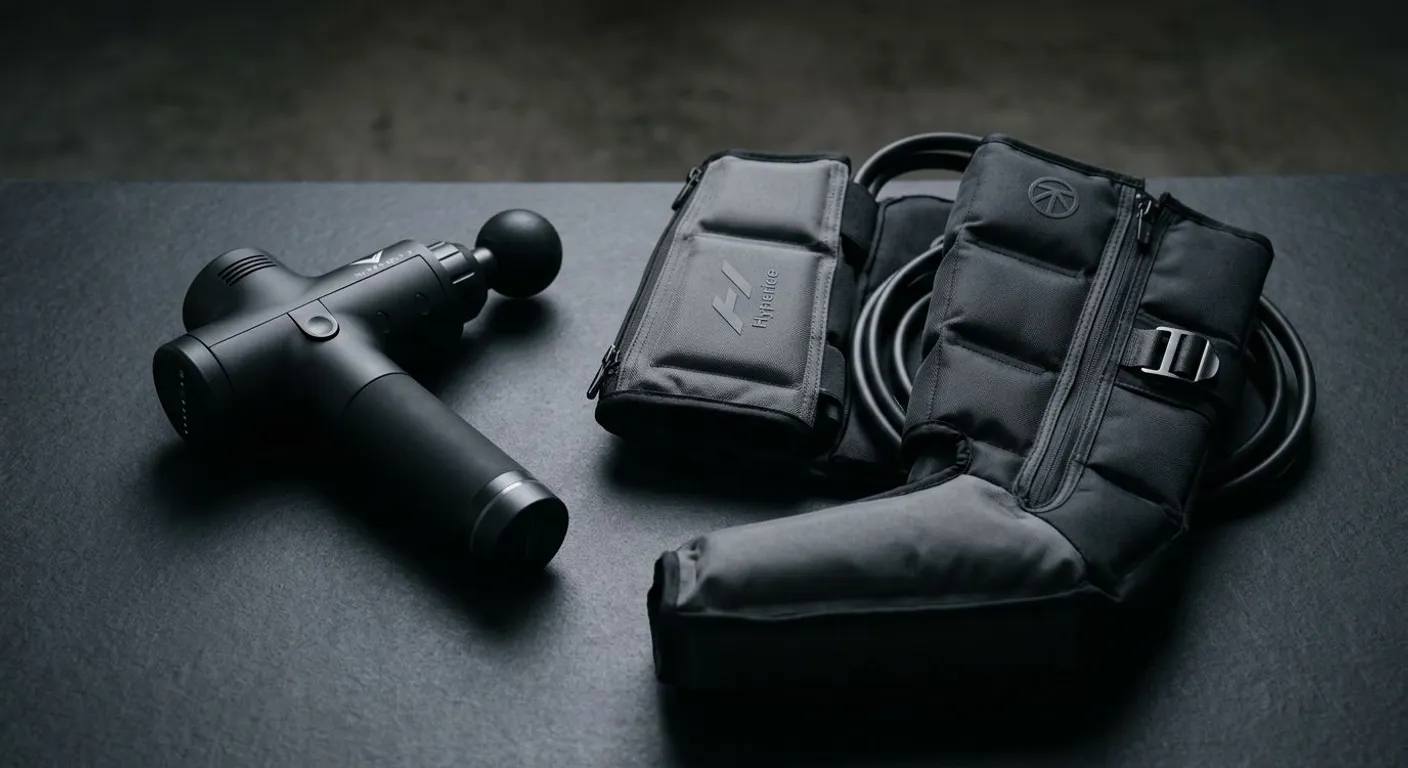
The deep muscle fatigue you feel after a heavy workout or a long run is a sign that your body has entered a biological repair process. While traditional methods like passive rest, stretching, and nutrition form the foundation of this process, advances in biotechnology and sports science have taken recovery to a whole new dimension. Today, amateur and professional athletes prefer using post-workout recovery devices to repair micro-tears in muscle fibers faster and minimize performance loss.
A recovery protocol supported by the right technology not only reduces delayed onset muscle soreness (DOMS) that occurs the day after a workout, but also lowers the risk of injury, enabling you to build a sustainable performance trajectory.
Why Is Post-Workout Recovery Critical?
Muscle growth and performance enhancement occur during the post-workout recovery phase, not during the workout itself. During exercise, micro-level damage occurs in muscle tissues, and intracellular metabolic waste products (such as lactic acid) accumulate. As the body repairs these tissues, it mounts an inflammatory response; this requires increased blood flow and the transportation of nutrients to the area.
Inadequate recovery leads to the following negative outcomes:
- Chronic fatigue and overtraining syndrome
- Reduced muscle flexibility and narrowed joint range of motion
- A significant increase in injury risk
- Weakening of the immune system
Modern recovery devices accelerate these physiological processes by mechanically or electrically stimulating the body's natural healing mechanisms.
Most Popular Post-Workout Recovery Devices and How They Work
Recovery devices with different working mechanisms are categorized according to the needs of the muscle group and sport-specific requirements.
1. Percussive Massage Guns (Percussive Therapy)
As the most popular individual recovery tool in recent years, massage guns work by applying high-frequency vibration and deep tissue pressure. These rapid pulses, which reach deep into muscle fibers, release fascial tension and instantly increase blood circulation to the area.
- Mechanism of Action: Reduces muscle pain perception by suppressing neurological pain receptors and speeds up blood flow to provide tissue oxygenation.
- When to Use: Recommended to be applied for 30–60 seconds to warm up muscles before a workout, and 2–3 minutes on stiff areas after a workout.
2. Pneumatic Compression Boots (Air Pressure Drainage)
Favored especially by runners, cyclists, and triathletes, these systems are based on sequentially inflating and deflating special sleeves that cover the legs with air.
- Mechanism of Action: Stimulates lymphatic drainage by applying gradual pressure from the feet toward the hips. In this way, metabolic waste and fluid edema accumulated in the legs are pumped back toward the heart through the venous system.
- Key Benefit: Rapidly eliminates the feeling of heavy legs and regulates lymphatic flow.
3. Electrical Muscle Stimulation (EMS and TENS) Devices
Sending low-voltage electrical signals to muscles via electrodes attached to the skin, these devices cause muscles to contract and relax passively.
- EMS (Electrical Muscle Stimulation): Gently contracts muscles to increase blood circulation, creating a simulation of passive active rest.
- TENS (Transcutaneous Electrical Nerve Stimulation): Directly stimulates nerve endings to block pain signals going to the brain, alleviating chronic or acute muscle pain.
4. Hyperthermic and Cryotherapy Systems (Hot & Cold Therapy)
Wearable devices that provide localized cooling or heating are highly effective in controlling inflammation. Cold application reduces edema and inflammation by constricting blood vessels (vasoconstriction), while heat application increases tissue nutrition by dilating blood vessels (vasodilation). Modern technologies offer contrast therapy devices that apply these two methods sequentially.
Comparison Table of Recovery Devices
You can examine the main features and intended uses of different recovery technologies in the table below:
| Device Type | Core Mechanism | Best Use Case | Portability | Tissue Depth Impact |
|---|---|---|---|---|
| Massage Gun | Percussion / Vibration | Localized muscle knots and deep tissue | High | Deep Tissue |
| Compression Boots | Pneumatic Pressure | Lower extremity, lactic acid clearance | Medium | Superficial & Circulatory |
| EMS / TENS Device | Electrical Micro-current | Muscle stimulation and pain management | Very High | Nerve & Muscle Fiber |
| Contrast Therapy | Thermal (Heat / Cold) | Joints and acute inflammation areas | Low / Medium | Vascular Level |
Things to Consider When Choosing the Right Device
When investing in a recovery device, you should consider your sports discipline, workout frequency, and the specific support your body needs.
- Sports Discipline: If you are involved in lower-body-focused disciplines such as cycling and long-distance running, compression boots stand out; for full-body workouts and weight training, massage guns offer more versatile use.
- Wearable Technology Integration: You can utilize HRV (Heart Rate Variability) data provided by smartwatches to determine your training load and recovery needs. For instance, physiological metrics tracked under wearable technology trends for cyclists show how intense a recovery protocol you need to apply on any given day. Similarly, through stress-measuring technologies, you can objectively analyze how much rest your autonomic nervous system requires.
- Ergonomics and Noise Level: Quiet operation and lightweight design for devices used at home or while traveling provide long-term convenience.
Core Factor Beyond Technology: Sleep and Passive Healing
No technological recovery device can replace quality sleep and proper nutrition. A large portion of growth hormone secretion occurs during the deep sleep stage. Devices are auxiliary tools that support and accelerate the systemic recovery provided by sleep at a regional level.
To maximize your recovery quality, you can increase your deep sleep duration and run your muscles' natural repair mechanism at maximum efficiency by utilizing supportive technologies such as smart devices that balance brain waves during sleep.
When you incorporate the right technological devices into a balanced rest routine, you will notice an increase in your training efficiency and a more consistent performance.
References
Frequently Asked Questions
Can a massage gun be used every day?
Yes, as long as it is applied at the appropriate intensity and not used on the same muscle group for an extended period, massage guns can be used safely every day.
How long should compression boots be used?
Generally, post-workout sessions lasting between 20 to 45 minutes provide optimal lymphatic circulation and relaxation.
Does Electrical Muscle Stimulation (EMS) build muscle?
EMS devices are primarily used to increase blood circulation and accelerate recovery; on their own, they do not produce significant muscle hypertrophy.
Do recovery devices completely prevent injuries?
Devices reduce the risk of injury by enhancing muscle flexibility and lowering fatigue, but they cannot single-handedly prevent injuries caused by overloading or improper form.
This content was researched and prepared by the İlgi Alanları editorial team and reviewed for accuracy and readability before publication. Information on health, finance and investment topics is general in nature and does not replace professional advice.