Wearable Technology Trends for Cyclists: New Dimensions in Performance and Safety
Wearable technologies are completely transforming the cycling experience, playing a critical role in both enhancing performance and ensuring safety. In this article, we will delve into the latest wearable technology trends in the cycling world and how these innovations can be integrated into your rides.
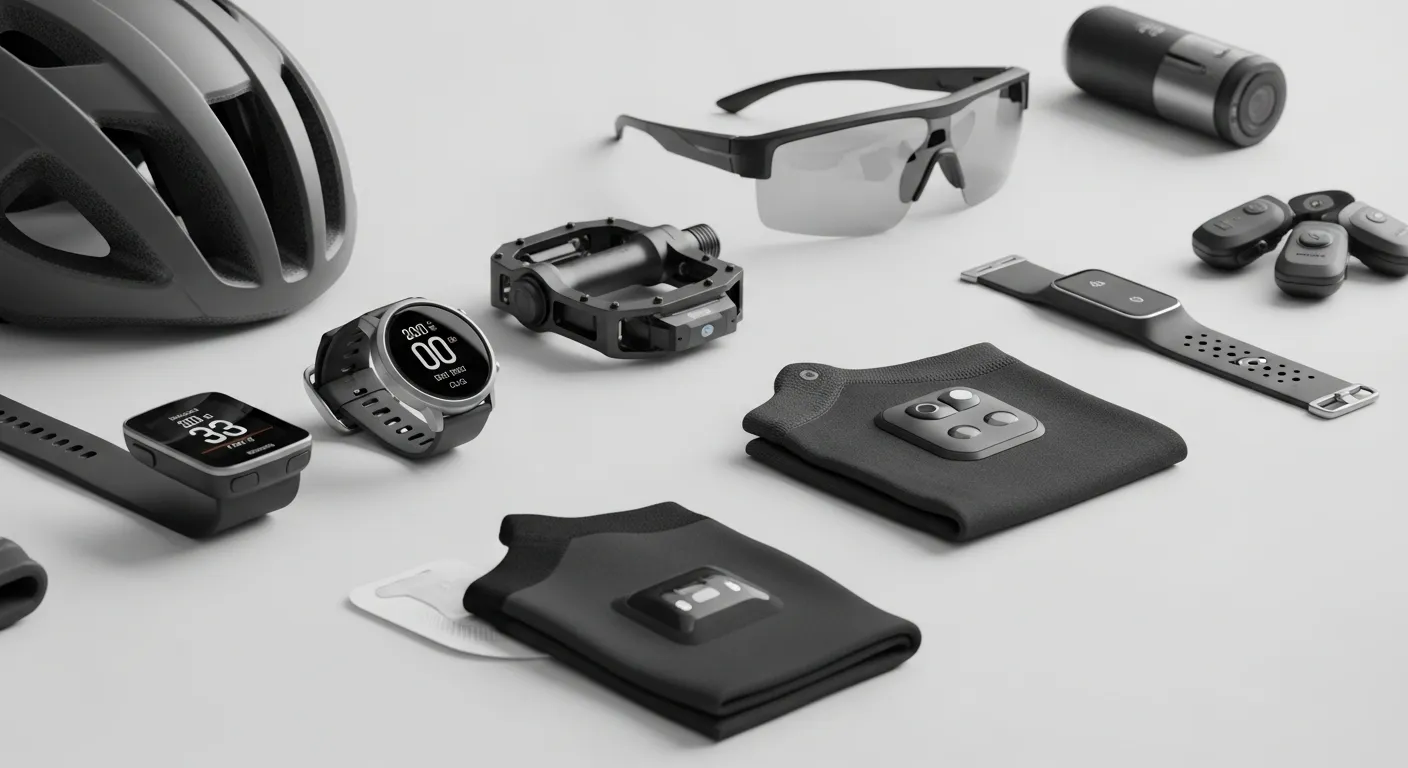
While cycling represents freedom and being one with nature, the opportunities offered by technology are making this experience richer, safer, and more efficient. Wearable technologies enable cyclists to track their performance in detail, optimize their training, and be safer during rides. In this article, we will discuss the prominent wearable technology trends in the cycling world, the benefits these devices offer, and what you should consider when making a choice.## Why is Wearable Technology Important for Cyclists?Wearable technology offers cyclists a data-driven sports experience beyond just a hobby. These devices allow for real-time monitoring of riding dynamics, physical condition, and environmental factors. The benefits include:* Performance Improvement: Optimizing training with data such as power output, heart rate, and cadence.* Increased Safety: Enhancing riding safety with crash detection, rear radar systems, and smart lighting.* Navigation Ease: Confidently navigating even unknown routes thanks to integrated GPS and map features.* Comfort and Motivation: Features that increase comfort during long rides and motivate riders to achieve their goals.## Key Wearable Technology TrendsCycling technology is constantly evolving, and we encounter new innovations every day. Here are the most popular and beneficial wearable technology trends for cyclists:### Advanced Bike Computers and GPS DevicesBike computers are no longer just simple devices that measure speed and distance. Modern bike computers offer a wide range of features such as GPS navigation, performance metrics (power, cadence, heart rate), elevation measurement, weather information, and even smartphone notifications. They provide an integrated riding experience with touchscreens, customizable data fields, and long battery life. They are indispensable, especially for route tracking, exploratory rides, and detailed training analysis.### Smartwatches and Heart Rate MonitorsSmartwatches are versatile training assistants worn on your wrist. With cycling modes, they can record basic data like speed, distance, and elevation. Integrated heart rate monitors continuously track your heart rate, helping you maintain your training intensity within the correct zones. They also offer valuable insights into your general health and post-workout recovery with features such as sleep tracking, stress level measurement, and recovery time recommendations. Some models also include built-in GPS, making them sufficient for standalone ride tracking.### Power MetersFor performance-oriented cyclists, power meters are perhaps the most critical wearable technology for maximizing training efficiency. Power measures the force a cyclist applies to the pedals in watts, which is the most objective performance indicator, independent of external factors like hills, wind, or fatigue. Different types include:* Pedal-Based Power Meters: Measure the power generated by each pedal separately, allowing for analysis of pedaling efficiency.* Crank-Based Power Meters: Measure total power output via sensors integrated into the crankset.* Rear Hub-Based Power Meters: Provide power data with sensors placed in the rear wheel hub.Power meters are revolutionary for training planning, especially for interval workouts and long-duration endurance rides.### Smart HelmetsSmart helmets are taking cycling safety to a new dimension. These helmets can send location information to emergency contacts in the event of a fall, thanks to crash detection sensors. Integrated rear lighting systems increase riders' visibility. Some models include built-in speakers and microphones, allowing for phone calls or listening to music while riding. Some are even equipped with turn signals or in-group communication features.### Smart Wearable Sensors and ApparelNot just devices, but clothing is also getting smarter. Smart wearable sensors are integrated into different parts of the bike or directly into apparel, providing additional data such as cadence, speed, body temperature, and even muscle activity. Some smart shorts can help with ergonomic adjustments by tracking saddle pressure, while heated vests increase comfort in cold weather. These sensors typically communicate with bike computers or smartwatches via ANT+ or Bluetooth LE protocols.### Radar and Safety SystemsOne of cyclists' biggest concerns is traffic safety. Bike radar systems detect vehicles approaching from behind, providing visual and auditory alerts on your bike computer or smartwatch. This offers an additional layer of safety to the rider, especially on busy roads or in situations with limited visibility. Some radar systems work integrated with taillights, increasing light intensity and improving visibility when vehicles approach.## What to Consider When Choosing Wearable TechnologyChoosing the right wearable technology requires considering your needs and budget. Here are some points to keep in mind:* Fit and Comfort: It's important that devices do not cause discomfort, especially during long rides, and are made from skin-friendly materials.* Battery Life: Choose devices that offer sufficient battery life for long rides and multi-day tours. Remember that GPS and sensor usage will increase battery consumption.* Data Accuracy and Integration: The accuracy of the data provided by the devices and how well they integrate with other devices (bike computer, smartphone) or applications (Strava, Garmin Connect) is important.* Water Resistance and Durability: Choose models that are suitable for use in rainy weather or challenging off-road conditions, and are water and dust resistant.* Budget: Wearable technologies are offered across a wide price range. Make sure to determine your needs and choose the product that best fits your budget and provides the most benefits.## Analog vs. Digital Cycling Experience ComparisonTo better understand how wearable technology transforms the cycling experience, let's compare analog and digital approaches:| Feature | Analog Cycling Experience | Digital/Wearable Technology Experience || :------------------ | :----------------------------------------------------- | :---------------------------------------------------------------------------- || Ride Tracking | Odometer (mechanical), manual note-taking | Speed, distance, cadence, power, heart rate, elevation, automatic GPS recording || Safety | Mirror, manual signaling, classic lights | Smart helmet (crash detection), rear radar, smart lighting, turn signals || Training | Feel, stopwatch, manual heart rate check | Detailed performance analysis, training zones, recovery tracking, personalized programs || Navigation | Map, asking for directions, road signs | GPS-supported route tracking, voice guidance, POI discovery on map || Social Interaction| Group rides, coffee break chats | Sharing rides, virtual races, segment leaderboards, finding training partners |## The Future of Wearable Technology: Innovations in the Cycling WorldThe journey of wearable technology in the cycling world is still in its early stages. Potential future developments include:* Augmented Reality (AR) Integration: AR displays integrated into helmets could project information such as speed, navigation, or approaching hazards directly into the field of view.* Smarter Algorithms: AI-powered algorithms could predict a cyclist's fatigue level, potential injury risk, and automatically adjust training accordingly.* Fully Integrated Ecosystems: Systems where all wearable devices and bike components communicate seamlessly, with a central control mechanism, could become more widespread.* Body Language and Posture Analysis: Wearable sensors could analyze a cyclist's posture and pedaling technique, offering suggestions to improve efficiency.For cyclists, wearable technology is not just a luxury but also a tool to enhance performance, ensure safety, and maximize riding enjoyment. By choosing the right devices and using these technologies intelligently, you can take every ride to the next level. Thanks to these innovations, cycling is transforming from merely a means of transport or sport into a smart, interactive experience enriched with personal data. Discovering the value technology adds to the cycling world will make every cyclist's rides more meaningful.
Frequently Asked Questions
Which wearable technologies enhance performance for cyclists?
Power meters, advanced bike computers, and heart rate monitors are the most effective wearable technologies for boosting performance. These devices help optimize training intensity and efficiency.
How do smart helmets improve cycling safety?
Smart helmets can send location information to emergency contacts via crash detection sensors, increase visibility with integrated rear lighting, and some models offer turn signals.
What does a bike radar do?
A bike radar detects vehicles approaching from behind, providing visual and auditory alerts via a bike computer or smartwatch, thereby increasing the rider's awareness and safety in traffic.
Why is using a power meter important?
A power meter measures the force applied to the pedals in watts, allowing for objective tracking of training intensity and performance development; this is critical data for optimizing workouts.
What should I consider when choosing wearable technology?
You should consider factors such as the device's battery life, data accuracy, integration with other applications, water resistance, comfort, and suitability for your budget.
This content was researched and prepared by the İlgi Alanları editorial team and reviewed for accuracy and readability before publication. Information on health, finance and investment topics is general in nature and does not replace professional advice.