Stress-Tracking Technologies: Discover Your Body's Hidden Signals
Daily stress accumulated unnoticed leaves invisible traces on your body. Modern wearable technologies and biometric sensors transform these biological signals into tangible data.
Amid the hustle of daily life, heavy workloads, and endless responsibilities, most of us only realize we are stressed when our body sounds an alarm. However, our body generates instantaneous signals at a much earlier stage when the stress hormones cortisol and adrenaline rise. Millisecond variations in heart rate rhythm, invisible moisture on the skin surface, and micro-fluctuations in body temperature are the tangible footprints of stress in the body.
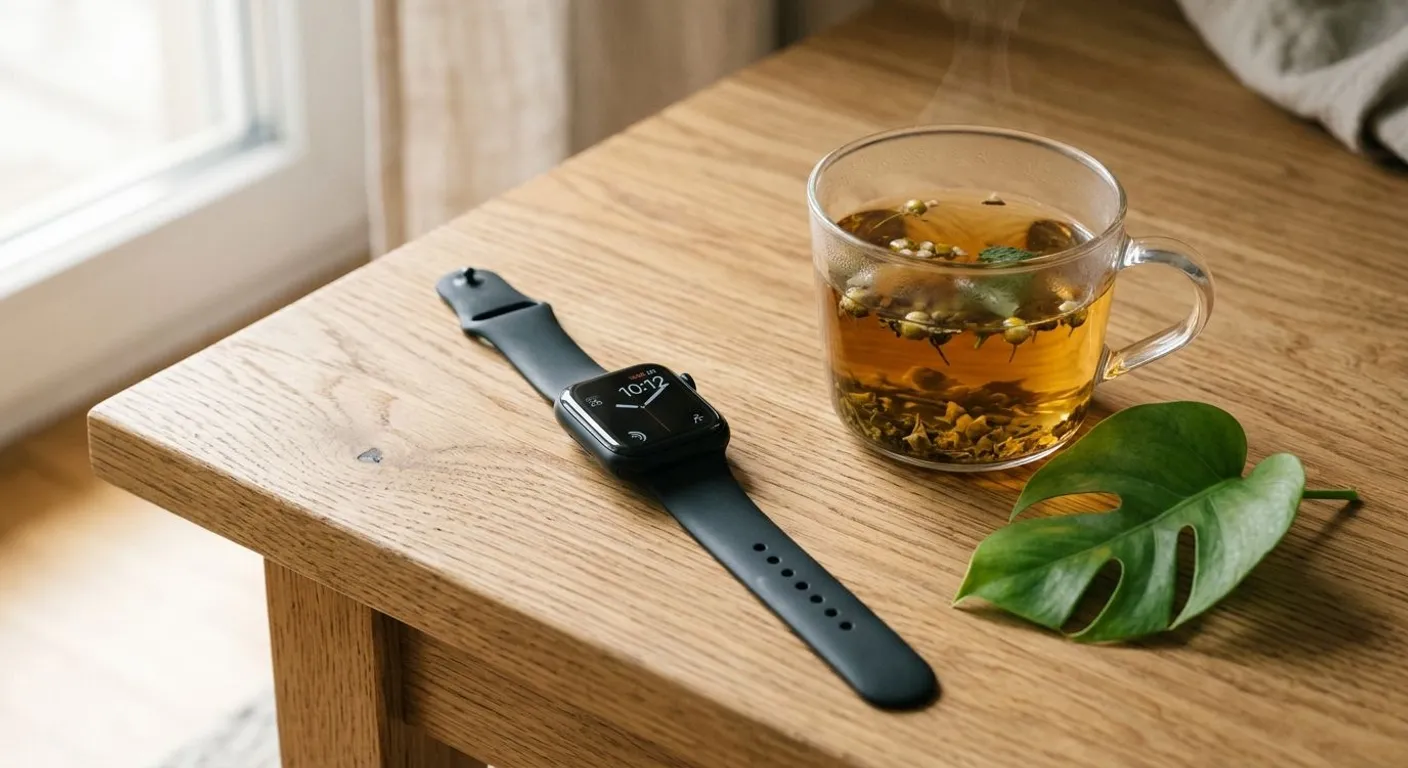
The major transformation in the wearable technology world in recent years has made it possible to capture these physiological signals. Today, smartwatches, biometric rings, and chest straps help us perform personalized health tracking by measuring the physical effects of daily stress. But how does the science behind these devices work, and what do the collected data truly mean?
The Body's Language of Stress: What Are Biometric Indicators?
When our body perceives stress, the autonomic nervous system kicks in. This system consists of two main branches: the sympathetic nervous system, which governs the "fight-or-flight" response, and the parasympathetic nervous system, which relaxes the body. Biometric sensors monitor specific indicators to measure the delicate balance between these two systems.
The primary physiological parameters used in stress measurement are:
- Heart Rate Variability (HRV): The time difference in milliseconds between consecutive heartbeats. High HRV indicates that the body is flexible and rested against stress, while low HRV shows that the body is under intense stress with the sympathetic system dominant.
- Galvanic Skin Response (GSR / EDA - Electrodermal Activity): During moments of stress, micro-activation of sweat glands changes the skin's electrical conductance. This change is extremely sensitive in detecting instantaneous emotional surges.
- Skin Temperature Fluctuations: In times of stress, blood vessels constrict to redirect blood to internal organs. This causes a slight drop in skin temperature, particularly in the hands and feet.
- Respiratory Rate: In situations of tension and anxiety, breathing rate increases and respiration becomes shallower.
These reactions our body gives in response to stress are entirely the result of subconscious physiological processes, just like the human brain's micro-reactions at the moment of decision-making.
Comparison of Stress Measurement Technologies
Different sensor types used in wearable devices measure various bodily dimensions of stress. The table below summarizes the working principles and focus areas of technologies commonly used today:
| Sensor Technology | Measured Parameter | Stress Detection Sensitivity | Usage Area |
|---|---|---|---|
| PPG (Optical Heart Rate Sensor) | HRV and Heart Rhythm Variation | High (Especially at rest) | Smartwatches, biometric rings |
| EDA / GSR Sensor | Skin Conductance (Micro-Sweating) | Very high in instantaneous stress fluctuations | Advanced smartbands |
| Skin Temperature Sensor | Peripheral Skin Temperature | Medium (Affected by environmental factors) | Sleep and women's health trackers |
| Respiratory Sensor | Breathing Irregularity and Rate | Medium-High | Meditation devices and chest straps |
How Smart Devices Score Daily Stress
Modern smartwatches and trackers continuously monitor blood flow in blood vessels using PPG (Photoplethysmography) technology that utilizes green or infrared light. The acquired data is processed through algorithms and usually converted into a "Stress Score" ranging from 1 to 100.
HRV measurements taken especially during sleep and upon waking up in the morning determine your biological resilience for the rest of the day. How you start the day mentally and physically holds great importance at this point; indeed, the impact of morning routines on the day directly shapes how physiological stress levels spread throughout the day.
Devices do not merely measure instantaneous data; by comparing your weekly and monthly trends, they can warn you in advance about the risk of burnout. For instance, a sudden rise in resting heart rate combined with a drop in nightly HRV indicates that your body is fighting an infection or being exposed to excessive chronic stress.
How to Manage Stress Using Biometric Data
Receiving a "High Stress" alert from your device is not a reason to panic, but rather an opportunity for awareness. You can follow these steps to turn data into tangible actions:
- Take a Micro-Break: When your device alerts you, perform 2-3 minutes of diaphragmatic breathing exercises. Slow and deep breaths trigger the parasympathetic nervous system, rapidly increasing your HRV value.
- Change Your Physical Environment: Stepping away from the screen for a short walk or letting fresh air into the room helps skin conductance responses return to normal.
- Achieve Mental Slowdown: To escape the intense bombardment of stimuli during the day, incorporate methods from the pursuit of mental tranquility and silence therapy into your routines.
- Track Caffeine and Nutrition: High caffeine consumed in the afternoon can lead to low nightly HRV and physiological stress, even if you don't realize it.
Technology offers us a wonderful tool that translates our body's language. By reading this data correctly and granting your body the rest and recovery it needs, you open the door to a more balanced and healthy life.
References
Frequently Asked Questions
Do smartwatches really measure stress accurately?
Although smartwatches are not clinical-grade medical devices, they accurately reflect daily stress trends and fluctuations by tracking biometric data such as HRV and electrodermal sensitivity with high precision.
How is HRV (Heart Rate Variability) related to stress?
High HRV indicates that your nervous system is flexible, rested, and resilient to stress. Low HRV indicates that your body is under stress and the 'fight-or-flight' mechanism is activated.
Who benefits from wearable stress tracking devices?
They are beneficial for individuals with demanding work schedules, athletes, those looking to improve sleep quality, and anyone wishing to manage feelings of chronic fatigue.
This content was researched and prepared by the İlgi Alanları editorial team and reviewed for accuracy and readability before publication. Information on health, finance and investment topics is general in nature and does not replace professional advice.