Slow Travel Philosophy: Discovery Focused on Local Experiences, Away from Speed
Put a stop to the rush of traditional tourism and explore the world more consciously with the slow travel philosophy. This approach enriches you with local experiences, allowing you to create unforgettable memories.
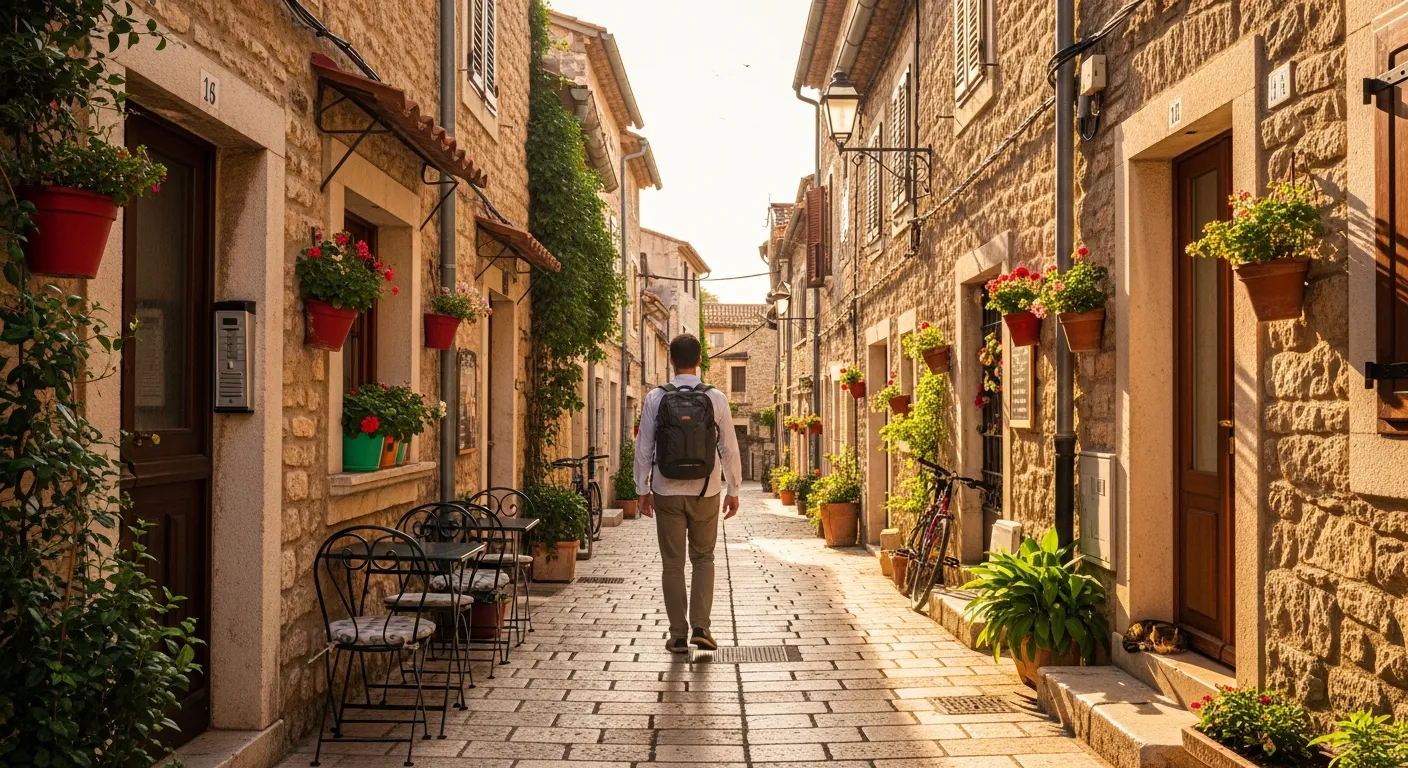
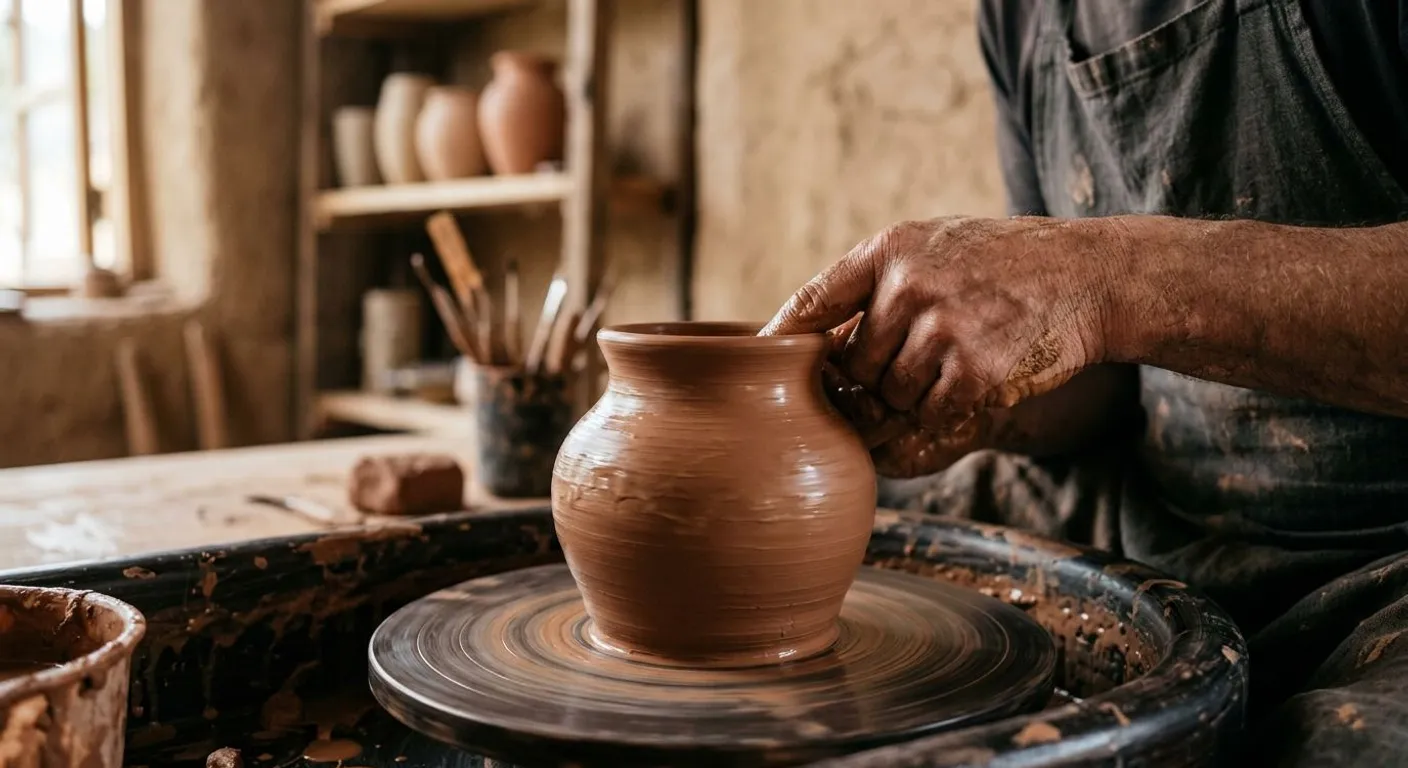
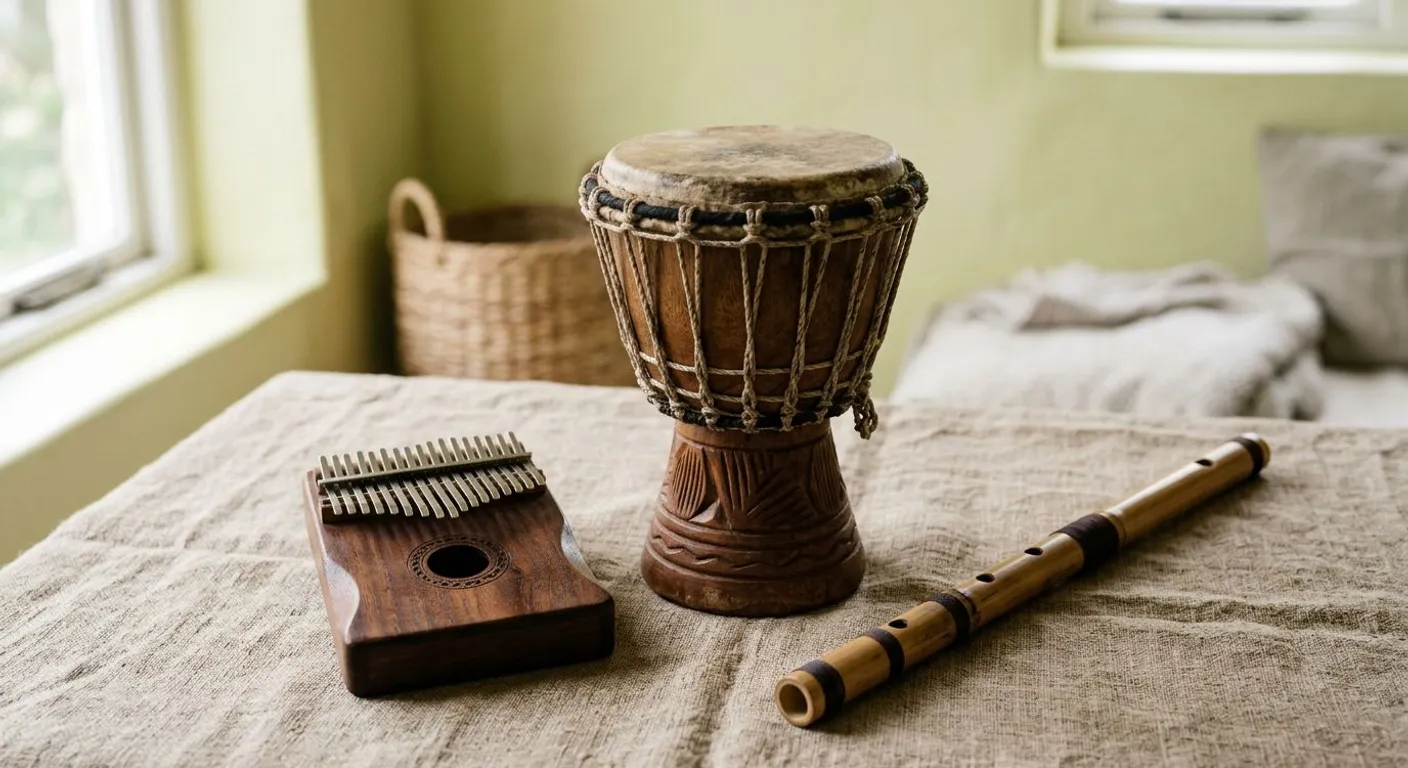
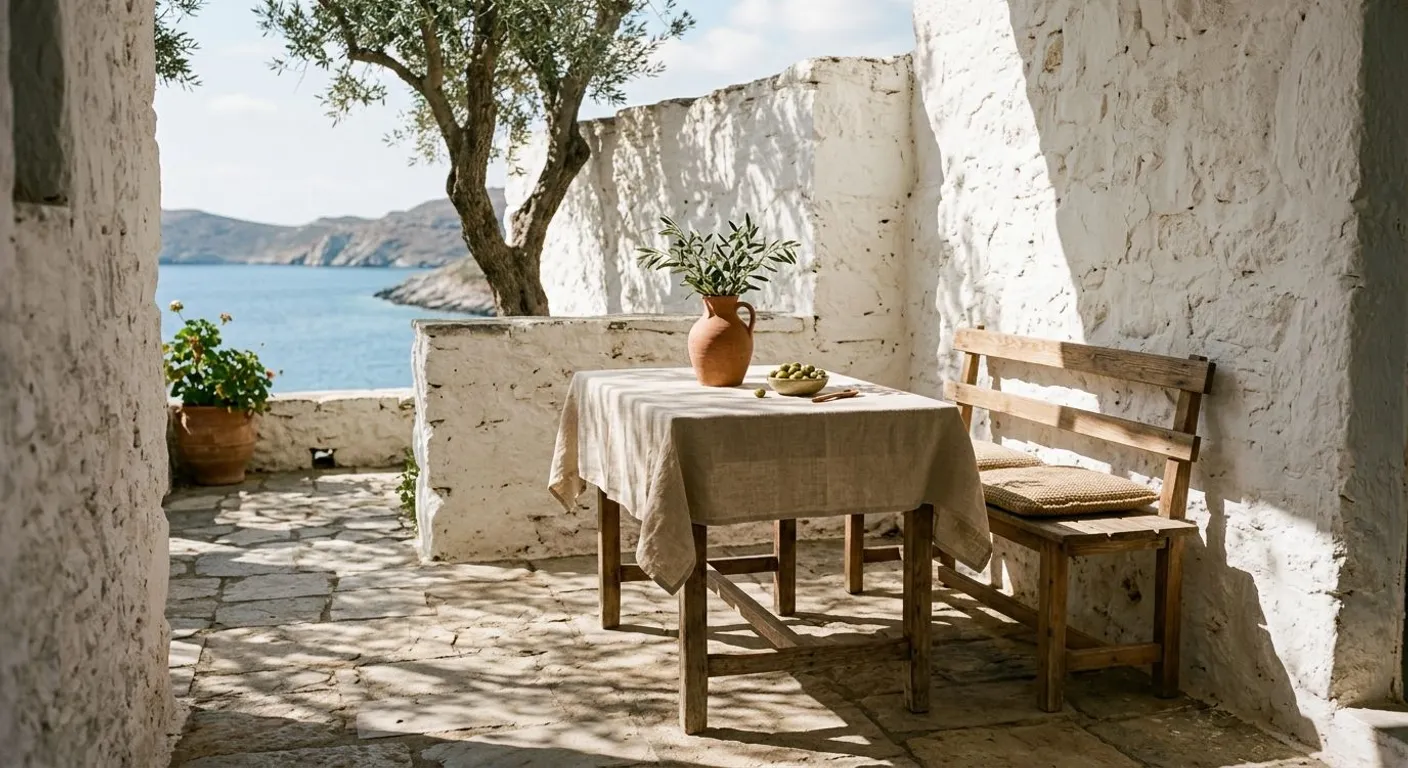
The pace of modern life has also been reflected in our travel habits. Many of us have adopted a travel approach focused on seeing many places and completing our lists in limited time. However, this often results in a superficial experience, depriving us of the opportunity to form a genuine connection. This is precisely where the slow travel philosophy comes into play. This approach goes beyond merely traveling from one place to another, centering on deeply experiencing the journey itself, the life, and the culture of the destination.This article explains what slow travel is, why it has become so important, and how it intertwines with local experience tourism. It offers practical information and perspectives for those who wish to make more conscious, sustainable, and enriching journeys.## What is Slow Travel? A Journey Beyond SpeedSlow travel, as its name suggests, is a slower way of traveling. Instead of quickly visiting cities, museums, and tourist spots, it aims to stay longer in a destination, adapt to its rhythm, and become a part of local life. Its core principles are:* Deep Connection: Establishing a genuine bond with the culture, people, and nature of the visited place.* Authentic Experiences: Stepping outside tourist crowds to immerse oneself in the daily lives of locals and see the world through their eyes.* Sustainability: Being environmentally conscious, supporting the local economy, and acting with social responsibility.* Mindfulness: Savoring every moment of the journey, living in the present, and being open to new experiences.This philosophy re-evaluates not just the places to visit, but also the time spent there. Time spent unhurriedly in a destination, getting lost in its streets, spending hours in local cafes, or wandering through a village market, are among the most valuable components of slow travel.## Why Slow Travel? Problems of Fast Tourism and AlternativesToday's fast-paced approach to tourism brings with it certain problems. Overtourism can lead to the destruction of natural beauty and cultural heritage, may not provide the expected benefits to the local economy, or might only enrich specific sectors. Here are some of the solutions slow travel offers to these issues:* Reducing Environmental Impact: Fewer flights, smaller carbon footprint. Preference is given to local public transportation and eco-friendly accommodation options.* Supporting the Local Economy: Staying in local businesses instead of large hotel chains, eating at local restaurants, and shopping at handicraft markets ensures money directly reaches the local community.* Enhancing Cultural Understanding: Truly understanding a place's culture is only possible by living within that culture. Slow travel encourages this in-depth understanding.* Personal Growth: Interacting with new cultures, experiencing different ways of life, increases flexibility and adaptability. It also reduces the stress of fast-paced living, providing mental tranquility. Just as discussed in our article Simple Living with Wabi-Sabi Philosophy: The Aesthetics of Imperfection, this philosophy also represents a state of slowing down and acceptance.## Local Experience Tourism: Truly Connecting with a PlaceLocal experience tourism lies at the heart of the slow travel philosophy. This means not just seeing historical structures, but hearing their stories from a local, participating in a regional cooking class, or setting sail on a fishing boat. Let's explain with examples:* Local Cuisine Workshops: Preparing traditional dishes of a region together with a local chef or host.* Handicraft Workshops: Learning traditional crafts like ceramics, weaving, or woodworking from local artisans.* Participation in Village Life: Staying in a village home, helping with farm work, or attending local festivals.* Nature Walks and Explorations: Discovering natural beauties beyond popular trails with a guide who knows the region.* Market Visits: Wandering through local markets, tasting seasonal produce, and chatting with vendors.These experiences go beyond mere activities, adding depth and meaning to your travel memories. They help you understand the spirit of the place you visit, and perhaps when you return home, you can infuse this spirit into your living space by designing your interior with cultural objects brought back from your travels.## Tips for Embracing the Slow Travel PhilosophyStarting slow travel doesn't have to be daunting. You can embrace this philosophy with small steps:1. Focus on a Single Destination: Instead of visiting multiple cities or countries in a short time, plan to explore one region or city for a longer duration.2. Choose Your Accommodation Wisely: Consider options like guesthouses, locally-run boutique hotels, home rental platforms, or homestays instead of large hotels.3. Use Local Transportation: Opt for local transport methods like buses, trains, bicycles, or walking. This is both eco-friendly and allows you to observe local life more closely.4. Localize Your Dining Experiences: Try small, local eateries, family-run businesses, and street food instead of large restaurant chains. Shop at markets and prepare your own meals.5. Communicate with Locals: Learn a few basic local words, smile, and try to strike up conversations. The most authentic experiences often arise from these interactions.6. Be Flexible: Instead of sticking to a rigid schedule, make room for spontaneous discoveries and unexpected experiences.7. Do a Digital Detox: Put aside your phone and other devices to enjoy the moment and your surroundings. This helps clear your mind and truly relax.8. Slow Travel for Solo Travelers: If you're traveling alone, slow travel offers both a safe experience and an opportunity to form a deeper connection with yourself and your surroundings. You can combine the recommendations in our article Safe Route Planning for Solo Travel with slow travel principles.## Traditional Tourism vs. Slow Travel ComparisonLet's examine the fundamental differences between the two travel approaches in a table:| Feature | Traditional Tourism | Slow Travel Philosophy || :----------------- | :-------------------------------------------------------- | :----------------------------------------------------- || Pace/Tempo | Fast, scheduled, focused on seeing many places | Slow, open to exploration, focused on one place || Focus | Popular tourist spots, checklist completion | Cultural immersion, local life, personal connection || Accommodation | Large hotels, resorts | Local guesthouses, home rentals, boutique hotels || Transportation | Plane, tour buses, taxi | Public transport, bicycle, walking || Food | International chains, fast service | Local restaurants, markets, home-cooked meals || Impact | Superficial experience, potential environmental and cultural burden | In-depth experience, sustainable, contributes to local economy || Personal Experience | Stress, fatigue, unmet expectations | Rest, learning, personal growth, genuine connections |## Sustainability and Ethical DimensionSlow travel is not just a personal preference, but also an approach committed to sustainable tourism and ethical values. It aims to reduce the damage caused by overtourism. It emphasizes respecting the cultures and traditions of local communities, interacting with locals on an equal footing, and not interfering with their way of life. In this way, the natural and cultural heritage of the visited place can be passed on to future generations, and tourism truly benefits the local population.## ConclusionThe slow travel philosophy and local experience tourism offer us an opportunity to rethink how we travel. Contrary to the "more, faster" mentality imposed by fast-paced consumer culture, it adopts a "less but deeper" approach. This is a journey that allows us to better understand not only the places we visit but also ourselves, nourishing our souls and enabling us to form more meaningful connections with the world. On your next trip, change your mindset, not just your route, and discover the magic of slowing down and local touches.
Frequently Asked Questions
What is slow travel?
Slow travel is a travel philosophy that moves away from speed, aiming to stay longer in a destination and deeply experience its culture and way of life.
What distinguishes slow travel from traditional tourism?
Slow travel focuses on staying longer in fewer places, interacting with locals, and having authentic experiences, rather than quickly seeing many tourist spots, which is typically the goal of traditional tourism.
How is local experience tourism related to slow travel?
Local experience tourism is a fundamental component of the slow travel philosophy. It allows for deep immersion into a destination's culture through activities like local cooking classes, handicraft workshops, or participation in local festivals.
Is slow travel more expensive?
Not always. Costs can be reduced through choices like long-term accommodation discounts, using local transportation, and shopping at local markets. Planning and flexibility create budget-friendly slow travel experiences.
What are the environmental benefits of slow travel?
It reduces the carbon footprint through fewer flights, use of local public transport, and support for local businesses, minimizing the negative impacts of overtourism on nature.
What should be considered when practicing slow travel?
Not rushing, focusing on a single region, communicating with locals, trying local foods, and doing a digital detox are important points that enrich the slow travel experience.
This content was researched and prepared by the İlgi Alanları editorial team and reviewed for accuracy and readability before publication. Information on health, finance and investment topics is general in nature and does not replace professional advice.