Ottoman Coffee Culture Reborn: A Modern Interpretation
Inherited from the Ottoman Empire, coffee culture holds a deep history and rich rituals. How can you adapt this deeply rooted tradition to today's modern life and create your own coffee ritual?
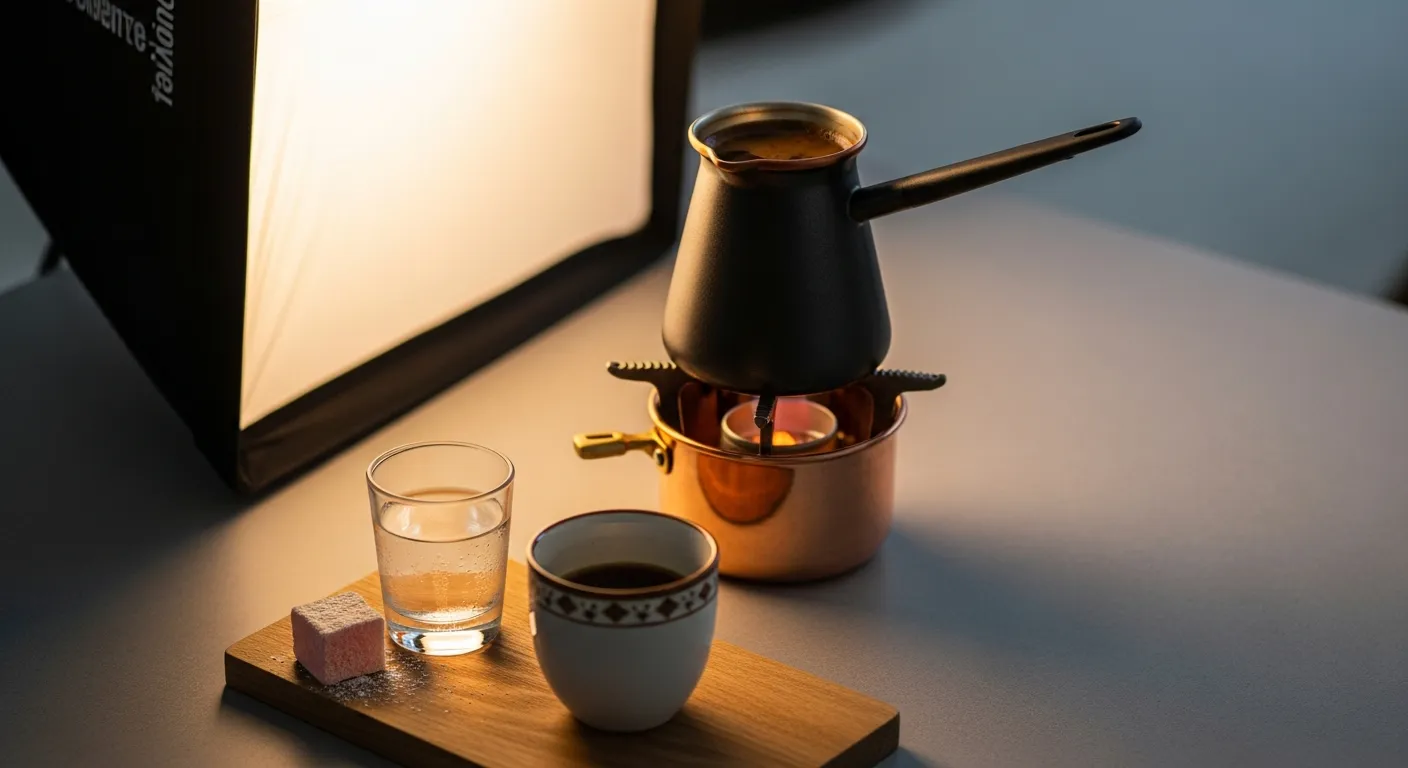
Ottoman coffee culture is far more than just a beverage; it's a profound form of socialization, a ritual, and even a philosophy. With its journey from palaces to public coffeehouses, conversations, stories, and shared moments woven around coffee have endured for centuries. So, how can we revive this rich heritage in the fast-paced modern world and create our own special coffee rituals?This article offers a guide, from understanding the foundation of Ottoman coffee tradition to blending it with contemporary aesthetics and lifestyle. With this approach, combining the traditional with the modern, you'll discover ways to make your coffee breaks more meaningful and enjoyable.## The Journey of Coffee from Origins to Today: Ottoman HeritageWhen coffee arrived in the Ottoman Empire in the 16th century, it quickly garnered immense interest. Initially spreading to the public through coffeehouses in Istanbul, coffee soon became central to social life. These venues were not merely places to drink coffee but also important public spaces where literature, politics, and gossip were discussed, and cultural exchange thrived. Coffee became an indispensable part of gathering, conversing, and sharing moments. The brewing method known as Turkish coffee, in particular, gained a unique place with its thick consistency and grounds, achieved by slowly cooking finely ground coffee in a cezve over low heat.Ottoman coffee service also involved a special ceremony. Guests were first offered water, then coffee, accompanied by Turkish delight or a sweet. This was not just a beverage presentation but an elaborate ritual demonstrating the value and hospitality extended to the guest. The aesthetics of the cups, trays, and cup holders completed the visual richness of this ritual.## Cornerstones of the Modern InterpretationToday, interpreting Ottoman coffee culture with a modern perspective means preserving the spirit of tradition while blending it with contemporary needs and aesthetics. This interpretation is based on several key principles:### Brewing Techniques and EquipmentModern kitchens and coffee experiences bring different interpretations to the traditional cezve. Of course, the traditional copper cezve remains the most authentic brewing tool. However, in a modern interpretation, more minimalist designs of these cezves or versions made from different materials like stainless steel may be preferred. The important thing is to maintain the brewing principle that requires patience and care, where finely ground coffee slowly meets water. * Grinding: Freshly ground coffee always yields the best results. With a modern touch, you can grind coffee beans yourself just before brewing, using manual hand grinders instead of electric coffee grinders. This maximizes fresh aromas and creates a preparation ritual.* Water Quality: Since 98% of coffee is water, the quality of the water directly affects the taste. Using purified or filtered water brings out the true potential of your coffee.* Heat Control: Traditionally, coffee is slowly cooked over low heat. Maintaining this control on modern stoves or special coffee makers helps the coffee release all its aroma without becoming bitter.### Minimalism and Aesthetics in PresentationOttoman coffee presentation has always been synonymous with elegance. In the modern interpretation, this elegance is combined with a minimalist aesthetic. Instead of heavily ornate trays, simple trays made from natural materials like wood or ceramic can be preferred. For cup selection, ergonomic cups with traditional motifs but more modern lines stand out. You can find how to balance cultural objects in your home in our article Interior Design with Cultural Objects: Add Soul and Story to Your Home. * Cup and Saucer: Modern designs of traditional porcelain cups or handmade ceramic cups add a personal touch to the presentation.* Water Glass: Water served alongside coffee is important for cleansing the palate and better appreciating the coffee's taste. A stylish, small water glass completes this presentation.* Turkish Delight/Chocolate: In addition to traditional Turkish delight, a modern and high-quality accompaniment like dark chocolate can also be preferred. The key is to enrich the presentation with simple and elegant details, without overdoing it.### Sustainability and Specialty BeansIn the modern world, sustainability and interest in product sourcing are growing. These principles also hold an important place in the modern interpretation of Ottoman coffee. Choosing high-quality, single-origin coffee beans from local roasters that adhere to fair trade principles not only enhances the flavor but also ensures ethical consumption. Learning about the origin of the beans adds depth to the coffee experience.### Slowing Down the Coffee Experience: The "Slow Coffee" ApproachOttoman coffee is, at its core, a ritual of slowing down. In the speed and complexity brought by modern life, the time dedicated to a cup of coffee can be a moment of respite, a meditation. This perfectly aligns with the 'slow coffee' philosophy, which is gaining popularity today. Instead of drinking coffee in a hurry, it's important to consciously experience every sip, starting from the brewing process, and savor the moment. This also aligns with approaches like Slow Travel Philosophy: Discovery Focused on Local Experiences, Away from Speed; it emphasizes the importance of slowing down and living in the moment in every aspect of life.This approach also bears similarities to the Wabi-Sabi Philosophy for Simple Living: The Aesthetics of Imperfection from Japan. Appreciating the texture of natural materials, the traces of handcraft, and the transience of the moment, instead of striving for perfection, will add deep meaning to your coffee ritual.## Traditional vs. Modern Ottoman Coffee: A ComparisonComparing the traditional and modern interpretations of Ottoman coffee culture highlights the strengths of both approaches:| Feature | Traditional Ottoman Coffee | Modern Interpreted Ottoman Coffee || :---------------- | :------------------------------------------------------- | :-------------------------------------------------------- || Brewing Method | Slow cooking in copper cezve over wood/charcoal fire | Slow cooking in copper/modern cezve with controlled heat || Grinding | Fine grinding in traditional stone mills | Fresh, fine grinding with hand grinders || Serving Utensils | Ornate silver/copper tray, gold/silver embroidered cup holder, porcelain cup | Simple wooden/ceramic tray, modern-designed porcelain/ceramic cup, minimalist holder || Accompaniments | Traditional Turkish delight, water | Specialty Turkish delight, dark chocolate, simple water glass || Purpose | Socialization, hosting guests, fortune-telling ritual | Meditative ritual, living in the moment, personal pleasure, quality experience || Setting | Coffeehouses, palaces, homes | Homes, boutique coffee shops, special gathering places || Philosophy | Richness, grandeur, social connection | Simplicity, conscious consumption, personal enjoyment, seizing the moment |## Create Your Own Modern Coffee RitualThe steps to creating your own Ottoman coffee ritual are quite simple:1. Choosing the Right Beans: Obtain fresh and high-quality Turkish coffee beans from a reliable local roaster. Preferably choose a single-origin, aromatic bean.2. Fresh Grinding: Grind your coffee finely, preferably with a hand grinder, just before brewing. This maximizes its aroma.3. Careful Brewing: Using a copper cezve or a modern-designed cezve, patiently cook your coffee over low heat. Don't forget to distribute the foam into the cup and wait for the grounds to settle.4. Simple Presentation: Choose a cup with modern lines and a simple saucer. Include a small water glass and a quality Turkish delight or dark chocolate on the side.5. Live in the Moment: Don't rush while sipping your coffee. Savor the moment, inhale its aroma, and try to discover the notes in its taste. This is more than just drinking coffee; it's a valuable break you dedicate to yourself.Ottoman coffee culture is a gift from the past. Integrating it into our modern lives offers more than just consuming a beverage; it means keeping a heritage alive and dedicating quality time to ourselves and our loved ones. With this cultural interpretation, your coffee breaks will become not just a necessity, but a ritual that nourishes your soul.
Frequently Asked Questions
Why is Ottoman coffee culture important?
Ottoman coffee culture became an important cultural heritage as coffee evolved from being merely a beverage to becoming the center of social life, literature, and conversation.
What does the modern interpretation of Ottoman coffee mean?
The modern interpretation refers to adapting traditional Turkish coffee brewing techniques to contemporary lifestyles, incorporating minimalist presentation, specialty beans from sustainable sources, and the 'slow coffee' philosophy.
Which equipment should be preferred for modern Ottoman coffee?
A copper or modern-designed cezve, a hand grinder, high-quality porcelain or ceramic cups, and a simple serving tray are suitable equipment for the modern interpretation.
How can I make the coffee experience more meditative?
You can make your coffee experience more meditative by brewing your coffee slowly, savoring each sip, consciously experiencing the moment, and not rushing.
Which beans should be preferred for Turkish coffee?
Medium-roasted, high-quality Arabica beans are ideal for Turkish coffee. Sourcing fresh beans from local, fair-trade compliant roasters enhances the flavor.
This content was researched and prepared by the İlgi Alanları editorial team and reviewed for accuracy and readability before publication. Information on health, finance and investment topics is general in nature and does not replace professional advice.