Transitioning to a Minimalist Home: First Steps and Guide to Decluttering
It's possible to transform your home into more than just a living space – a center of peace and tranquility. Transitioning to a minimalist life requires not just reducing possessions, but also a mental transformation and conscious choices. This guide will lead you on your decluttering journey.
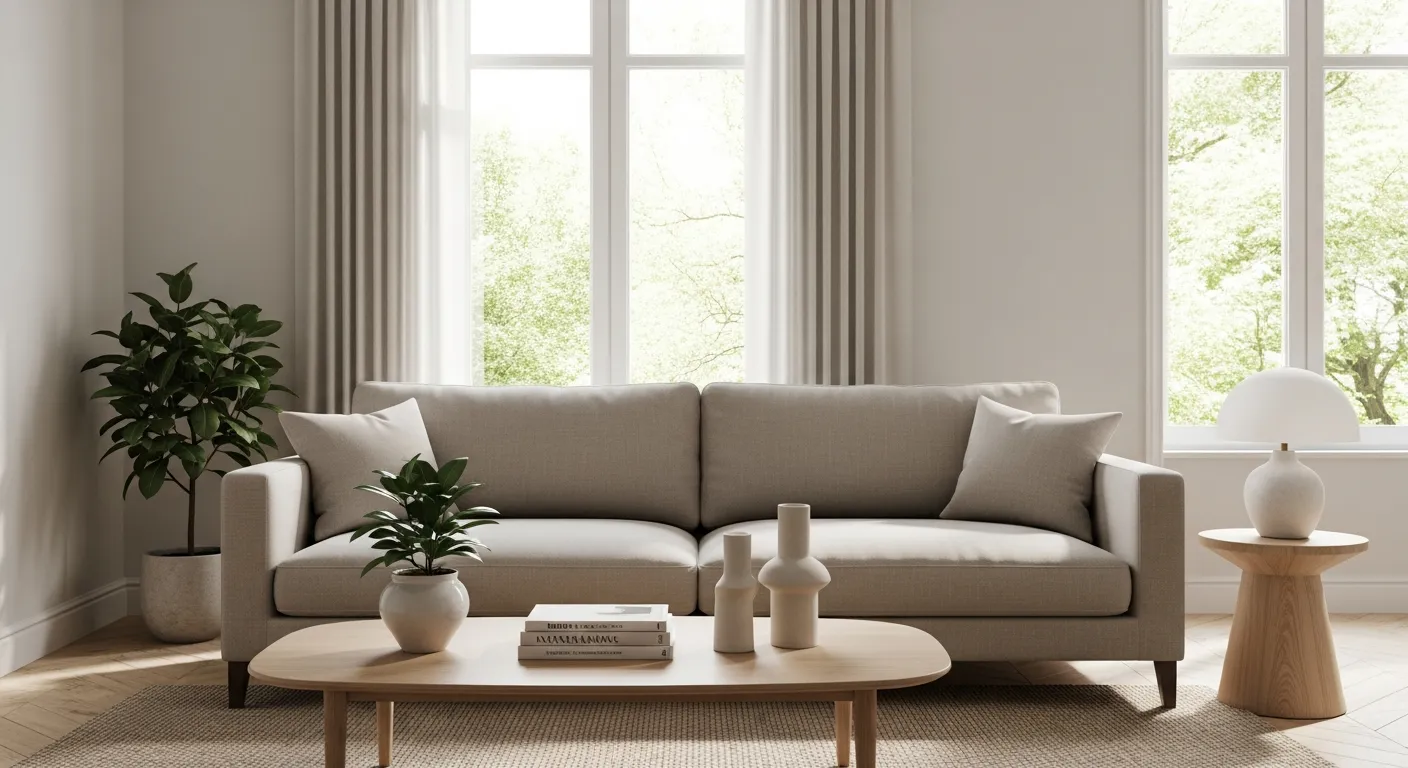
The possessions that surround our homes can sometimes become a burden. A minimalist lifestyle opens the doors to a more conscious, peaceful, and purpose-driven life by freeing us from this burden. Transitioning to a minimalist home is not an overnight change, but a step-by-step journey that requires patience and determination. Understanding what you need, decluttering excesses, and reorganizing your space are fundamental steps on this journey.
Understanding Minimalism: Decluttering as a Philosophy
Minimalism is not just about owning fewer possessions. Essentially, it's about focusing on what truly adds value to your life, eliminating excesses, and thereby gaining more mental clarity, time, and financial freedom. It's about breaking free from the consumer culture's urge to "have more" and embracing the principle of "having enough." This philosophy also encourages making conscious choices and reducing our environmental impact. Approaches like simple living with Wabi-Sabi philosophy also celebrate this simplicity and the aesthetics of imperfection. At this point, changing your perspective on your possessions forms the foundation of transitioning to a minimalist home.
Why Transition to a Minimalist Home?
- Reduced Stress: Less clutter means less mental noise.
- More Time: Fewer possessions mean less organizing, cleaning, and maintenance.
- Financial Freedom: Conscious shopping reduces unnecessary expenses.
- Environmental Sustainability: Less consumption alleviates pressure on natural resources.
- Increased Focus: More space and energy to focus on what truly matters.
Step 1: Mental Preparation and Taking Inventory
The first and most critical step in transitioning to a minimalist home is to mentally prepare for this change. Clarify why you are embarking on this path, what you want to achieve, and what this process will bring you.
Setting Goals
- What Kind of Minimalism? Do you want a completely empty home, or just a more organized and functional space? Your goal will be reflected in every corner of your home.
- What is Your Motivation? Less stress, more time, environmental consciousness? Use these motivations as reminders.
Assessing the Current Situation
Become aware of every item in your home. In which rooms do you feel there's an excess? Which items bring you joy, and which ones just take up space? This is an "inventory-taking" process. To begin, choose a small area (e.g., a drawer or a shelf) to avoid overwhelming yourself.
Step 2: Decluttering and Decision-Making Process
This is the most challenging but most rewarding part of the process. Your goal is to set aside the thought of "maybe I'll use it someday" and make decisions focused on functionality and value.
Decluttering Methods
Various decluttering methods can simplify this process:
- KonMari Method ("Does it Spark Joy?"): Developed by Japanese organizing expert Marie Kondo, this method involves holding each item and asking yourself if it sparks joy. If not, you thank it and let it go. Decluttering by categories (clothes, books, papers, etc.) makes the process more efficient.
- 80/20 Rule (Pareto Principle): This assumes that 20% of your possessions are used 80% of the time. This rule helps you identify the items you use most and evaluate the remaining 80%.
- One-Year Rule: Get rid of items you haven't used in the past year. Exceptions might include seasonal items or objects with very special memories.
Decision Categories
For each item, decide on one of these four categories:
- Keep: Items you truly need, love, and use regularly.
- Donate/Sell: Items in good condition that others might find useful. Online platforms for selling, local charities for donating are ideal.
- Recycle: Items that are unusable but made from recyclable materials.
- Trash: Items that cannot be used or recycled in any way.
Step 3: Space Organization and Room-Specific Approaches
Organizing what remains is just as important as decluttering. Each room should have its unique function and an arrangement suitable for those functions. Approaches like interior design with cultural objects can help you create meaningful and aesthetic spaces even with few possessions.
Sample Room Approaches
| Room Type | Focus | Key Tips |
|---|---|---|
| Living Room | Socializing, relaxation, entertainment | Avoid unnecessary decorative objects, choose functional furniture. |
| Bedroom | Rest, peace, personal space | Keep under the bed clear, minimize nightstands, organize clothes. |
| Kitchen | Meal preparation, storage | Keep only the utensils you use, clear the countertops. |
| Study/Office | Focus, productivity | Hide cables, reduce digital clutter, keep only essential materials. |
Smart Storage Solutions
In a minimalist home, storage solutions focus on reducing visual clutter. Keeping most items out of sight creates a more spacious feeling.
- Multi-Purpose Furniture: Beds or coffee tables with storage are both functional and space-saving.
- Vertical Space Utilization: Shelves and wall units help free up floor space.
- Hidden Storage: Cabinet interiors, drawers, and closed boxes keep items out of sight.
- A Place for Everything: When every item has an assigned place, maintaining order becomes easier.
Step 4: Developing New Habits and Sustainability
Transitioning to a minimalist home is not a one-time process; it is a continuous practice and the adoption of new habits.
Conscious Consumption
Before buying something, ask yourself these questions:
- Do I really need it?
- Does it have multiple functions?
- Is it high-quality and durable?
- Will it replace an existing item?
- Will it bring me joy?
Regular Decluttering Routine
Periodically (e.g., every six months), review the items in your home. This allows you to prevent new accumulations and re-evaluate your needs as your lifestyle changes.
Digital Minimalism
Just as physical clutter can tire our minds, so can digital clutter. Organizing your digital files, emails, and social media usage is an important part of the overall simplification process.
Creating a minimalist living space not only simplifies your home but also frees your mind and soul. With fewer possessions, you can have more experiences, more time, and more peace. Remember, this is not a race, but a process of finding the decluttering path that best suits you. To create a calm, nature-harmonious atmosphere in your home, you can also explore approaches like bring nature into your home: revitalize your living spaces with biophilic design. By following these steps with patience and determination, you can experience the tranquility and benefits of a minimalist home.
Frequently Asked Questions
Where should I start when transitioning to a minimalist home?
First, prepare mentally and take inventory of your possessions. Then, start with a small area and declutter your items using a method like KonMari.
Does minimalism only mean reducing possessions?
No, minimalism is not just about reducing possessions; it is also a philosophy of conscious consumption, mental clarity, and focusing on what is truly valuable in your life.
Which items should I discard, and which should I keep?
Keep items that bring you joy, that you use regularly, and that are functional. Get rid of items you haven't used in a year or that don't evoke a positive feeling.
How can I maintain order in a minimalist home?
Ensure every item has a designated place, use multi-purpose furniture, and implement a regular decluttering routine to prevent new accumulations.
What benefits does a minimalist lifestyle offer me?
It provides benefits such as reduced stress, more time, financial freedom, environmental sustainability, and increased focus on important things.
This content was researched and prepared by the İlgi Alanları editorial team and reviewed for accuracy and readability before publication. Information on health, finance and investment topics is general in nature and does not replace professional advice.