Interior Design with Cultural Objects: Add Soul and Story to Your Home
It's possible to transform your home from just a living space into a place with a story and a soul. Discover the limitless possibilities offered by interior design with cultural objects.
When furnishing our living spaces, acting solely on aesthetic concerns often leaves the space lacking soul. However, it is possible to add a personal touch to your home, filling it with memories, stories, and profound meanings. Interior design with cultural objects comes in precisely at this point. Instead of viewing your home as an exhibition space, you can transform it into a living gallery where each object carries a past, a geography, and the spirit of an artisan. This article details how cultural objects add character to spaces, what to consider when integrating them into your design, and how you can draw inspiration to create your own story.
What Are Cultural Objects and Why Are They Important?
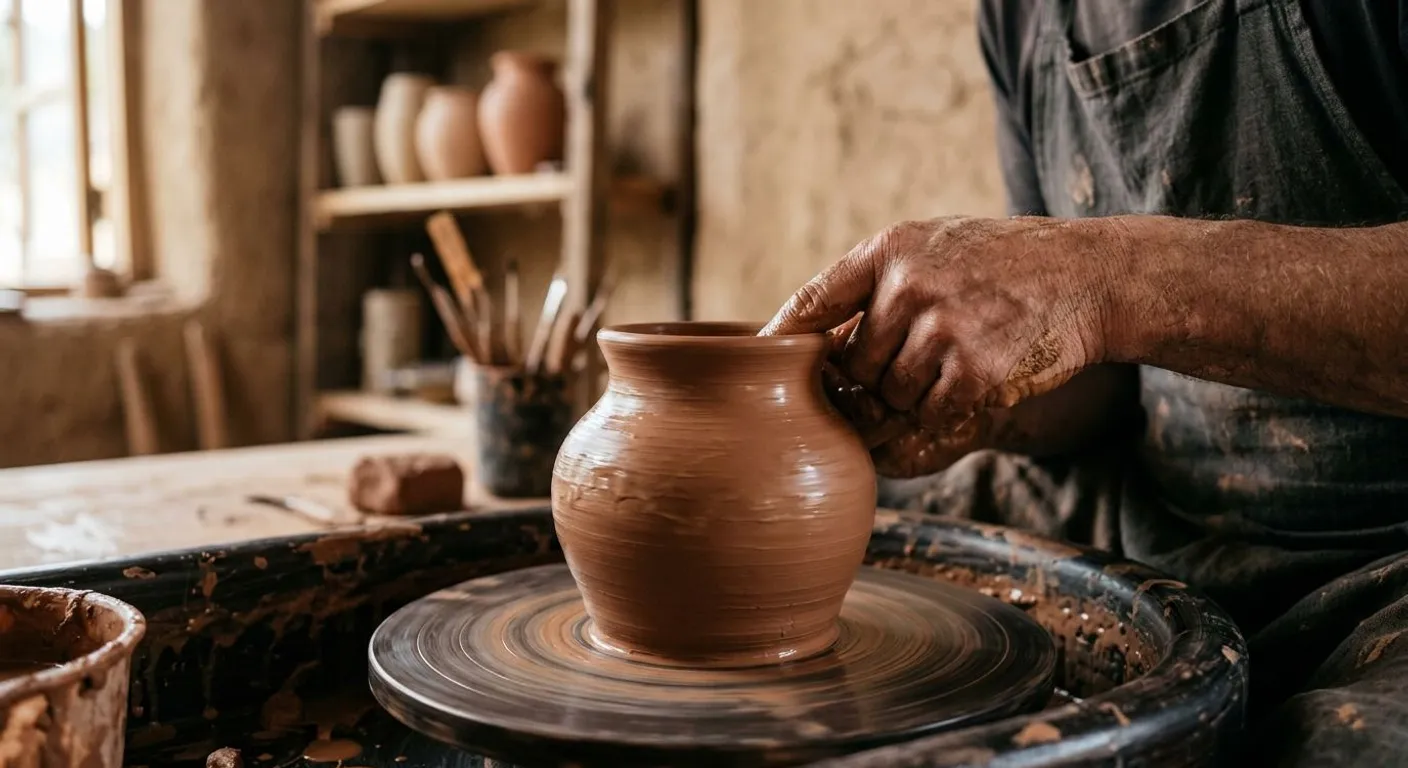
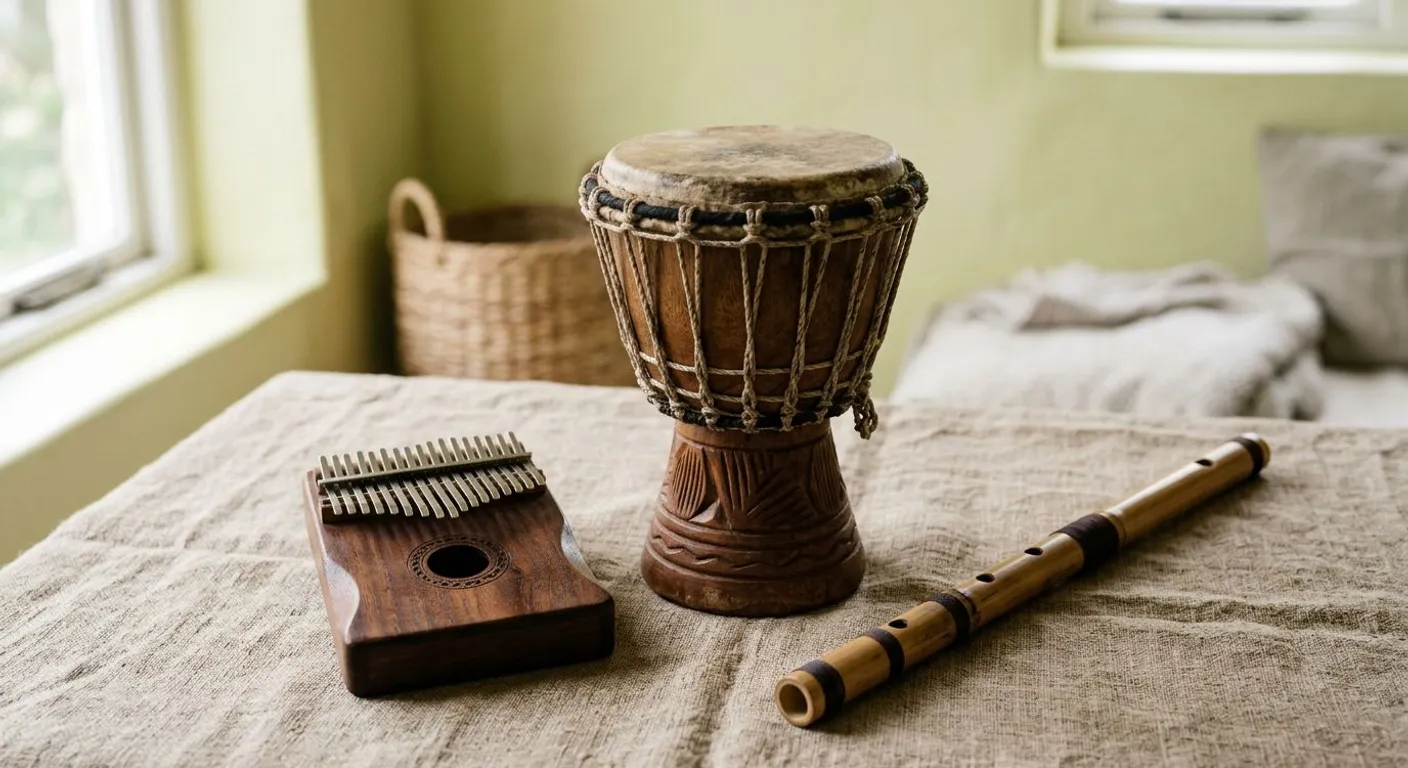
Cultural objects are items that reflect the artistic, artisanal, and traditional values of a specific geography, society, or era. Handmade ceramics, woven rugs, wood carvings, metalwork, traditional masks, or sculptures fall into this category. These objects are not merely decorative elements; they also represent a culture's way of life, beliefs, and aesthetic understanding. They serve as bridges from beyond time and space.
The importance of cultural objects in interior design can be examined in several dimensions:
- Storytelling: Each object holds a story within itself. Details such as where it was made, who made it, and what traditions it serves add depth and conversation-starting value to the space.
- Identity and Uniqueness: These objects give your living space a personal identity and a unique atmosphere. Unlike standard catalog products, they offer an inimitable and irreplaceable originality.
- Soul and Emotion: The space having a soul that is felt, beyond just visual integrity, is strengthened by cultural objects. They add warmth, intimacy, and a sense of belonging to the space.
- Sustainability and Ethics: Handmade and traditional objects can represent a more sustainable consumption model compared to mass-produced items. When sourced ethically, they support artisans and local economies.
- Global Awareness: Bringing works from different cultures into your home is a tribute to the diversity of the world and reflects a global awareness.
Fundamental Principles for Integrating Cultural Objects into Interior Design
When designing with cultural objects, it is important to pay attention to some fundamental principles that will highlight the objects' own beauty without disrupting the integrity of the space.
Balance and Harmony
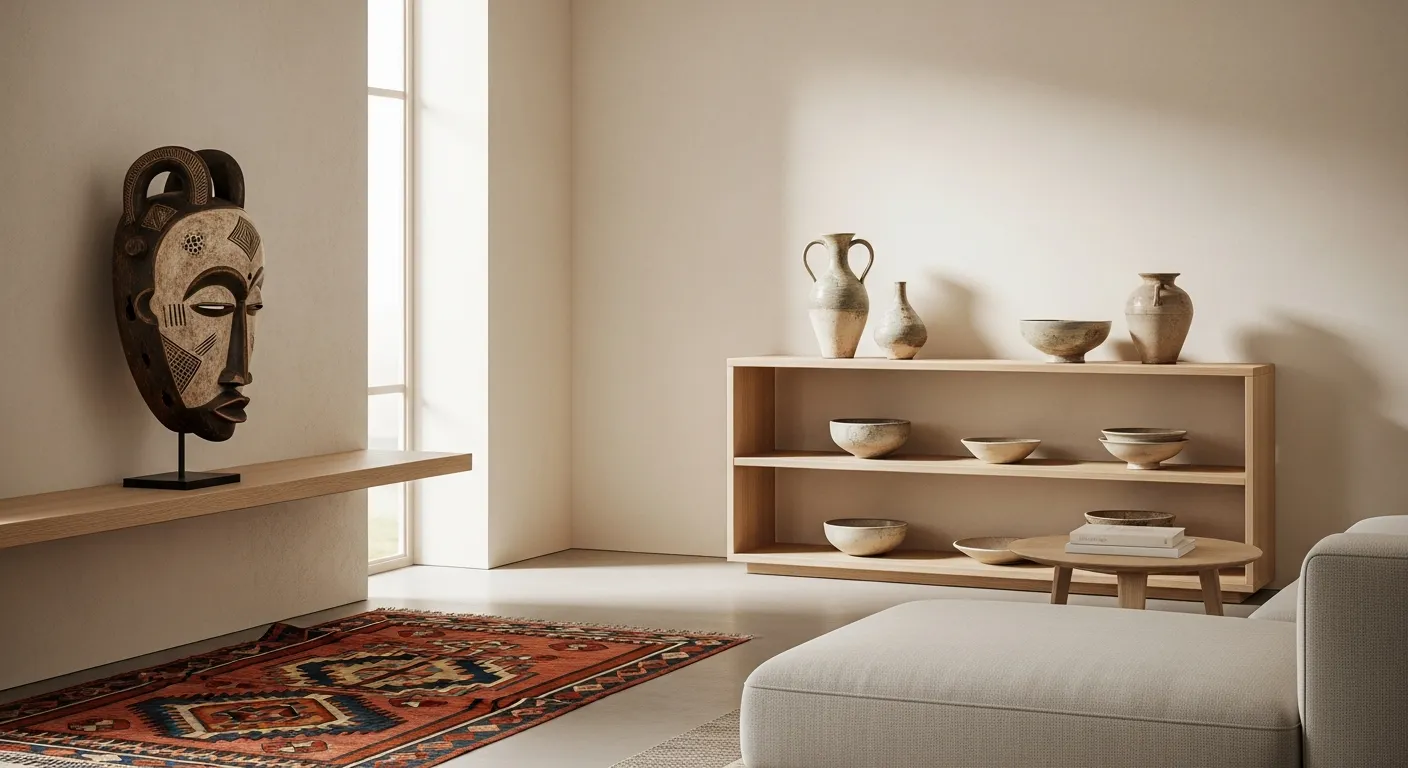
Instead of randomly grouping objects, it is important to create a sense of balance and harmony. Objects from different cultures can be used together, but they need to communicate with each other through a color palette, material texture, or thematic context. For example, African ceramics and Anatolian kilims in similar earthy tones, despite coming from different geographies, can create a cohesive look due to their harmony in color and natural texture.
Storytelling
Remember that every object has a story. When positioning objects, create an arrangement that supports this narrative. By making a specific object a focal point, you can enrich its story with other objects around it. Create small corners where you can converse with your guests about the objects.
Functionality
Cultural objects don't have to be merely decorative. Some can also be functional. For example, a handmade chest can be used for storage, an authentic stool can provide extra seating, or a traditional basket might be ideal for storing magazines or blankets. Both aesthetic and functional objects increase the practical value of the space.
Color and Texture Palette
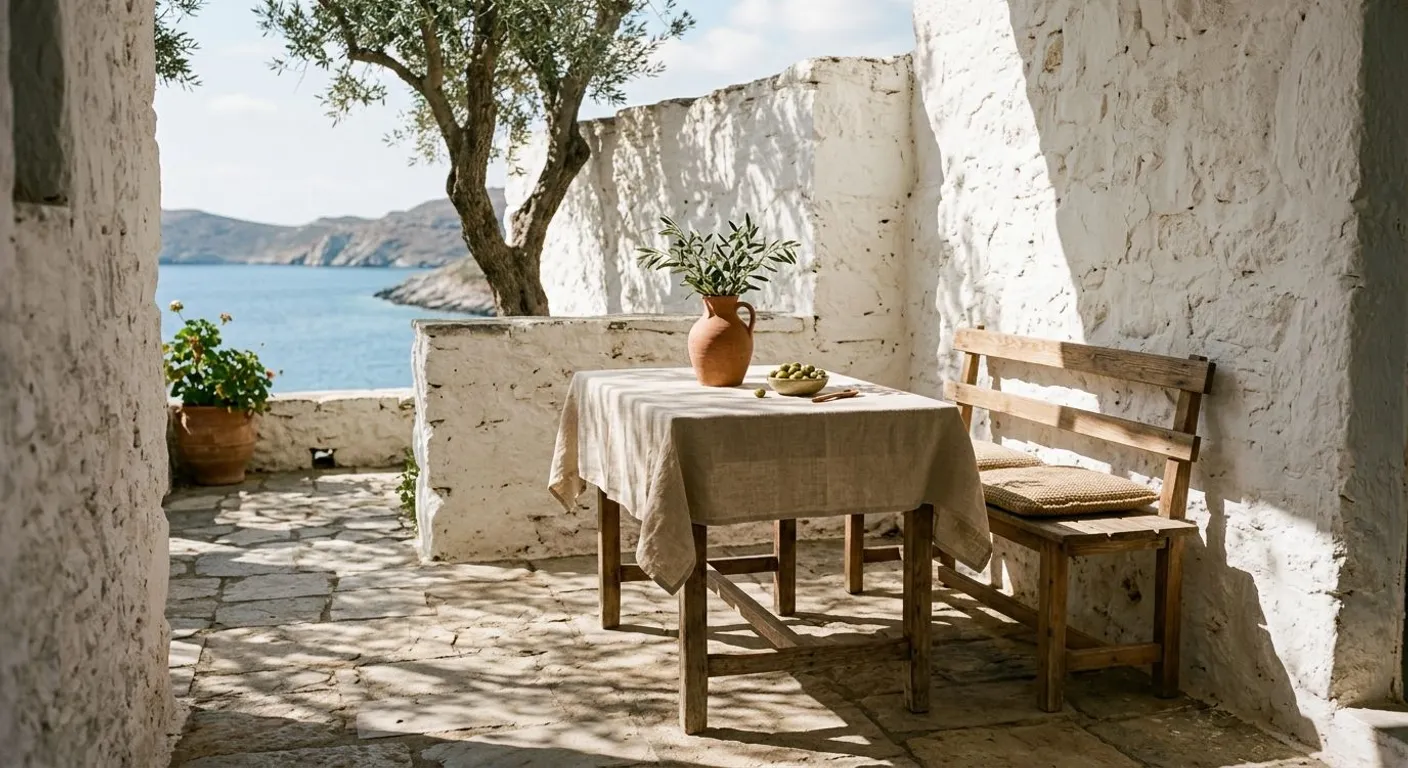
The colors and textures of the objects should be in harmony with the overall color and texture palette of the space. You can make a vibrant and bold object stand out by placing it against a more neutral background. Natural materials like wood, clay, and linen provide an excellent backdrop to emphasize the authenticity of cultural objects.
Integration with the Space
It is important for objects to integrate with the overall style of the space. When using traditional objects in a modern home, those with linear and simple forms can be preferred or displayed with a modern presentation. The goal is for the objects not to feel out of place, but rather to enrich the space.
Design Examples Inspired by Different Cultures
Cultures from around the world offer endless sources of inspiration for interior design:
- African Influences: Earth tones, geometric patterns, handmade masks, rugs, and sculptures are the signature of African culture. These objects add warmth, strong character, and natural texture to a space. Wooden objects, bamboo baskets, or clay pots create a rustic and authentic ambiance.
- Asian Zen: The minimalist and peaceful approaches of Japanese and Chinese cultures are characterized by natural materials (bamboo, rice paper, silk), clean lines, and balance. Buddha statues, Japanese ceramics, bonsai trees, or oriental artworks create a serene atmosphere.
- Anatolian and Middle Eastern Motifs: Hand-woven Turkish kilims, Persian rugs, copper engravings, Iznik tiles, and mother-of-pearl inlaid furniture reflect the richness of this region. Vibrant colors, intricate patterns, and masterfully crafted details give the space a magnificent and warm ambiance.
- Latin American Vibrancy: Mexico's colorful textiles, Peru's alpaca wool blankets, wood carvings, ceramics, and handmade baskets reflect the energy of Latin America. Vibrant color palettes and traditional motifs add a cheerful and dynamic touch to the space.
Considerations When Designing with Cultural Objects
Authenticity and Sourcing
The authenticity of objects and their origin are important. Choosing ethically sourced objects that support the artist or artisan adds value to the object's story and promotes a sustainable approach. Learning about the object's story, crafting techniques, and symbolic meanings, if any, strengthens your connection with the object.
Avoiding Overdoing It
Bringing too many cultural objects together can make a space look cluttered or like a museum. Fewer, carefully selected objects allow each one to better tell its own beauty and story. By adopting a minimalist approach, leaving empty spaces to highlight the objects enhances their impact.
Care and Preservation
Each cultural object has its unique care requirements. Wood carvings should be protected from moisture, textiles should not be exposed to direct sunlight, and ceramics should be cleaned carefully. By properly preserving your objects, you extend their lifespan and maintain their value.
Reflecting Your Own Culture
You don't have to choose objects only from exotic or distant cultures. Objects from your own cultural heritage can also add depth to your home's design. A family heirloom, a piece by a local artist, or a traditional object from your childhood can be one of the most personal and meaningful touches.
The Blend of Modern and Traditional: Contrast and Harmony
Modern interiors typically embrace minimalist lines, neutral colors, and simple forms. When designing with cultural objects, it's possible to cleverly integrate traditional elements without disrupting this modern aesthetic. A successful blend of modern and traditional adds a unique layer and visual interest to the space.
| Feature | Modern Integration | Traditional Integration |
|---|---|---|
| Approach | Creating contrast, establishing a focal point | Ensuring harmony, creating a holistic atmosphere |
| Effect | Dynamism, surprise, unique identity | Warmth, depth, historical connection |
| Color Palette | Vibrant objects on a neutral background | Tones harmonious with the object's colors |
| Space Arrangement | Empty spaces highlighting individual objects | Grouping objects to create a story |
| Example Object | African mask on a minimalist coffee table | Seating area covered with a kilim |
An authentic hand-woven kilim placed next to a modern sofa set, or a traditional ceramic plate displayed on a plain wall, adds visual richness without disturbing the balance of the space. The key is to find balance and ensure the objects complement each other.
Tips for Enriching Your Living Space with Cultural Objects
- Create a Focal Point: Make a large or striking cultural object (e.g., a sculpture, a large vase, or a piece of art) the focal point of the room. This enhances the object's power and shapes the overall perception of the space.
- Art Gallery Corner: Create a wall gallery by bringing together small objects or artworks. You can tell a visual story by combining frames of different sizes, masks, or small sculptures.
- Display Personal Collections: Showcase cultural objects you've brought from your travels or collected over time in a display cabinet, on open shelves, or on a special console. This keeps your memories alive and adds a personal touch to the space.
- Highlight with Lighting: Emphasize a special cultural object or corner with appropriate lighting. Spotlights or indirect lighting reveal the object's texture and details, making it appear more striking.
- Use Textiles: Traditional textiles (cushion covers, wall hangings, blankets) can instantly change the atmosphere of a space. With vibrant colors and patterns, you can add warmth and an ethnic feel to the room.
Furnishing our homes is not just about choosing furniture; it is also our way of expressing ourselves, displaying our memories, and connecting with the world. Interior design with cultural objects transforms this process into a much richer, more meaningful, and personal experience. Each object arrives like a whisper from the past, adorns the present, and leaves a legacy for the future. Transform your home with objects that reflect your own story, your own geography, and your own soul, giving it a truly belonging identity.
Frequently Asked Questions
What should I consider when buying cultural objects?
You should pay attention to the object's authenticity, materials, craftsmanship, and whether it has been ethically sourced. Additionally, learning about the object's story and cultural significance is important.
Can I use objects from different cultures together?
Yes, you can use objects from different cultures together. The key is to achieve harmony and balance within a common context, such as color, texture, or theme. It's important to be selective and avoid overdoing it.
Do cultural objects fit into modern homes?
Absolutely. Modern and minimalist designs can create an excellent backdrop for cultural objects to stand out. An authentic object displayed in a simple setting adds depth and character to the space.
How can I tell if objects are authentic?
Authentic objects often have imperfections, traces of handcraftsmanship, and natural material variations. Shopping from reputable sellers or directly from artisans is a more reliable way to ensure authenticity.
How should I display cultural objects in my home?
You can display objects by making them a focal point, grouping them on a special shelf or console, highlighting them with appropriate lighting, or creating wall galleries. An arrangement that suits the overall aesthetic of the space is important.
This content was researched and prepared by the İlgi Alanları editorial team and reviewed for accuracy and readability before publication. Information on health, finance and investment topics is general in nature and does not replace professional advice.