Far Eastern Tea Ceremony Sets: Rituals Where Peace and Aesthetics Meet
The ancient tea cultures of the Far East offer more than just a beverage: they present a ritual, a philosophy. These special sets are key to bringing peace and aesthetics into daily life.
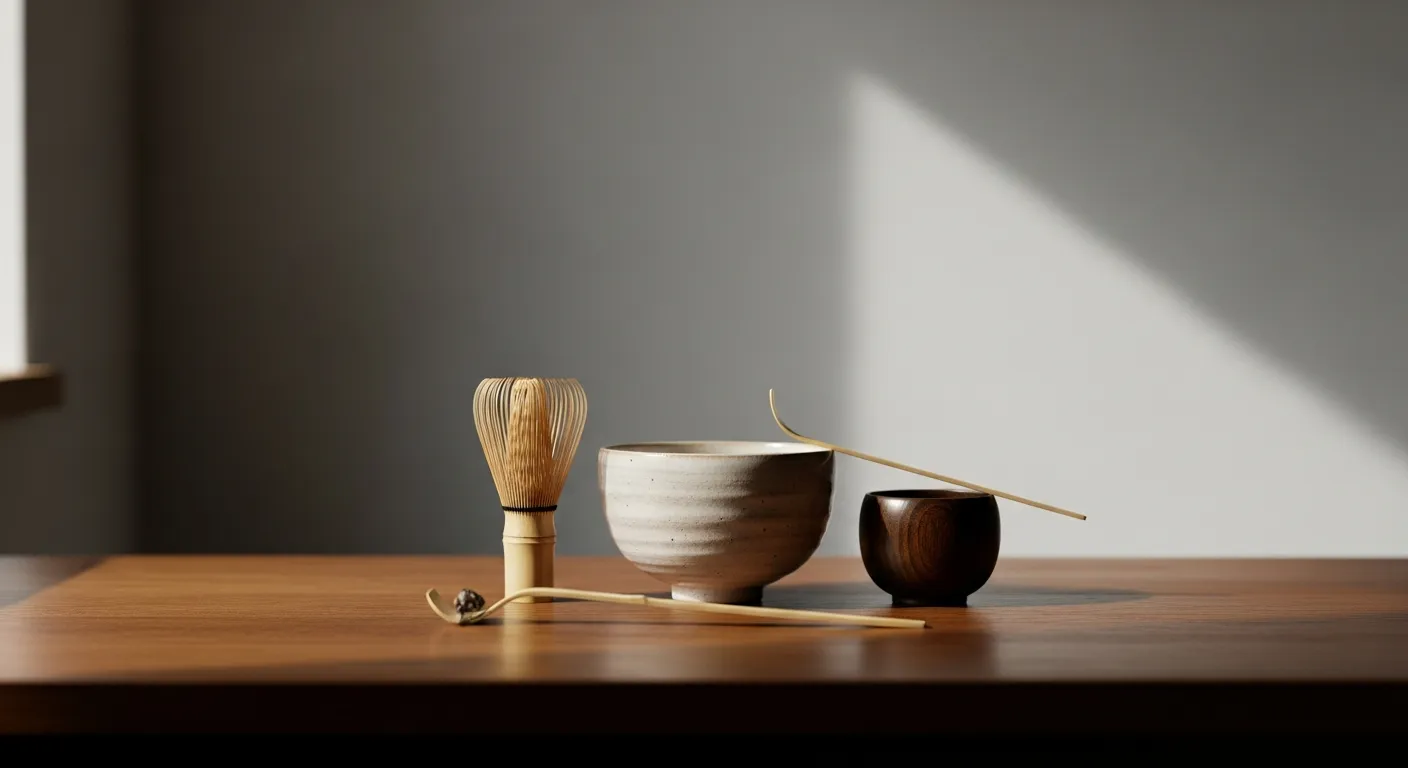
The Far Eastern tea ceremony is not merely about brewing and drinking tea; it is an art form, a philosophy, and a meditation practice. Each ritual, shaped by centuries-old traditions, offers a profound experience centered on attention, respect, and aesthetics. At the heart of this experience are specially designed tea ceremony sets, which reflect the spirit of the ceremony.This article focuses on the main tea cultures of the Far East, explaining the unique components of Japanese, Chinese, and Korean tea ceremony sets, their cultural meanings, and how to choose a set that suits you. By acquiring this knowledge, you can create a serene ritual in your own home, embark on a cultural journey, and explore the profound world of tea.## The Philosophy of Far Eastern Tea CeremonyIn the Far East, the tea ceremony, contrary to the fast-paced life, represents a philosophy that encourages seizing the moment and simplifying. Especially the Wabi-Sabi philosophy in Japanese culture has deeply permeated the tea ceremony. This aesthetic understanding, which celebrates the beauty of imperfection and transience, manifests itself in the design of tea sets and the ceremony itself. Gongfu Cha in China aims to bring out the best flavor and aroma of tea, while also embodying values of friendship and hospitality. Darye in Korea, on the other hand, is built upon naturalness, simplicity, and harmony.The tea ceremony teaches participants to calm their minds, clear away distractions, and focus on every movement during the preparation and presentation of tea. This is a powerful tool for escaping the stress of daily life and finding inner peace. For those interested in philosophies of simple living, our article Simple Living with Wabi-Sabi Philosophy: The Aesthetics of Imperfection can offer a deeper look into this topic.## Japanese Tea Ceremony (Chanoyu) SetsThe Japanese tea ceremony is known as Chanoyu or Chado and typically focuses on the use of matcha (powdered green tea). The sets for this ceremony reflect a delicate balance between functionality and aesthetics. Each piece has a specific role that contributes to the ceremony:* Chawan (Tea Bowl): This is the most important piece used for whisking and drinking matcha. It is usually made of ceramic, handcrafted, and features simple, natural colors and textures reflecting Wabi-Sabi aesthetics. Each chawan is unique.* Chasen (Bamboo Whisk): Used to mix matcha with hot water to achieve a frothy consistency. It is typically carved from a single piece of bamboo and has fine prongs.* Chashaku (Bamboo Scoop): Used to transfer matcha powder into the chawan. It is also made of bamboo, an elegant and slender scoop.* Natsume (Tea Caddy): A small, lacquered or ceramic container used to store matcha powder.* Kensui (Waste Water Bowl): Used to discard the water from rinsing the chawan.* Fukin (Cloth) and Chakin (Linen Cloth): Special cloths used to clean the utensils during the ceremony.Japanese tea sets are generally designed with calm tones, natural materials, and a minimalist approach. This supports the serene and meditative atmosphere of the ceremony.## Chinese Tea Ceremony (Gongfu Cha) SetsThe Gongfu Cha (tea prepared with skill) ceremony in China aims to bring out the best aroma and taste of tea. This ceremony can have more pieces than the Japanese ceremony and is optimized for different types of tea (especially Oolong, Pu-erh, and some green teas):* Yixing Teapot or Gaiwan: This is the heart of Gongfu Cha. Yixing teapots are made from a special clay and absorb the tea's flavor over time, which enhances the teapot's character. A Gaiwan, on the other hand, is a porcelain vessel with a lid, bowl, and saucer, ideal for exploring different notes of the tea with each brew.* Tea Cups (Cha Bei): Typically small in size and thin-walled, designed to intensely experience the tea's aroma and taste.* Serving Tray/Tea Tray (Cha Pan): Used to collect spilled water during the ceremony and provides an aesthetic presentation for the entire set. It is usually made of bamboo, wood, or stone.* Tea Tongs/Pliers (Cha Jia) and Tea Scoop (Cha Shao): Used for delicate operations such as transferring tea leaves to the teapot, holding hot cups, or removing leaves from the teapot.* Aroma Cup (Wen Xiang Bei): A slender, tall cup found in some Gongfu Cha sets, used for smelling the tea's aroma.Chinese tea sets are produced with various materials such as the elegance of porcelain, the warmth of Yixing clay, or the transparency of glass. Their aesthetics can be more ornate, detailed, or colorful compared to Japanese sets.## Korean Tea Ceremony (Darye) SetsThe Korean tea ceremony, Darye, is based on principles of simplicity, naturalness, and harmony. It can be less ritualistic than Japanese and Chinese ceremonies and is more integrated into daily life. Korean tea sets also reflect this simplicity:* Teapot (Dajeon): Typically made of ceramic or porcelain, with a simple and elegant design. It is usually small and functional.* Tea Cups (Jan): Feature designs that provide a simple and comfortable grip.* Cooling Water Bowl (Sookwoo): Used to bring boiling water to a temperature that won't scorch the tea leaves.Korean tea sets often feature earthy tones, handcrafted ceramics, and minimalist forms. They reflect the beauty and simplicity of nature.## Considerations When Choosing a Tea Ceremony SetWhen acquiring a Far Eastern tea ceremony set, your personal taste and intended use should be paramount. Here are some important points:* Cultural Context: Which type of ceremony appeals to you most? Japan's meditative matcha rituals, China's detailed Gongfu Cha, or Korea's simple Darye? This will determine the type of set you choose.* Material Quality and Craftsmanship: The material of the set (ceramic, porcelain, bamboo, clay) and its craftsmanship are important for both aesthetics and durability. Handcrafted sets generally offer a more authentic experience.* Aesthetics and Design: The overall appearance of the set should be compatible with your home decor or personal taste. Do you prefer minimalist and natural tones, or more colorful and detailed designs?* Intended Use: Will you use the set purely for decoration, or genuinely for performing tea ceremonies? If you're buying it for an actual ceremony, ensure all necessary pieces are complete.* Budget: Tea ceremony sets have a wide price range. Options range from affordable beginner sets to rare and highly artistic pieces.* Cleaning and Maintenance: The set should be easy to maintain. Some special materials, especially Yixing teapots, require specific care.If you enjoy enriching your home environment with cultural objects, these sets can perfectly complement the tips in our article Interior Design with Cultural Objects: Add Soul and Story to Your Home.## Different Tea Ceremony Sets: Japanese vs. ChineseLet's examine the fundamental differences between the two main Far Eastern tea ceremony traditions, Japanese Chanoyu and Chinese Gongfu Cha, in a table:| Feature | Japanese (Chanoyu) | Chinese (Gongfu Cha) || :----------------- | :-------------------------------------------- | :---------------------------------------------------- || Primary Purpose | Meditation, simplicity, mindfulness | Discovering the best flavor and aroma of tea || Focused Tea Type | Matcha (powdered green tea) | Oolong, Pu-erh, Green, White Teas || Main Brewing Tool | Chawan (tea bowl) | Yixing Teapot or Gaiwan || Aesthetics | Wabi-Sabi, natural, minimalist, asymmetrical | Detailed, artistic, functional, symmetrical or organic || Typical Number of Pieces | Fewer (varies by focus) | More (teapot, cups, tray, specialized tools) || Preparation Philosophy | Precision and ritual of every movement | Extracting tea's layers through multiple, short infusions |## Basic Steps in Practicing a Tea CeremonyWhichever ceremony you prefer, the basic steps are generally similar and built upon simplicity and mindfulness:1. Preparation of Space and Mind: Choose a calm, tidy space. Clear your mind of daily worries.2. Cleaning and Arranging Utensils: Carefully clean your set and arrange it according to the flow of the ceremony. This marks the beginning of the ritual.3. Brewing the Tea: Heat the water and brew the tea according to your chosen tea type and ceremony. Make every movement consciously.4. Serving and Consumption: Serve the tea slowly and respectfully. Savor each sip, feeling the tea's aroma and texture. This is an experience more than just a beverage.5. Calmness and Mindfulness: Do not rush throughout the ceremony. Enjoy every moment and experience the peace the ritual offers you.The tea ceremony is not just an act of preparing a beverage, but also an opportunity to focus on yourself and the present moment. Experiencing these rituals at home will add serenity and a cultural touch to your daily routine. By choosing your own Far Eastern tea ceremony set, you can become a part of this ancient tradition and acquire a soul-nourishing hobby. This can also be a beautiful part of your journey towards transitioning to a minimalist home and simplifying.
Frequently Asked Questions
What is a Far Eastern tea ceremony set?
A Far Eastern tea ceremony set is a collection of special teapots, cups, and auxiliary tools used to perform traditional tea rituals in cultures such as Japanese, Chinese, or Korean.
What are the differences between Japanese and Chinese tea ceremony sets?
Japanese (Chanoyu) sets are typically matcha-focused, more minimalist, and include pieces like a chawan and chasen. Chinese (Gongfu Cha) sets, on the other hand, are usually designed for teas like oolong or pu-erh, and include a Yixing teapot or Gaiwan, small cups, and more auxiliary tools.
What should I consider when choosing a Far Eastern tea ceremony set?
You should consider the type of cultural ceremony you will use the set for, the quality of the materials, the design aesthetics, your intended use (decoration or ritual), and your budget.
Is it necessary to buy a set that includes all pieces to perform a tea ceremony?
No, you can start with basic pieces or acquire the most important tools of the culture that interests you. You can complete your set over time.
How are tea ceremony sets maintained?
Rinsing with hot water and gently drying is usually sufficient. Some special clay teapots (like Yixing) should be cleaned with water only, without soap, and require special care to absorb the tea's aroma over time.
This content was researched and prepared by the İlgi Alanları editorial team and reviewed for accuracy and readability before publication. Information on health, finance and investment topics is general in nature and does not replace professional advice.