Safe Route Planning for Solo Travel: A Comprehensive Guide
While solo travel opens doors to individual freedom and exploration, safety concerns are central to planning. This guide details practical ways to create safe routes and essential considerations for solo travelers.
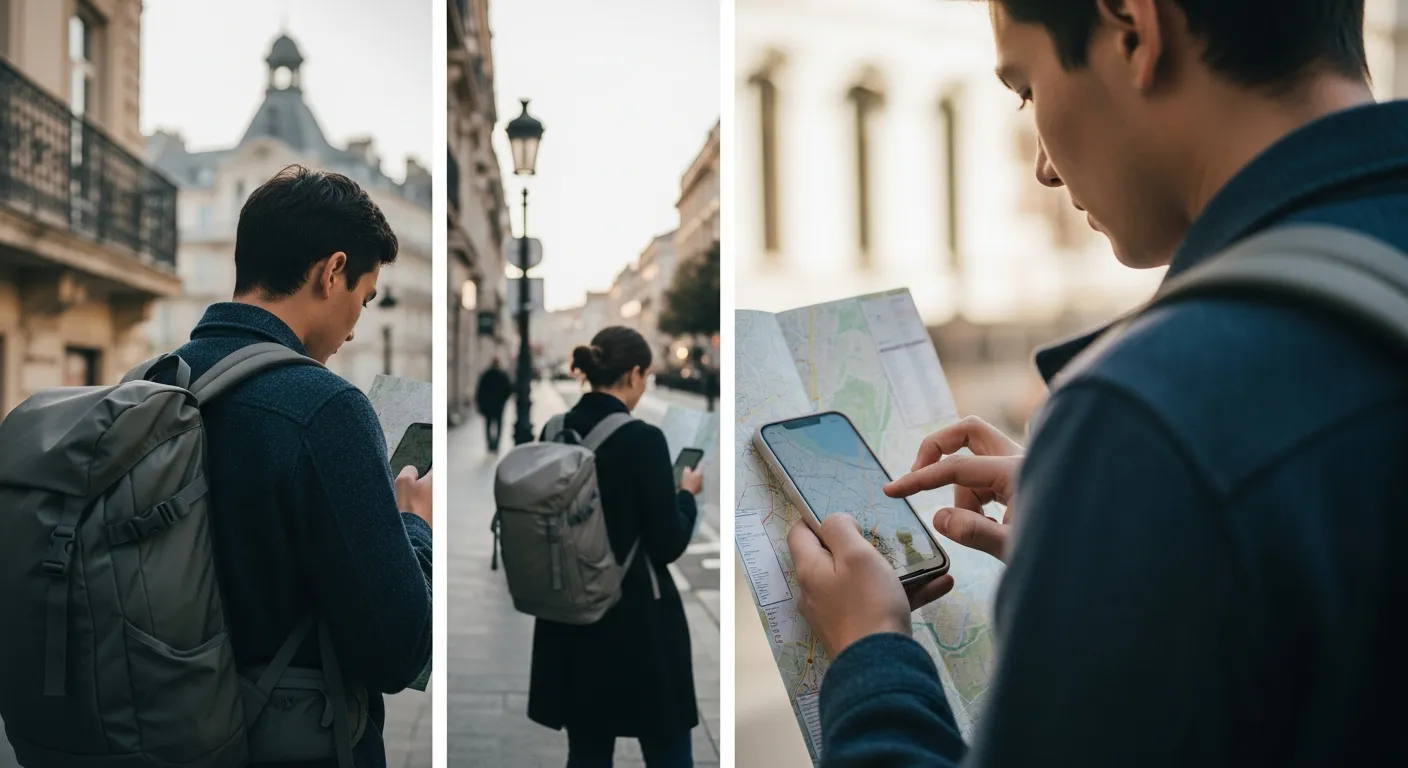
Solo travel offers a unique opportunity for both personal growth and learning about the world. However, to fully enjoy this experience, safety precautions must be prioritized. Safe route planning is not just a preference but a necessity for solo travelers. This article explains step-by-step how to create a safer travel experience on your solo journeys.## Comprehensive Pre-Trip ResearchThe foundation of a successful and safe solo trip is detailed and comprehensive preliminary research. The more information you have about your destination, the better you can manage potential risks.### Destination Selection and Risk AssessmentWhen choosing a destination, consider not only the places you want to see but also the safety situation of that region. Crime rates, especially crimes targeting tourists (pickpocketing, scams), provide important clues about the general safety of your destination. Gather information from sources like online forums, travel blogs, and government travel advisories.* Local Culture and Customs: Understanding the cultural norms of your destination prevents misunderstandings and potential dangers. For example, dress codes or certain behaviors might draw unwanted attention in some countries. There might be cultural sensitivities that female travelers, in particular, need to be aware of.* Political and Social Situation: Be informed about the current political stability, protests, or social unrest in the country you are visiting. Staying away from unsafe areas ensures a peaceful journey.* Natural Disaster Risk: It is important to gather information in advance and take necessary precautions for regions prone to natural disaster risks such as floods, earthquakes, or storms, especially during certain seasons.### Local Transportation and Accommodation AnalysisAccommodation and transportation are critically important for safety in solo travel. You can reduce risks by making your reservations in advance and choosing reliable providers.* Accommodation: When choosing your accommodation, carefully review the comments. Feedback from other solo travelers regarding safety is particularly valuable. Opt for hotels or guesthouses located in central, well-lit, and easily accessible areas. If staying in a hostel, consider female-only rooms or higher-security options.* Transportation: Plan in advance how you will get from the airport or bus station to your hotel upon arrival. Use licensed taxis or reliable app-based ride services. If using public transport, learn the routes and final stops beforehand, and especially avoid public transport alone late at night.### Communication and Emergency PlanAlways have a communication plan and be prepared for emergency scenarios.* Local SIM Card or eSIM: Getting a local SIM card or using an eSIM is a smart solution to maintain communication throughout your trip. This way, you can access maps, communicate, and call for help in emergencies.* Emergency Numbers: Save the emergency numbers (police, ambulance, fire department) of your destination country to your phone. Also, keep the contact information for your country's embassy or consulate.* Travel Insurance: Comprehensive travel insurance provides financial security in cases of unexpected health issues, theft, or trip cancellations. Read the policy details carefully and understand what is covered.* Copies of Important Documents: Store digital copies of your passport, visa, insurance policy, and flight tickets in cloud storage services, and carry physical copies with you (in a separate location). Share these copies with your family or a trusted friend.## Route Creation and DetailingWhen planning your daily routes, be flexible but conscious. While spontaneity is great, having a framework in solo travel enhances safety.### Daily Scheduling and FlexibilityOutline your daily schedule. Planning which areas you will visit, when, and how you will get there reduces the unknown. However, always allow for flexibility. If a place feels less safe than you expected, do not hesitate to change your plans.* Crowded Places: Exploring crowded tourist areas during the day is generally safer. However, crowds can also increase the risk of pickpocketing; be mindful of your belongings.* Nighttime: Avoid walking alone late at night. Especially stay away from deserted or poorly lit streets. If you need to go out at night, opt for reliable taxis or ride-hailing apps.### Alternative Route PlansAlways have a Plan B. Identify another place you can go if a location is closed, the weather is bad, or you don't feel comfortable. This reduces indecision and allows you to make quick decisions in stressful moments.### Technology-Backed Safety SolutionsSmartphones are powerful safety tools for solo travelers.* GPS and Offline Maps: Download maps in advance to use apps like Google Maps or Maps.me offline. This way, you can find your way even without an internet connection.* Safety Apps: Some apps automatically send your location to designated contacts in emergencies or can generate fake calls to help you escape uncomfortable situations.* Virtual Private Network (VPN): Use a VPN to protect your personal data when using public Wi-Fi networks. This reduces the risk of phishing and data theft.## Enhancing Safety During Your TripPractical steps you take during your trip are as important as planning.### Personal Belongings and Valuables ManagementAct smartly to keep your valuables safe.* Less is More: Carry only what you truly need. Overly valuable jewelry or expensive electronics can draw unnecessary attention.* Hidden Wallets and Compartments: Use a hidden wallet or secret compartments sewn into your clothing for your passport, extra cash, and credit cards. Avoid keeping everything in one place.* Be Vigilant: In crowded places, hold your bag in front of you and keep zippers closed. Be aware of your surroundings when using your phone or camera.### Environmental Awareness and Using Your IntuitionDevelop awareness of what's happening around you. Your intuition is your best guide when traveling alone. If a place or situation feels unsafe, do not hesitate to remove yourself from it.* Eye Contact: Project a confident and self-assured demeanor. Making eye contact can reduce your likelihood of being targeted.
Frequently Asked Questions
What should I consider when choosing accommodation for solo travel?
Opt for hotels or hostels with high ratings, located in central and well-lit areas, especially those offering female-only rooms. Always read safety reviews before booking.
Which transportation methods are safer for solo travelers?
Pre-booked, licensed taxis or popular, reliable app-based ride services (like Uber, Bolt) are the safest options. Use public transport during daylight hours and only when familiar with the routes.
How can I keep my belongings safe while traveling alone?
Carry minimal valuables, keep your passport and some cash in a hidden wallet or a secret compartment in your clothing. In crowded places, hold your bag in front of you and ensure zippers are closed.
Who should I contact in an emergency?
Save the local emergency numbers (police, ambulance) of your destination country and the contact information for your country's embassy/consulate on your phone. Stay in regular communication with family or a close friend and share your travel plans.
What should I do if I get lost while traveling alone?
Try to find your way using offline maps you've downloaded in advance (Google Maps, Maps.me). Enter a reliable local business (cafe, shop) to ask for help or get directions from someone you feel safe with.
This content was researched and prepared by the İlgi Alanları editorial team and reviewed for accuracy and readability before publication. Information on health, finance and investment topics is general in nature and does not replace professional advice.