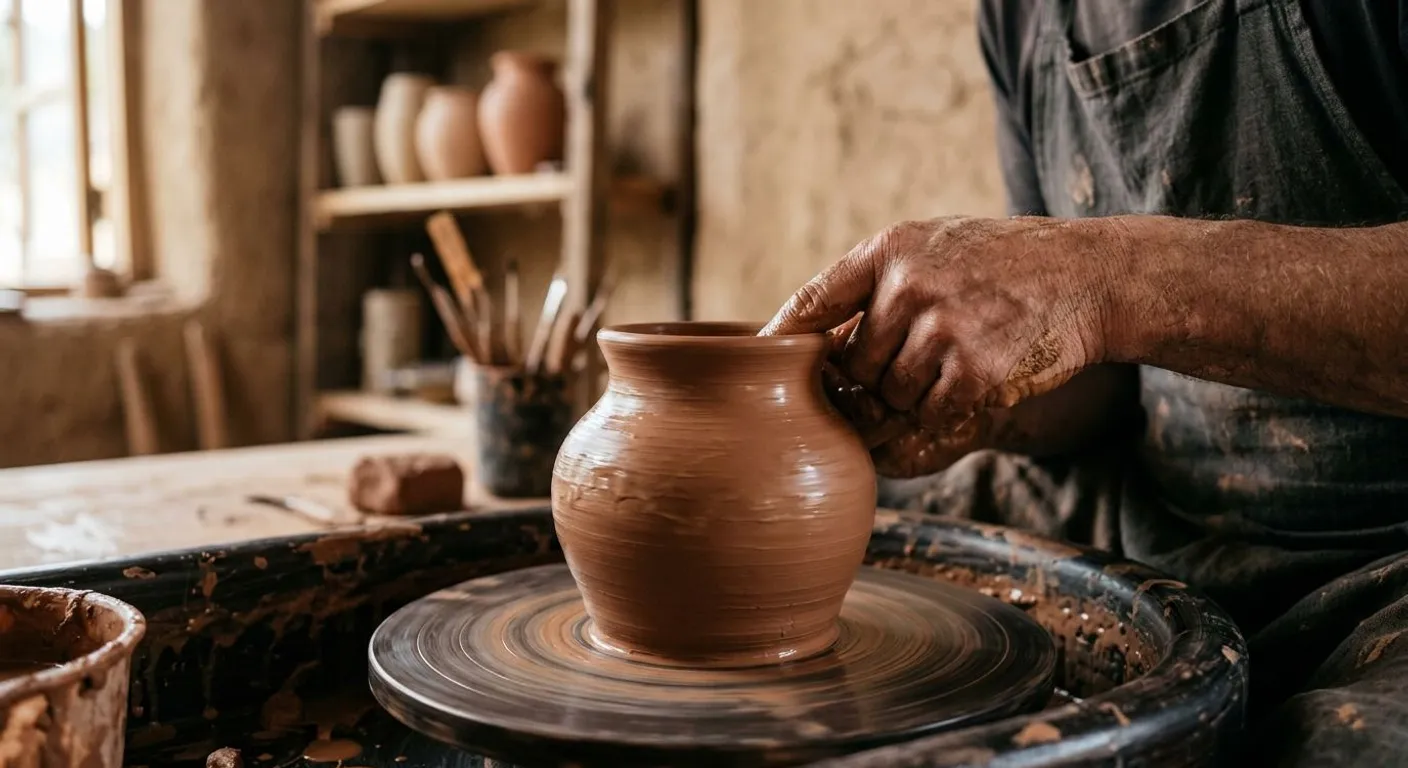
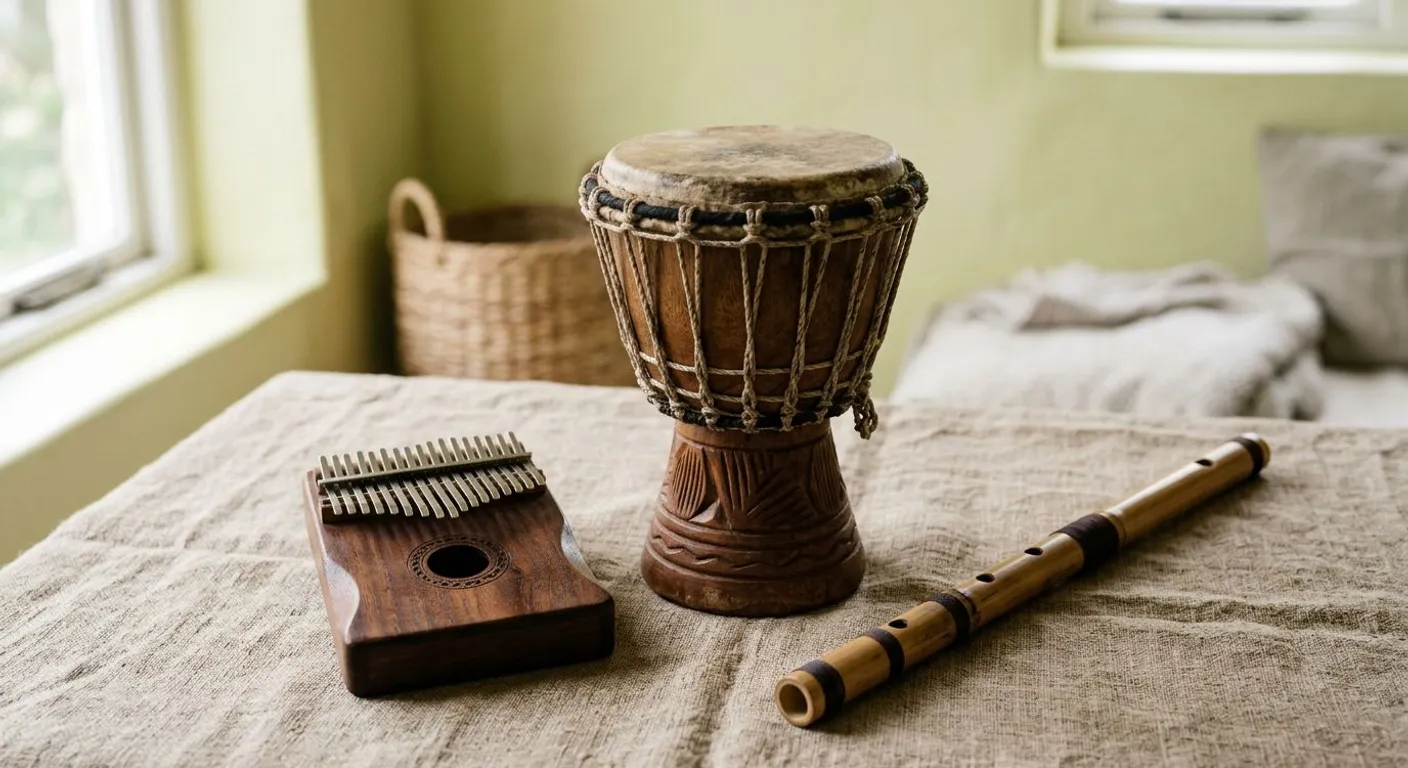
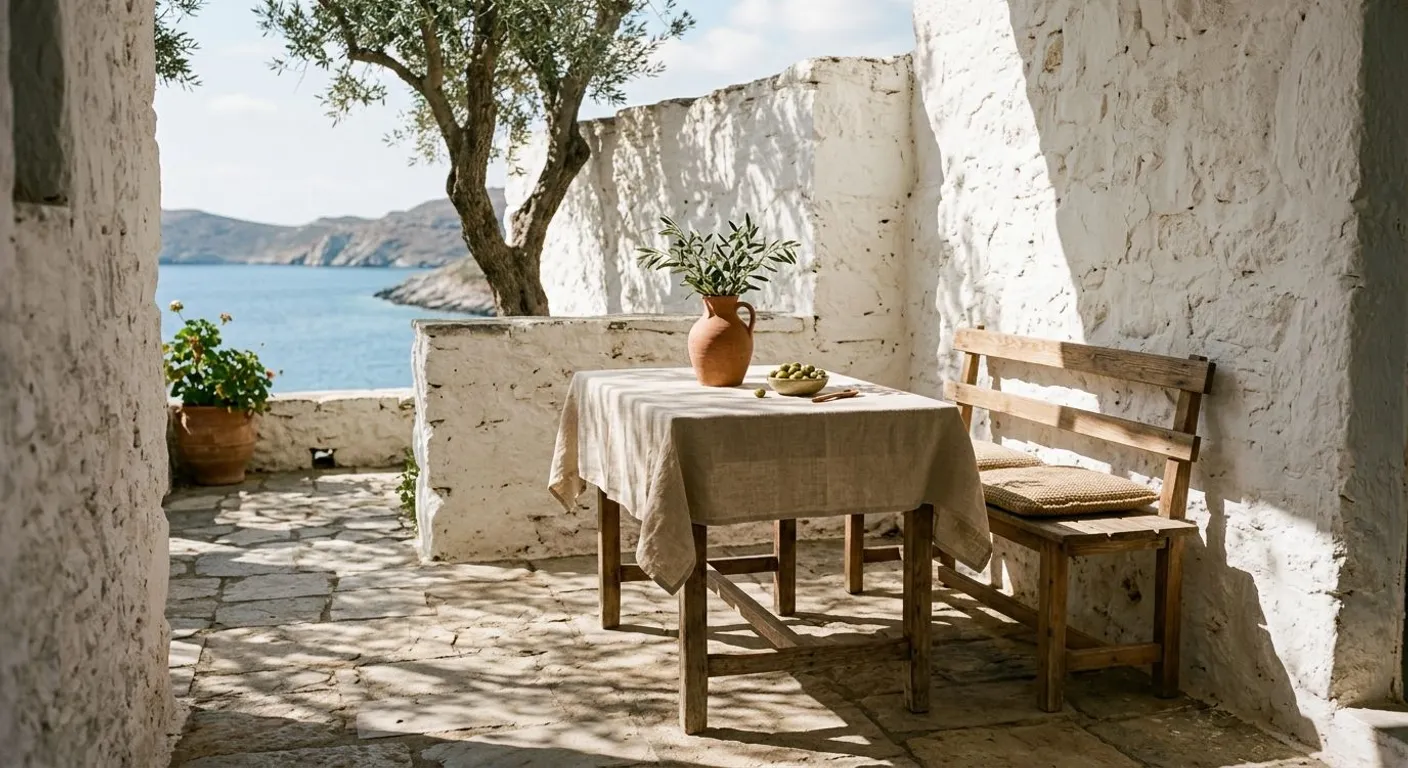
Simple Living with Wabi-Sabi Philosophy: The Aesthetics of Imperfection
Wabi-Sabi is an ancient Japanese philosophy that celebrates the aesthetics of imperfection and transience. This understanding inspires the modern pursuit of simple living, encouraging contentment with less and authenticity.
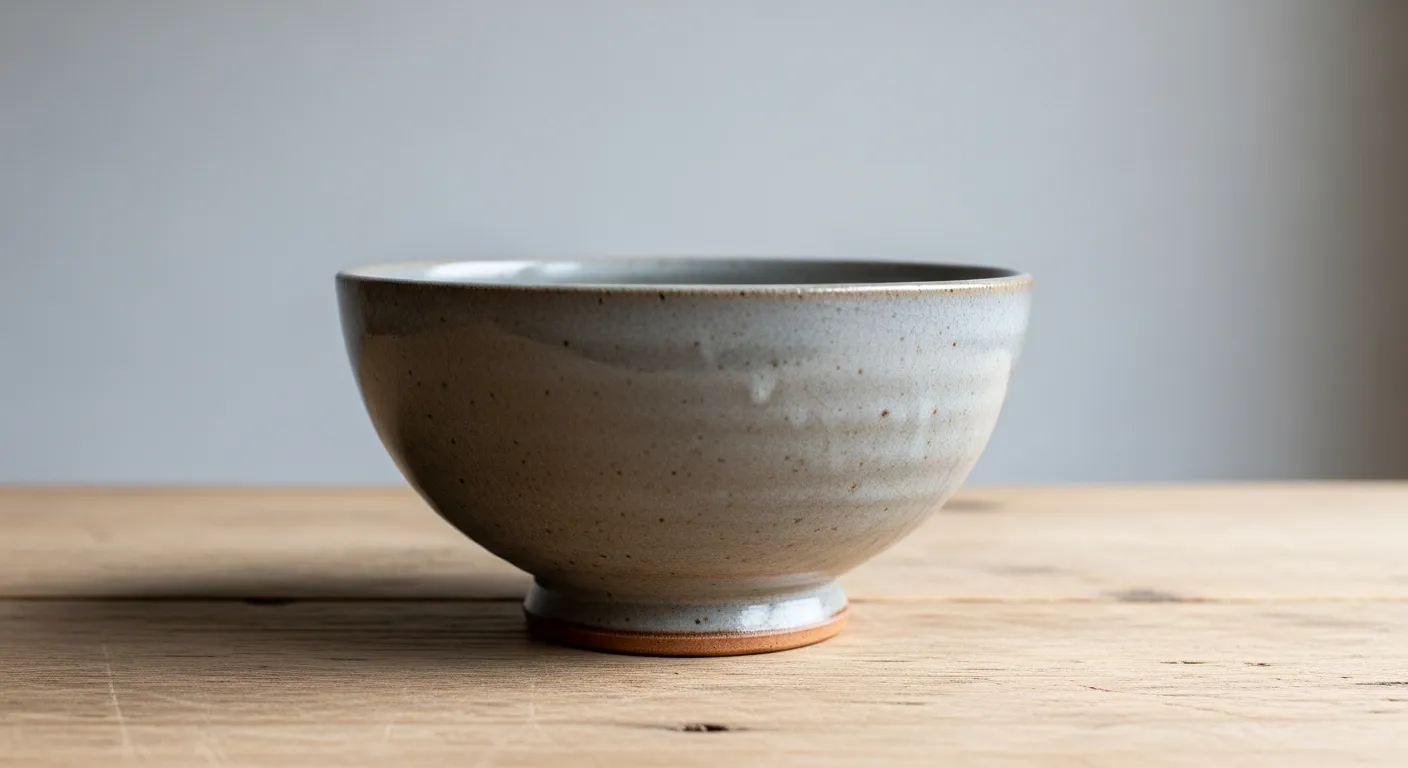
Emerging from the depths of Japanese culture, Wabi-Sabi offers a serene perspective on the complexities of modern life. This philosophy is built upon accepting the beauty of imperfection, the value of transience, and the charm of incompleteness. For those seeking a simple life, Wabi-Sabi can be not just an aesthetic understanding, but also a guide to a way of living. In this article, we will delve into the core principles of Wabi-Sabi and explore how you can integrate it into your daily life, home, and mindset.
The Heart of Wabi-Sabi: Embracing Imperfection
Wabi-Sabi is nourished by the three fundamental marks of existence in Buddhism: anicca (impermanence), dukkha (dissatisfaction), and anatta (non-self). These concepts enable a focus on objects and experiences that wear with time, become more beautiful as they age, and hold a story within their imperfection. Unlike Western aesthetics' fondness for symmetry, perfection, and ostentation, Wabi-Sabi glorifies asymmetry, wear, and modesty.
Core Principles of Wabi-Sabi:
- Imperfect: Accepting that nothing is perfect. Seeing that a crack, a smudge, or a curve has its own unique beauty and character.
- Impermanent: Knowing that everything changes and nothing lasts forever. Allowing objects and moments to change and age with time, and appreciating this transformation.
- Incomplete: Loving the mystery and depth of what is unfinished. Living with the feeling that there is always more to discover, being open-ended and receptive to development.
- Natural: Preferring the beauties left untouched by nature, natural forms, and raw materials.
- Modest: Adopting a simple, unpretentious, and humble approach, far from ostentation.
These principles can transform our perspective on the items we own, the spaces we inhabit, and even our relationships in daily life. Wabi-Sabi deters us from constantly seeking the new, the shiny, and the flawless, inviting us instead to see the depth and spirit within what already exists.
Wabi-Sabi's Place in Simple Living
Simple living is generally built upon decluttering unnecessary items, being content with less, and focusing on experiences. Wabi-Sabi adds an aesthetic and spiritual dimension to this philosophy of simplification. The consumer-driven world imposes
Frequently Asked Questions
What is Wabi-Sabi?
Wabi-Sabi is an aesthetic and life philosophy unique to Japan that finds beauty in imperfection, transience, and incompleteness.
How does Wabi-Sabi influence simple living?
It enriches simple living by encouraging contentment with less, valuing natural and authentic objects, and seeing the wear and tear of time as a form of beauty.
How can I decorate my home in a Wabi-Sabi style?
You can bring the Wabi-Sabi aesthetic into your home by using natural materials (wood, stone, clay), handmade and unique objects, asymmetrical arrangements, and neutral, earthy tones.
What are the core principles of Wabi-Sabi philosophy?
Its core principles are imperfection, transience, incompleteness, naturalness, and modesty.
Is Wabi-Sabi against perfectionism?
Yes, Wabi-Sabi teaches moving away from perfectionism, accepting flaws, and appreciating the unique beauty of what already exists.
This content was researched and prepared by the İlgi Alanları editorial team and reviewed for accuracy and readability before publication. Information on health, finance and investment topics is general in nature and does not replace professional advice.