The Warm Touch of Scandinavian Design: Peace and Functionality in Your Home
Scandinavian design is not just a style, but a philosophy of simple, functional, and aesthetic living. Discover how to bring this warm and inviting atmosphere into your home.
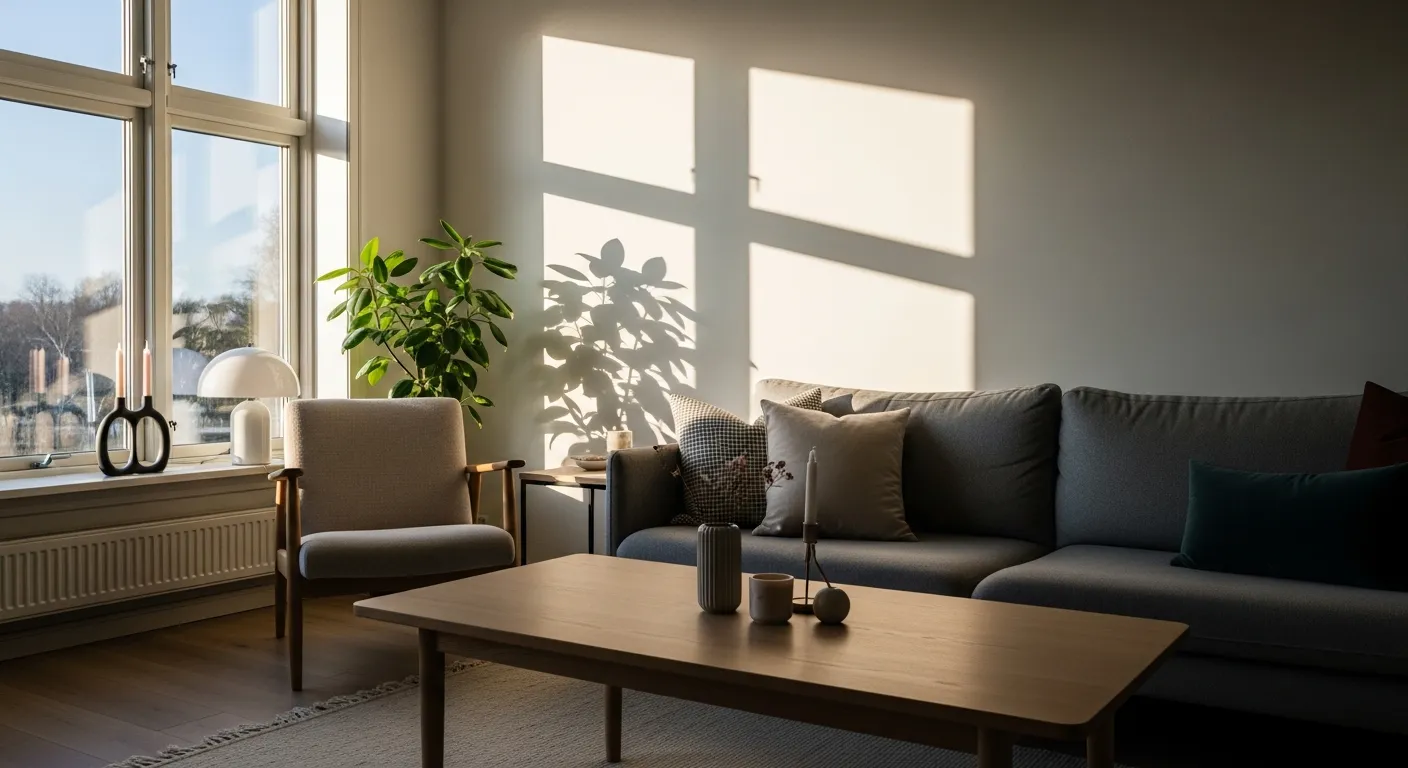
The challenging climatic conditions of the Scandinavian geography and a philosophy of living in harmony with nature have given rise to a unique design language: Scandinavian design. This style not only offers an aesthetic appeal but also transforms your homes into more livable, functional, and peaceful spaces. Maximizing natural light, simple forms, natural materials, and functionality are the cornerstones of this design. In this article, you will step into the inspiring world of Scandinavian design, learn step-by-step how to apply it in your home, and discover ways to bring the warmth of this timeless style into your living spaces.
Core Principles of Scandinavian Design
Scandinavian design has a distinct soul. Understanding this soul is the first step to creating the right atmosphere in your home.
Minimalism and Functionality
At the heart of Scandinavian design lies minimalism. However, this does not mean creating an empty and cold space; on the contrary, it aims for spacious and practical areas where every item has a purpose, free from unnecessary clutter. Furniture typically features simple lines and can often serve multiple functions. For example, a coffee table offering storage or a sofa that converts into a bed are common elements. If you wish to gain more insight into simplifying, you can check out our article Transitioning to a Minimalist Home: First Steps and Guide to Decluttering.
Natural Materials and Textures
Being close to nature is an indispensable part of Scandinavian culture, and this is reflected in the design. Natural materials such as wood (especially light-colored birch, pine, beech), wool, cotton, linen, leather, ceramics, and stone are used abundantly. These materials not only add warmth and tactile richness to the space but also offer durability and sustainability. Raw and unprocessed surfaces reinforce the feeling of naturalness.
Brightness and Airiness
The long winters and limited natural light exposure in Nordic countries have created a need to maximize brightness in interior spaces. For this reason, white and light color palettes dominate Scandinavian-designed homes. Large windows, light curtains, or uncurtained windows are preferred. Reflective surfaces, mirrors, and bright floors also help distribute light, making the space appear more spacious.
"Hygge" and "Lagom" Philosophies
It would not be wrong to say that Scandinavian design is not just a style, but also a philosophy of life. Hygge (Danish) refers to the art of creating comfort, warmth, intimacy, and pleasant moments. Candles, soft blankets, warm drinks, and time spent with loved ones are fundamental to this philosophy. Lagom (Swedish), on the other hand,
Frequently Asked Questions
Where should I start when applying Scandinavian design in my home?
You can start by choosing a light-colored paint, then continue with natural wood furniture and natural textiles like linen and wool. Decluttering unnecessary items is also an important step.
How do the philosophies of Hygge and Lagom influence Scandinavian decor?
Hygge ensures the home has a warm, cozy, and inviting atmosphere, while Lagom emphasizes balance and moderation with its 'not too little, not too much' principle. These two philosophies combine functionality and comfort.
Which colors are used in Scandinavian-style homes?
Neutral and light tones like white, light gray, and beige form the main color palette. Pastel tones, earthy tones, or colors like dark green or navy blue can be used as accent elements.
How can I achieve Scandinavian lighting if natural light is insufficient?
Use layered lighting: combine different light sources with ceiling lamps, floor lamps, table lamps, and candles. Light-colored walls and mirrors also help reflect light, making the space appear brighter.
What types of furniture are preferred in Scandinavian design?
Simple, clean-lined, functional, and durable furniture is preferred. Light-colored wood materials, minimalist designs, and multi-purpose pieces are the main characteristics of Scandinavian furniture.
This content was researched and prepared by the İlgi Alanları editorial team and reviewed for accuracy and readability before publication. Information on health, finance and investment topics is general in nature and does not replace professional advice.