Bring Nature Indoors: Revitalize Your Living Spaces with Biophilic Design
It's possible to bring nature's healing power into every corner of your home. Discover how to transform your living spaces with biophilic design principles.
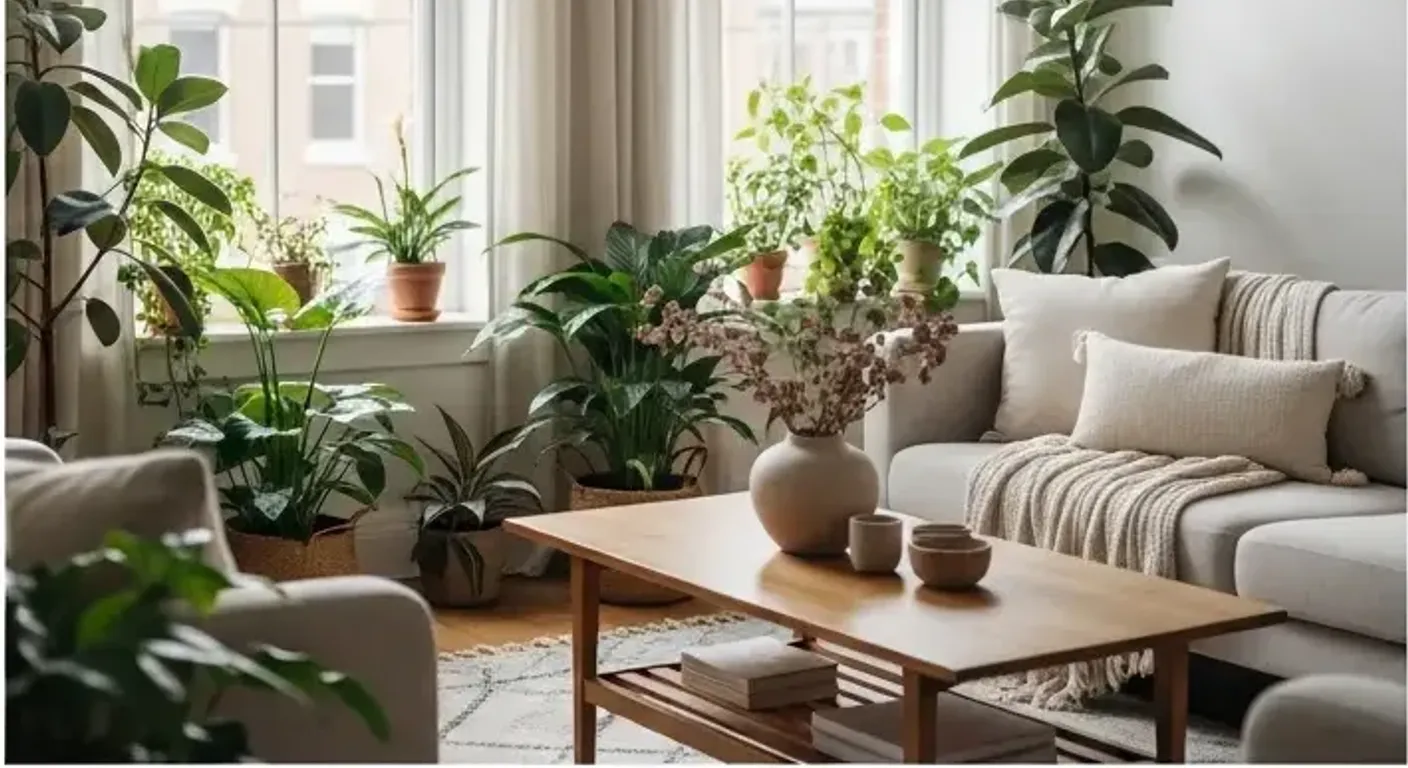
Living in harmony with nature is a fundamental need for human health and well-being. Although this connection weakens with increasing urbanization and time spent indoors, biophilic design aims to bridge this gap. Transforming our homes from mere shelters into spaces that reconnect us with nature's cycles, inspire, and heal is at the core of biophilic design. In this guide, you will learn step-by-step what biophilic design is, why it's important, and how to apply its principles in your living spaces.## What is Biophilic Design?The term "biophilia" refers to our innate connection with nature. Popularized by Edward O. Wilson, this concept is based on the idea that humans have a genetic bond with other living systems and natural processes. Biophilic design, in turn, is the art of consciously integrating this natural connection into built environments, especially indoor spaces. The goal is not merely aesthetic but also to incorporate natural elements into architecture and interiors, considering their positive effects on human health, performance, and well-being.This design philosophy involves much more than creating a passive green space. It aims to bring all aspects of nature that appeal to our senses – visual, auditory, tactile, and even scent and thermal comfort – into spaces. A biophilic space is not just a room full of plants; it can also be an area that allows natural light to enter, uses natural materials, where the sound of water can be heard, or that embraces the outdoor view.## Why is Biophilic Design Important?Problems such as stress, lack of attention, and general unhappiness caused by detachment from nature make the benefits of biophilic design even more pronounced. This approach is critically important, especially for individuals who spend long periods indoors. Here are the main benefits provided by biophilic design:* Stress Reduction and Mood Improvement: Being surrounded by plants, receiving natural light, or looking at nature views lowers cortisol levels and improves mood.* Increased Cognitive Performance: Natural elements enhance focus, stimulate creativity, and reduce mental fatigue.* Physical Health Benefits: Natural light regulates sleep patterns; plants improve air quality; water sounds promote relaxation.* Emotional Connection and Sense of Belonging: A connection with nature helps individuals feel more secure and a sense of belonging.* Aesthetic and Spatial Value: Biophilic elements add warmth, depth, and character to spaces, enhancing quality of life.## Key Elements of Biophilic DesignBiophilic design encompasses many different principles and strategies. These can be divided into two main categories: direct connection to nature and indirect connection to nature.### Direct Connection to NatureThese strategies directly incorporate natural elements into the living space:* Natural Light and Ventilation: Maximizing daylight and creating a natural rhythm in the space through window placement and orientation is essential. Clean air circulation is also a must-have for a biophilic environment.* Plants and Green Walls: Indoor plants not only purify the air but also offer visual richness and vitality. Mini ecosystems can be created with plants of different textures, colors, and sizes. Vertical gardens or green walls are excellent solutions for spaces with limited area.* Water Features: A small indoor waterfall, an aquarium, or a decorative water fountain brings the soothing sound and visual movement of water into the space. Water also positively affects humidity levels.* Nature Views: A view of a tree, park, or garden from a window is one of the simplest yet most effective biophilic elements. Even in places without a view, nature illusions can be created with well-placed mirrors or wallpapers.### Indirect Connection to NatureThese strategies use representations of nature, natural patterns, colors, and materials:* Natural Materials: Natural and unprocessed materials like wood, stone, bamboo, linen, and cotton add tactile richness and naturalness to a space. The texture, color, and scent of these materials strengthen our connection with nature.* Natural Colors and Patterns: Nature-inspired color palettes such as earthy tones, sky blue, and leaf green create a calm and peaceful atmosphere. Natural patterns like wood grains, waves, or cloud formations can also be used through wallpapers or textiles.* Natural Air and Thermal Variability: Airflow and temperature fluctuations within a space can offer a sensory experience reminiscent of outdoor breezes or the sun's warmth. It's important to provide this variability in a controlled and comfortable manner.* Biomorphic Forms and Shapes: Curved, organic forms and irregular shapes found in nature can be used in furniture, lighting, or decorative objects to break the rigidity of a space and give it a more fluid feel.## Ways to Apply Biophilic Design at HomeYou don't need a major renovation to integrate biophilic design into your home. Even small touches can make a significant difference.### Ideas for Every Room* Living Room: Use large-leafed plants (Areca palm, peace lily), natural wood coffee tables, stone-patterned rugs, and decorative objects like seashells or branches. Create a cozy reading nook by the window to benefit from the outdoor view.* Bedroom: Incorporate relaxing scented plants like lavender, cotton or linen bedding, a wooden headboard, and allow morning light in with sheer curtains instead of blackout ones. Minimize artificial light sources to improve sleep quality.* Workspace: Place a small succulent or an air-purifying plant on your desk. Position yourself in a spot with natural light. Use a wooden desk or bamboo accessories. Ensure your background features a nature image or an actual window view.* Bathroom: Create a spa-like atmosphere with humidity-tolerant plants (ferns, orchids), pebbles or bamboo accessories, and wooden details. You can opt for nature patterns on your shower curtain.### DIY Biophilic Design Ideas* Plant Shelves and Hangers: Create a vertical green space with plants hung in front of your windows or on walls. Macrame plant hangers are both aesthetic and functional.* Make Your Own Terrarium: Create a mini ecosystem in a closed or open glass container. It's easy to maintain and visually striking.* Nature Collections: Display stones, branches, seashells, or dried leaves collected from your walks in clear vases or bowls.* Natural Material Crafts: Make frames from wood pieces, paint stones, or decorate your own candle holders with natural materials.## Biophilic Design vs. Other Popular Design TrendsWhile biophilic design shares some commonalities with other popular interior design trends, it has a unique focus. Here's a brief comparison:| Feature | Biophilic Design | Minimalist Design | Modern Design || :------------------ | :--------------------------------------------------------- | :---------------------------------------------------- | :---------------------------------------------------- || Main Focus | Human-nature connection, well-being, sensory experience | Functionality, simplification, decluttering | Clean lines, functionality, innovative materials || Color Palette | Natural tones (green, blue, earthy tones) | Neutral colors (white, grey, beige) | Neutrals, bold accents || Materials | Wood, stone, plants, water, natural textiles | Glass, metal, concrete, smooth surfaces | Chrome, glass, steel, glossy surfaces || Forms | Organic, fluid, biomorphic | Geometric, sharp lines | Geometric, asymmetrical || Purpose | Peace, health, productivity, connecting with nature | Calmness, order, spaciousness | Contemporaneity, aesthetics, functionality || Plant Use | Extensive and functional (air quality, visual aesthetic) | Limited and decorative | Limited and decorative |## Points to ConsiderWhile biophilic design is easy to implement, there are some points to consider:* Maintenance: Live plants and water features require regular care. Avoid plants you cannot maintain or opt for low-maintenance species.* Allergies: For individuals with plant allergies, it's important to choose hypoallergenic plants.* Cost: Natural and high-quality materials might be more expensive initially, but they offer durability and aesthetic value in the long run.* Space Constraints: In small spaces, vertical solutions (green walls, hanging plants) or minimal water features can be preferred.In summary, biophilic design has the potential to transform our homes from mere living spaces into vibrant ecosystems that reconnect us with nature's healing power. By bringing the tranquility and vitality of nature into your home, you can enhance your own well-being and take a step towards a more sustainable lifestyle. Start with small steps and experience the positive change nature brings to your home.
Frequently Asked Questions
What is the main purpose of biophilic design?
The main purpose of biophilic design is to strengthen the human-nature connection, thereby enhancing the physical and mental well-being of individuals living or working in indoor spaces.
Which plants should I choose for biophilic design in my home?
Air-purifying plants like peace lilies, areca palms, snake plants, or humidity-loving ferns and orchids might be suitable for the bathroom. Choose based on ease of care.
Why is natural light important in biophilic design?
Natural light regulates our circadian rhythm, improving sleep quality, boosting mood, and increasing energy levels, making it a fundamental element of biophilic design.
How can biophilic design be applied in a small home?
In small homes, biophilic design can be implemented with space-saving solutions like vertical gardens, hanging plants, outdoor reflections using mirrors, and natural-patterned wallpapers.
Is biophilic design expensive?
Biophilic design can be scaled to your budget. Instead of major renovations, you can start with cost-effective solutions like adding plants, using natural objects, or complementing existing furniture with natural textiles.
This content was researched and prepared by the İlgi Alanları editorial team and reviewed for accuracy and readability before publication. Information on health, finance and investment topics is general in nature and does not replace professional advice.