Smart Lighting Guide: Transform Your Home's Atmosphere
Would you like to transform the feel of your home with a single touch? Discover how to design your spaces according to your mood and needs with smart lighting technology.
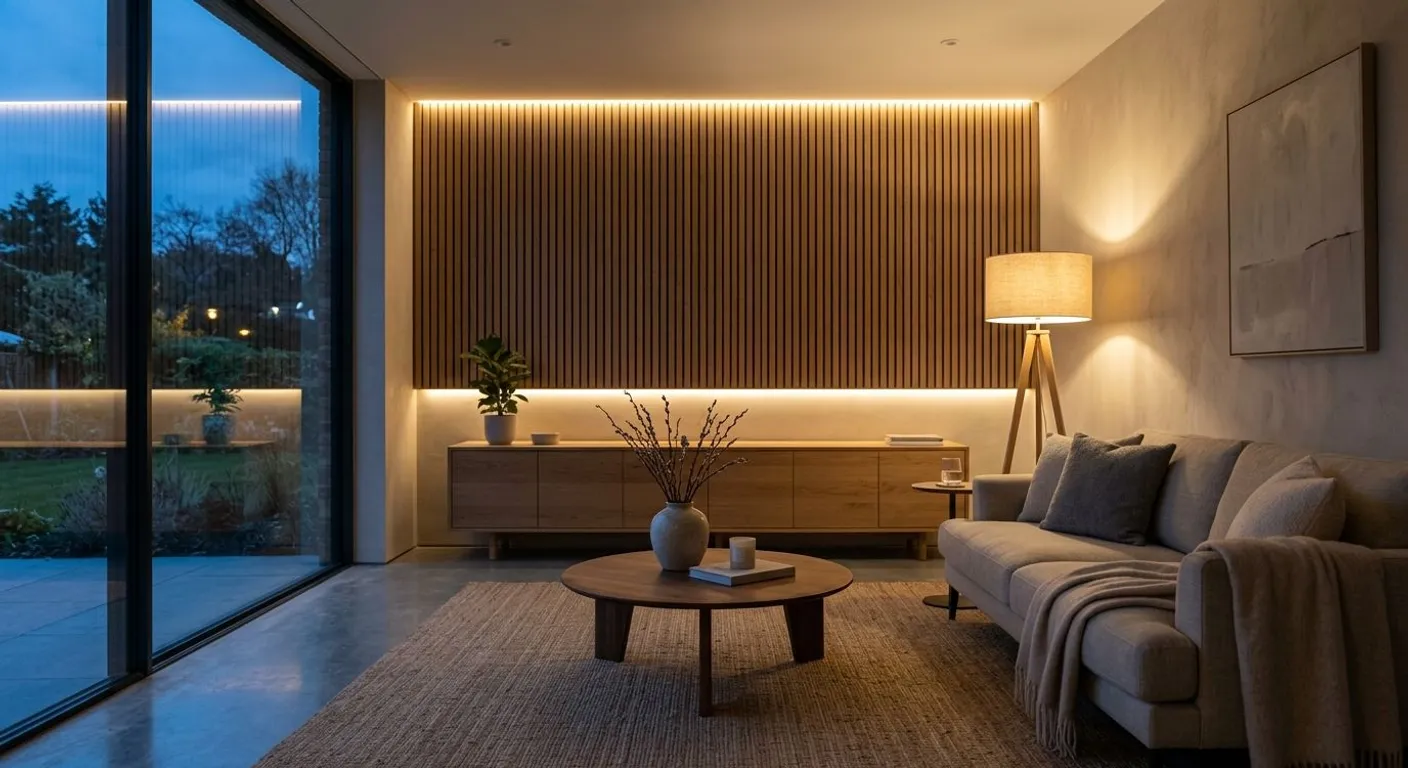
No matter how flawless your home's architectural structure or furniture choices are, the true element that defines the soul of a space is lighting. An incorrectly chosen bulb color or insufficient light intensity can turn a cozy living room into a cold waiting hall. With advancing technology, smart lighting systems transform light from a simple necessity into a personal living space design tool. Thanks to these systems that adapt to your mood, time of day, or activity, you can completely recreate your home's atmosphere.
Circadian Rhythm and Light Color Temperature (Kelvin)
One of the biggest advantages offered by smart lighting is its ability to work in harmony with human biology. Our biological clock, or scientifically known as the circadian rhythm, regulates hormone secretion according to the color and intensity of daylight. While traditional lighting fixtures offer a fixed color, smart bulbs can adjust their color temperature throughout the day based on changing needs.
Light temperature is measured in Kelvin (K) units. Low Kelvin values (2000K - 3000K) represent warm yellow and reddish tones, while high Kelvin values (5000K - 6500K) express cool blue and daylight tones:
- Morning Focus (5000K - 6500K): Starting the day with cool white and blue-undertoned lights triggers cortisol release in the body, boosting alertness and mental focus. Ideal for home offices or morning preparation areas.
- Daytime Balance (3500K - 4500K): Natural neutral white light provides balanced visibility that doesn't strain the eyes during daily home activities.
- Evening Relaxation (2200K - 2700K): Warm amber tones used after sunset support the secretion of melatonin, the sleep hormone. These color choices, helping the mind transition to relaxation mode, directly align with the core principles in our Art Therapy with Color Psychology: Emotional Healing Guide approach, which directly impacts our emotional state.
Adding Depth to Spaces with Lighting Layers
Professional interior designers rely on three distinct lighting layers rather than depending on a single ceiling light when illuminating a room. Smart systems allow you to control these layers independently or synchronously.
1. Ambient Light
This is the main light source illuminating the general space. Smart ceiling spotlights or pendant fixtures fall into this category. Dimming this light down to 20% to 30% in the evening creates a soft, eye-pleasing background.
2. Task Light
This is a focused light source needed while performing a specific activity. Under-cabinet kitchen LEDs, reading lamps, or desk fixtures are examples of this. You can program these lights to turn on automatically only when needed.
3. Accent Light
These are lights that highlight architectural details, artwork, shelves, or the area behind the TV. Smart LED strips (lightstrips) and portable light bars add three-dimensional depth to your room. For instance, turning off ceiling lights on a movie night and keeping only responsive LED bars active behind the screen offers a viewing atmosphere as impressive as a Portable Mini Projector Guide: Turn Anywhere into a Cinema experience.
Connection Protocols: Choosing the Right Infrastructure
Before investing in smart lighting, it is essential to understand how devices communicate with each other. Selecting the wrong protocol can lead to network delays or connection drops.
| Communication Protocol | Advantages | Disadvantages | Ideal Use Case |
|---|---|---|---|
| Wi-Fi | Does not require an extra hub (bridge); connects directly to the router. | Can slow down the Wi-Fi network when many devices are connected. | Small spaces using 3–5 smart bulbs. |
| Zigbee | Low power consumption, high range with a mesh network structure. | Requires an additional hub / bridge device. | Whole-home systems containing numerous bulbs and sensors. |
| Thread / Matter | Universal compatibility, very fast response time, local control. | Limited device options as it is a newer technology. | Innovative smart homes looking to invest in the future. |
For dozens of smart bulbs and sensors spread across the home to work smoothly, your wireless network must be strong. To optimize your network performance, you can strengthen your infrastructure by checking our guide on 8 Proven Effective Ways to Increase Home Internet Speed. At the same time, you can implement the methods in our article on Energy Saving Guide with Smart Plugs and Sensors to prevent unnecessary light usage and boost energy efficiency with sensors added to your network.
Smart Lighting Scenarios by Room
While traditional lighting relies on a single wall switch per room, smart lighting highlights automated scenarios.
- Relaxation and Cinema Mode for the Living Room: With a single voice command or tap on your phone, ceiling lights turn off completely, the LED strip behind the TV shifts to a warm yellow at 15% brightness, and the corner floor lamp dims gently.
- Natural Wake-Up for the Bedroom: 30 minutes before your morning alarm rings, bulbs turn on with a subtle red/orange hue, gradually increasing brightness to simulate daylight. This sunrise simulation makes waking up much easier.
- Maximum Focus for the Study: Desk lamps switch to a cool white 5500K color, brightness increases to 100%, and distracting color effects are disabled.
Ultimate Comfort with Sensors and Automation
The true potential of smart lighting emerges through automation. When you get up at midnight for a glass of water, motion sensors detect your presence and turn on hallway lights to a warm amber glow at a non-glaring 5% brightness. One minute after you return to bed, the lights automatically turn off.
Additionally, thanks to geolocation-based scenarios that automatically track sunset times, your garden or living room lighting activates as night falls—even if you're not at home. This enhances home security while welcoming you with a warm atmosphere upon your return.
References
Frequently Asked Questions
Is an internet connection required to set up a smart lighting system?
An internet connection is required for initial setup and remote access. However, systems using Zigbee or Thread infrastructure continue running remotes and sensor automations over the local network even if the home internet goes down.
Do smart bulbs consume electricity when turned off?
Yes, smart bulbs remain in standby mode to listen for commands. However, this power consumption is extremely low, usually around 0.2 to 0.5 kWh per bulb per month.
Will my smart bulb work if I turn off the existing wall switch?
When you turn off a traditional wall switch, power to the bulb is completely cut off, preventing control via apps or sensors. To resolve this issue, smart switches or buttons should be preferred.
Can a smart bulb be used without a hub (bridge)?
Yes, Wi-Fi or Bluetooth-enabled smart bulbs can be controlled directly via a smartphone app without needing a hub device.
This content was researched and prepared by the İlgi Alanları editorial team and reviewed for accuracy and readability before publication. Information on health, finance and investment topics is general in nature and does not replace professional advice.