Art Therapy with Color Psychology: Emotional Healing Guide
Discover the profound effects of colors on our subconscious and learn practical ways to restore your mental balance through the transformative power of art therapy.
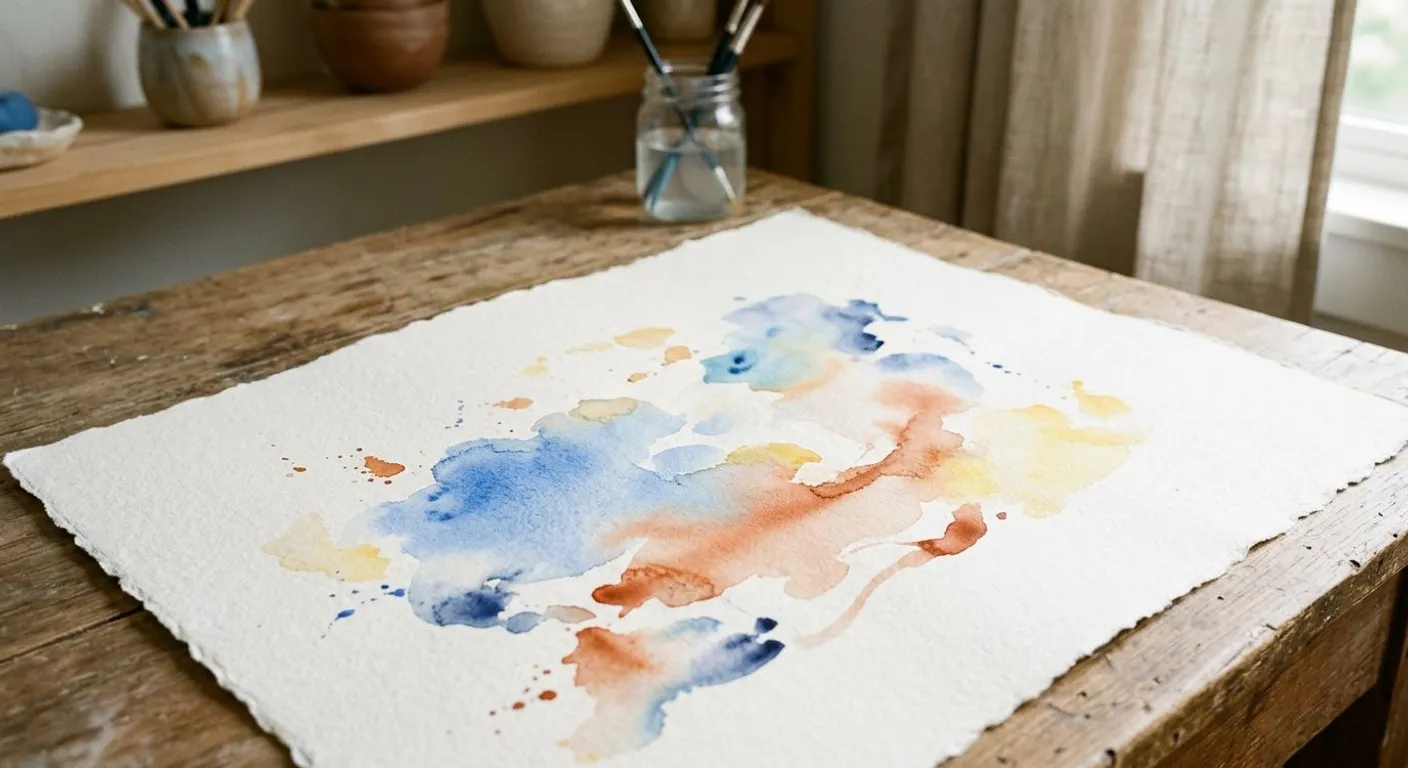
Our visual perception does not merely allow us to distinguish objects around us; it also directly triggers biological and emotional responses in our nervous system. Looking at a shade of color can activate the amygdala region of the brain, creating a wide range of changes from heart rhythm to hormonal balance. Art therapy with color psychology brings this deep-rooted effect of colors together with the liberating nature of artistic expression, offering a space for personal healing.
The goal in art therapy is not to produce an aesthetically perfect piece of work. The primary objective is to make internal chaos visible through brush strokes and color choices. In this guide, you will examine the effects of colors on mental processes and discover effective therapeutic methods you can apply on your own.
The Mental and Emotional Map of Colors
Color psychology posits that each color creates a different frequency and symbolic equivalent in the human mind. In art therapy, these equivalents are accepted not as absolute rules, but as intuitive guides. People's responses to colors are fed by both cultural background and personal experiences.
- Blue and Cool Tones: Create a rare sense of tranquility. They slow down the pulse by stimulating the parasympathetic nervous system. During moments of intense anxiety and mental overload, shades of blue, navy, and turquoise create space for the mind.
- Red and Warm Tones: Possess a stimulating and activating power. They accelerate blood circulation and are effective in expressing high-energy emotions such as suppressed anger or passion.
- Yellow and Orange: Associated with joy, vitality, and mental clarity. For individuals prone to feeling depressed or lacking motivation, they serve as a cathartic tool that triggers creative energy.
- Green: The strongest representative of the connection established with nature. It imparts a sense of renewal, growth, and balance. It is an ideal color choice for achieving mental stabilization after internal conflicts.
- Purple and Violet: Linked to the subconscious, intuition, and deep spiritual searches. Often preferred for making sense of complex inner worlds and visualizing abstract concepts.
- Black, Gray, and White (Neutrals): While black represents drawing boundaries and hidden emotions, white symbolizes new beginnings and void. Gray is the expression of uncertainty or the desire for protection.
To free your mind and start experimental work with these colors on canvas, you can benefit from the practical steps in our article on setting up an abstract painting studio at home.
Color and Technique Matching Table According to Emotional State
The table below includes color palettes and recommended art practices you can choose based on specific mental states you may be experiencing:
| Target Emotion / State | Recommended Color Palette | Preferred Art Technique | Expected Mental Effect |
|---|---|---|---|
| Intense Stress and Mental Fog | Deep Blue, Sea Green, Soft White | Wet-on-Wet Watercolor | Mental calming, relaxing the need for control |
| Low Energy and Reluctance | Warm Yellow, Coral, Burnt Orange | Finger Painting / Layered Acrylic | Revitalization, bodily awareness, and joy |
| Suppressed Anger and Restlessness | Dark Red, Burgundy, Black, Dark Gray | Palette Knife Heavy Acrylic / Expressive Splatters | Catharsis, safely discharging accumulated energy |
| Internal Conflict and Indecision | Complementary Colors (Purple-Yellow, Blue-Orange) | Collage / Mixed Media | Accepting contradictions, achieving integration |
| Loneliness and Withdrawal | Earth Tones, Olive Green, Beige | Clay Sculpting and Natural Dyes | Feeling safe, grounding, and calmness |
3 Art Therapy Exercises You Can Do at Home
You do not need to be a professional artist or own expensive materials to incorporate art therapy into your life. Here are three core exercises to guide your internal processes:
1. Color Emotion Mapping
Divide a blank piece of paper into 4 or 6 equal sections. Write a core emotion in each square (for example: anxiety, gratitude, jealousy, peace). Then, without overthinking and trusting purely on intuition, determine which color or color group represents each emotion. Transfer these colors onto paper using lines, spots, or circular forms. This process allows abstract feelings to materialize and helps your mind relax by categorizing emotions.
2. Layered Intuitive Painting
In this exercise, your goal is to express your current mood in layers. First, apply the color of the emotion you struggle with most onto the canvas using broad brushstrokes. As the paint dries, take a deep breath reflecting on this state. Next, select the color representing the mood you wish to attain and apply it freely over the first layer. To increase mental focus and gain maximum benefit from this process, you can add such practices to your list of daily habits that nurture creativity.
3. Emotional Balancing with Complementary Colors
In this method aimed at resolving mental polarizations using complementary colors on the color wheel, apply cool or dark tones representing a situation that bothers you to one half of the canvas. On the other half, place a healing warm color that challenges it. Blend the two colors together at the center point to create transitions. This physical mixing sends a message to the mind that contradictory emotions can coexist simultaneously.
What to Consider During the Art Therapy Process?
- Set Aside Aesthetic Concerns: The thought "I must make a beautiful painting" hinders the therapeutic process. Even color combinations that look ugly, chaotic, or muddy are extremely valuable in terms of emotional release.
- Feel the Texture of the Material: Be present in the process not only with your eyes, but also with your hands. The crumbling of soft pastel or the spreading of watercolor on paper creates a tactile awareness.
- Accept Moments of Blockage: Sometimes you might not know what to draw when facing a blank paper. Instead of forcing it at this point, you can get inspired by our guide on ways to overcome creative block and start simply by leaving small specks of a single color.
Combining color psychology with art therapy is one of the most compassionate journeys you can take into yourself. When you pick up the brush, try approaching colors not merely as a visual element, but as the language of your soul.
References
Frequently Asked Questions
Do I need drawing talent to use color psychology in art therapy?
No, no talent is required at all. Art therapy aims not for technical skill, but for the free externalization of emotions through colors and forms.
Does every color have a definitive and universal meaning in art therapy?
Although colors have general psychological tendencies (blue for calmness, red for arousal, etc.), personal history and experiences make the meaning of colors unique to each individual.
Can I practice art therapy with color psychology on my own at home?
Yes, you can perform practical exercises at home to reduce stress, increase awareness, and discharge emotions. However, for deep traumas, you should work with a qualified art therapist.
Which type of paint is more suitable for color therapy?
Acrylic paint is often preferred for its fast drying time and suitability for layering, while watercolor is favored because its fluidity makes it easier to let go of control.
This content was researched and prepared by the İlgi Alanları editorial team and reviewed for accuracy and readability before publication. Information on health, finance and investment topics is general in nature and does not replace professional advice.