Smart Band for Hiking: Secure Your Route and Health
Hiking is now safer and more enjoyable thanks to technological advancements. Understanding how smart bands and smartwatches transform this experience will guide you on your next adventure.
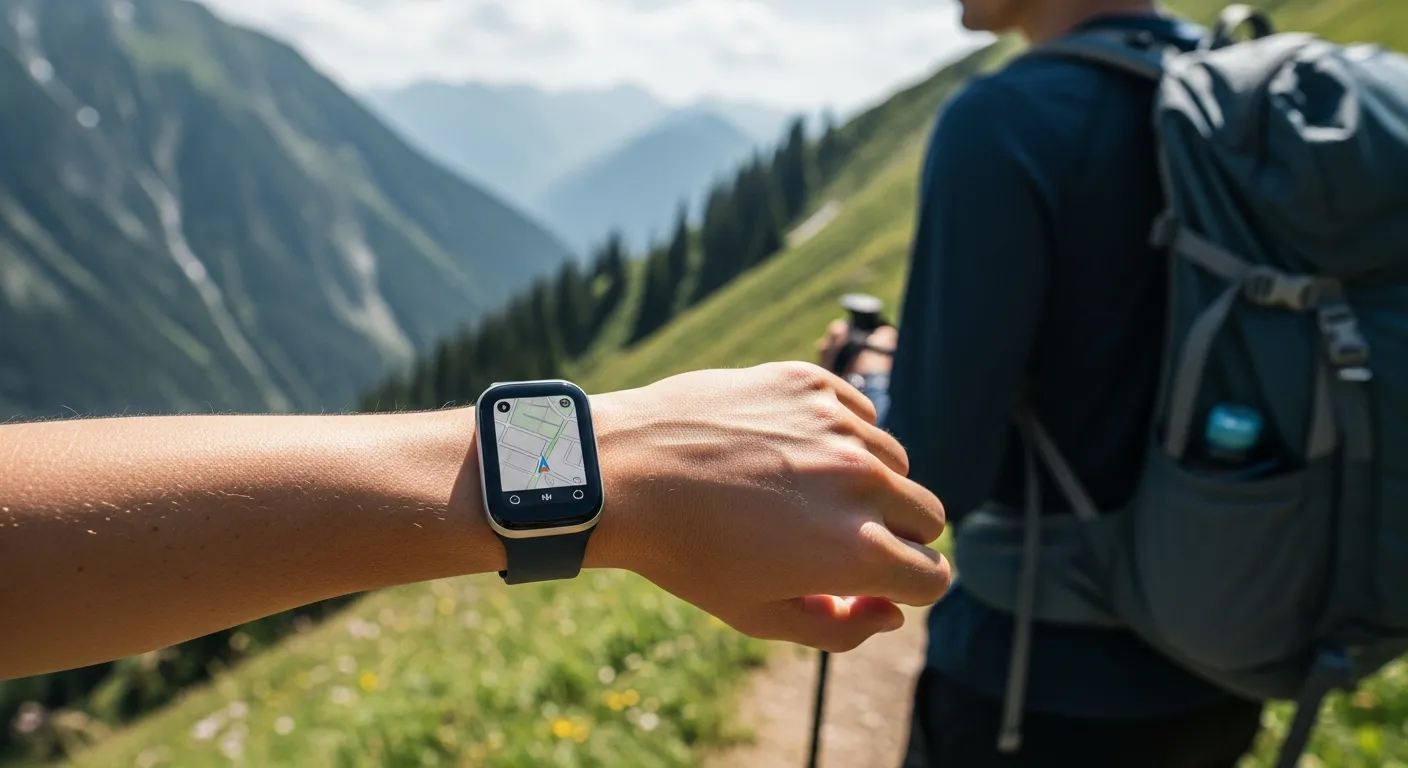
Nature offers a realm of peace and discovery for hiking enthusiasts. As we traverse trails, we both relax our minds and invigorate our bodies. However, maintaining maximum safety and performance during this enjoyable activity is now much easier thanks to modern wearable technology. Specifically, smart bands and their more advanced counterparts, smartwatches, have become tools that fundamentally transform the hiking experience.
In this article, we will delve into how smart bands make a difference in hiking, what features set them apart, and what to consider when choosing the right device. Our goal is to help nature enthusiasts utilize these technological aids most efficiently, enabling them to have both safer and more enjoyable hikes.
Why Smart Bands Are Important for Hiking
Using a smart band or smartwatch for hiking offers much more than just counting your steps. These devices act like a personal assistant, helping you monitor both your physical condition and environmental factors in real-time. Here are the main reasons:
- Comprehensive Health Tracking: You can continuously monitor vital data such as your heart rate, blood oxygen level (SpO2), sleep patterns, and calories burned. Especially on long and challenging trails, observing your body's responses is critical for pre-emptively identifying potential health issues.
- Navigation and Safety: With integrated GPS, you can track your route, rediscover previously saved trails, or minimize the risk of getting lost. Emergency notification features found in some models allow you to send your location to loved ones in unexpected situations.
- Performance Analysis: By recording data such as distance covered, elevation climbed, and energy expended, you can objectively evaluate your hiking performance. This data allows you to optimize your training and improve yourself.
- Environmental Information: Sensors like barometers, thermometers, and compasses help you predict weather changes, find your direction, and understand altitude data. This information is crucial for being prepared for unexpected weather conditions.
- Ease of Use: You can manage your notifications, call alerts, and even music controls from your wrist without constantly having to take your phone out of your pocket. This allows you to enjoy nature without breaking your focus.
Key Features That Make a Difference
There are some key features that truly make a difference for a smart band or watch during hiking. These features make your experience both richer and safer.
GPS and Route Tracking
Integrated GPS is perhaps the most critical feature for hiking. Your smart band can determine your location without needing your phone, record your traversed route, and guide you along pre-loaded trails. This allows you to confidently navigate even unfamiliar terrain and explore new places without fear of getting lost. Some devices also feature a return-to-start function, making it easy to get back to your starting point.
Heart Rate and Oxygen Level Measurement
Hiking requires effort, especially on steep and uneven terrain. Continuous heart rate tracking helps you keep your exertion level in check. You can avoid overexerting yourself or not putting in enough effort. Measuring blood oxygen level (SpO2) is crucial, especially during high-altitude hikes. Drops in oxygen levels can indicate altitude sickness, and this data allows you to take precautions.
Altitude and Barometer
Smartwatches equipped with a barometer and altimeter sensor allow you to predict sudden weather changes by monitoring atmospheric pressure variations. They also show your total climbed elevation and current altitude, helping you set performance goals. These features provide vital information, especially for hikes in mountainous terrain.
Long Battery Life and Durability
Finding charging opportunities can be difficult during long hikes. Therefore, it is crucial for your chosen smart band to have long battery life. Since GPS usage increases battery consumption, it's essential to choose models that offer sufficient usage time even when this feature is active. Furthermore, a durable design resistant to water, dust, and impacts extends your device's lifespan and increases its reliability in outdoor conditions. For more detailed information on this topic, you can check out our article Wearable Technology Trends for Cyclists: New Dimensions in Performance and Safety.
Smart Notifications
Seeing incoming call, message, or app notifications on your wrist without taking your phone out of your pocket allows you to continue your hike uninterrupted. This is important for both practicality and safety, as you can access important information without distraction.
What to Consider When Choosing a Smart Band
Choosing the right smart band for your hikes is important to meet your needs and expectations. Here are some criteria to consider:
- Intended Use: Are you looking for just basic activity tracking, or do you need detailed navigation and health monitoring features? This will help narrow down the device's price and feature range.
- Battery Life: How long are your hikes? Models that last more than 10 hours, especially with GPS active, are ideal for long trails.
- GPS Feature: Having built-in GPS means you can track your route without your phone. Some devices use your phone's GPS, which drains your phone's battery.
- Durability: Water resistance (IPX rating), scratch resistance, and impact resistance (like Gorilla Glass) are important. Especially if you're involved in challenging outdoor sports like those mentioned in Rock Climbing Beginner's Guide: Safe Steps, Equipment, and Tips, robustness should be a priority.
- Screen Type and Visibility: Choose a screen that is easily readable even under direct sunlight (AMOLED or transflective).
- Sensor Variety: The presence of sensors like heart rate, SpO2, barometer, thermometer, and compass increases the amount of data you'll receive.
- App and Ecosystem: How user-friendly is the device's mobile app? How detailed are data analysis and historical performance tracking? Is there integration with other applications? For more information on the importance of data analysis devices for professional athletes, you can read our article Guide to Nutrition Analysis Devices for Professional Athletes.
Smart Band vs. Smartwatch: A Comparison for Hiking
| Feature | Basic Smart Band | Advanced Smartwatch (Outdoor-Focused) |
|---|---|---|
| Battery Life | Typically 5-14 days | Typically 1-5 days (much less with GPS active) |
| GPS | Rarely, may rely on phone | Usually built-in and accurate |
| Screen | Small, simple, usually AMOLED or LCD | Large, colorful, touchscreen, good visibility in sunlight |
| Health Tracking | Steps, calories, sleep, basic heart rate | Advanced heart rate, SpO2, stress, sleep stages |
| Environmental Sensors | None or very limited (e.g., basic thermometer) | Barometer, altimeter, compass, thermometer |
| App Integration | Limited to basic mobile app | Extensive app support, 3rd-party app integration |
| Durability | Water resistance (shower/swimming), high scratch risk | High water, dust, impact resistance (MIL-STD-810G) |
| Price | More affordable | Higher |
You can choose the most suitable device for you by considering the differences outlined in this table, based on the intensity and duration of your hikes.
Analyzing Data from Smart Bands
The data collected by smart bands goes beyond just real-time information; it helps you understand your performance and health in the long term. Through your device's mobile app, you can review past hikes, compare your average speed, heart rate zones, total elevation climbed, and calories burned. These analyses allow you to adjust your training programs more consciously, set goals, and track your progress.
For example, by tracking changes in your heart rate zones, you can see how your cardiovascular endurance has improved and understand the effects of different trails on your body. This data not only reflects your physical performance but also guides you towards a holistic state of well-being by showing general health indicators like your sleep quality and stress levels.
Conclusion
Using a smart band or smartwatch for hiking is a significant step that transforms your experience. These devices function not merely as accessories, but as personal guides, health coaches, and safety tools. Whether you're taking a light forest stroll or aiming for a challenging mountain trail, a well-chosen smart wearable technology will make your time immersed in nature safer, more informed, and more enjoyable. With the opportunities technology offers, explore yourself and nature better with every step.
Frequently Asked Questions
Is a smart band or a smartwatch better for hiking?
If you're looking for advanced navigation, detailed health sensors, and longer battery life, smartwatches (especially models designed for outdoor sports) are more suitable. However, for basic tracking and a more affordable price, smart bands may suffice.
Is GPS functionality mandatory in smart bands?
It's not mandatory, but models with integrated GPS offer significant advantages for hiking, providing route tracking, reducing the risk of getting lost, and accurate distance measurement.
What does the water resistance rating mean?
The water resistance rating (in IPX or ATM) indicates how resistant the device is to water. For example, 5 ATM is generally suitable for swimming, meaning you won't have problems in rain or when crossing rivers.
Can smart bands predict the weather?
Smart bands or watches equipped with a barometer sensor can help you anticipate sudden weather changes by monitoring atmospheric pressure variations.
Can I listen to music with my smart band without my phone?
Some smartwatch models have internal storage and can pair with Bluetooth headphones, allowing you to listen to music without your phone. This feature is rarer in smart bands.
This content was researched and prepared by the İlgi Alanları editorial team and reviewed for accuracy and readability before publication. Information on health, finance and investment topics is general in nature and does not replace professional advice.