Brain-Computer Interfaces: The Future Driven by Mind Power
Directing prosthetic organs or giving commands to digital systems through thought is no longer a dream. Discover how brain-computer interfaces are transforming neurology and technology.
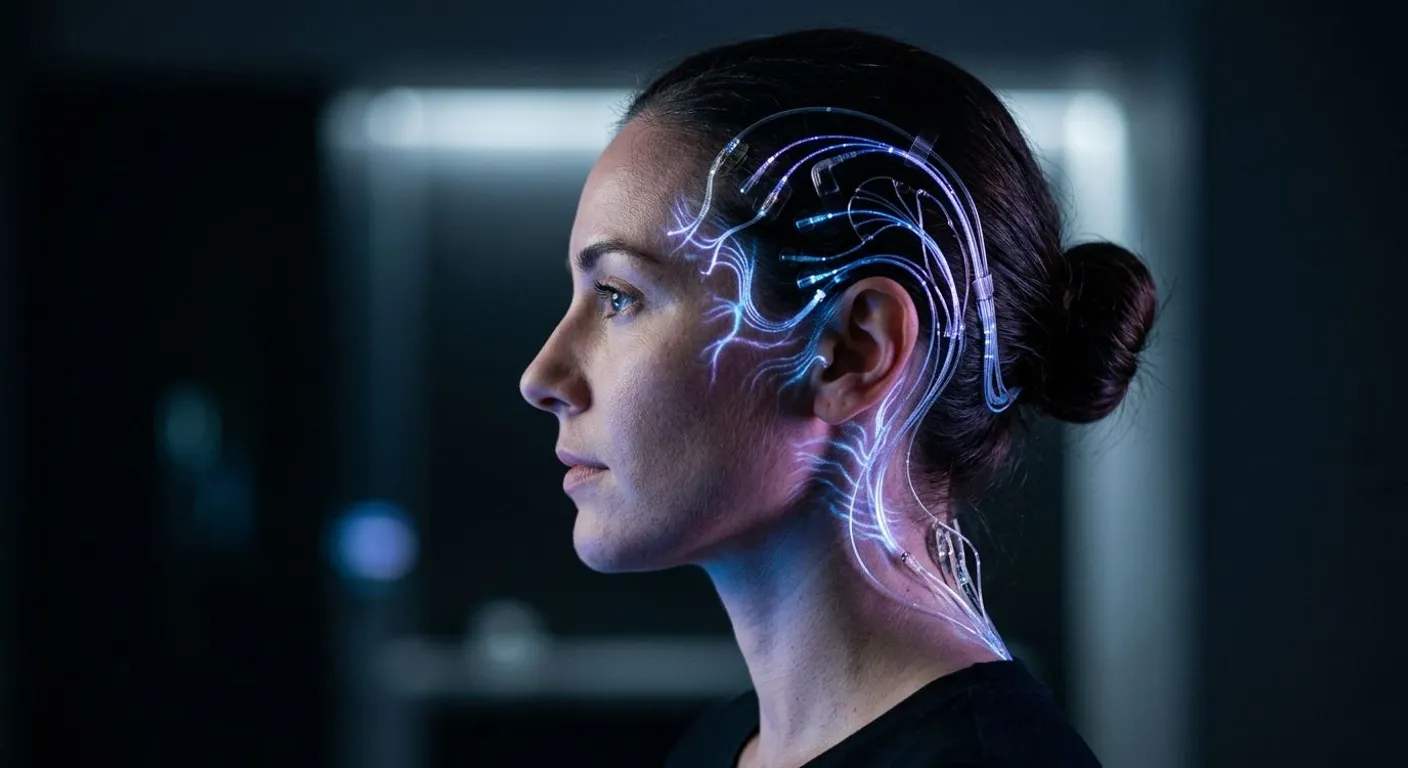
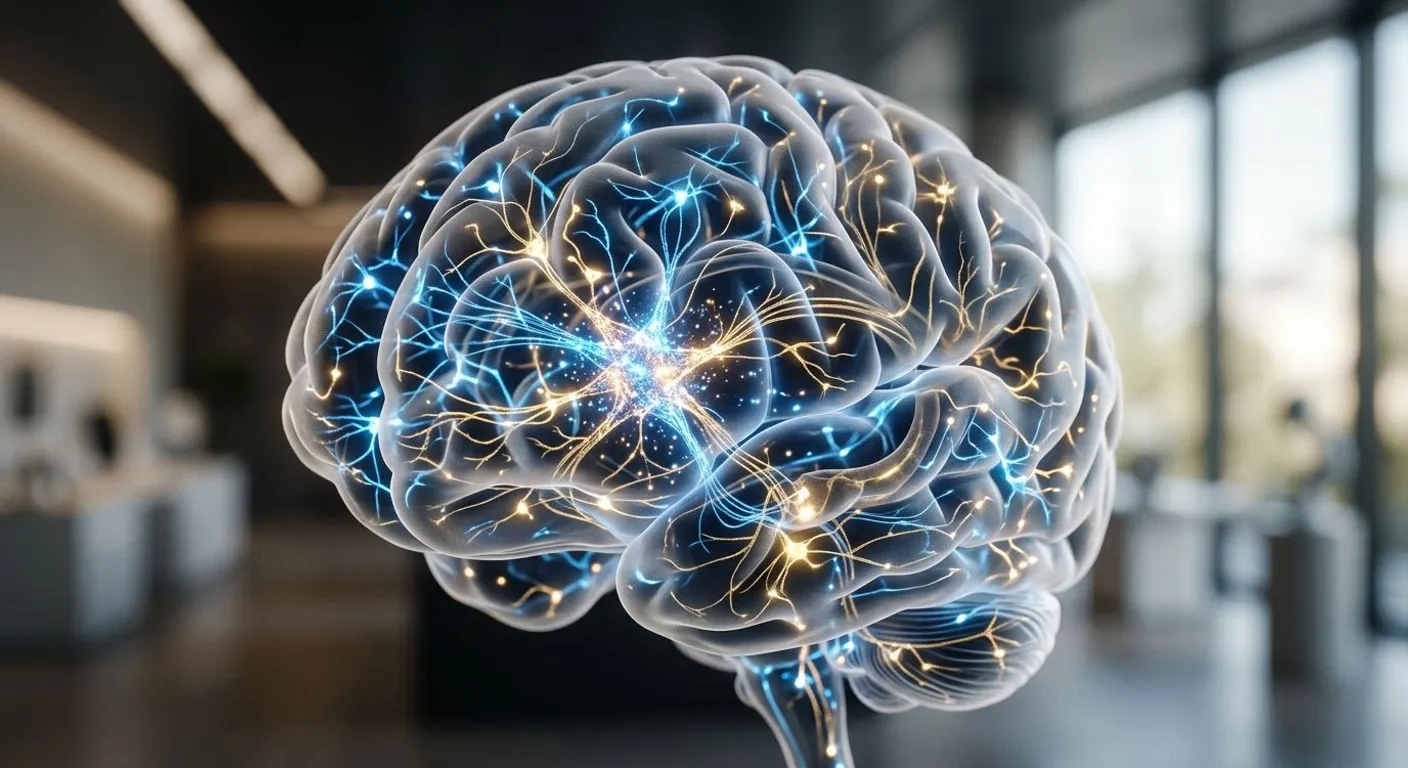
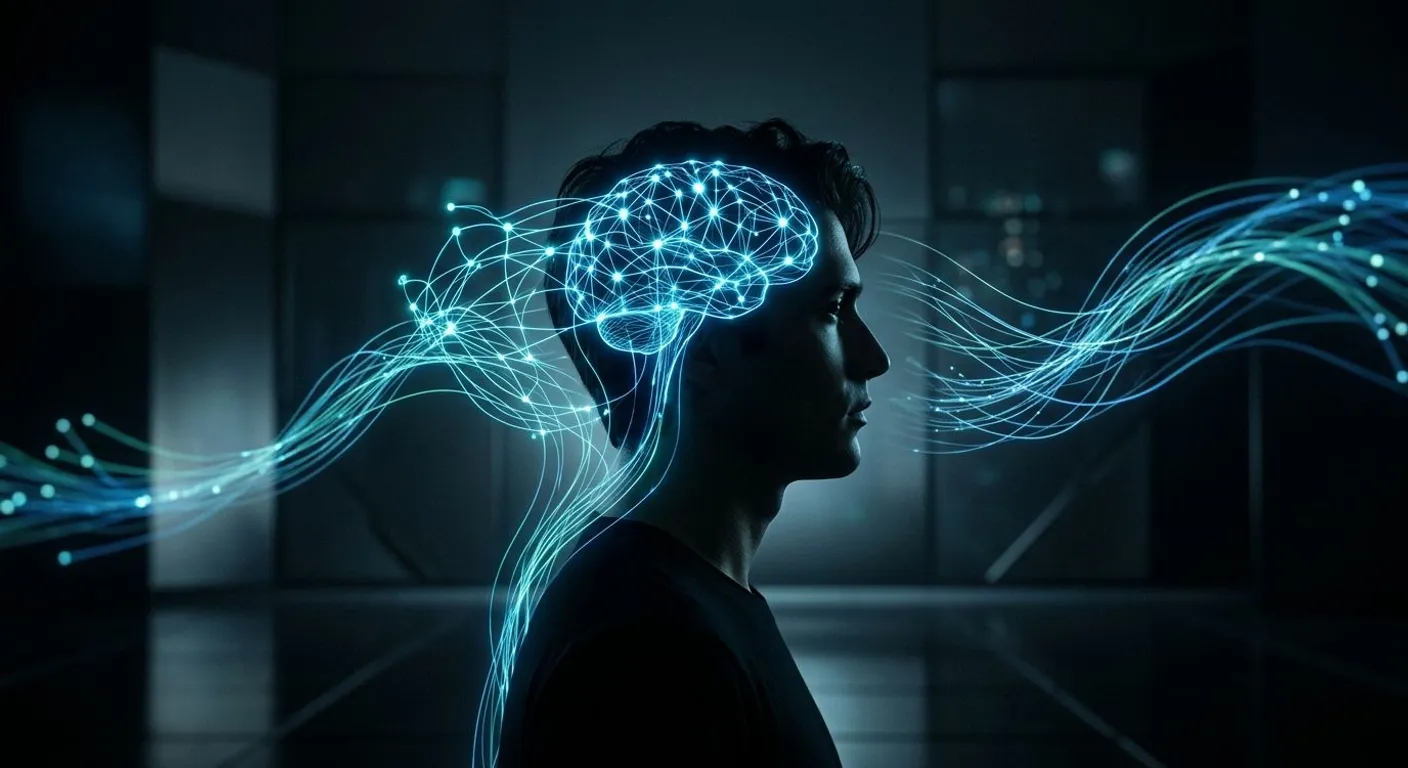
The human brain is a massive network composed of billions of neurons establishing complex electrical and chemical connections with one another. When you decide to move a muscle or focus on an object, groups of neurons in the cortex generate electrical potentials at specific frequencies. A Brain-Computer Interface (BCI) is a bridge technology that directly captures these neural activities and translates them into digital commands that hardware and software can understand.
In recent years, advances in artificial intelligence and micro-electromechanical systems have turned theoretical studies in BCI into practical, life-saving applications. Now, controlling devices through mind power is becoming possible not only in biomedical research, but also in many fields ranging from rehabilitation to consumer electronics.
How Brain-Computer Interfaces Work
The basic operation of a BCI system consists of four main stages: signal acquisition, preprocessing, feature extraction, and command translation. Every mental process in our mind creates electrical fluctuations. While BCI hardware records these waves, artificial intelligence algorithms decode patterns to determine the intended action.
Considering the complex structure of the human mind, understanding the intention of an action requires highly precise data analysis. For example, neural firings observed while searching for an answer to what happens in the human mind at the moment of decision are processed with similar mathematical models as the command to close the fingers of a prosthetic arm.
Core Components of BCI Systems
- Sensors and Electrodes: The hardware layer that detects electrical potentials in the brain (via EEG, ECoG, or micro-electrode arrays).
- Signal Amplifiers and Filters: Circuits that amplify weak signals coming from the biological environment and clear out noise (muscle twitches, eye blinks, etc.).
- Artificial Intelligence Decoders: Machine learning models that analyze complex biological data to predict user intention with over 90% accuracy.
- Feedback Mechanism: A closed-loop system that allows the user to visually or haptically (tactilely) see the result of their action.
BCI Types and Technological Approaches
Brain-computer interfaces are divided into three main categories depending on how close to the brain tissue the signal is collected. Each method has its own unique advantages and technical limitations.
| BCI Type | Signal Quality | Surgical Risk | Resolution | Common Use Case |
|---|---|---|---|---|
| Invasive (Surgical) | Very High | High (Intracortical implant) | Cellular Level | Advanced paralysis treatment, bionic arm/leg control |
| Semi-Invasive (ECoG) | High | Medium (Above dura mater) | Tissue Level | Epilepsy focus detection, speech synthesis |
| Non-Invasive (EEG) | Low / Medium | None (Scalp headset) | General Area Level | Focus training, neuro-gaming, sleep tracking |
Invasive systems can read cell potentials directly thanks to micro-needle arrays placed right next to neurons. Although this allows precise movement with millisecond delays, it carries the risk of tissue reaction and infection. In contrast, non-invasive headsets and headbands measure safely from outside the scalp, but signals weaken as they pass through the skull bone.
Neurological Revolution in Medicine and Rehabilitation
The most concrete and transformative impacts of BCI technology are taking place in the medical field. Individuals who have completely lost mobility due to Amyotrophic Lateral Sclerosis (ALS), spinal cord injury, or stroke can communicate with the outside world again through these systems.
In particular, clinical studies focused on the potential of brain-computer interfaces: neurological revolution show that paralyzed patients can type dozens of words per minute on an on-screen keyboard just by thinking. Furthermore, mind-controlled exoskeleton robots allow patients with spinal cord injuries to take steps again.
Solutions for Visual and Hearing Impairments
Recently developed cortical visual prostheses completely bypass the retina or optic nerve to directly stimulate the visual cortex in the brain. Images captured by a digital camera are processed and transmitted to an electrode array in the brain, allowing visually impaired individuals—whether congenital or acquired—to perceive silhouettes by forming points of light (phosphenes) in their minds.
Focus, Cognitive Performance, and Consumer Technologies
BCI is not limited to clinical settings; it is also becoming a part of daily life and personal development. Portable, non-invasive EEG headsets and biometric bands allow users to monitor their mental states in real time.
Through neurofeedback methods, individuals can learn to lower their stress levels and extend their focus duration by visualizing their brain waves. At this point, the connection between high focus performance during the day and brain rest at night is decisive. Indeed, developments in smart devices that balance brain waves during sleep and their science demonstrate how mental renewal can be optimized with BCI-based biometric tracking.
Ethical Issues and Neuro-Rights
The digitization of mind data brings along serious ethical and security debates. A wide range of sensitive information, from an individual's political preferences to emotional states, health risks, and instantaneous intentions, can be extracted from brain waves.
- Mental Privacy: The risk of unauthorized collection and processing of neural data by third-party companies or advertisers.
- Cognitive Liberty: The potential impact of external stimulation devices that manipulate brain waves on an individual's free will.
- Access Inequality: The likelihood of high-cost BCI technologies creating a bio-technological class divide in society.
For these reasons, international legal institutions and neuroethicists are bringing neuro-rights laws to the agenda, aiming to protect the inviolability of the human mind and safeguard neural data.
The Reflection of the Mind into the Future
Brain-computer interfaces represent one of the most critical turning points radically changing humanity's relationship with technology. BCI, which allows us to transcend our biological limits, remove disabilities, and directly interact with the digital universe, will elevate human potential to an unpredictable level when combined with artificial intelligence.
References
Frequently Asked Questions
What exactly is a brain-computer interface (BCI)?
A BCI is a communication technology that detects electrical neuron signals produced by the brain and converts this data into digital commands to operate computers, prosthetics, or other smart devices.
Is surgery required to use a BCI?
No, surgery is not required. Non-invasive BCI systems can operate safely without surgical intervention using scalp-mounted EEG headsets or headbands.
Who can benefit from BCI technology?
It is particularly beneficial for patients who have lost movement and speech due to neurological conditions such as ALS, stroke, or spinal cord injury, as well as healthy individuals looking to enhance their cognitive performance.
Can brain-computer interfaces read our thoughts?
No, current BCI technologies cannot read abstract thoughts or memories; they only analyze specific states of focus, motor intentions, and changes in electrical wave frequencies.
This content was researched and prepared by the İlgi Alanları editorial team and reviewed for accuracy and readability before publication. Information on health, finance and investment topics is general in nature and does not replace professional advice.