Smart Wristbands That Measure Emotions: Biometric Emotion Tracking
Wearable technology can now measure not just your steps, but your feelings too. We examine the working principles and future of smart wristbands that analyze emotions.
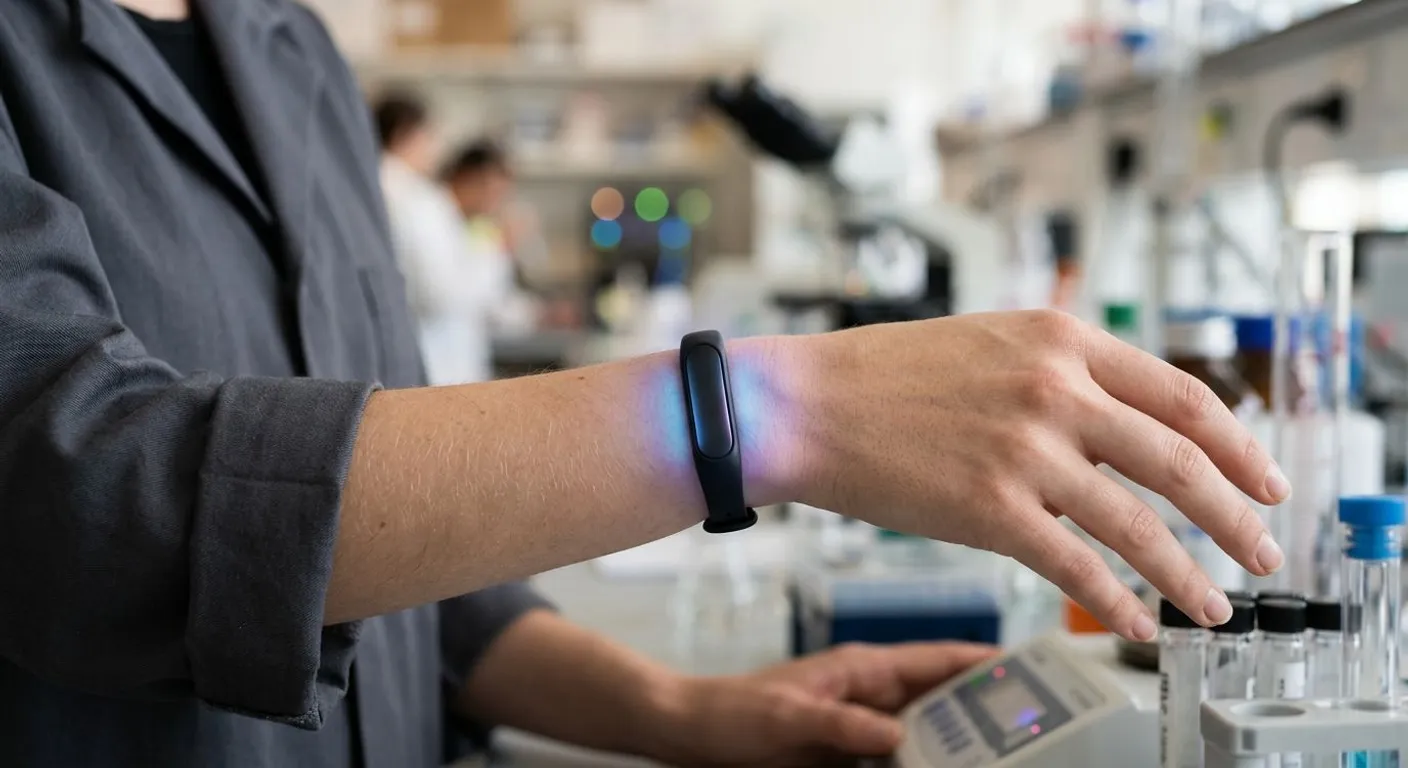
The world of wearable technology has moved far beyond counting steps or calculating burned calories. Emerging at the intersection of neuroscience, biomedical engineering, and artificial intelligence, next-generation sensors aim to make one of the most complex layers of human psychology visible: emotions. Smart wristbands that read our body's physiological responses to momentary feelings stand out for their potential to enhance emotional awareness.
Tracking the traces of our mental states on the body, these devices use specialized algorithms to optimize not only physical health, but also mental well-being processes.
How Do Smart Wristbands That Analyze Emotions Work?
When the human body experiences an emotion, the autonomic nervous system automatically kicks in. While the sympathetic nervous system triggers the "fight or flight" response, the parasympathetic nervous system calms the body. The activity of these systems affects numerous physiological parameters—from sweat gland activity and heart rhythm to vascular dilation and microscopic temperature changes. Emotion-tracking wristbands are specifically designed to capture these biometric changes.
The primary sensor technologies used in these wristbands include:
- Galvanic Skin Conductance (EDA / GSR): Micro-level sweating occurs during moments of stress or excitement. This moisture change on the skin increases electrical conductivity. EDA sensors are the most sensitive method for capturing millisecond emotional fluctuations.
- Heart Rate Variability (HRV): Measures the millisecond time difference between consecutive heartbeats. High HRV indicates resilience and calmness, whereas low HRV can signal high stress and burnout.
- Skin Temperature Sensors: Wrist temperature changes as blood flow redirects toward the body's core or extremities during moments of anger, fear, or intense focus.
- Photoplethysmography (PPG): Monitors changes in blood volume and pulse waveform using light sensors.
Today, this data turns stress management with biofeedback practices into wearable solutions, allowing users to become aware of their body's responses in real time.
Biometric Data and Emotional Correlations
A single physiological indicator is not enough to define a specific emotional state. For instance, a rapid heartbeat can indicate both excitement and fear. Therefore, smart devices cross-examine data from multiple sensors.
| Biometric Sensor | Measured Physiological Parameter | Associated Emotional States |
|---|---|---|
| EDA (Galvanic Skin Response) | Sweat gland activity and skin resistance | High Arousal, Stress, Sudden Surprise |
| HRV (Heart Rate Variability) | Autonomic nervous system balance | Chronic Anxiety, Focus, Mental Calmness |
| Skin Temperature | Superficial blood circulation speed | Fear (Cooling), Anger/Hot Flashes (Warming) |
| PPG (Optical Pulse) | Blood pressure fluctuation and rhythm | Panic, Deep Rest, Exercise Excitement |
Raw data obtained from sensors is translated into concrete emotional insights through complex pattern recognition models.
Artificial Intelligence and Affective Computing
The conversion of complex sensor data into meaningful emotional labels is made possible by a discipline called Affective Computing. Artificial intelligence and machine learning models learn a user's baseline (normal) physiological values over a few days.
Over time, the device begins to answer the following questions:
- What is the user's normal baseline skin conductance at rest?
- During a specific meeting or intense work session, does the brain's focus mechanism shift toward stress or a productive flow state?
- Is a sudden pulse spike caused by physical movement or an emotional outburst?
Personalized AI algorithms establish an individual's unique physiological signature, delivering highly accurate emotion predictions instead of species-wide generic assumptions.
Areas of Use in Daily Life and Psychology
Smart devices that track emotions appeal not only to tech enthusiasts, but also offer practical solutions across broad fields such as clinical psychology, human resources, and sports science.
- Stress Management and Preventive Intervention: The wristband can alert you right before your stress level reaches a dangerous threshold, prompting you to perform breathing exercises.
- Emotional Awareness (Mindfulness): Reviewing retrospective graphs of when you felt angry or peaceful throughout the day enhances self-awareness.
- Depression and Anxiety Monitoring: Tracking patients' daily mood fluctuations provides valuable data for therapists treating mood disorders.
- Workplace Ergonomics and Productivity: Helps optimize break times by detecting moments of mental overload among employees.
Ethical Debates and Data Privacy
The widespread adoption of emotion measurement technology brings significant ethical concerns. Digitalizing emotions—our most intimate data—requires maintaining the highest data security standards.
Access to this data by employers or insurance companies could create pressure on individuals. Indeed, micro-reactions of the human brain during decision-making carry risks of being manipulated for commercial interests. Therefore, processing emotional data locally on the device and end-to-end encryption are critically important.
What Awaits Us in the Future?
In the future, wearable emotion sensors will become fully integrated with smart home systems and digital assistants. Returning home after a stressful day, your home's lighting could soften and calming music could start playing based on stress data transmitted by your wristband.
Smart wristbands that read emotions have the potential to transform our relationship with technology from cold data tracking into an empathy-driven interaction.
References
Frequently Asked Questions
Can smart wristbands truly know what we feel with 100% accuracy?
No, wristbands measure the body's physiological responses to emotions rather than the emotions themselves. Although advanced AI models offer high accuracy, a margin of error remains.
What does Galvanic Skin Conductance (EDA) do?
The EDA sensor detects instant stress and arousal levels by measuring changes in electrical skin conductance caused by microscopic sweat gland activity.
Are emotion-tracking wristbands medical diagnostic devices?
No, these devices are designed for general wellness and self-awareness; they cannot diagnose clinical conditions like anxiety or depression, though they can assist with data tracking.
This content was researched and prepared by the İlgi Alanları editorial team and reviewed for accuracy and readability before publication. Information on health, finance and investment topics is general in nature and does not replace professional advice.