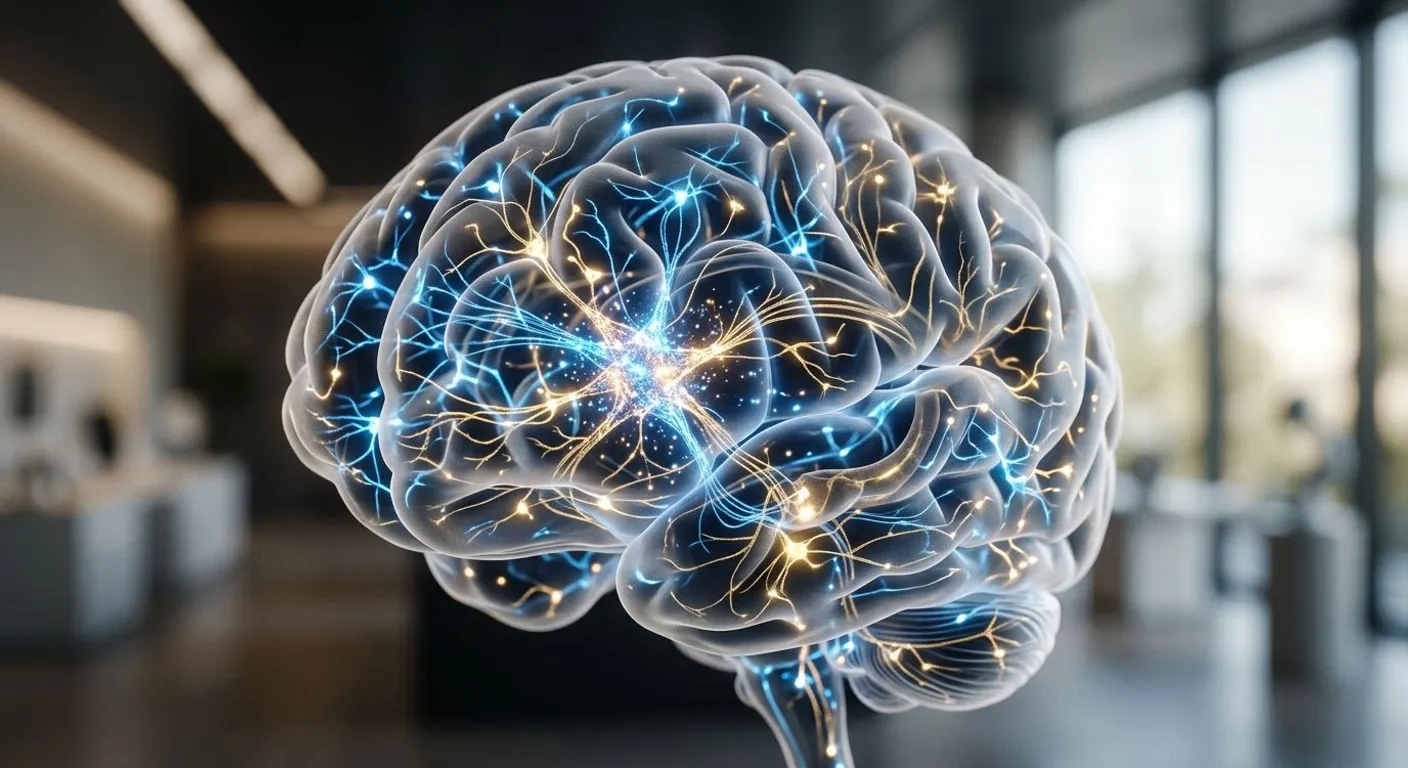
The Potential of Brain-Computer Interfaces: A Neurological Revolution
Directly connecting the human mind with the digital world, brain-computer interfaces are reshaping humanity's future, from paralysis treatment to AI integration.
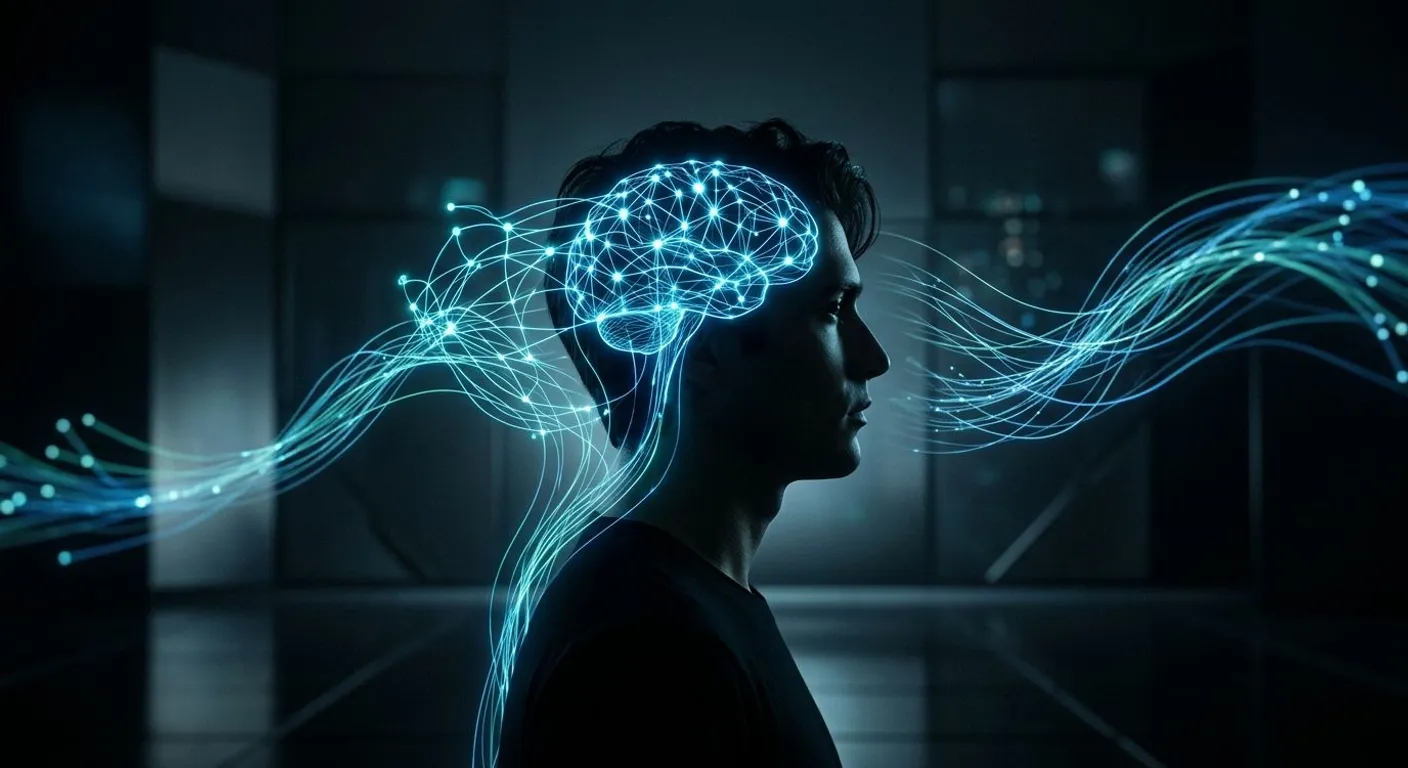
The human brain generates complex thoughts and controls the body through electrical communication between billions of neurons. Emerging at the intersection of neuroscience and engineering in recent years, brain-computer interfaces (BCIs) translate these biological signals directly into machine code, eliminating the physical barriers between humans and technology. Scenarios once seen only in science fiction movies are becoming tangible realities in the worlds of medicine and computing today.
Efforts to understand the working principles of the human mind have also accelerated through decoding neurological processes like the brain's focus mechanism. In this article, we will examine in detail the core operating principles of BCI technology, its potential in healthcare and daily life, its current limitations, and its future-shaping domains of impact.
What Is a Brain-Computer Interface (BCI) and How Does It Work?
A brain-computer interface is an integrated system of hardware and software components that establishes a direct communication channel between the central nervous system and an external device. The system operates by reading neuronal activity directly, without relying on muscle tissue or peripheral nerves.
The basic operational process of a BCI system consists of four main stages:
- Signal Acquisition: Recording neurological electrical potentials from the cerebral cortex or scalp surface.
- Preprocessing and Signal Conditioning: Filtering noise from raw biological data caused by external factors like eye blinks or muscle twitches.
- Feature Extraction and Decoding: Determining which intention or command matches the collected signals using artificial intelligence and machine learning algorithms.
- Device Command Generation: Translating decoded signals into digital commands to move a bionic limb, steer a prosthesis, or move a cursor on a screen.
As the neurological foundations of habits in the brain are researched, how our brain automatizes repetitive motor commands has been better understood, and this knowledge has been adapted into the machine learning algorithms of BCI systems.
Comparison of Invasive and Non-Invasive BCI Methods
Brain-computer interfaces are divided into two main categories depending on signal depth and application method. Accessing neurological data directly from brain tissue provides higher resolution, whereas methods that require no surgical intervention offer ease of use.
| Feature | Invasive BCI (Requires Surgery) | Non-Invasive BCI (Superficial / External) |
|---|---|---|
| Signal Source | Microelectrodes placed in the cerebral cortex | EEG electrodes placed on the scalp |
| Signal Quality | Very high resolution, low noise ratio | Low-to-medium resolution, high noise ratio |
| Surgical Risk | Infection, tissue rejection, and surgical risks present | No surgical risk |
| Area of Use | Severe paralysis, ALS, prosthetic control | Focus tracking, neuro-gaming, simple commands |
| Accessibility | Requires clinical approval, high cost | Consumer electronics level accessibility |
BCIs in Healthcare: A New Era in Treatment
The most tangible and transformative impact of brain-computer interfaces is occurring in medicine. BCI technologies offer vital independence, particularly for individuals who have lost mobility due to spinal cord injuries, amyotrophic lateral sclerosis (ALS), or strokes.
When users mentally imagine a movement, electrical waves emanating from the motor cortex are transmitted to bionic robotic exoskeletons. This makes it possible for paralyzed individuals to walk again or manipulate artificial limbs as if they were their own organs. These medical breakthroughs at the cellular level, when combined with approaches in revolutions in healthcare through nanotechnology, facilitate the integration of biosensors without damaging neuronal tissues.
The primary applications of BCIs in healthcare include:
- Prosthetic Control: Bionic hand, arm, and leg systems driven by thought power.
- Communication Interfaces: Enabling patients who have lost the ability to speak or write to type letters on a screen using only their minds.
- Neurological Rehabilitation: Stimulating brain plasticity (reorganization ability) in stroke patients to help them regain motor skills more rapidly.
Daily Life, Artificial Intelligence, and Ethical Responsibilities
The advancement of BCI technology is not limited to medicine; it is fundamentally altering the nature of human-computer interaction. In the future, we are highly likely to encounter digital systems operated directly by mental commands instead of keyboards, mice, or touchscreens.
However, this technological progress brings serious ethical and security questions:
- Mental Privacy (Neuro-Privacy): Analyzing brain waves creates the risk of processing individuals' subconscious preferences, emotional states, and thoughts without consent.
- Neuro-Cybersecurity: Leaving invasive or non-invasive implants vulnerable to external cyberattacks could directly threaten an individual's vital functions and brain activity.
- Social Inequality: Restricting high-cost mind-enhancing technological hardware to certain income groups could create biological inequalities in society.
In conclusion, brain-computer interfaces represent one of the most significant thresholds uniting biological human evolution with technological capabilities. As advancements in artificial intelligence and neuroscience continue, the boundaries between our minds and machines will become increasingly blurred.
References
Frequently Asked Questions
What exactly is a brain-computer interface (BCI)?
A BCI is a communication system that detects electrical signals in the brain and converts them into commands that computers or mechanical devices can interpret.
Can BCIs be used without surgery?
Yes. Non-invasive devices such as EEG headbands or caps equipped with electrodes can read brain waves through the scalp without requiring any surgical procedure.
Can BCIs read our thoughts completely?
No. Current BCI technologies cannot read inner thoughts like an open book; they only analyze specific focus states, motor intentions, and electrical activity patterns.
Which category do chips like Neuralink fall into?
Neuralink and similar brain implants fall into the 'invasive BCI' category because they place precision electrodes directly into brain tissue.
This content was researched and prepared by the İlgi Alanları editorial team and reviewed for accuracy and readability before publication. Information on health, finance and investment topics is general in nature and does not replace professional advice.