What Happens in the Human Mind at the Moment of Decision? The Brain's Hidden Mechanism
While making thousands of decisions throughout the day, a remarkable neurological struggle occurs in the background of our brains. We examine what happens in the mind during that critical split-second process where logic and emotion collide, supported by neuroscientific data.
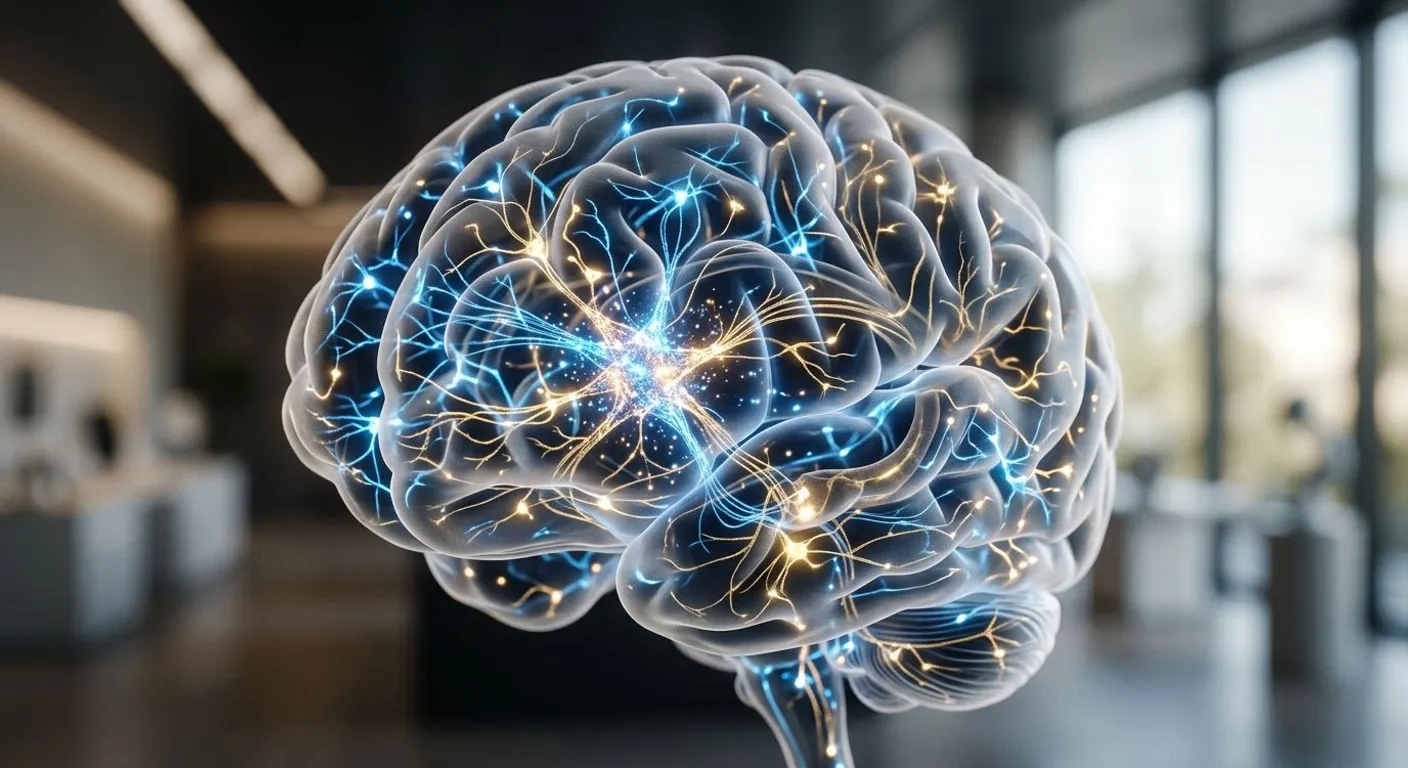
From the first rays of morning light, we make hundreds of choices—from what to wear to which email to prioritize at work or whether to approve a financial investment. The human mind generates an average of 35,000 decisions a day for an adult. While some of these decisions consist of micro-choices we are barely aware of, others can radically alter the course of our lives. So, what exactly happens in the brain at that precise moment of decision? How does this millisecond storm among neurons shape our choices?
The act of decision-making is not a simple chain of command managed from a single center. On the contrary, it is a complex neuronal network battle in which different regions of the brain compete with each other, weigh data, and simulate potential outcomes.
Neurobiological Map of the Moment of Decision
When faced with an option, different structures of the brain spring into action simultaneously. The main actors involved in the moment of decision and their roles are as follows:
- Prefrontal Cortex: Located directly behind our forehead, this area is the logic and planning center of the brain. It analyzes alternatives, evaluates long-term consequences, and suppresses impulsive decisions.
- Amygdala: Responsible for emotional memory and threat perception. It instantly transmits emotional responses such as fear, anxiety, or excitement that a decision might generate to the system.
- Ventral Striatum and Dopaminergic Pathways: Form the brain's reward system. The potential reward expectation obtained from the outcome of a choice encourages the mind in a specific direction through dopamine secretion.
- Anterior Cingulate Cortex (ACC): Monitors conflicts and risk between options. When the likelihood of making a mistake increases, it alerts the mind to exercise greater caution.
When making a choice, a tug-of-war occurs between the prefrontal cortex and the amygdala. Meta-cognitive structures that want to lean toward the logical option remain in constant communication with emotional systems containing learned responses from the past. If the choice is a routine action, the brain transfers the process to deeper structures—namely the basal ganglia—to conserve energy. This process in daily routines forms the foundation of the autopilot mechanism detailed in our article Neurological Foundations of Habits in the Brain: The Secret of Autopilot.
Dual-Process Theory: The Encounter of Logic and Intuition
The Dual-Process Theory, conceptualized by Nobel laureate psychologist Daniel Kahneman, offers one of the most important theoretical frameworks for understanding mental processes at the moment of decision.
System 1: Fast, Intuitive, and Automatic
System 1 operates at the subconscious level. It generates fast and emotional decisions effortlessly. For example, dodging an obstacle that suddenly appears in front of us or recognizing a familiar face within seconds is the work of System 1. Evolved to increase survival chances from an evolutionary standpoint, this system does not analyze data deeply; it relies on patterns and past experiences.
System 2: Slow, Analytical, and Conscious
System 2 comes into play for decisions requiring complex calculations, logical reasoning, and focused attention. Creating a complex budget plan or selecting words while learning a new language falls within the domain of System 2. Because it consumes a significant amount of energy, the brain operates this system at full capacity only when truly necessary.
Maintaining System 2 sustainably in environments with heavy information flow requires mental focus. As highlighted in our topic The Brain's Focus Mechanism: Scientific Ways to Overcome Distraction, this necessitates proper management of cognitive resources.
Comparison of Systems in Decision Processes
The table below summarizes how System 1 and System 2 differ during a moment of decision:
| Feature | System 1 (Intuitive & Fast) | System 2 (Analytical & Slow) |
|---|---|---|
| Processing Speed | Within milliseconds (Very fast) | Seconds or minutes (Slow) |
| Energy Consumption | Low (Saves glucose) | High (Consumes heavy glucose and oxygen) |
| Consciousness Level | Unconscious / Automatic | Conscious / Aware |
| Cognitive Flexibility | Low (Bound to patterns) | High (Solves complex problems) |
| Error Risk | Prone to cognitive biases | More systematic but subject to fatigue |
Are Emotions the Enemy or the Guide of Logic?
For many years, it was believed that an ideal decision could only be made through cold-blooded logical reasoning. However, modern neuroscience clearly demonstrates that an emotionless decision-making mechanism is impossible.
The Somatic Marker Hypothesis, developed by neurologist Antonio Damasio, argues that bodily responses created by past experiences (increased heart rate, muscle tension, palm sweating) leave "emotional tags" in the mind. At the moment of decision, these tags help the brain quickly filter through potential options.
In stressful situations, the stress hormones cortisol and adrenaline cause the prefrontal cortex to be suppressed and the amygdala to come to the fore. Modern devices are used today to understand and monitor these biological responses. You can explore the physical reflections of these processes through our article Technologies Measuring Stress: Discover Your Body's Hidden Signals.
Decision Fatigue and Cognitive Biases
Although the brain accounts for only 2% of total body weight, it consumes approximately 20% of the body's energy. Consecutive decisions made throughout the day lead to decision fatigue. As the glucose stores of the prefrontal cortex deplete, the mind begins to avoid making analytical decisions.
As a result of decision fatigue, the human mind tends toward two main behaviors:
- Impulsive Choices: Avoiding analytical thinking to lean toward options that provide instant gratification or come to mind first.
- Indecision and Procrastination: Preserving the status quo (status quo bias) by avoiding the cognitive load of making a choice.
Furthermore, at the moment of decision, the mind utilizes shortcuts (heuristics). Cognitive biases such as confirmation bias (seeing only data that supports one's own view) or the anchoring effect (over-relying on the first piece of information encountered) cloud the rationality of our choices.
Scientific Methods for Making Healthier Decisions
Understanding the mind's decision-making mechanism opens the door to making higher-quality choices. Based on neuroscientific research, here are strategies to enhance your decision quality:
- Schedule Important Decisions for the Morning: Early hours, when your mental energy and glucose levels are high, are the time slots when System 2 works most efficiently.
- Limit the Number of Options: An excess of choices leads to cognitive paralysis (analysis paralysis). Limit options to a maximum of 3 or 4 when making a decision.
- Apply the 24-Hour Rule: For decisions carrying a heavy emotional load, give time for amygdala activation to settle down.
- Listen to Your Body Signals: Your immediate feelings and bodily reactions are an implicit summary of your past experiences; balance emotions with logic rather than ignoring them completely.
References
Frequently Asked Questions
How long does it take for the brain to make a decision?
Intuitive and familiar decisions are made within milliseconds by System 1, whereas analytical and complex decisions can take seconds or minutes as System 2 comes into play.
What is decision fatigue?
It is the depletion of the prefrontal cortex's cognitive resources after making too many consecutive decisions, prompting the mind to make more superficial and impulsive choices.
Is it possible to make decisions by turning off emotions completely?
No. Neuroscientific studies show that individuals with damaged emotional brain regions struggle to make logical decisions or remain completely indecisive.
How much should we trust our intuition?
Intuition is the rapid processing of past experiences in the brain. If you have deep experience in a subject, your intuition is a powerful guide; however, in unfamiliar areas, it should be supported by analytical thinking.
This content was researched and prepared by the İlgi Alanları editorial team and reviewed for accuracy and readability before publication. Information on health, finance and investment topics is general in nature and does not replace professional advice.