The Brain's Focus Mechanism: Scientific Ways to Overcome Distraction
Focusing is increasingly difficult amidst today's information overload. Understanding our brain's attention mechanism is key to boosting productivity and maintaining mental clarity.
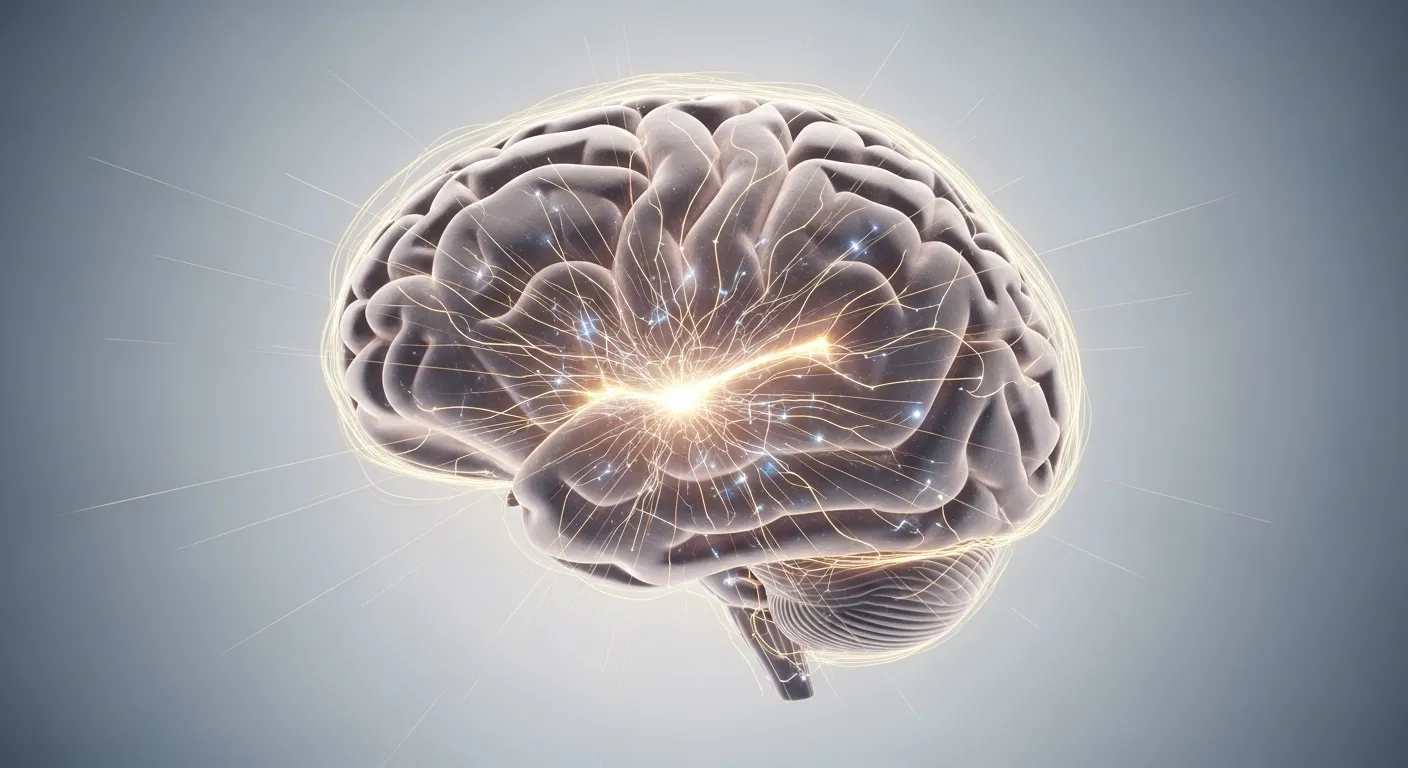
The constant flow of information in the digital age challenges our brain's naturally limited attention capacity. The ability to focus is the skill of concentrating on a task or stimulus while ignoring all other distractions. So, how does this complex process work in our brain, and how can we optimize it?When you focus on a task, your brain acts like a filter. Among the thousands of visual, auditory, or tactile stimuli around you, it selects only those relevant to your current goal and pushes others into the background. This is not just a cognitive skill but also a fundamental mechanism for survival and learning.## Fundamentals of the Brain's Focus MechanismFocus requires a complex communication network between different brain regions. This network manages the process known as selective attention and determines what the brain prioritizes.### Prefrontal Cortex: The Executive CenterLocated at the front of the brain, the prefrontal cortex (PFC) acts like the conductor of an orchestra for focus and attention control. It is responsible for executive functions such as decision-making, problem-solving, planning, and impulse control. When you focus on a task, the PFC becomes active, selecting relevant information and suppressing unnecessary input.### Thalamus: The Sensory GateThe thalamus is a structure located deep within the brain and is the main relay station for most sensory information before it reaches the cortex. During the focusing process, the thalamus acts like a 'gatekeeper,' determining which sensory information reaches consciousness. It allows important information to pass through while helping to filter out distractions.### Neurotransmitters: Chemical CommunicationNeurotransmitters in the brain are chemical messengers that facilitate communication between nerve cells. Some of the most influential ones on focus include:* Dopamine: Closely associated with motivation, reward, and goal-setting. Adequate dopamine levels enhance our ability to initiate and sustain a task.* Noradrenaline (Norepinephrine): Responsible for alertness, attention, and reaction speed. It helps us focus on potential dangers or important stimuli in the environment.* Acetylcholine: Critical for learning, memory, and sustained attention. It supports our ability to focus on something for extended periods.The balance of these neurotransmitters directly affects our ability to focus. For instance, imbalances in dopamine and noradrenaline levels are observed in some cases of attention deficit hyperactivity disorder (ADHD).## Types of FocusAttention is not a one-dimensional concept; it has different types and mechanisms:* Sustained Attention: The ability to focus on a task or stimulus for an extended period. For example, reading a book for hours or working on a complex report falls into this category.* Selective Attention: The ability to choose a specific stimulus among multiple ones in the environment, focus on it, and suppress others. Focusing on a single conversation in a crowded environment is an example.* Divided Attention: The state of trying to manage multiple tasks or stimuli simultaneously. It is often referred to as multitasking. However, scientific research shows that the brain actually switches rapidly between tasks, rather than truly focusing on multiple things at once. This can lead to decreased performance and an increased likelihood of errors.| Focus Type | Definition | Example | Effect | Performance | Productivity | Emotional State ||---|---|---|---|---|---|---|| Sustained Attention | Ability to focus on a task or stimulus for a long time. | Reading a complex book. | In-depth understanding, learning. | High | High | Calmness, flow state || Selective Attention | Selecting a specific stimulus and ignoring others. | Following a conversation in a noisy cafe. | Information processing even in noise. | Medium-High | Medium-High | Relaxation, focus || Divided Attention | Managing multiple tasks or stimuli simultaneously. | Talking on the phone while driving. | Task switching, error risk. | Low | Low | Stress, fatigue |## Distractions and the BrainDistractions are internal or external factors that disrupt our focus. External distractions include environmental factors like phone notifications, noise, or visual movement. Internal distractions are mental or physical states such as worries, daydreams, hunger, or fatigue.Our brain has a natural tendency towards new or unexpected stimuli. While this is an evolutionary survival mechanism, it means we must contend with constant distractions in the modern world. The allure of multitasking actually fatigues our brain and diminishes our ability to fully focus on a single thing. Each time the brain jumps from one task to another, it expends extra energy to refocus. This leads to mental fatigue and inefficiency.## Ways to Strengthen FocusThe ability to focus is a skill that can be developed. Here are some science-backed strategies you can implement to train your brain for better focus:### 1. Environmental Adjustments* Reduce Distractions: Organize your workspace. Silence your phone or leave it in another room. Close unnecessary tabs. Using headphones in noisy environments can be beneficial.* Focus on a Single Task: Avoid multitasking. Focusing on only one task at a time allows your brain to direct its energy to a single area. For more information on this, you can check out our article Science-Backed and Practical Ways to Extend Your Attention Span.### 2. Cognitive Strategies* Pomodoro Technique: Working uninterrupted for 25 minutes, followed by a 5-minute short break, helps increase sustained attention. It prevents brain fatigue during long work sessions.* Mindfulness Meditation: These practices, which teach you to focus your mind on the present moment, improve your ability to notice distracting thoughts and return to your task without getting caught up in them.* Task Prioritization: Try to tackle your most important and challenging tasks during your most productive hours of the day. Your brain's energy is higher during these times.### 3. Physical and Mental Health* Adequate Sleep: Sleep is critical for the brain to regenerate and process information. Insufficient sleep significantly reduces attention and concentration abilities.* Balanced Nutrition: A diet rich in omega-3 fatty acids, antioxidants, and B vitamins is important for brain health. Avoiding sugary and processed foods supports mental focus by preventing blood sugar fluctuations.* Regular Exercise: Physical activity increases blood flow to the brain, improves neurotransmitter balance, and promotes the growth of new brain cells. This directly impacts cognitive functions and focus.* Stress Management: Chronic stress negatively affects the brain's prefrontal cortex, making focus difficult. Reducing stress through meditation, deep breathing exercises, or hobbies enhances your ability to focus. For the connection between stress and habits, you can review the article Neurological Foundations of Habits in the Brain.Focus is a fundamental skill not only for success in work and studies but also for enjoying every moment of life and maintaining mental clarity. Understanding our brain's complex mechanism and supporting it with conscious strategies offers a powerful tool for coping with the challenges of the modern world. The ability to focus is also crucial for overcoming issues like creative blocks; for more information on this, you can refer to our article Scientific and Practical Ways to Overcome Creative Blocks.## References* National Institute of Neurological Disorders and Stroke* Harvard Health Publishing* Mayo Clinic
Frequently Asked Questions
Why does the brain get distracted easily?
The brain has a natural evolutionary tendency towards new and potentially important stimuli. The constant flow of information and notifications in the modern world triggers this natural inclination, causing attention to be easily diverted.
What is the effect of dopamine on focus?
Dopamine is a neurotransmitter associated with motivation, reward, and goal-setting. Adequate dopamine levels enhance the ability to initiate and sustain a task with the expectation of a reward.
Is multitasking truly beneficial?
No, scientific research indicates that the brain cannot fully focus on multiple tasks simultaneously; instead, it rapidly switches between them. This leads to mental fatigue, an increased error rate, and a decrease in overall productivity.
What kind of exercises should I do to improve focus?
Aerobic exercises (running, swimming, cycling) increase blood flow to the brain, supporting cognitive functions and focus. Additionally, mindfulness-based practices like yoga and meditation also enhance mental focusing ability.
What foods support focus for brain health?
Foods rich in omega-3 fatty acids (salmon, walnuts), antioxidants (blueberries, spinach), and B vitamins (eggs, whole grains) can support brain health and enhance focus.
This content was researched and prepared by the İlgi Alanları editorial team and reviewed for accuracy and readability before publication. Information on health, finance and investment topics is general in nature and does not replace professional advice.