Neurological Foundations of Habits in the Brain: The Secret of Autopilot
Habits that direct our daily lives are actually shaped by complex neurological processes deep within our brain. In this article, we will examine the scientific mechanisms behind our automatic behaviors and how we can manage them.
We all do some things without thinking: preparing morning coffee, brushing teeth, taking a specific route. These automated behaviors, namely habits, make up approximately 40% of our daily lives. But how exactly do these behaviors, which are so powerful and widespread, work in our brain? This article aims to shed light on the neurological foundations of habits, the roles of brain regions in this process, and how we can consciously change habits.
The Habit Loop: Cue, Routine, Reward
To understand the neurological basis of habits, one must first know how the habit loop works. This loop consists of three main steps:
- Cue: Anything that triggers the behavior. This can be a specific time (8 AM), a place (the kitchen), an emotion (boredom), other people (meeting friends), or a preceding action (after eating a meal). The brain learns to associate this cue with a reward.
- Routine: The behavior you perform in response to the cue. This can be a physical action (lighting a cigarette), a mental action (thinking negatively in a stressful situation), or an emotional action (seeking relief when anxious).
- Reward: The satisfying outcome you receive after completing the routine. The reward tells the brain that this loop is valuable and should be repeated in the future. This can be a physical pleasure (eating chocolate), an emotional relief (getting rid of stress), or a social approval (getting likes).
As the brain experiences this loop repeatedly, the neural pathways associating the cue with the routine and the routine with the reward grow stronger. Over time, this loop becomes so automated that when the cue appears, the routine begins without the need for a conscious decision.
The Brain's Habit Laboratory: The Basal Ganglia
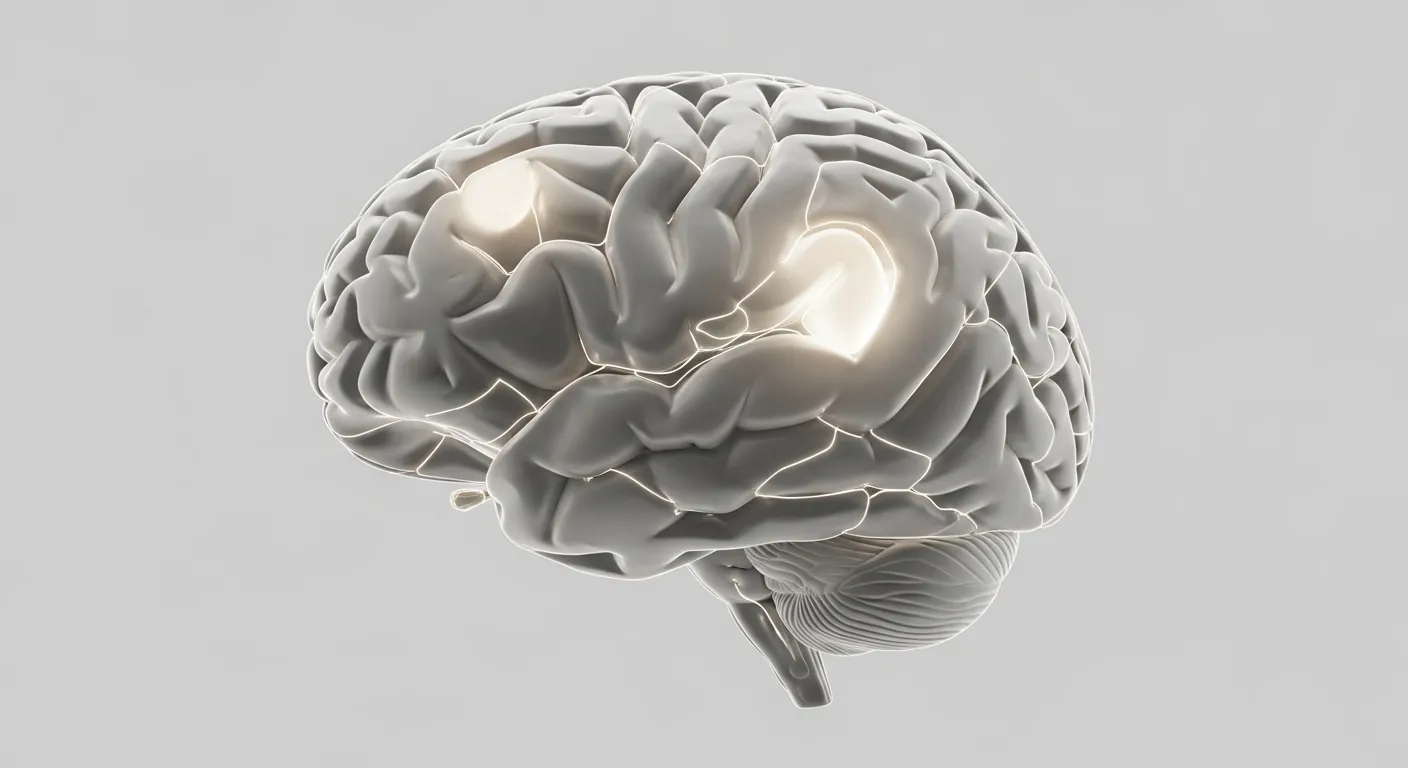
The brain structure that plays a central role in the formation and storage of habits is the basal ganglia. Located deep within the brain, this region is associated with motor control, learning, emotions, and cognitive functions. The basal ganglia encodes habits, particularly through loop learning.
The basal ganglia consists of several different nuclei; among these, the putamen and the caudate nucleus stand out in habit formation. When a behavior is performed for the first time, many different regions of the brain—prefrontal cortex (decision making), hippocampus (memory), amygdala (emotion)—are activated. However, as the behavior is repeated and turns into a habit, this activity shifts to the basal ganglia. The basal ganglia manages this process like a 'data compression' operation, turning a complex sequence of actions into a single automated program. This helps the brain conserve energy and cognitive resources.
For example, when you first learn to drive a car, every movement (turning the steering wheel, shifting gears, looking in the mirror) requires conscious effort, and your prefrontal cortex is hyperactive. However, as you practice, these actions are automated by the basal ganglia and occur without your conscious awareness. Now you can listen to the radio, chat, or think about other things while driving.
The Role of Dopamine: Learning and Motivation
Dopamine is a chemical that acts as a neurotransmitter in the brain and plays a critical role in habit formation. Although commonly known as the 'reward hormone,' dopamine's primary task is actually motivation and learning. Dopamine is released in anticipation of a reward and acts as a 'learning signal' that encourages the repetition of a behavior in the future.
During a habit loop, when the cue appears and the brain begins to expect the reward, dopamine levels rise. This surge provides strong motivation to repeat the routine. For instance, when a smoker sees a pack of cigarettes (cue), the brain starts releasing dopamine, which reinforces the urge to smoke (routine) because there is an expectation of reward (nicotine pleasure). Dopamine is associated with the anticipation of reward rather than the reward itself, and this anticipation makes habits incredibly powerful.
Prefrontal Cortex: From Conscious Control to Autopilot
The prefrontal cortex (PFC) is the region located at the front of the brain responsible for higher cognitive functions such as conscious decision making, planning, problem solving, and impulse control. When a behavior is learned for the first time, the PFC is heavily active because it must consciously evaluate and manage every step. This process requires high cognitive energy.
However, as the behavior is repeated and turned into a habit by the basal ganglia, the PFC's activity decreases. Once the habit becomes automated, the PFC's burden of managing this behavior is significantly lightened. This allows the brain to free up cognitive resources to focus on other complex tasks. This is precisely why breaking or changing a habit once it has formed is so difficult; it is no longer driven by a conscious decision mechanism, but by deeper, automated regions of the brain.
Strengthening Neural Pathways: Long-Term Potentiation
The formation of habits is closely linked to the strengthening of connections between nerve cells. This process is called long-term potentiation (LTP). When one neuron repeatedly and persistently stimulates another neuron, the synaptic connection between these two neurons strengthens. In the future, the same stimulus will trigger a stronger and faster response.
In the context of habits, the neural connection between a specific cue (e.g., leaving the house) and a specific routine (e.g., searching for keys) strengthens with every repetition. This is a physical change that makes it easier for the routine to kick in automatically when the cue appears. The stronger these neural pathways become, the harder it is to break the habit, because the brain is programmed to use this 'highway.'
How to Create Good Habits?
Understanding the neurological basis of habits gives us the power to consciously shape them:
- Start Small: Do not overload your brain. Instead of overly ambitious goals, start with small, easily executable steps. For example, instead of working out for 30 minutes every day, start with a 5-minute walk.
- Identify the Cue: Anchor your new habit to an existing cue. Performing a new habit immediately after an existing one makes it easier to automate (for instance, meditating for 5 minutes right after brushing your teeth).
- Reinforce the Reward: Reward yourself after your new habit. The reward teaches your brain that this behavior is worth repeating by triggering dopamine release. It is important that the reward follows immediately and is satisfying.
- Design Your Environment: Create an environment that supports your habits. For example, if you want to adopt healthy eating habits, keep healthy snacks in your kitchen and eliminate unhealthy choices.
- Consistency is Key: Habits form over time. Practicing regularly every day is critical for strengthening neural pathways. It is important to keep going even if there are occasional slip-ups.
How to Change Bad Habits?
Breaking bad habits is just as possible as creating new ones, but it is often harder because the old neural pathways are already deeply ingrained.
- Recognize and Avoid Cues: Identify what triggers the bad habit. Then, try to avoid or alter these cues as much as possible. For example, if you have a habit of eating junk food in front of the TV, leave the junk food in the kitchen while watching TV.
- Replace the Routine with a New One: Instead of eliminating the old routine entirely, respond to the same cue with a different, more positive routine. If your smoking trigger is stress, try taking a short walk or practicing deep breathing exercises instead of smoking.
- Redefine the Reward: Try to understand the actual reward that the bad habit provides you. Then, think about whether you can obtain this reward through another, healthier way. For example, if endlessly scrolling on social media provides instant escape, try experiencing this escape by reading a book or taking up a new hobby.
- Alter the Environment: Remove elements that facilitate bad habits from your environment. For instance, if you have a habit of using your phone late at night, charge your phone outside your bedroom.
- Mindfulness and Meditation: Mindfulness allows you to notice the space between bad habit triggers and your automatic responses. This gives you a chance to make a conscious choice and break the routine.
Comparison of Brain Regions in the Habit Formation Process
| Brain Region | Role | Impact on Habit Process | Status |
|---|---|---|---|
| Basal Ganglia | Coding and storing habits | Automates action sequences into a single program | Active in habits |
| Prefrontal Cortex | Conscious decision making and control | Active during learning; hands over control as habit forms | Inactive in habits |
| Dopamine System | Motivation and reward anticipation | Reinforces habit loop by signaling reward expectation | Active on cue |
Frequently Asked Questions
In which region of the brain do habits form?
Habits are formed and stored in the **basal ganglia**, a region located deep within the brain responsible for motor control and learning.
What is dopamine's role in habit formation?
**Dopamine** is released in anticipation of a reward, providing motivation to repeat the behavior and thereby reinforcing habit learning.
How is the prefrontal cortex related to habits?
The **prefrontal cortex** is responsible for the conscious control of new behaviors; however, as a behavior turns into a habit, it hands over control to the basal ganglia and its activity decreases.
What steps make up the habit loop?
The habit loop consists of three steps: **Cue** (which initiates the behavior), **Routine** (the behavior itself), and **Reward** (the satisfaction provided by the behavior).
Why is it difficult to change a bad habit?
Because bad habits create strong and automated neural pathways in the brain, they are triggered beyond conscious control, making them challenging to change.
This content was researched and prepared by the İlgi Alanları editorial team and reviewed for accuracy and readability before publication. Information on health, finance and investment topics is general in nature and does not replace professional advice.