Technological Sensors in Golf: Swing Analysis & Performance Guide
Thanks to technological sensors, golf is transforming from an intuitive game into a completely data-driven science. Discover smart sensor systems for swing analysis and performance enhancement.
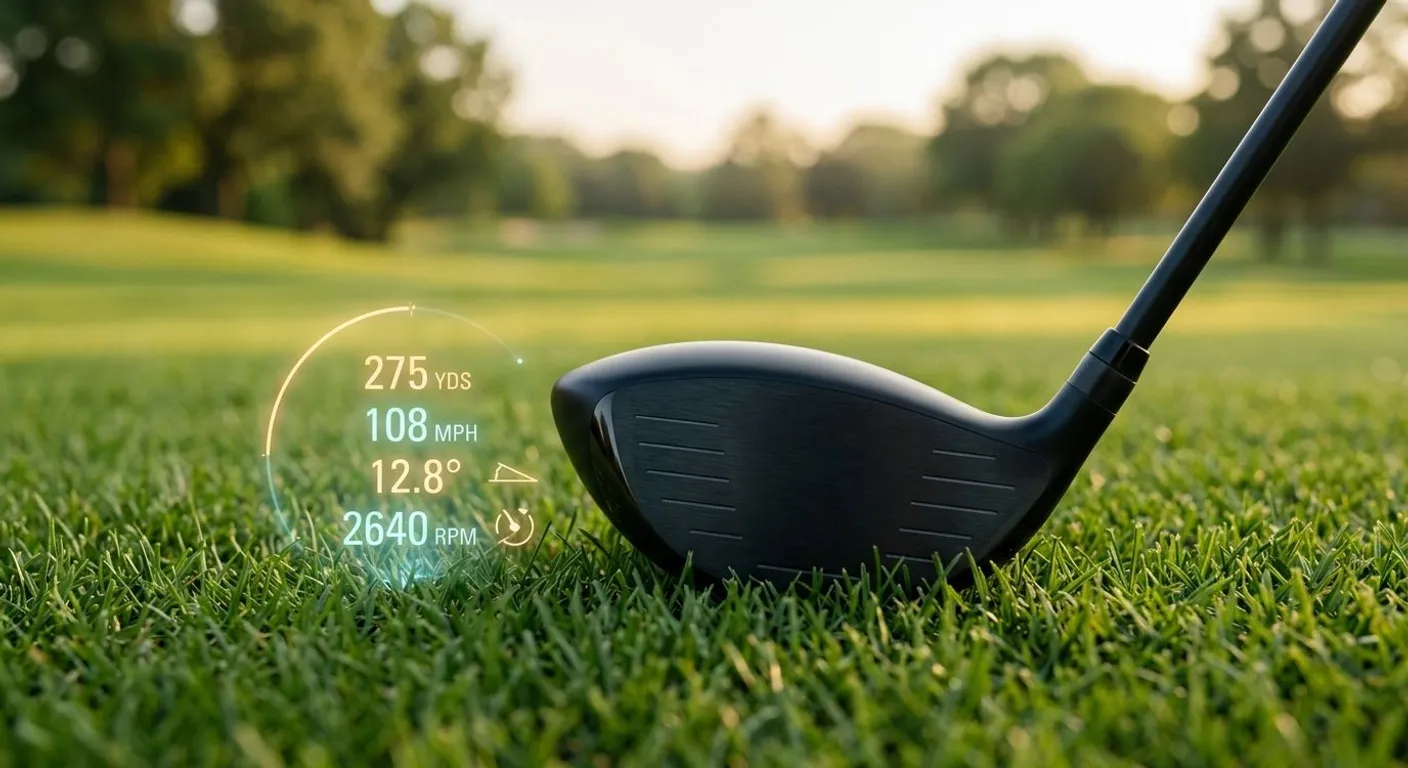
Golf is a sport where precision, timing, and millimeter-level angular accuracy are decisive. While traditional methods relied heavily on coach observations and player feel to evaluate swing quality, technological sensors in golf have transformed the game into a fully data-driven discipline in the modern era. Ranging from microchips attached to the club grip to wearable devices monitoring body biomechanics, this technology ecosystem turns the practice range into a personal analytics laboratory.
Thanks to advanced data analytics, measuring your swing dynamics, determining launch angles, and optimizing your on-course strategy are now accessible to golfers of all skill levels.
How Smart Golf Sensor Technologies Work
Smart golf sensors perform three-dimensional motion tracking using onboard hardware such as accelerometers, gyroscopes, and magnetometers. Collecting high-frequency data within milliseconds, these devices convert the entire motion—from setup position to impact—into a digital model.
The gathered data is transmitted via wireless protocols (Bluetooth or Wi-Fi) to smartphones, tablets, or cloud software. This allows the athlete to immediately review critical parameters on their screen after a shot, including club path, face angle, and swing tempo.
Key Golf Sensor Types and Measurement Metrics
Technological sensors used to improve golf performance fall into four main categories based on application and mounting method:
1. Club Head and Grip Sensors
Fixed to the club grip or shaft via a screw mechanism, these extremely lightweight devices measure fundamental swing parameters. They allow players to execute their natural swing without feeling any added weight.
- Swing Speed: Linear speed of the club at impact with the ball.
- Tempo Ratio: The ratio between backswing time and downswing time. An ideal ratio is generally accepted as 3:1.
- Angular Accuracy: Whether the clubface is open, closed, or square at ball impact.
2. Wearable Biometric and Body Sensors
Biometric sensors placed on key body areas (chest, waist, glove, or wrist) analyze how efficiently the kinetic chain functions. Torso rotation and weight transfer are vital to a golf swing. Similarly in the sports world, wearable technology trends help athletes perfect their body mechanics. Additionally, for mental focus and heart rate monitoring, wearable devices focused on biometric emotion tracking help balance stress levels during play.
3. Smartwatches and GPS Course Sensors
GPS-enabled smartwatches detect your position on the golf course, distance to the pin, and hole layout, often featuring automatic shot detection. They statistically record how far you hit with each club and support data-backed club selection.
4. Launch Monitors
Utilizing Doppler radar and high-speed optical cameras, these devices focus on ball flight dynamics. They calculate ball speed, launch angle, backspin, and sidespin rates with millimeter precision.
Comparison of Golf Sensor Systems
In the table below, you can examine the main features and core focus areas of the most preferred golf sensor technologies:
| Sensor Type | Key Measurement Data | Usage Location | Key Advantage |
|---|---|---|---|
| Club Grip Sensor | Swing speed, face angle, tempo | Club grip | Lightweight, economical, and easy to mount |
| Wearable Body Sensor | Torso angle, hip rotation | Chest / Waist area | Improves body mechanics and biomechanics |
| GPS Smart Golf Watch | Course distance, automatic shot tracking | Wrist | Course management and practical score tracking |
| Doppler Radar Launch Monitor | Spin rate, carry distance, ball speed | Ground (Behind the ball) | Comprehensive ball flight and precise swing analysis |
How to Conduct Swing Analysis Using Sensor Data
To get the maximum yield from devices providing advanced data streams, you must interpret the data correctly. A successful swing analysis consists of the following steps:
- Establishing a Baseline: After attaching the sensor, take warm-up swings to establish your average baseline metrics.
- Tempo and Rhythm Control: Examine the consistency of your backswing and downswing timing. A stable tempo is the key to consistent shots.
- Face Angle and Club Path Analysis: Check the clubface angle at impact to understand why the ball curves to the right or left.
- Mental and Physical Tension Management: Utilize stress management with biofeedback techniques to track how your swing rhythm changes under pressure.
Sensor Selection Guide for Amateurs and Professionals
Your budget and playing goals dictate which technological sensor best fits your needs:
- Beginner and Intermediate Levels: Grip-mounted sensor sets or GPS smartwatches are sufficient. These provide average distance statistics and basic directional error analysis.
- Advanced and Professional Levels: Portable launch monitors and multi-point body sensors are recommended. Ball spin rates and millimeter-accurate face angle data are essential for technical mastery.
Golf Rules and Sensor Usage in Official Tournaments
The governing bodies of golf, the USGA (United States Golf Association) and The R&A, permit all forms of sensors during practice while enforcing specific restrictions during official competition. Devices offering live wind direction measurement or live bio-data analysis are prohibited during tournament rounds. However, standalone rangefinders with slope functionality disabled are allowed if permitted by local rules.
References
Frequently Asked Questions
How do golf sensors improve swing technique?
By providing real-time data on swing speed, club angle, and tempo, sensors allow you to identify intuitive flaws with concrete numbers.
Does a club grip sensor affect swing weight?
No, because modern sensors are designed to be extremely lightweight (usually 8-10 grams), they do not perceptibly alter the club's balance or swing weight.
Can golf sensors be used in official tournaments?
They are freely permitted during practice; however, in official tournaments, using sensors that perform live bio-analysis or measure slope is prohibited under USGA and R&A rules.
What is the difference between a launch monitor and a club sensor?
A club sensor directly measures the movement and angle of the club, whereas a launch monitor uses radar to measure the ball's launch angle, spin rate, and carry distance.
This content was researched and prepared by the İlgi Alanları editorial team and reviewed for accuracy and readability before publication. Information on health, finance and investment topics is general in nature and does not replace professional advice.