Modern Technologies That Simplify Home Composting and Their Benefits
For those who want to contribute to a sustainable life by utilizing organic waste, composting is now much easier. Thanks to modern technologies, this process is both faster and more hygienic.
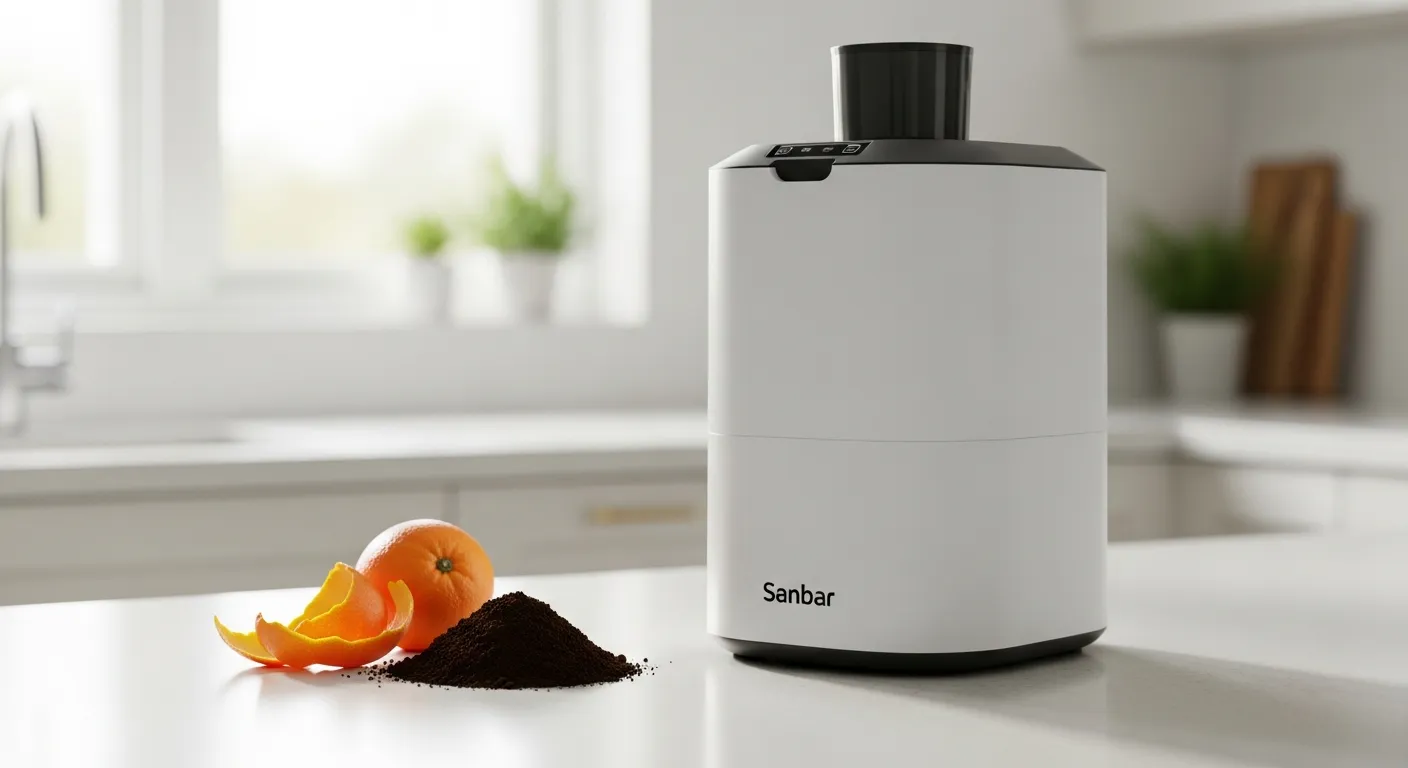
Utilizing organic waste at home is one of the important steps towards a sustainable lifestyle. Turning kitchen waste into compost reduces the amount of trash, improves soil health, and provides valuable fertilizer. However, traditional composting methods can create challenges, especially for urban dwellers, regarding space, odor, and time. Fortunately, technology offers solutions that make this process accessible and easy for everyone.This article details modern technologies that streamline home composting, how these systems work, and the benefits they provide. It aims to offer a comprehensive guide for those who wish to dispose of their organic waste in an eco-friendly manner.## Why is Composting Important?Compost is the natural decomposition of kitchen and garden waste into a rich soil amendment. This process not only reduces waste but also increases soil nutrient content, improves water retention capacity, and reduces the need for chemical fertilizers. While organic waste going to landfills causes the emission of powerful greenhouse gases like methane, composting significantly mitigates this effect. By making your own compost, you take a significant step towards reducing your carbon footprint. You can find more information on this topic in our article Daily Habits That Reduce Your Carbon Footprint: A Guide to Sustainable Living.## Challenges of Traditional Composting MethodsClassic compost piles or bins have some disadvantages, especially for those without large gardens or living in apartments:* Space Requirement: Traditional compost piles take up a considerable amount of space.* Odor and Pests: Odors produced during decomposition and pests like flies and insects can be deterrents.* Time and Effort: Regular turning of materials, maintaining moisture balance, and the long decomposition time require patience.* Weather Conditions: Outdoor composting can be affected by weather conditions, slowing down in winter or causing problems with excessive rain.## Modern Technologies That Simplify CompostingWith the advancement of technology, composting has become much less laborious and significantly faster. Here are the most popular and effective composting technologies:### Electric Kitchen CompostersElectric kitchen composters are compact devices designed especially for urban dwellers and those with small spaces. These machines accelerate the composting process by transforming organic waste into a soil-like substance within a few hours.How They Work? These devices typically combine mechanisms such as heating, mixing, and grinding. They grind waste to increase its surface area, apply heat to accelerate decomposition, and aerate to prevent odor formation. Some models can reduce waste volume by up to 90% by drying and sterilizing it.Advantages:* Speed: Processes waste within a few hours.* Odor Control: Typically eliminates odor problems thanks to carbon filters or closed systems.* Compact Design: Can be used on kitchen countertops or in small spaces like balconies.* Ease of Use: Simply add waste and press a button.Disadvantages:* Electricity Consumption: Requires energy to operate.* Cost: Higher initial investment cost compared to traditional methods.* Not True Compost: The resulting product is not fully mature compost but rather a compost starter or soil amendment that can be used.### Tumbling CompostersTumbling composters are ideal for those who want to compost outdoors but wish to avoid the hassle of constant turning. They are typically cylindrical or spherical in shape and can be rotated around an axis.How They Work? Organic waste is loaded into the bin and regularly (usually a few times a week) rotated for aeration. This rotation ensures the waste mixes and receives oxygen, which accelerates the decomposition process and promotes even breakdown.Advantages:* Easy Aeration: No need for a shovel to mix waste; simply turning it is sufficient.* Pest Protection: Closed systems prevent pests from entering.* Odor Reduction: Less odor formation compared to traditional piles due to good aeration.* Speed: Produces compost faster than traditional piles (a few weeks to a few months).Disadvantages:* Space Requirement: Takes up relatively more space outdoors.* Weight: Turning a full tumbling composter can be challenging.* Single Compartment: In most models, there's a risk of new waste mixing with older waste when added.### Smart Composting Systems and ApplicationsOne of the most innovative approaches technology brings to composting is smart composting systems. These systems monitor and optimize the process through IoT (Internet of Things) integration.How They Work? Smart composters are equipped with sensors that measure moisture, temperature, and aeration levels. They send this data to a mobile application or a cloud-based platform. Users can monitor the compost's status via the app, make necessary adjustments, or receive notifications on when to turn or add water.Advantages:* Optimization: Helps manage the composting process most efficiently.* Easy Monitoring: Offers the ability to track every stage of the process remotely.* Education and Guidance: Provides guidance for beginners.* Minimum Effort: Reduces manual intervention.Dezavantajları:* High Cost: Initial investment cost is higher compared to other options.* Technological Dependence: May require internet connection and app usage.* Complexity: Setup and usage might be complex for some users.## Comparison: Different Composting Technologies| Feature | Electric Kitchen Composters | Tumbling Composters | Smart Composting Systems ||---------------------|---------------------------------------------|-----------------------------------------------|--------------------------------------------------|| Installation Location | Indoor (kitchen countertop) | Outdoor (garden, balcony) | Indoor/Outdoor (varies by model) || Speed | Very fast (a few hours) | Medium fast (a few weeks/months) | Fast to medium (depending on optimization) || Odor Control | Excellent (filtered, closed system) | Good (closed system, regular aeration) | Excellent (sensor-controlled aeration) || Ease of Maintenance | Very easy (press a button) | Medium (regular turning) | Easy (with app guidance) || Space Requirement | Very little (countertop) | Medium (garden/balcony) | Medium (depending on device size) || Cost | High | Medium | Very High || Energy Requirement | Yes (electricity) | No | Yes (electricity, rechargeable) || Suitable For | Urban dwellers, busy schedules, those sensitive to odors | Garden owners, those who prefer practicality | Tech enthusiasts, those seeking maximum efficiency |## Considerations for Technology-Assisted CompostingAlthough technologies simplify composting, basic composting principles still apply:* Material Balance: The ratio of carbon (brown) to nitrogen (green) is important. Kitchen waste (fruit/vegetable peels, coffee grounds) is rich in nitrogen. Materials like dried leaves and small twigs provide carbon. Follow the ratios in your device's manual.* Moisture Level: Compost should be moist but not wet. The ideal moisture is when a few drops of water can be squeezed out.* User Manual: Each device has its own specific operating instructions. Follow these instructions to get the best results and extend the life of your device.* Correct Waste: Meat, dairy products, oily foods, diseased plants, or chemical-containing waste are not suitable for composters. Such waste can damage devices or lead to unwanted odor/pest problems.## Open the Doors to a Sustainable Life with CompostingComposting not only transforms waste but also signifies embracing a philosophy of sustainable living that respects natural cycles. Modern composting technologies make it possible for everyone to incorporate this valuable habit into their daily routine. By combining it with biophilic design approaches that bring nature into your home, you can create a greener and more eco-friendly atmosphere in your living spaces. By utilizing your organic waste, you can both bring life to your own garden and contribute to the future of our planet. Remember, small steps make a big difference. On your sustainability journey, you can expand your environmental impact by exploring other topics such as Rainwater Harvesting Systems: A Step Towards a Sustainable Future.
Frequently Asked Questions
How long do electric composters take to make compost?
Electric composters typically convert organic waste into a significantly reduced, soil-like substance within 3 to 24 hours, depending on the model and waste type.
Is there an odor when composting?
Modern composting technologies, especially electric composters and enclosed tumbling composters, minimize or completely prevent odor formation through ventilation systems and carbon filters. Bad odors usually result from an incorrect material balance or insufficient aeration.
What waste can be composted?
Fruit and vegetable peels, coffee grounds, tea bags, eggshells, bread crumbs, and garden waste (leaves, grass, small branches) are suitable for composting. Meat, fish, dairy products, oily foods, and diseased plants should not be composted.
Can composting be done in a city apartment?
Yes, electric kitchen composters and some compact worm composting bins are very suitable for apartments and urban living as they solve odor and space issues.
Are composting technologies expensive?
The cost of composting technologies varies depending on the device and its features. Electric kitchen composters and smart systems have a higher initial cost, while tumbling composters can be more affordable. However, they offer long-term savings on waste reduction and fertilizer costs.
This content was researched and prepared by the İlgi Alanları editorial team and reviewed for accuracy and readability before publication. Information on health, finance and investment topics is general in nature and does not replace professional advice.