Seasonal Balcony Vegetable Growing Calendar and Care Guide
Producing your own food in metropolitan life is not impossible. Discover the seasonal vegetable planting and care calendar that will turn your balcony into a mini garden.
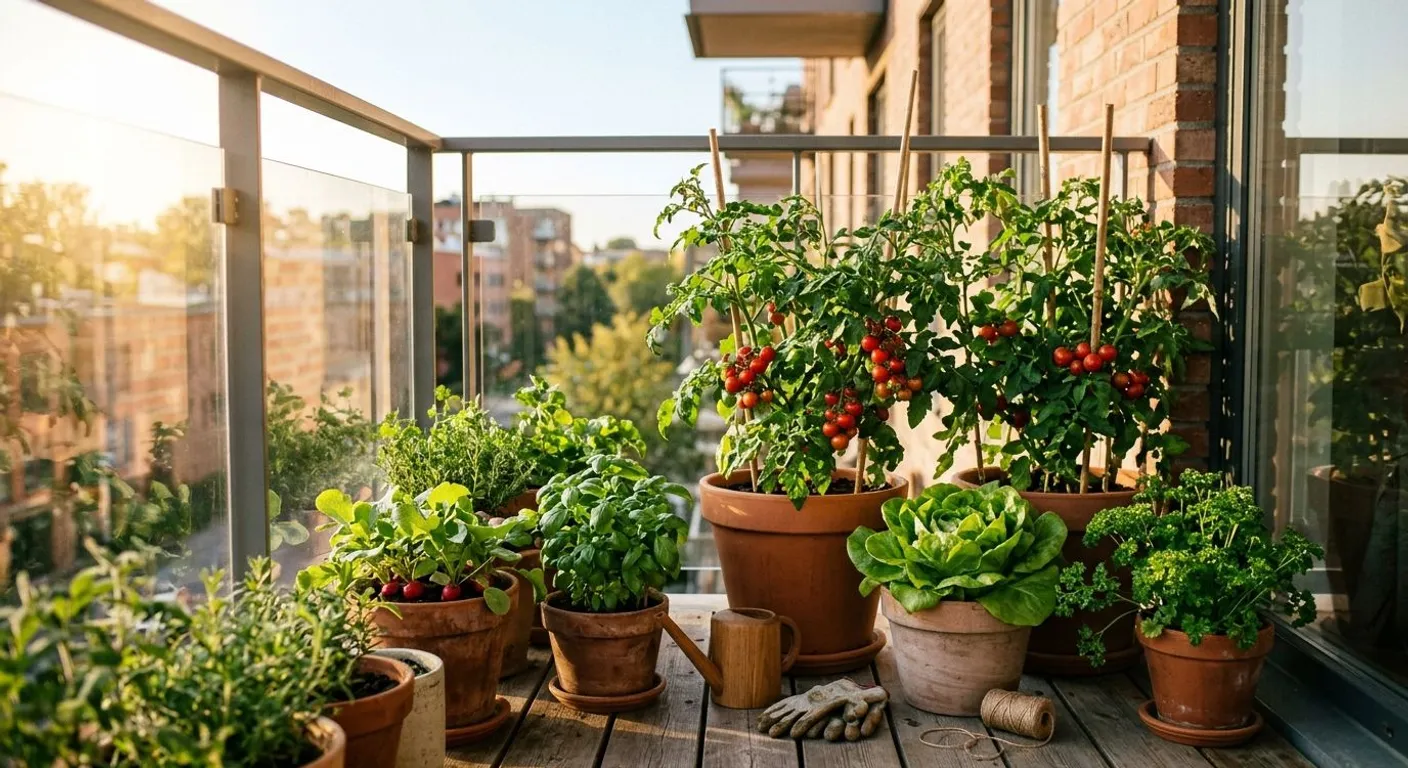
In the busy rhythm of city life, balcony gardening is the most enjoyable way to connect with nature and bring additive-free produce to your table. Regardless of square footage, you can transform your balcony into a productive garden with proper planning and choices suited to seasonal conditions. Supporting seasonal eating habits with crops you grow yourself while adopting a sustainable lifestyle contributes directly to both your health and your budget.
The fundamental secret to growing vegetables on a balcony is respecting the plants' biological calendar. Knowing when a vegetable will germinate, when it needs sun, and when it should be harvested increases crop yield manifold.
Key Factors Determining Success in Balcony Gardening
Before moving on to the seasonal calendar, you need to analyze your balcony's microclimate. Not every balcony receives the same amount of light or wind. Providing the right growing conditions is just as vital as choosing the right vegetables.
- Sunlight Duration: Fruiting vegetables like tomatoes, peppers, and cucumbers need at least 6-8 hours of direct sunlight per day. Leafy greens like arugula, parsley, and spinach can thrive in partial shade with 3-4 hours of light.
- Pot Depth and Drainage: Deep-rooted vegetables (carrots, tomatoes, eggplants) require pots at least 30-40 cm deep. A depth of 15-20 cm is sufficient for leafy greens. All pots must have drainage holes at the bottom.
- Soil Quality: Garden soil compacts quickly in pots and suffocates roots. Therefore, lightweight mixes consisting of perlite, peat, and organic matter-rich compost should be preferred. To make use of your household food waste, you can produce your own natural fertilizer using home composting methods.
Four-Season Balcony Vegetable Growing Calendar
Succeeding in vegetable gardening means following nature's rhythm. The 12-month planting, care, and harvest calendar is as follows:
Spring Season (March - May): Enthusiasm and Planting Time
Spring is the busiest period for balcony gardening. As the risk of frost passes, seed sowing and seedling planting for summer vegetables begin.
- March: Tomato, pepper, and eggplant seeds are sown in seedling trays indoors or on a sheltered balcony. Arugula, cress, parsley, and peas can be sown directly into pots outdoors.
- April: Germinated seedlings are transplanted to their main pots. Cucumber and zucchini seeds are planted into the soil.
- May: Summer seedlings are settled into their permanent spots on the balcony. Regular watering and organic liquid fertilizer supplements begin.
Summer Season (June - August): Care and Harvest Joy
Summer is a bountiful period where the rewards of hard work are reaped. However, high temperatures make water management critical.
- June: The first harvests of strawberries, cherry tomatoes, crunchy cucumbers, and fresh herbs are made. Mulching is applied around the base of plants to retain soil moisture.
- July: In this month when heat peaks, watering should be done early in the morning or late in the evening. To prevent plants from dehydrating in hot weather, automatic watering systems for houseplants offer great convenience.
- August: The last intensive harvests of summer produce are completed. Toward the end of the month, potting soil is aerated and rested for autumn planting.
Autumn Season (September - November): Cool-Climate Vegetables
As temperatures cool down, a second wave of production can be launched on the balcony. Vegetables that favor cool weather become much tastier during this period.
- September: Spinach, Swiss chard, lettuce, chicory, and radish seeds are sown in pots. Green onion bulbs and garlic cloves are planted in the soil for fresh consumption.
- October: The first shoots of leafy greens begin to be harvested. Planting winter seedlings such as broccoli and cauliflower is completed.
- November: As the weather turns cold, the water requirement of plants decreases. Wall bases protected from wind are preferred.
Winter Season (December - February): Rest and Protection
The balcony garden doesn't shut down completely in winter. With proper protection methods, you can continue to harvest fresh greens.
- December - January: On nights with frost risk, pots are covered with transparent greenhouse plastic or agricultural fleece. Indoors on windowsills, microgreens or germination trays can be prepared.
- February: Seed stocks are checked for spring planting, and wooden or plastic pots are cleaned to prepare for the new season.
Summary of Balcony Vegetable Growing Calendar
In the table below, you can find the sowing, planting, and yield timelines for the most popular balcony vegetables:
| Vegetable Type | Seed/Seedling Planting Time | Sunlight Requirement | Ideal Pot Depth | Harvest Time |
|---|---|---|---|---|
| Cherry Tomato | April - May (Seedling) | Full Sun (6-8 Hours) | 30 - 40 cm | 70 - 90 Days |
| Green Pepper | April - May (Seedling) | Full Sun (6-8 Hours) | 25 - 30 cm | 60 - 80 Days |
| Crisp Cucumber | May - June | Partial Shade / Sun | 30 cm | 50 - 60 Days |
| Arugula & Parsley | March - October (Continuous) | Partial Shade (3-4 Hours) | 15 - 20 cm | 30 - 45 Days |
| Spinach & Swiss Chard | September - November | Partial Shade | 20 - 25 cm | 40 - 50 Days |
| Red Radish | September - October / March | Partial Shade / Sun | 15 - 20 cm | 25 - 35 Days |
Tips to Increase Yield When Growing Vegetables on a Balcony
To get maximum yield from limited soil volume on a balcony, some practical techniques should be applied.
- Create Vertical Garden Spaces: To make efficient use of floor space on small balconies, practice vertical gardening using wall shelves, hanging pots, or ladder stands.
- Companion Planting Technique: Some plants protect each other from pests and enhance flavor when grown together. For example, basil planted next to tomatoes repels flies and pests while enhancing the flavor of tomatoes.
- Natural Pest Control: Instead of chemical pesticides, you can fight aphids with a natural spray prepared by mixing 1 teaspoon of liquid Castile soap and a few drops of neem oil in 1 liter of water.
- Water Conservation: Collecting rainwater when watering your balcony garden helps maintain the soil's pH balance and prevents chlorine in tap water from harming plant roots.
Growing your own vegetables on your balcony increases your awareness of food production processes while helping you escape the stress of city life. By staying true to the seasonal calendar, you can bring fresh crops grown with your own hands to your table in every season.
Resources
Frequently Asked Questions
How much sunlight is required to grow vegetables on a balcony?
Fruiting vegetables such as tomatoes, peppers, and eggplants require at least 6-8 hours of direct sunlight per day. Leafy greens like arugula, parsley, lettuce, and spinach grow healthily in partial shade with 3-4 hours of sun.
What soil should be used when growing vegetables in pots?
Since garden soil compacts over time in containers, aerated and well-draining potting mixes made of perlite, peat, coconut coir (coco peat), and organic compost should be preferred.
Which vegetables can grow on a shaded balcony?
Greens such as arugula, parsley, mint, dill, Swiss chard, spinach, lettuce, and garlic can be successfully grown on balconies receiving limited direct sunlight.
How often should potted vegetables be watered?
Watering frequency varies depending on the season and temperature. The best method is to test moisture by sticking your finger 2-3 cm into the soil; if the soil is dry, water thoroughly.
This content was researched and prepared by the İlgi Alanları editorial team and reviewed for accuracy and readability before publication. Information on health, finance and investment topics is general in nature and does not replace professional advice.