Rainwater Harvesting Systems: A Step Towards a Sustainable Future
As our planet's water resources are increasingly depleted, rainwater harvesting systems offer a crucial solution for both individual and environmental sustainability. In this guide, you will discover practical ways to install and utilize your own rainwater harvesting system.
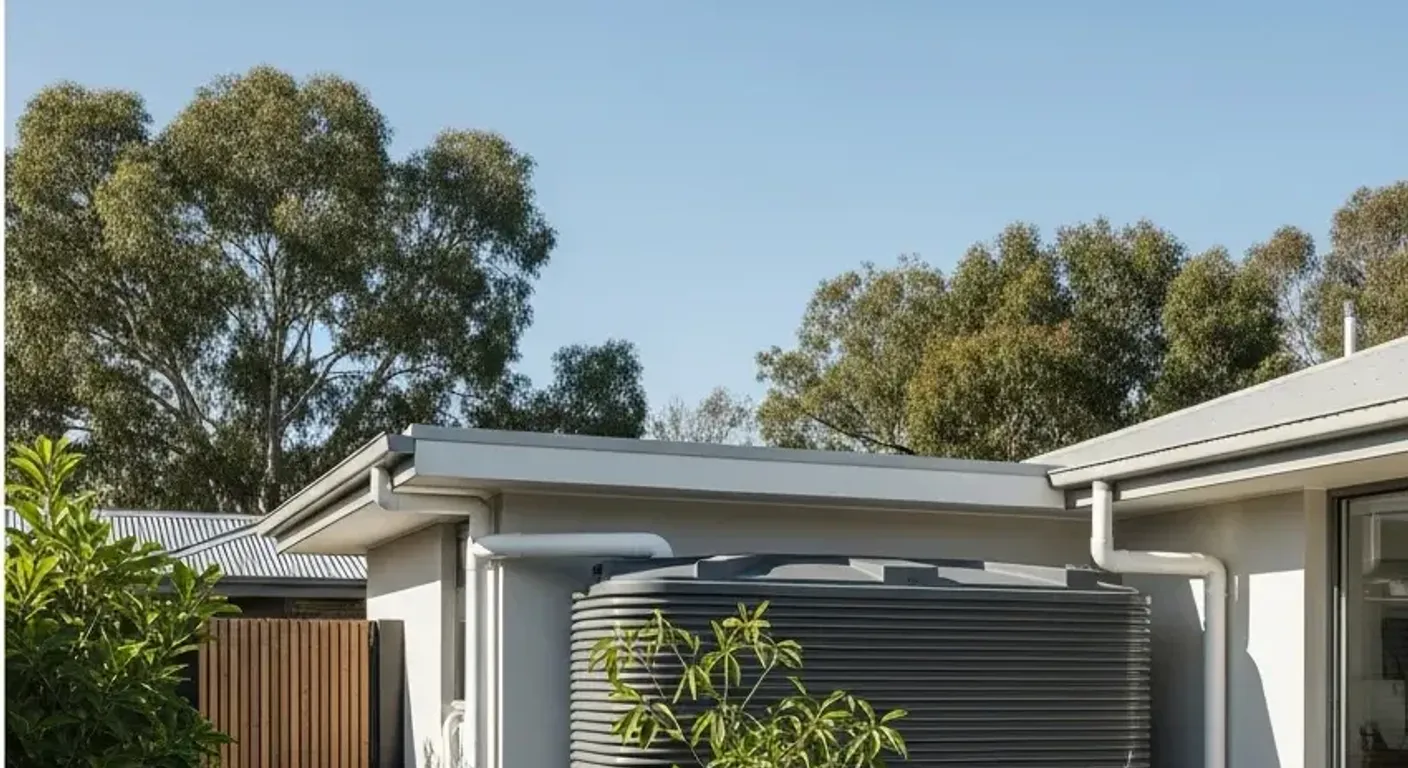
The pressure on our planet's water resources is increasing daily. In this situation, water management strategies are becoming a focal point not only for governments but also for individuals. Rainwater harvesting systems offer a practical and effective method to contribute to environmental sustainability and support household budgets. This article details how rainwater harvesting systems work, their components, installation, areas of use, and the benefits they provide.
What is Rainwater Harvesting and Why is it Important?
Rainwater harvesting is the process of collecting precipitation that falls on impervious surfaces such as roofs and terraces, storing it for later use. This method has been used for thousands of years by various cultures to combat water scarcity and has become more efficient today with modern technologies.
The importance of rainwater harvesting manifests in various dimensions:
- Preservation of Water Resources: With global climate change and increasing population, the pressure on freshwater resources is growing. Rainwater use contributes positively to the preservation of groundwater levels and the natural water cycle.
- Cost Savings: By reducing reliance on mains water, it leads to significant reductions in water bills. This effect is particularly noticeable in outdoor uses such as garden irrigation and car washing.
- Reduction of Environmental Footprint: The treatment, pumping, and distribution processes of mains water require energy consumption. Rainwater use reduces the need for these processes, thereby shrinking the carbon footprint.
- Drought Resilience: Especially in regions frequently affected by drought, rainwater harvesting systems offer an alternative water source for plants and emergencies.
- Flood Risk Reduction: With urbanization, increasing concrete surfaces cause rainwater to run off quickly, increasing flood risk. Rainwater harvesting systems help reduce local flood risk by slowing down this runoff.
Key Components of Rainwater Harvesting Systems
A rainwater harvesting system typically consists of several main components. These components manage the process from collecting water from the roof to storing it and ultimately delivering it to the point of use.
- Collection Surface: This is usually the roof of buildings. The roof material (tile, metal, concrete, etc.) can affect water quality. Asbestos-containing roofs or very old, dirty roofs should not be preferred.
- Gutters and Downspouts: These are channels and pipes that direct water from the roof, through filtration, to the storage tank. Regular cleaning is vitally important.
- Filtration Stages:
- Leaf Screens/Grates: Separate large leaves, branches, and other solid matter before they enter the system.
- First Flush Diverter: Prevents dust, pollen, and other debris accumulated on the roof from mixing with the water during the initial moments of rainfall. This water is collected in a separate chamber and later drained.
- Fine Filters: Used to purify water entering the tank from smaller particles. They typically consist of metal or synthetic screens.
- Storage Tanks: These are tanks that hold the collected water. They vary in material (polyethylene, fiberglass, concrete), size, and placement (above-ground, underground). It is important that the tank is opaque to prevent algae growth and has a ventilation opening.
- Distribution System: Consists of pumps, pipes, and faucets that deliver the stored water to the points of use. It can range from a simple tap to a complex pump and filtration system, depending on the intended use.
Different System Types for Home and Garden
Rainwater harvesting systems can be installed at different scales and complexities, depending on needs and budget:
Simple Garden Irrigation System
This is the most basic and common system. A diverter is installed on the downspout from the roof, directing the incoming water directly into a rain barrel or small storage tank. It is used for outdoor tasks such as garden irrigation and car washing via a tap or hose connection. It is easy to install and low-cost.
Advanced Indoor Use System
This requires a larger storage capacity, multi-stage filtration, and a pump. These systems are suitable for indoor uses such as filling toilet cisterns and operating washing machines. The water quality must be higher, and regular maintenance is critically important. Additional treatment (UV filtration, chemical treatment) is essential for potable use.
Rainwater Harvesting System Installation Steps
When installing a rainwater harvesting system, a careful planning and implementation process should be followed:
- Needs Analysis and Planning: How much water do you need? What is the area of your roof? What is your region's annual rainfall? These questions help determine the tank size and system capacity.
- Research Legal Regulations: Local municipalities and relevant institutions may have regulations or incentives regarding rainwater harvesting systems. It is important to learn about these before starting installation.
- Material Selection: Choose gutters suitable for the roof material, a durable and UV-protected storage tank, effective filters, and a pump appropriate for your needs.
- Installation: Clean the gutters and downspouts. Install the first flush diverter and filters in appropriate locations. Place the storage tank on a flat and stable surface. Ensure all connections are watertight.
- Testing: After the system is installed, observe how water is collected during the first rain and whether the filters are functioning correctly.
Uses of Rainwater
Collected rainwater can be used in various areas, depending on the level of treatment:
- Garden Irrigation: The most common use. It is a natural, chlorine-free water source for plants.
- Vehicle and Outdoor Area Washing: Ideal for washing cars, bicycles, patios, or pathways.
- Toilet Cisterns: One of the highest water-consuming areas in a home. Using rainwater here provides significant savings.
- Washing Machine: Its mineral-free nature can reduce soap and detergent usage and extend the life of clothes.
- Emergency Water Source: An important backup water source during mains water outages or natural disasters.
- Drinking Water: Not recommended for direct consumption. Special purification systems (reverse osmosis, UV sterilization) are required for this, and regular tests must be conducted.
Advantages and Disadvantages of Rainwater Harvesting Systems
Like any system, rainwater harvesting systems have their unique advantages and disadvantages. It is beneficial to consider this balance when making a decision.
| Feature | Advantages | Disadvantages |
|---|---|---|
| Environmental | Conserves water resources, reduces carbon footprint | May involve energy consumption during initial setup |
| Economic | Lowers water bills, long-term cost savings | High initial cost, maintenance expenses |
| Independence | Provides alternative water during mains water outages | Dependent on rainfall, may be insufficient during dry periods |
| Quality | Chlorine and chemical-free, ideal for plants | Quality varies depending on collection surface and filtration |
| Application | Garden irrigation, toilets, washing machines, etc. use | Requires additional treatment for drinking water |
Maintenance and Safety Tips
Regular maintenance is essential for the efficient and safe operation of a rainwater harvesting system:
- Gutter and Downspout Cleaning: Clean at least twice a year to prevent blockages from leaves and debris.
- Filter Check: Regularly inspect all filters (leaf screen, first flush diverter, fine filters) and clean or replace them.
- Storage Tank Inspection: Periodically check the inside of the tank for algae or sludge buildup. Clean if necessary. Ensure the tank is closed and not exposed to light.
- Pump Maintenance: If your system includes a pump, perform regular maintenance as recommended by the manufacturer.
- Safety: Ensure the storage tank lid is closed and locked to prevent access by children and animals.
Situation and Legal Regulations in Turkey
Awareness regarding rainwater harvesting systems is growing in Turkey. Some municipalities are mandating rainwater storage and utilization systems in new buildings, while others offer incentives. For instance, the 'Draft Regulation on the Installation of Rainwater Harvesting Systems in Buildings' published by the Ministry of Environment, Urbanization and Climate Change aims to promote the widespread adoption of such systems. Therefore, it is important to research the current legal regulations and incentives of local administrations before installing a system.
Conclusion
Rainwater harvesting systems are a practical and meaningful step for anyone who understands the value of water and wishes to adopt a sustainable lifestyle. Although there are initial costs, in the long run, they make significant contributions to both the preservation of natural resources and your personal budget. With proper planning, installation, and regular maintenance, you can build an environmentally conscious future by collecting rainwater at home. Remember, every drop counts; every drop of water is valuable.
Frequently Asked Questions
Are rainwater harvesting systems legal?
Yes, rainwater harvesting systems are legal in Turkey, and some municipalities mandate these systems in new buildings. It is beneficial to check local regulations before installation.
Is collected rainwater potable?
No, collected rainwater is generally not recommended for direct drinking. For it to be used as drinking water, multi-stage, specialized purification systems and regular water tests are required.
What is the cost of a rainwater harvesting system?
The cost varies depending on the system's size, component quality, and installation complexity. While a simple garden irrigation system is more affordable, advanced systems for indoor use may have higher initial costs.
How long can collected rainwater be stored?
In a properly designed, closed, and light-proof storage tank, well-filtered rainwater can maintain its quality for several months. It is important to prevent light exposure and perform regular maintenance to inhibit algae and bacteria growth.
Which roofs are suitable for rainwater harvesting?
Tile, metal, or concrete roofs are generally suitable. Asbestos-containing or very old, dirty roofs are not preferred. It is important that the roof surface is clean and free of chemicals.
This content was researched and prepared by the İlgi Alanları editorial team and reviewed for accuracy and readability before publication. Information on health, finance and investment topics is general in nature and does not replace professional advice.