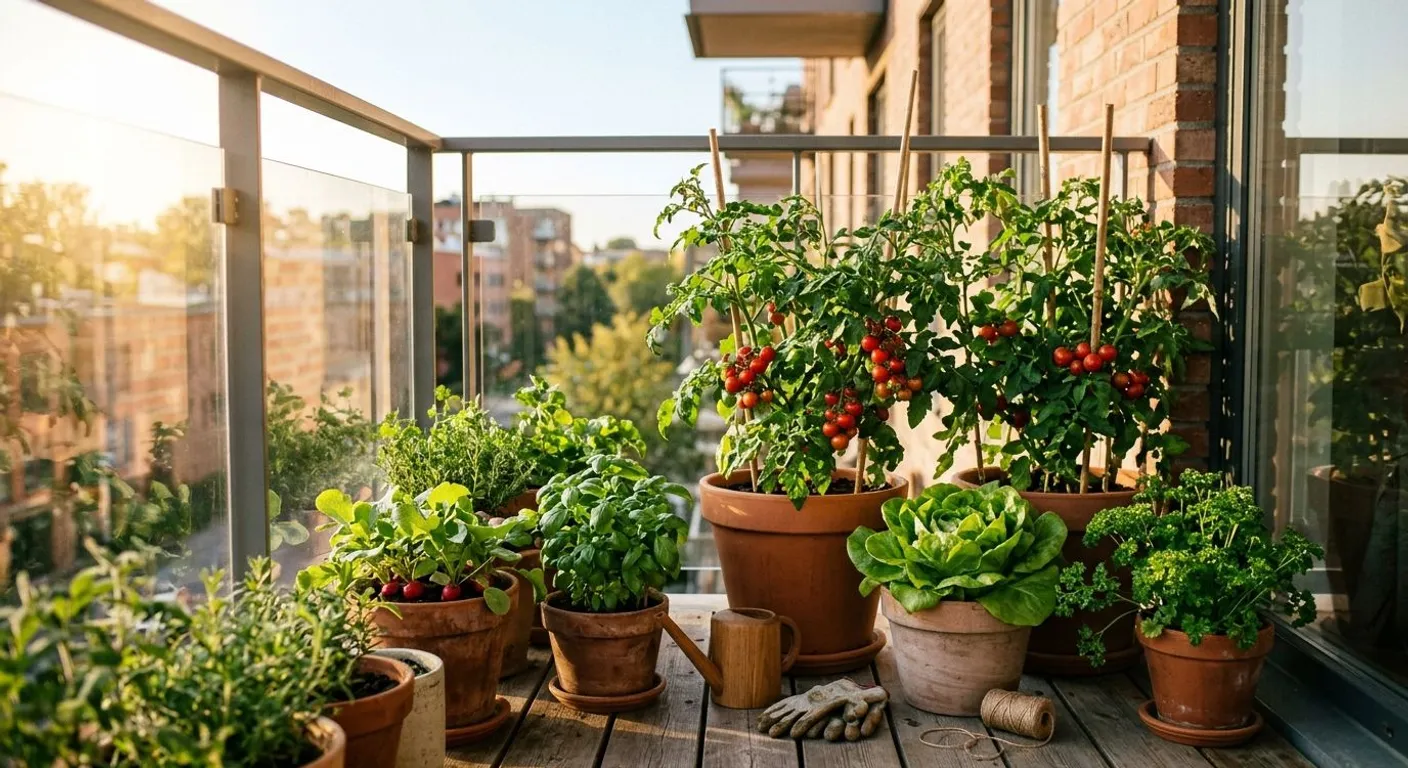
Seasonal Eating: A Guide to Recognizing Local and Seasonal Produce
By aligning with nature's own rhythm, you can meet your body's nutritional needs at the highest level while significantly reducing your ecological footprint on the planet.
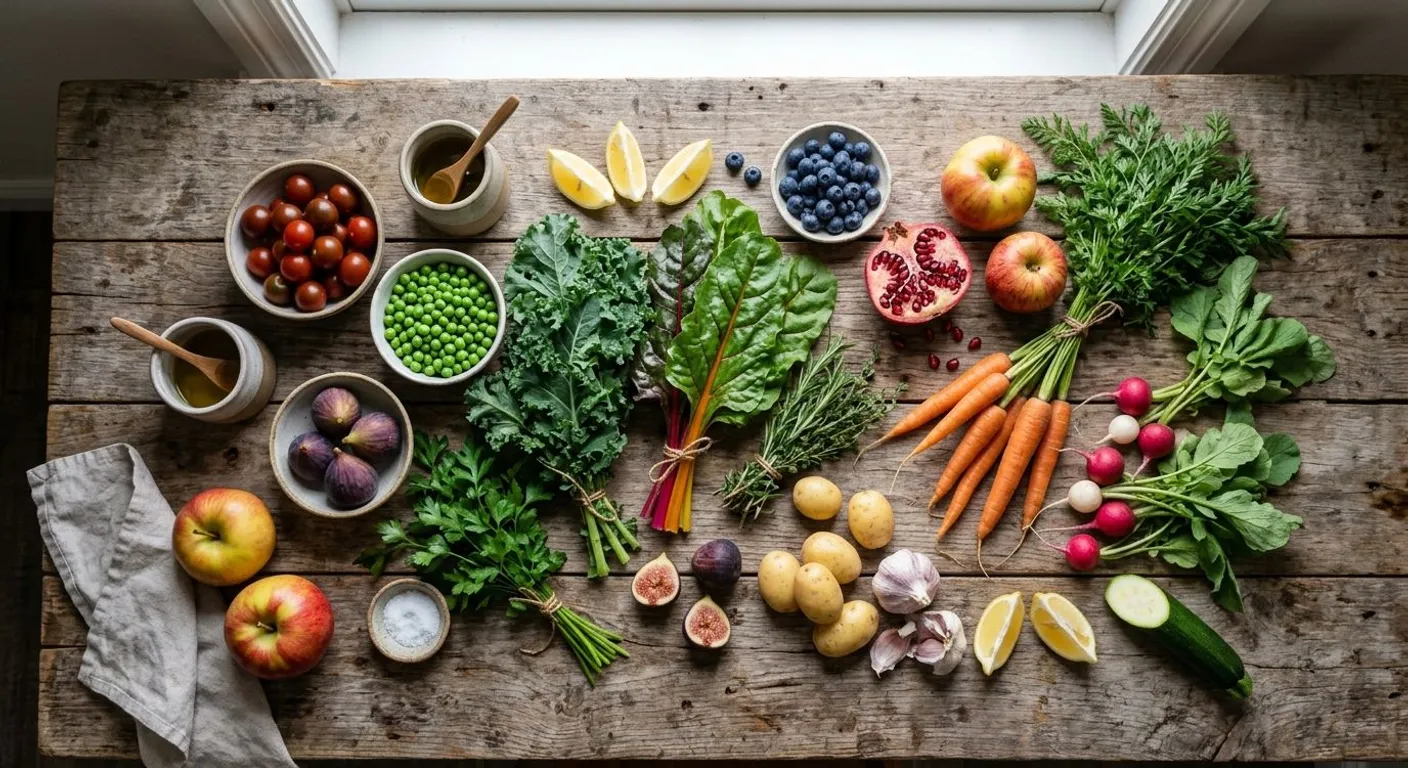
It has become ordinary to see bright red tomatoes, shiny strawberries, or fresh cucumbers on supermarket shelves every day of the year. However, nature has its own unique calendar and biological rhythm. The year-round availability of every fruit and vegetable leads us to compromise on the natural nutritional value and flavor of food. Seasonal eating does not just mean preparing delicious dishes; by aligning our bodies with the rhythm of nature, it supports our immune system and directly contributes to the future of the planet.
In this guide, we will examine in detail the fundamental principles of identifying local and seasonal produce, the biological and ecological reasons for seasonal eating, and practical methods for establishing a sustainable routine in your kitchen.
What Is Seasonal Eating and Why Is It Important?
Seasonal eating means consuming fruits, vegetables, and other fresh foods during their natural ripening periods without artificial interventions (heated greenhouses, excessive hormone and pesticide use). Local eating (locavorism) refers to sourcing these products from regions as close as possible to where you live.
Industrial agriculture and global supply chains have largely erased the concept of seasons from our kitchens. However, for thousands of years, human metabolism has been shaped by the seasonal changes of its geography. For example, while we need cooling foods with high water content during the summer months, we require winter vegetables rich in vitamin C that strengthen immunity in the winter. The products offered by nature contain the exact biochemical components our bodies need during that specific season.
Health Advantages of Seasonal and Local Produce
Produce harvested before fully ripening on the vine and kept in cold storage or shipping containers for weeks loses a significant portion of its nutritional value. The main advantages offered by consuming local food in season include:
- Maximum Nutrient Density: Vegetables and fruits harvested in season are at their peak in terms of vitamins, minerals, and antioxidant capacity. For example, the vitamin value of spinach grown in an open field during winter is many times higher than spinach grown in a greenhouse during summer.
- Minimal Pesticide Risk: Plants grown in their natural season develop their own defense mechanisms against pests. In contrast, heavy pesticides and synthetic fertilizers are used to protect foods grown out of season.
- Authentic Flavor and Aroma: Foods nourished by the soil with full sunlight retain their characteristic taste and aroma. This is the main reason why food grown in artificial environments tastes bland and watery.
- Digestive Ease and Biodiversity: Changing our diet with seasonal transitions instead of eating a uniform diet throughout the year enriches our gut microbiota and revitalizes the digestive system.
The Ecological Dimension: Reducing Food Miles and Carbon Emissions
The distance food travels from the farm to our plate is called food miles. An avocado imported from Chile or a strawberry arriving from Spain out of season causes massive fossil fuel consumption during its thousands-of-kilometers-long journey. This multiplies our individual ecological footprint.
Choosing local and seasonal foods directly lowers transport-related greenhouse gas emissions. It also minimizes the energy spent on packaging and storing foods in refrigerated warehouses. If you want to make broader environmental transformations in your lifestyle, you can check out our guide on daily habits that reduce your carbon footprint.
4-Season Fruit and Vegetable Calendar in Turkey
Thanks to its climatic diversity, Turkey possesses immense richness when it comes to local and seasonal eating. The table below summarizes seasonal produce preferences according to Turkey's climate conditions:
| Season | Featured Vegetables | Featured Fruits | Featured Greens | Nutritional Focus |
|---|---|---|---|---|
| Spring | Artichoke, asparagus, broad beans, fresh peas, knotweed | Green almonds, plums, strawberries, mulberries | Arugula, mint, purslane, fresh garlic | Detox, liver health, renewal |
| Summer | Tomatoes, peppers, eggplants, zucchini, green beans, okra | Watermelon, melon, peaches, apricots, cherries, figs | Basil, purple basil, purslane | Hydration, antioxidant support, cooling |
| Autumn | Pumpkin, Jerusalem artichoke, leeks, mushrooms, cauliflower | Grapes, jujubes, pomegranates, apples, pears, quinces | Watercress, chard, spinach | Preparing immunity for winter, fiber balance |
| Winter | Cabbage, celery, turnips, radishes, broccoli, carrots | Oranges, mandarins, grapefruits, kiwis, apples | Arugula, watercress, lettuce, leeks | Vitamin C, strong immunity, high energy |
Supporting Local Producers and the Farmers' Market Habit
The most practical and enjoyable way to eat seasonally is to choose neighborhood markets, producer cooperatives, and Community Supported Agriculture (CSA) groups instead of industrial supermarket chains. Shopping directly from producers offers the following advantages:
- Eliminates Middlemen: You strengthen the local economy by transferring your money directly to small-scale farmers.
- Freshness Guarantee: Products are usually harvested the day before the market, retaining their freshness without long periods in cold storage.
- Food Awareness: You get the opportunity to learn directly from the farmer how the product was grown and which region it came from.
When planning your shopping, it is extremely critical not to buy excess food and let it spoil. To adopt a zero-waste principle in the kitchen and store ingredients correctly, you can benefit from our guide on kitchen habits that reduce food waste.
Kitchen Sustainability: Preserving Seasonal Excess
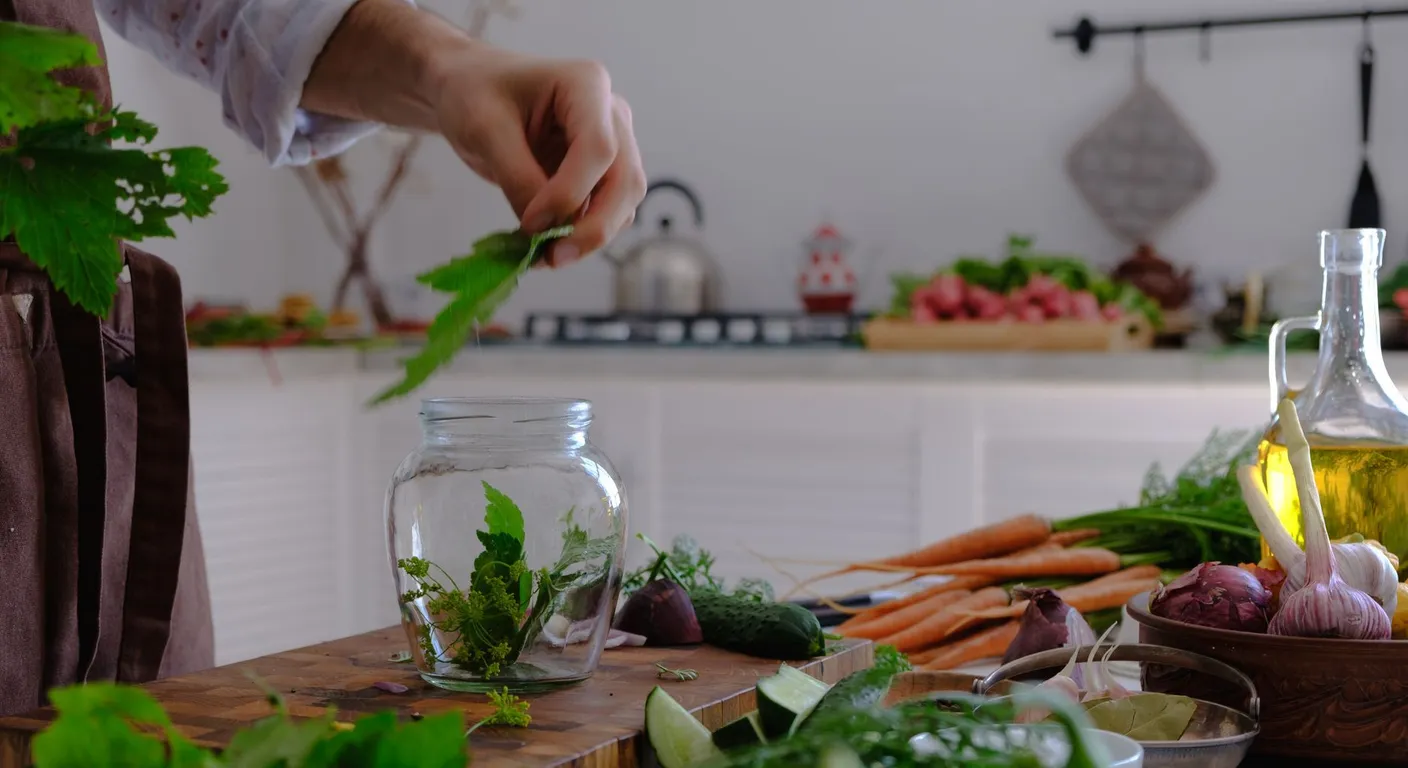
Preparing abundant and inexpensive seasonal produce for winter using traditional preservation methods is one of the most valuable inheritances of Turkish culinary culture. You can extend the shelf life of produce without using chemical preservatives:
- Fermentation and Pickling: The most natural way to obtain probiotic-rich foods. Winter cabbage, cucumber, or beet pickles support your gut health.
- Drying: By sun-drying summer tomatoes, peppers, eggplants, and fruits, you can concentrate their flavors and preserve them for a long time.
- Freezing and Canning: Preparing summer tomato sauces and menemen bases to store in sterilized jars completely eliminates the need to buy out-of-season tomatoes in the winter months.
- Composting: Turning fruit and vegetable scraps generated during prep into soil instead of throwing them in the trash makes your kitchen circular. You can check out our article on home composting for modern solutions on this topic.
Listening to nature's offerings not only improves the quality of the food on our plates; it allows us to reconnect with our world. In your next shopping trip, you can take the first step toward sustainable living by questioning which season's gift the products on the counter are.
Resources
Frequently Asked Questions
Is every product bought from the supermarket in season?
No. Supermarkets offer out-of-season produce year-round thanks to global supply chains and greenhouse farming. To know whether produce is in season, you should check your local seasonal produce calendar.
Is seasonal eating more expensive?
On the contrary, produce grown abundantly in season and transported locally has a higher supply, making its prices significantly more affordable than out-of-season or imported foods.
Are frozen fruits and vegetables suitable for seasonal eating?
Produce harvested at its peak and flash-frozen largely retains its nutritional value, serving as a healthier and more eco-friendly alternative to buying out-of-season fresh produce in the winter.
Where should one start with seasonal eating?
As a first step, you can hang your region's monthly fruit and vegetable calendar on your refrigerator and start doing your weekly shopping at local farmers' markets.
This content was researched and prepared by the İlgi Alanları editorial team and reviewed for accuracy and readability before publication. Information on health, finance and investment topics is general in nature and does not replace professional advice.