Kitchen Habits That Reduce Food Waste: A Storage Guide
Every ingredient thrown away in the kitchen means wasting not just your money, but also the planet's resources. With a few conscious steps, it is possible to reduce food waste to near zero.
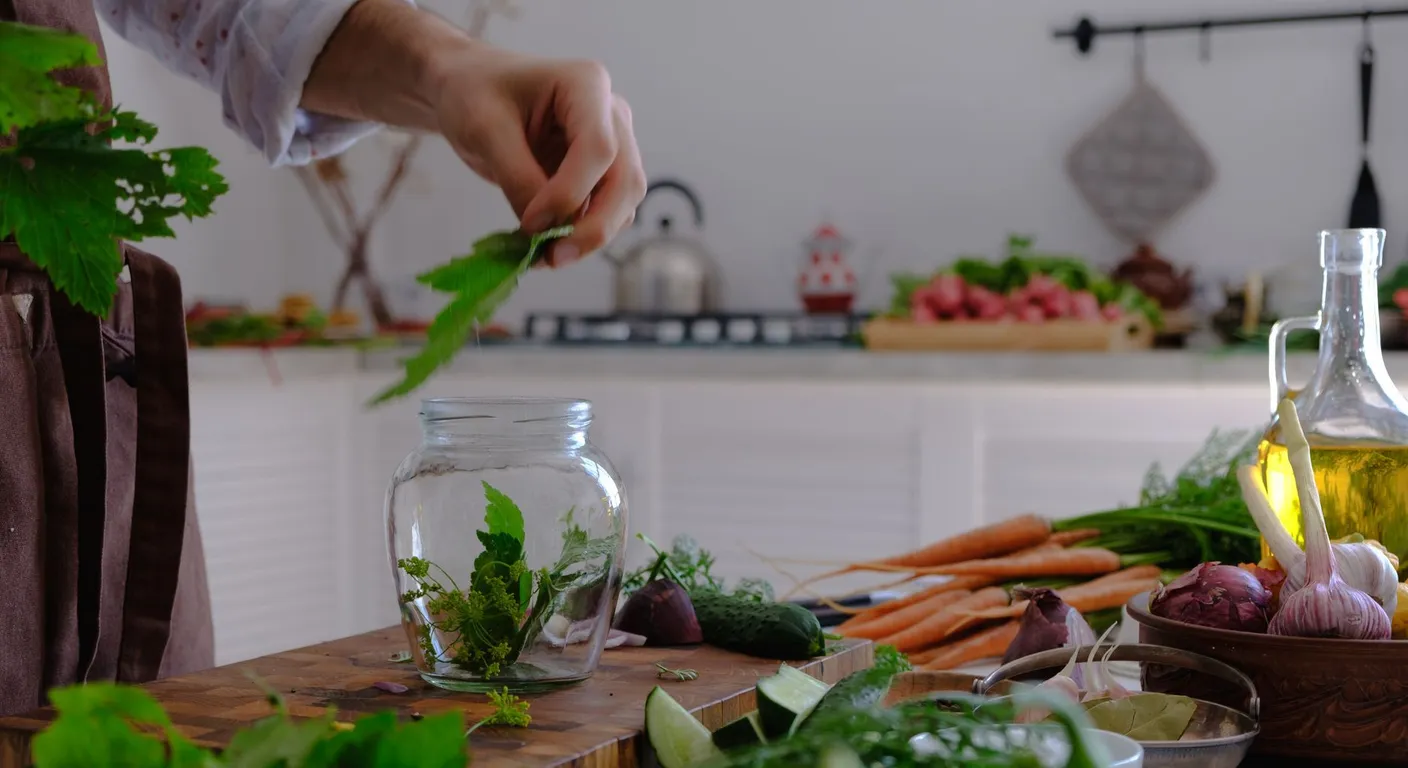
Photo: Андрей / Pexels
The kitchen sits at the center of a home's energy, budget, and ecological footprint. While approximately one-third of all food produced globally goes to waste without ever being consumed, small yet decisive steps taken in our individual kitchens can make a massive difference. By taking a holistic approach—from shopping and cooking to storage conditions and recycling organic waste—it is entirely possible to get food waste fully under control.
Building a sustainable lifestyle begins with appreciating the labor and natural resources behind the food on our plates. Among daily habits that reduce carbon footprint, the kitchen is perhaps the area that yields the fastest and most measurable results. Here are actionable methods to help you adopt a zero-waste philosophy in your kitchen.
Planned Shopping: Stopping Waste at the Door
The root source of food waste often starts in the supermarket, not the kitchen. Buying more than needed and tossing unplanned items into the cart are the biggest triggers of food spoilage. Changing your shopping routine is the first step toward preventing waste.
- Take Refrigerator Inventory: Before heading to the store, check what you already have in your fridge, freezer, and pantry. Prioritize items tucked away in the back or approaching their expiration dates.
- Plan a Weekly Menu: Decide what you will cook each day of the week. When creating this menu, try to use the same core ingredients across multiple dishes. For example, you can use the leaves of a bunch of spinach in a main dish and its stems in a soup.
- Don't Shop on an Empty Stomach: Shopping when your blood sugar is low increases the likelihood of buying processed foods you don't need and that spoil quickly.
- Opt for Loose Produce: Whenever possible, buy fruits and vegetables individually rather than pre-packaged. This prevents packaging waste and keeps you from buying more than you will consume.
Food Storage Techniques and Refrigerator Organization
The most effective way to extend the shelf life of food is to store it under the right conditions. Improper humidity, temperature, and light levels cause foods to lose their freshness rapidly.
First In, First Out (FIFO) Principle
Apply the FIFO (First In, First Out) method used in professional kitchens to your home. When placing newly purchased items at the back of the fridge or shelf, bring existing foods to the front. This ensures visible items are consumed before they spoil.
Choosing the Right Storage Area
Not all fruits and vegetables should be stored in the same environment. As certain fruits ripen, they release ethylene gas, causing nearby foods to rot quickly. For instance, bananas, apples, and tomatoes produce high amounts of ethylene; these should be kept separate from leafy greens and potatoes.
| Food Group | Incorrect Storage Method | Correct Storage Method | Impact on Shelf Life |
|---|---|---|---|
| Fresh Leafy Greens | Leaving moist in plastic bags | Storing in a glass jar with paper towels after washing and drying | Extends life by 3x |
| Potatoes and Onions | Keeping together in the same dark basket | Keeping separate in cool, breathable mesh bags | Prevents sprouting |
| Bread | Keeping in the main refrigerator compartment | Slicing and freezing, or storing at room temperature in a cloth bag | Prevents drying and molding |
| Cheeses | Wrapping tightly in plastic wrap | Wrapping in parchment paper and keeping in a breathable container | Delays drying and mold growth |
Label Literacy: The Difference Between Best Before and Use-By Dates
One of the areas where consumers make the most mistakes is misinterpreting dates on food packaging. Understanding the distinct difference between these two terms prevents perfectly good food from being thrown away:
- Use-By / Expiration Date: Used on microbiologically perishable foods such as meat, dairy, and fish. Once this date passes, the food may pose a health risk and should not be consumed.
- Best-Before Date: Found on products like legumes, pasta, canned goods, and spices. This date indicates the period during which the product retains its peak quality (flavor, texture, aroma). A food past its Best-Before date can be safely consumed as long as it shows no signs of spoilage (foul odor, mold, color change).
The Root-to-Stem Kitchen Approach
Many parts traditionally considered waste when cooking are actually nutrient-dense sources of flavor. By adopting a root-to-stem approach in the kitchen, you can reduce waste to a minimum.
- Make Vegetable Stock: Collect carrot peels, celery stalks, onion skins, mushroom stems, and leek tops in a clean bag in the freezer. Once full, boil these scraps with water and spices to make a rich vegetable stock.
- Broccoli and Cauliflower Stems: After peeling the woody outer layer of broccoli stems, chop and add them to your dishes or blend them into a puree.
- Stale Bread Management: Toss dried bread with garlic and olive oil and bake into croutons for soups, or process into breadcrumbs for storage.
Managing Unavoidable Waste: Composting
Despite all your efforts, organic waste such as fruit peels, tea grounds, and eggshells will inevitably occur. Instead of throwing them directly into the trash, you can return them to the soil. The anaerobic decomposition of organic waste in landfills releases methane gas, a potent greenhouse gas.
You can transform kitchen waste into nutrient-rich fertilizer using methods easily applied at home. In this process, thanks to modern technologies that simplify home composting, you can create odorless, practical solutions and use the resulting compost on your houseplants or in your garden.
Sustainable Kitchen Hygiene
Cleaning habits are also vital for ensuring food safety and extending the shelf life of ingredients. To prevent chemical residues from coming into contact with food, it is best to turn to eco-friendly methods. To create a healthy kitchen environment, choosing plant-based cleaning products allows you to safely sanitize food storage containers and countertops.
Small changes turn into lasting habits over time. Developing a zero-waste mindset in the kitchen contributes to our planet's future, protects your family budget, and enables you to cook more creative, delicious meals.
References
Frequently Asked Questions
Should products past their expiration date be thrown away immediately?
Foods like meat, dairy, and fish that have passed their Use-By date should be discarded for safety reasons. However, dry goods past their Best-Before date can be safely consumed if there are no signs of spoilage after checking taste and smell.
How can fruits and vegetables stay fresh longer in the refrigerator?
Leafy greens should be washed, thoroughly dried, wrapped in paper towels, and stored in glass containers. Products that emit ethylene gas, such as apples, bananas, and tomatoes, should be kept separate from other fresh vegetables.
How does food waste harm the environment?
Food waste causes the water and energy resources used in production to go to waste. Additionally, food sent to landfills decomposes anaerobically, emitting methane gas, a potent greenhouse gas.
What can be done with vegetable scraps at home?
Clean peels and stems of vegetables like carrots, onions, leeks, and mushrooms can be collected in the freezer to make nutritious vegetable broths and soup bases.
This content was researched and prepared by the İlgi Alanları editorial team and reviewed for accuracy and readability before publication. Information on health, finance and investment topics is general in nature and does not replace professional advice.