Eco-Luxury Living: Transform Your Home with Natural and Elegant Design Objects
Eco-luxury design objects bring harmony with nature and aesthetics into our homes, serving as a tribute to our planet while adding unique elegance to our living spaces. Embrace a conscious understanding of luxury with these pieces.
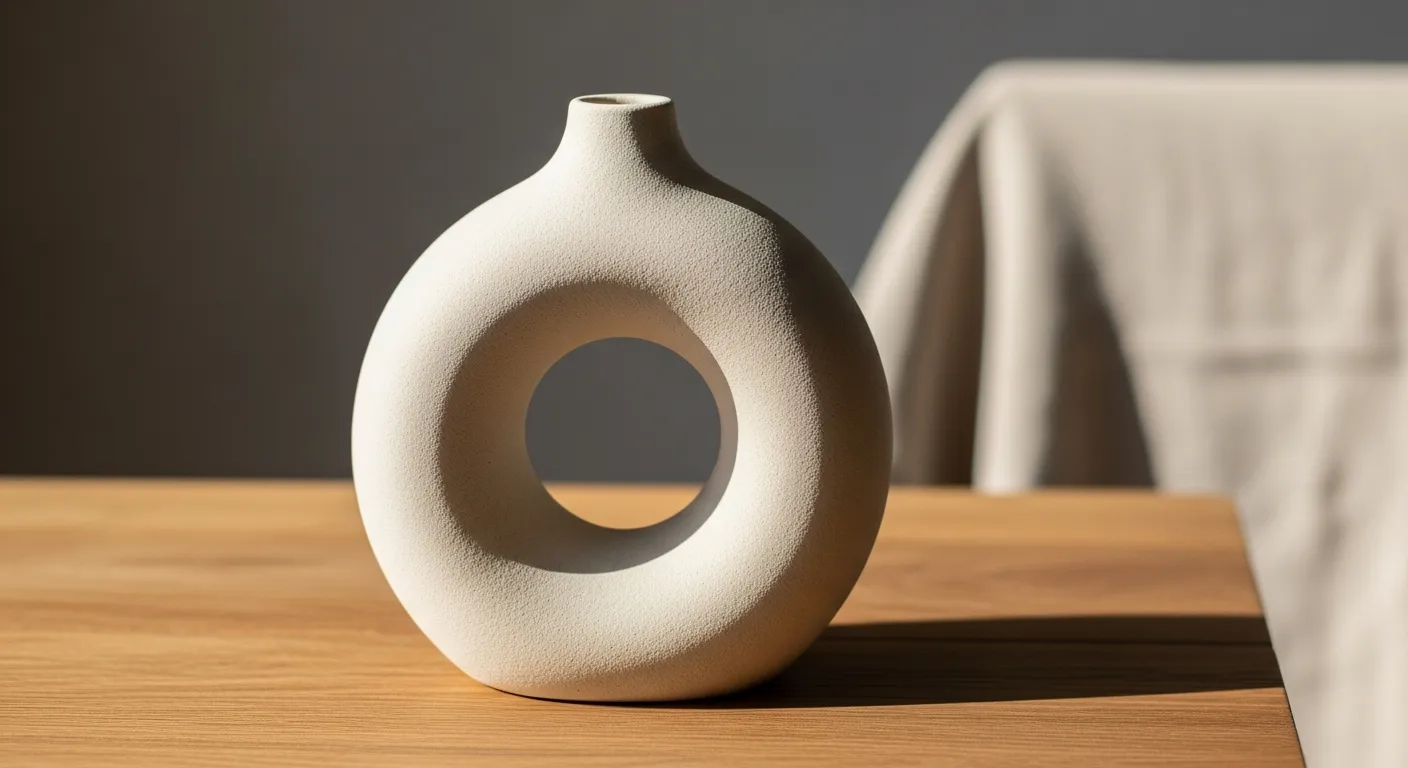
If you view your home as more than just a living space, but rather a reflection of your personality and values, the eco-luxury living philosophy might inspire you. This approach embraces a lifestyle that is far from ostentatious consumption, in harmony with nature, yet uncompromising on aesthetics and quality. Eco-luxury is not only environmentally friendly but also adds depth and meaning to your spaces with its elegant and timeless objects.Eco-luxury design objects are not just items; they are works of art and an expression of respect for nature. A home adorned with these objects blends tranquility, peace, and the serenity of nature with modern elegance. In this article, we will explore what eco-luxury means, which materials stand out, and how you can integrate this philosophy into your own living spaces.## Foundations of the Eco-Luxury PhilosophyEco-luxury emerged as a response to rapidly changing consumption habits. This philosophy centers on creating lasting value, respecting nature, and ethical production. Its core principles are: * Sustainability: Minimizing environmental impact in production processes, using renewable resources, and reducing waste. This applies not only to the object itself but to the entire supply chain. * Ethical Production: Ensuring fair working conditions for laborers, supporting local economies, and offering transparent production processes. * Craftsmanship and Quality: Focusing on handcraftsmanship, attention to detail, and creating long-lasting, durable products rather than mass production. This ensures objects can be passed down through generations. * Minimalism and Meaning: Advocating the 'less is more' principle, where every object should have a story, a purpose, and aesthetic value. There is a search for depth and character rather than ostentation. * Connection with Nature: Aims to establish a strong connection with nature through objects that evoke the tranquility of the outdoors indoors, embracing biophilic design principles. For more information, you can check out our article Bring Nature Indoors: Revitalize Your Living Spaces with Biophilic Design.## The Allure of Natural MaterialsThe most distinctive feature of eco-luxury design objects is the quality and aesthetics of the natural materials used. These materials are both environmentally friendly and add a unique texture and warmth to spaces. Some prominent materials include: * Certified Wood: Solid wood furniture, sculptures, or decorative objects obtained from sustainable forests and treated with natural oils. The grain and natural color tones of the wood make each piece unique. * Natural Stone: Stones like marble, travertine, and basalt, in their polished or raw forms, add a sophisticated touch to spaces. Hand-carved bowls, side tables, or artistic objects are often produced from this material. * Handmade Ceramics and Clay: Vases, plates, sculptures, or lighting fixtures produced using traditional methods with natural clay. The slight imperfections in each piece carry the object's soul and the artisan's touch. * Recycled Metals: Lamps, sculptures, or accessories reshaped from scrap metals into elegant and modern forms. The natural luster or patina of metals like stainless steel, copper, or brass is valued. * Natural Fibers: Textile products (rugs, carpets, curtains, cushions) made from plant and animal fibers such as linen, hemp, organic cotton, wool, or bamboo add warmth and comfort to spaces. * Recycled Glass: Unique vases, goblets, or decorative glass objects obtained by reprocessing waste glass. The variety of colors and textures adds an artistic flair to the space.## Craftsmanship and Limited Production: A Story in Every ObjectEco-luxury design eschews mass production and celebrates craftsmanship. Each object is a product of an artisan's labor, knowledge, and passion. This imbues objects not only with aesthetic value but also with a story and soul. A handmade ceramic vase, a hand-woven rug, or a custom-designed wooden side table brings character and originality to your space. By moving away from the monotony of mass production, you make room for truly special and meaningful pieces in your home. If you're curious about different ways to add soul and story to your home, you can read our article Interior Design with Cultural Objects: Add Soul and Story to Your Home.## Sustainability Certifications and TraceabilityWhen choosing eco-luxury products, it's important to pay attention not only to aesthetics but also to the story behind the product and its production process. Reliable sustainability certifications and traceability are crucial for conscious consumption. For example: * FSC (Forest Stewardship Council): Indicates that wood products are produced in accordance with sustainable forestry principles. * GOTS (Global Organic Textile Standard): Guarantees that organic textile products meet environmental and social criteria at all stages, from production to the final product. * OEKO-TEX: Certifies that textile products do not contain harmful substances.These certifications help you understand whether a product truly aligns with the eco-luxury philosophy. Transparent brands clearly state where their product materials come from, who produced them, and under what conditions.## Integrating Eco-Luxury Design Objects into Your HomeIncorporating an eco-luxury style into your home doesn't mean you have to change your entire decor from scratch. Even small touches can make a big difference: * Create Focal Points: Place a large, handmade ceramic vase, a natural wooden sculpture, or a specially designed lighting fixture in a room to create a striking focal point. * Mix Natural Textures: Combine different textures with cotton or linen curtains, wool blankets, and stone or wood details to add depth to the space. * Enliven with Plants: Indoor plants not only purify the air but also strengthen the connection with nature, which is fundamental to the eco-luxury philosophy. Large-leafed plants or flowers in elegant pots add vibrancy to the space. * Natural Color Palette: Natural colors such as beige, cream, earthy tones, and serene shades of green and blue are ideal for creating an eco-luxury atmosphere. These colors highlight the beauty of natural materials. * Utilize Light: Natural light is indispensable in eco-luxury spaces. Opt for light curtains that don't block the light coming from large windows. In the evenings, create a peaceful ambiance with soft and warm-toned lighting.## Traditional Luxury vs. Eco-Luxury Design ComparisonUnderstanding the difference between eco-luxury and traditional luxury helps you make conscious choices:| Feature | Traditional Luxury Design | Eco-Luxury Design || :---------------- | :---------------------------------------------------------- | :------------------------------------------------------------------------------------------------------------------------------------------------------------------------------------------------------------------------------------------ || Material Focus | Rare, expensive, sometimes ethically problematic (e.g., exotic animal leather) | Natural, renewable, recycled, ethically sourced (e.g., certified wood, recycled glass, organic cotton) || Production Method | Often mass production, big brand image takes precedence | Handcrafted, artisanal, limited production, transparent supply chain; each object has a story || Value Perception | Status symbol, ostentation, brand value, fast consumption | Meaning, story, durability, ethical values, harmony with nature, timeless aesthetics; the object retains its value throughout its lifespan || Environmental Impact | High carbon footprint, resource consumption, waste generation | Low carbon footprint, sustainable resource use, waste reduction, contribution to circular economy with long-lasting products || Aesthetics | Ostentatious, shiny, flawless appearance, opulent details | Natural, organic forms, textural richness, minimalism, functionality, imperfect beauty (close to Wabi-Sabi philosophy). You can find more information on this topic in our article Simple Living with Wabi-Sabi Philosophy: The Aesthetics of Imperfection. |## Benefits of an Eco-Luxury LifestyleEmbracing eco-luxury positively impacts not only the appearance of your home but also your quality of life: * Healthy Living Space: Natural materials do not contain toxic chemicals. This improves indoor air quality, offering a healthier living environment. * Psychological Well-being: Natural textures, colors, and forms have a calming effect on the human mind. Connecting with nature reduces stress and increases feelings of peace. * Conscious Consumption: With the 'less is more' principle, you invest in objects you truly need and value. This reduces unnecessary consumption and lowers your environmental impact. * Unique and Personal Style: You create a unique atmosphere in your home with handmade and limited-production objects. Each piece reflects your personal taste and values. * Objects That Retain Their Value: High-quality and timeless eco-luxury pieces are unaffected by fashion changes and retain their value for many years. They can even become heirlooms passed down through generations.Eco-luxury living is not just a decoration trend; it is a philosophy of life. Embracing a life that respects nature, doesn't compromise on aesthetics, and is full of conscious choices is one of the most valuable investments you can make for yourself and our planet. By bringing together the peace and elegance of nature in your home, you can create a truly meaningful and inspiring living space.
Frequently Asked Questions
What is an eco-luxury design object?
Eco-luxury design objects are environmentally conscious products with high aesthetic value, produced from natural, renewable, or recycled materials, following ethical principles, and often handcrafted.
Where can I find eco-luxury products?
You can find eco-luxury products in local artisan workshops, small design boutiques, online stores selling sustainable goods, and collections from ethically producing brands.
Why might eco-luxury products be more expensive?
Eco-luxury products can be more expensive than mass-produced items due to high-quality natural materials, craftsmanship, limited production, fair trade practices, and certified sustainable production processes.
What is the difference between eco-luxury and sustainable design?
While sustainable design focuses on minimizing the environmental impact of products, eco-luxury is a more comprehensive philosophy that combines these sustainability principles with high aesthetics, craftsmanship, and a luxurious experience.
How can I decorate my home in an eco-luxury style?
To decorate your home in an eco-luxury style, choose handmade objects made from natural materials, use natural color palettes, enliven your space with plenty of plants and natural light, and adopt a minimalist approach with the 'less is more' principle.
This content was researched and prepared by the İlgi Alanları editorial team and reviewed for accuracy and readability before publication. Information on health, finance and investment topics is general in nature and does not replace professional advice.