Beginner's Guide to Rock Climbing: Safe Steps, Equipment, and Tips
Rock climbing promises a unique experience, challenging both body and mind as you overcome nature's vertical obstacles. This guide offers practical information and a roadmap for those looking to start rock climbing safely and consciously.
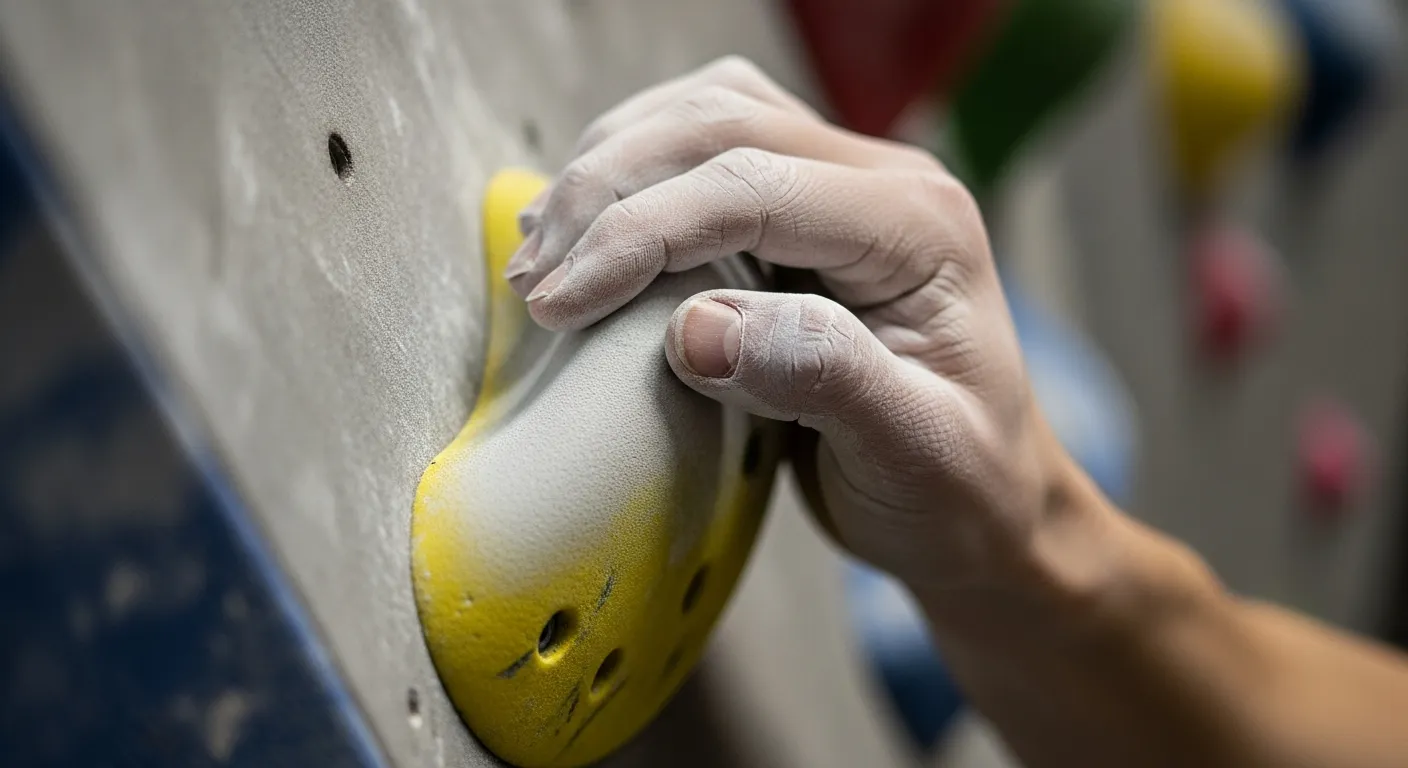
Rock climbing is the art of defying gravity, progressing on the vertical surfaces nature offers. This sport, combining physical strength, mental focus, and problem-solving ability, also offers magnificent views and a unique sense of satisfaction. If you are considering stepping into this exciting world, equipping yourself with the right knowledge and prioritizing safety is the most important step.## What is Rock Climbing? What are its Types?Rock climbing is a sport that involves ascending natural rock formations or artificial climbing walls using various techniques and equipment. There are several types of climbing for different goals and difficulty levels:* Sport Climbing: This type of climbing is done on routes with pre-placed safety points called bolts. Ropes and quickdraws are typically used. It is one of the most suitable types for beginners because the safety points are fixed, and the risk is relatively lower.* Traditional Climbing (Trad): A type of climbing suitable for more experienced climbers, where the climber places their own protection equipment (such as nuts and cams) into the route and then retrieves them. It requires more knowledge and experience.* Bouldering: This involves climbing on low rocks or specialized bouldering walls without a rope or harness. Crash pads provide protection in case of a fall. It focuses on strength, balance, and technique.* Top-Roping: A type of climbing where the rope passes through an anchor point at the top of the route, with the climber tied to one end and the belayer to the other. The fall distance is minimal, making it ideal for beginners.* Lead Climbing: The climber carries the rope up with them, clipping it into fixed or self-placed protection points along the route. It requires higher risk tolerance and experience.For beginners, it is recommended to learn sport climbing and top-roping techniques with an instructor in indoor climbing gyms or on easy outdoor routes.## Essential Equipment for BeginnersRock climbing is a sport too risky to be done without the right equipment. Some essential items for your safety include:* Harness: The main safety equipment worn by the climber, to which the rope is attached. It wraps around the waist and legs, distributing the impact in case of a fall.* Climbing Shoes: Specially designed shoes with friction-enhancing rubber soles that fit snugly around the foot. They make it easier to stand on small footholds and progress using friction.* Chalk and Chalk Bag: Chalk is used to prevent hands from sweating, thereby improving grip. It is carried in a special bag worn around the waist.* Helmet: Vital for protecting the head from falling rocks or potential falls. It must be used, especially in outdoor climbing.* Rope: An indispensable part of climbing. Dynamic ropes absorb fall energy, protecting the climber. Initially, ropes are usually provided by climbing gyms or instructors.* Carabiners and Quickdraws: Metal connecting devices clipped into safety points, through which the rope is threaded. They are particularly used in sport climbing.* Belay Device: A mechanism that allows the belayer to control the rope and stop the climber in case of a fall.To get detailed information about the selection and use of this equipment, it is essential to consult an expert instructor and choose high-quality, certified products.| Equipment Name | Function | Importance for Beginners || :------------------- | :--------------------------------------------- | :---------------------------------------------------- || Harness | Connects the climber to the rope during a fall. | Vital. It is the cornerstone of safety. || Climbing Shoes | Increases grip and balance. | Very important for performance and correct technique. || Chalk | Reduces hand sweat, strengthens grip. | Recommended for comfort and secure grip. || Climbing Helmet | Provides protection against head injuries. | Must be used outdoors, recommended indoors. || Rope | Protects the climber from falls. | Usually provided by instructor/facility, acquired later. || Belay Device | Allows the belayer to control the rope. | Taught by instructor, you may need to acquire your own. |## Physical and Mental PreparationRock climbing doesn't just require arm strength; it demands full-body coordination, flexibility, balance, and mental resilience. Before starting, you can prepare yourself in the following areas:* Strength Training: Focus on exercises that strengthen your back, arm (forearm and biceps), shoulder, and core muscles. Basic movements like pull-ups, push-ups, and planks are beneficial. There are also specific exercises to increase finger strength.* Flexibility and Balance: Activities that increase flexibility, such as yoga or Pilates, allow you to move much more efficiently while climbing. Balance boards or single-leg standing exercises are also beneficial.* Cardiovascular Conditioning: Endurance is important for long routes or approaches. You can improve your fitness with cardio exercises like running or cycling.* Mental Focus: Climbing requires problem-solving and making instant decisions. Stress management and the ability to focus will help you stay calm in challenging moments.## First Steps: Instructor and Indoor WallsThe safest and most effective way to start rock climbing is with an experienced instructor and in indoor climbing gyms. These gyms provide a controlled environment for learning basic techniques and practicing safety procedures.* Importance of Training: An instructor will teach you vital skills such as proper posture, foot placement, weight transfer, gripping techniques, and most importantly, basic knots and belaying. This knowledge forms a solid foundation before transitioning to outdoor climbing.* Advantages of Climbing Gyms: They offer the opportunity to climb year-round regardless of weather conditions, routes of varying difficulty levels, experienced staff, and a social environment. Here, you can meet other climbers and share your experiences.* Introduction to Climbing Jargon: The world of climbing has its own unique terminology (for example,
Frequently Asked Questions
Is there a specific age or physical condition required to start rock climbing?
There is no specific age limit to start rock climbing, but good general physical condition and mobility are important. Routes of varying difficulty levels are available for children and adults. Those with serious health conditions are advised to consult their doctor.
What is the most important safety rule in rock climbing?
The most important safety rule in rock climbing is the correct use of equipment, equipment inspection, and flawless application of belay techniques. Never climbing alone, maintaining constant communication with your partner, and checking each other are vital.
How can the fear of rock climbing be overcome?
To overcome the fear of rock climbing, it's important to start with small steps, gradually increase the difficulty level, and progress under the guidance of an experienced instructor. Practicing in a safe environment and using mental relaxation techniques can also help.
Which muscle groups should be trained for rock climbing?
For rock climbing, back (latissimus dorsi), arm (forearm, biceps), shoulder, and core muscles are particularly important. Additionally, leg and gluteal muscles are actively used for balance and pushing power.
When should one transition to outdoor climbing?
One should transition to outdoor climbing only after fully learning basic techniques and safety procedures indoors, practicing regularly for at least a few months, and always accompanied by an experienced climber or instructor. Weather conditions and route information must be checked beforehand.
This content was researched and prepared by the İlgi Alanları editorial team and reviewed for accuracy and readability before publication. Information on health, finance and investment topics is general in nature and does not replace professional advice.