Mastering Trail Riding with a Mountain Bike: Techniques and Tips
Mountain biking on trails offers a unique way to experience adrenaline and connect with nature. This guide provides essential information for every rider, from beginner to advanced, to enjoy a safer, smoother, and more enjoyable experience on the trails.
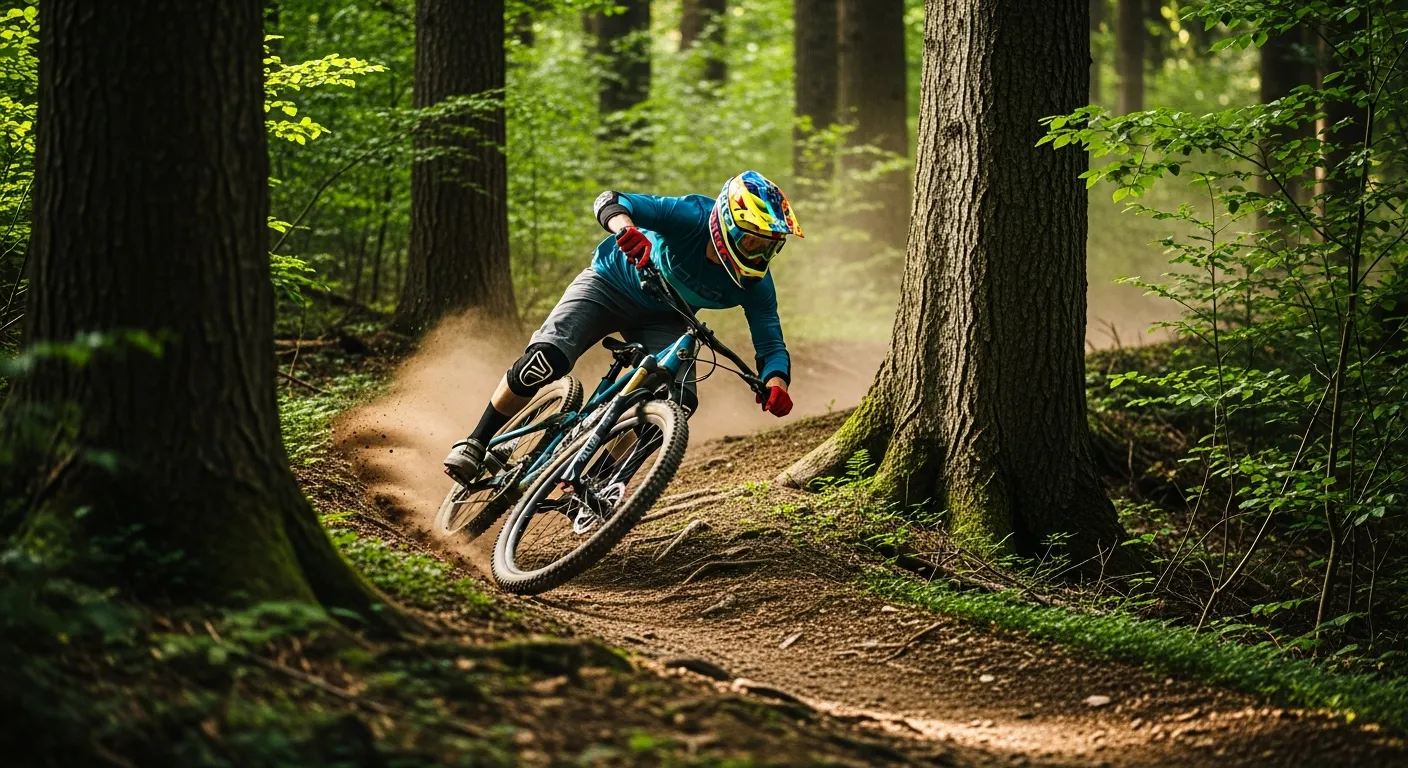
Mountain biking on trails is not just a physical activity but an experience that requires integration with nature and mental focus. Pedaling through deep forests, along mountain slopes, or over rugged terrain nourishes both your body and soul. However, this exciting sport requires knowledge of specific techniques and safety precautions. This article offers comprehensive tips to help you feel safer, improve your performance, and maximize your riding enjoyment on mountain bike trails.
Choosing the Right Equipment: The Foundation of the Trail
Before hitting the trails, having the right equipment directly impacts your riding quality and safety. The mountain bike itself, tires, and personal protective gear form the basis of this choice.
Bike Type: Choosing According to Your Riding Style
Mountain bikes vary according to different terrains and riding styles. Generally, two main types stand out:
- Hardtail Bikes: These bikes, with front suspension only, are lighter, easier to maintain, and generally more affordable. They are ideal for smoother trails, gentle descents, and climbs. They are efficient because they transfer pedal power directly.
- Full Suspension Bikes: Featuring both front and rear suspension, these bikes offer greater comfort and control on rougher, rocky, and root-filled trails. Shock absorption reduces fatigue and provides an advantage on technical descents. However, they are heavier and can be more complex to maintain.
When making your choice, consider the difficulty of the terrain you'll typically ride and your budget. While hardtail models can be a good starting point for beginners, you might consider a full-suspension model for a better experience on challenging trails.
Tires: Your Contact Point with the Ground
Tires are the sole contact point between the bike and the ground and play a critical role in trail riding. Tire selection and pressure determine grip, comfort, and rolling resistance.
- Tire Tread: For dry and fast trails, tires with shallower, lighter treads may be preferred. For muddy and slippery surfaces, tires with deeper and wider-spaced knobs provide better traction.
- Tire Pressure: Tire pressure for trail riding differs from road riding. Lower pressure allows the tire to have more contact with the surface, increasing traction and improving shock absorption. However, excessively low pressure can damage the tire or cause sidewall folding. Generally, the ideal pressure setting, based on terrain and rider weight, is found through trial and error. Tubeless tires allow for riding at lower pressures and reduce the risk of punctures.
Personal Protective Equipment: Your Safety is Your Priority
Falls can be inevitable on trails, so proper protective equipment is vital.
- Helmet: Always wear a helmet. Opt for models specifically designed for trail riding, which offer better protection for the back of the head.
- Gloves: They protect your hands and provide better grip on the handlebars. Gel-padded gloves absorb vibrations, reducing fatigue.
- Knee and Elbow Pads: Using knee and elbow pads on technical trails and during fast rides can prevent serious injuries in case of a fall.
- Goggles/Glasses: Protect your eyes from dust, mud, sun, and branches.
Don't forget that wearable technologies can also assist you in equipment selection. For performance tracking and safety, in particular, you can read our article Wearable Technology Trends for Cyclists: New Dimensions in Performance and Safety.
Essential Riding Techniques: Control and Flow
Mastering the correct riding techniques, as much as having the right equipment, ensures your smooth and safe progress on the trails.
Body Position: Key to Balance and Control
- Basic Position (Attack Position): Knees slightly bent, elbows out and bent, hips slightly back over the saddle, shoulders relaxed, gaze forward. This position allows you to react quickly to sudden terrain changes.
- Weight Transfer: On climbs, shift your weight forward and over the saddle to prevent the front wheel from lifting. On descents, shift your weight back to reduce pressure on the front wheel and increase control. Especially on steep descents, slide your hips behind the saddle.
Braking: The Art of Stopping Safely
- Modulation: Learn to use the brakes gradually and with control, rather than grabbing them suddenly. Most braking power comes from the front brake, but the rear brake is important for balance and slowing down. Use both together, proportionally.
- Ground Conditions: On slippery, muddy, or loose ground, use the brakes more gently and avoid sudden movements. Avoid braking in corners as much as possible; adjust your speed before entering the turn.
Gear Usage: Efficiency and Power
- Anticipation: Plan gear changes in advance by reading the trail ahead. Shift into the correct gear before a climb begins, allowing you to continue pedaling smoothly.
- Gradual Shifting: Shift gears one by one or gradually. Avoid forcing the chain and gear system.
Cornering Techniques: Smooth and Fast
Adjust your speed when entering corners, and focus your gaze on the exit point of the turn. Lean your body into the corner with the bike, dropping your outside pedal and putting weight on it to increase traction. Bend your elbows and knees to allow the bike to lean.
Overcoming Obstacles: Roots and Rocks
Try to ride in a straight line over small roots and rocks. For larger obstacles, it's beneficial to learn techniques like lightly hopping or lifting the front wheel (manual or bunny hop) to get over them. Your gaze should always be focused beyond the obstacle.
Safety and Trail Etiquette: Enjoyment with Responsibility
Mountain biking shares spaces with other outdoor sports. Therefore, it's important to follow certain rules for both your own safety and the comfort of other trail users.
- Know the Trail: Before entering unfamiliar trails, study the route with a map or GPS. You can plan your route in advance by utilizing technologies like those mentioned in our article Smart Bracelets for Nature Walks: Securing Your Route and Health.
- Respect Other Users: You share trails with hikers, runners, and sometimes horseback riders. Give a verbal warning to those approaching or behind you, and always yield to slower users.
- Respect the Environment: Do not litter, stay on the trail, and do not harm vegetation. Leave it as you found it, or even better.
- Emergency Preparedness: Always carry a repair kit (patch kit, pump, spare inner tube), a basic first-aid kit, and sufficient water/food. Ensure your phone is fully charged and use a route-tracking app. Do not set off without informing someone.
Training and Conditioning: Mental and Physical Preparation
Trail riding requires not only technical knowledge but also physical fitness and mental endurance.
- Cardio and Strength Training: Regular cardio exercises (running, swimming) and workouts that strengthen leg, arm, and core muscles will improve your mountain biking performance. Leg strength, in particular, is critical for climbs and overcoming obstacles.
- Mindful Riding: Try to analyze every section of the trail. Anticipate the next corner, obstacle, or descent, and adjust your position, speed, and gear accordingly. Mental focus reduces the risk of making mistakes as fatigue increases.
- Nutrition and Hydration: Consuming sufficient water and energy sources during long rides is essential to maintain performance. To understand your body's needs, you can benefit from resources like Nutrition Analysis Devices Guide for Professional Athletes.
Advanced Techniques and Challenging Trails
Once you've mastered the basic techniques, you can move on to more advanced maneuvers and tackle more challenging trails.
- Drops and Jumps Basics: Safely descending small obstacles (drops) and lifting the bike off the ground (bunny hop) techniques enhance your flow on the trails. When learning these techniques, start in a safe environment and at low speed.
- Steep Descents and Ascents: On steep descents, shift your weight well back, allowing the bike to move freely beneath you, and use the brakes with control. On steep ascents, shift your weight forward to prevent the front wheel from lifting and continue pedaling.
- Rock Gardens and Technical Sections: In rocky or root-filled technical sections, keep your body flexible, allow the bike to move over obstacles, and focus your gaze on the exit point ahead. Low gear and controlled speed are key in these sections.
Mountain Bike Types Comparison
Mountain bike types optimized for different trail riding styles offer every rider their own area of adventure.
| Feature / Type | Cross-Country (XC) | Trail | Enduro | Downhill (DH) |
|---|---|---|---|---|
| Suspension Travel | 80-120 mm (Hardtail or Full Suspension) | 120-150 mm (Full Suspension) | 150-180 mm (Full Suspension) | 180-200+ mm (Full Suspension) |
| Terrain Focus | Fast climbs, smooth trails, marathons | Most trail types, balance of climbing and descending | Technical descents, high speed, moderate climbing | Only the steepest, most technical descents, bike parks |
| Pedaling Efficiency | Very High | High | Medium | Very Low (Accessed via shuttle or chairlift) |
| Control & Comfort | Medium | High | Very High | Highest |
| Typical User | Racers, those who love fast and light riding | General trail riders, those seeking versatility | Aggressive trail riders, racers | High adrenaline, gravity athletes |
| Head Tube Angle | Steep (quicker response) | Medium | Slack (more stable) | Very Slack (maximum stability) |
This table illustrates the general characteristics of different mountain bike types. Choosing the most suitable bike according to your riding style and preferred terrain will greatly influence your experience.
Conclusion
Mountain biking on trails is a dynamic sport that requires continuous learning and improvement. The right equipment, solid technical knowledge, and respect for trail etiquette are the most important elements that will accompany you on this exciting adventure. Every ride offers an opportunity to learn something new and improve yourself. Remember that the best rider is not the fastest, but the one who rides most safely and enjoyably. Pedal hard, the trails await you!
Frequently Asked Questions
Which type of bike should I choose when starting mountain biking on trails?
For beginners, hardtail bikes (front suspension only), which are more affordable and easier to maintain, are generally a good choice. As you progress and tackle more technical trails, you might consider upgrading to full-suspension models.
Why is tire pressure important in trail riding?
Lower tire pressure allows the tire to have more contact with the terrain, increasing traction and absorbing impacts better. This provides a more comfortable and controlled riding experience.
What is the most important safety precaution I should take on trails?
The most important safety precaution is always wearing a helmet. Additionally, using other protective gear such as knee pads, elbow pads, gloves, and goggles plays a vital role in preventing potential injuries.
How do you control a mountain bike on corners?
Adjust your speed before entering corners, and focus your gaze on the exit point of the turn. Lean your body into the corner with the bike, and drop your outside pedal, putting weight on it.
How should I interact with other users on trails?
When encountering hikers, runners, and other cyclists on trails, give them a verbal warning and yield to slower users. Always be respectful and courteous.
This content was researched and prepared by the İlgi Alanları editorial team and reviewed for accuracy and readability before publication. Information on health, finance and investment topics is general in nature and does not replace professional advice.