Guide to Nutrition Analysis Devices for Professional Athletes
In professional sports, nutrition is a critical factor directly affecting performance. Nutrition analysis devices enable athletes to reach their peak by determining individual needs with scientific data.
Professional athleticism is not just about talent and intense training; it also requires optimal nutrition to support the body's performance. Since every athlete's metabolism, training intensity, and goals differ, creating personalized nutrition strategies is indispensable. This is where nutrition analysis devices come into play, allowing athletes to understand their bodies in intricate detail and laying the groundwork for scientifically-backed nutrition programs.
What Are Nutrition Analysis Devices and Why Are They Important?
Nutrition analysis devices are advanced technological products used to measure athletes' biometric data such as body composition (muscle, fat, water ratio), metabolic rate, energy expenditure, and in some cases, nutrient deficiencies. These devices are critically important for enhancing athlete performance, minimizing injury risk, accelerating post-training recovery, and building a sustainable career in the long term. They go beyond subjective estimations, enabling the creation of nutrition strategies with concrete and measurable data.
Main Types of Nutrition Analysis Devices and Their Working Principles
There are various nutrition analysis devices with different technologies. Each has its unique working principles, advantages, and limitations.
Bioelectrical Impedance Analysis (BIA) Devices
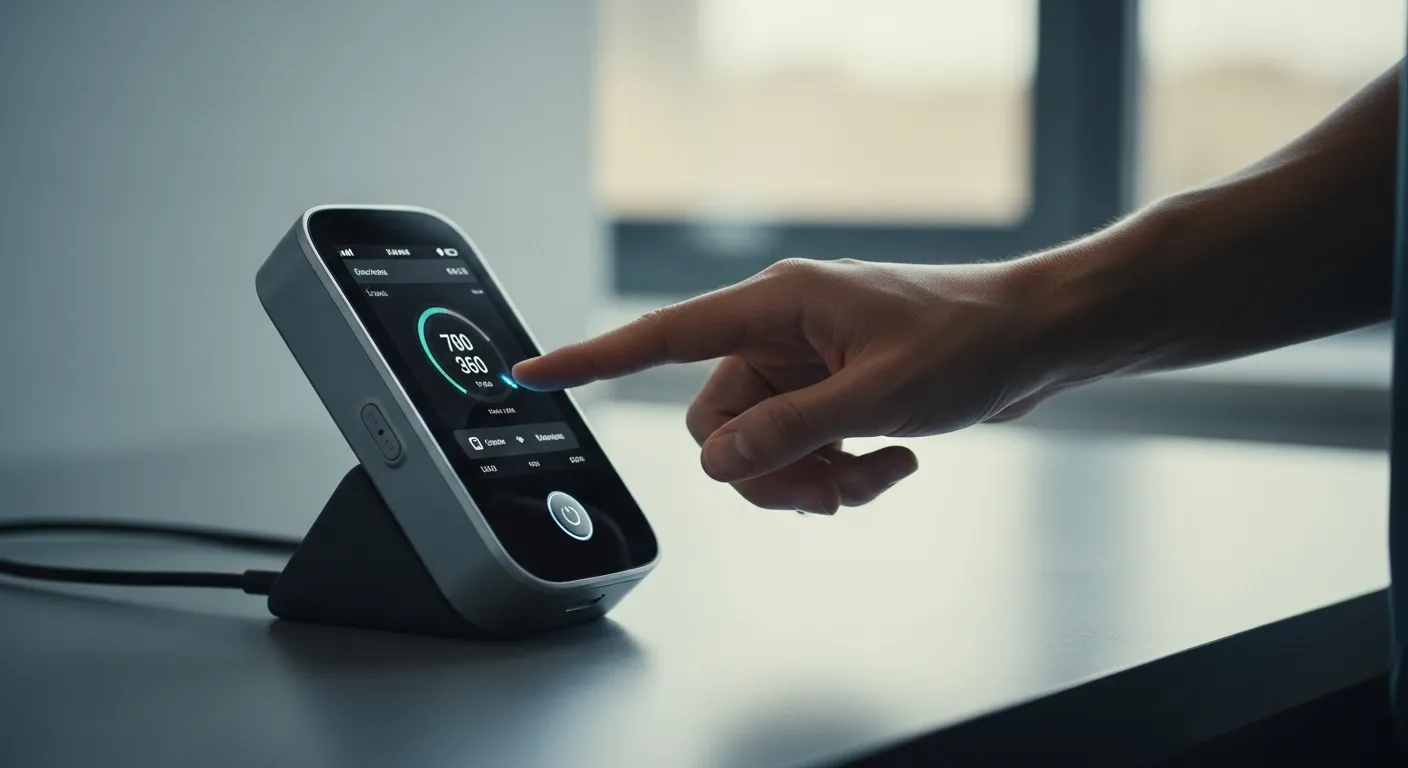
BIA devices measure body composition by sending a low-level, safe electrical current through the body. The electrical current exhibits different resistance depending on the amount of water in the body; muscle tissue conducts water well, while fat tissue conducts less. The device measures these resistance differences to estimate parameters such as fat-free mass, fat mass, total body water, and sometimes bone density. They come in scale-type or handheld models. They are easily accessible and provide quick results.
Body Composition Analysis Devices (DEXA, Air Displacement Plethysmography - Bod Pod)
These devices offer more advanced and precise measurements compared to BIA.
- DEXA (Dual-Energy X-ray Absorptiometry): Considered the gold standard for body composition measurement. It uses X-rays at two different energy levels to regionally measure the body's bone mineral density, fat mass, and lean mass. It provides highly accurate and repeatable results but is expensive and, due to radiation exposure (albeit at very low levels), is generally used in medical or research settings.
- Bod Pod (Air Displacement Plethysmography): Based on the principle of air displacement. While the athlete sits inside a sealed chamber, the device measures the athlete's body volume. Using this volume data along with body weight, body density is calculated, and then fat mass and lean mass ratios are determined. It is a radiation-free, fast, and comfortable measurement method.
Calorimeters (Indirect Calorimetry)
Indirect calorimeters measure an athlete's metabolic rate (energy expenditure) at rest or during exercise. These devices analyze the amount of oxygen inhaled and carbon dioxide exhaled to determine how much energy the body is burning and which fuel sources (carbohydrates, fats) it is using. This data is essential for accurately determining an athlete's daily energy needs and macronutrient ratios. They provide invaluable information for optimizing performance and creating weight management strategies.
Wearable Sensors and Smart Devices
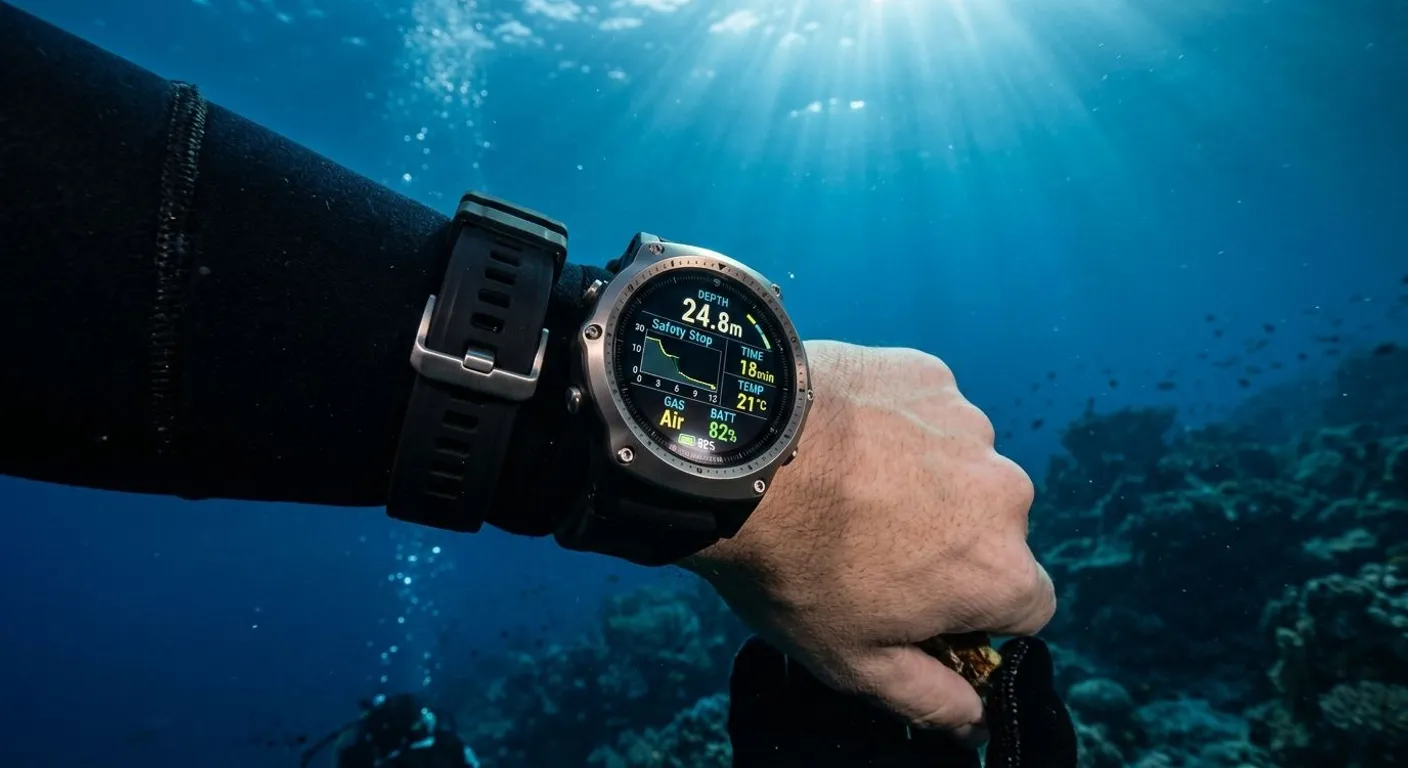
Smartwatches, activity trackers, and advanced sensors continuously monitor athletes' daily lifestyle and training data. These devices record parameters such as heart rate, sleep quality, step count, calories burned, GPS data, and in some models, sweat analysis for electrolyte loss. The collected data provides important clues to nutritionists for understanding the impact of training load on nutrition, determining hydration strategies, and early detection of fatigue signs.
Benefits of Nutrition Analysis Devices for Professional Athletes
These technological tools offer a range of significant advantages for professional athletes' careers and health:
- Personalized Nutrition Programs: Every athlete's genetics, training type, sport discipline, and goals are different. Detailed data obtained from devices go beyond general nutrition advice, making it possible to create precise, tailor-made nutrition plans for individual athletes. For example, the difference between a marathon runner's carbohydrate needs and a weightlifter's protein needs becomes clear with this data.
- Performance Optimization: Even small changes in body composition can significantly affect performance. Reducing body fat percentage, increasing muscle mass, or maintaining optimal hydration levels directly improves parameters such as speed, strength, and endurance. Analysis devices allow for continuous monitoring of whether the correct nutrition strategies are being implemented to achieve these goals.
- Injury Risk Reduction and Rapid Recovery: Inadequate nutrition leads to muscle fatigue, weakening of the immune system, and increased injury risk. Proper nutrient intake and sufficient hydration accelerate muscle repair after training, reduce inflammation, and ensure athletes are better prepared for the next training session. Especially electrolyte balance and water intake become critically important when monitored with wearable sensors.
- Adjusting Training Load: The body's energy status and recovery capacity are fundamental factors in determining training load. Metabolic rate measurements and energy expenditure data help coaches and dietitians align training programs with the athlete's physiological condition, thereby reducing the risk of overtraining syndrome.
- Motivation and Informed Approach: Concrete data increases athletes' adherence to their nutrition programs. Seeing progress through graphs and numbers motivates athletes and enables them to make more informed decisions about their own bodies. This is also a psychologically supportive factor for long-term success.
Considerations for Device Selection and Data Interpretation
The selection of nutrition analysis devices and the correct interpretation of collected data are essential for maximizing the benefits obtained.
- Accuracy and Reliability: The accuracy of the device is directly related to its measurement principle and calibration. Some devices, like BIA, can be affected by factors such as hydration status, skin temperature, and meal timing. DEXA and indirect calorimeters offer higher accuracy.
- Ease of Use and Accessibility: How easily the device can be used by an athlete or coach is important. Portability and measurement time should also be considered.
- Cost: The costs of devices vary widely, from simple BIA scales to advanced DEXA machines. The most suitable solution should be chosen based on budget and needs.
- Professional Support: Even the most accurate and advanced device requires the help of an expert for the correct interpretation of the obtained data and its conversion into personalized strategies. Specialists such as a sports dietitian, sports physician, or physiologist evaluate the data within the context of the athlete's general health status, training program, and goals to create the most effective nutrition plans. Expert support should always be sought instead of attempting to analyze on your own.
Comparison of Nutrition Analysis Devices
| Feature | Bioelectrical Impedance Analysis (BIA) | DEXA (Dual-Energy X-ray Absorptiometry) | Indirect Calorimetry | Wearable Sensors & Smart Devices |
|---|---|---|---|---|
| Measurement Principle | Electrical current resistance | X-ray absorption | Oxygen consumption/Carbon dioxide production | Optical sensors, accelerometers, GPS, thermometer, etc. |
| Measured Parameters | Fat/muscle/water ratio, Basal metabolic rate (estimated) | Fat/muscle/bone mass (regional), bone density | Resting/exercise metabolic rate, energy expenditure, fuel utilization | Heart rate, steps, distance, sleep, calories, sweat analysis (in some models) |
| Accuracy | Moderate (sensitive to hydration) | Very High (Gold Standard) | High | Variable (depends on model) |
| Cost | Low - Moderate | High | Moderate - High | Low - Moderate |
| Accessibility | High (home use) | Low (clinical/research centers) | Moderate (specialized laboratories) | High (common consumer product) |
| Area of Use | General body composition tracking | Detailed composition, bone health, research | Energy needs determination, metabolic analysis | Daily activity, training tracking, recovery |
Success in professional sports comes from understanding the body like a machine and providing it with the most accurate fuel. Nutrition analysis devices offer scientific and objective data to solve this complex equation, helping athletes fully unleash their potential. With advancing technology, these devices will continue to become more accessible and detailed, solidifying their place in athlete nutrition.
It should be remembered that even the most advanced devices are merely tools. The correct interpretation of the data obtained from these tools by a sports dietitian or sports physician, and its conversion into personalized nutrition strategies, is critically important for ultimate success.
Frequently Asked Questions
What do nutrition analysis devices do?
Nutrition analysis devices help create personalized nutrition plans and optimize performance by measuring data such as athletes' body composition, metabolic rate, and energy expenditure.
Why should professional athletes undergo nutrition analysis?
Professional athletes should undergo nutrition analysis to determine their individual physiological needs with scientific data, enhance performance, reduce injury risk, and ensure rapid recovery.
What is the main difference between BIA and DEXA?
BIA estimates body composition by measuring body water with an electrical current, whereas DEXA is a gold standard method that uses X-rays to more precisely and regionally measure fat, muscle, and bone mass.
How often should nutrition analysis devices be used?
Usage frequency varies depending on the device type, athlete's goals, and training period. Generally, BIA is recommended weekly or monthly, while DEXA or calorimetry is suggested every few months or during training camps.
Are wearable devices sufficient for nutrition analysis?
While wearable devices provide important data like activity and sleep, they should be used in addition to professional devices like BIA, DEXA, or calorimeters for in-depth nutrition analyses such as body composition or metabolic rate.
This content was researched and prepared by the İlgi Alanları editorial team and reviewed for accuracy and readability before publication. Information on health, finance and investment topics is general in nature and does not replace professional advice.