First Skydive Guide: An Unforgettable Experience in the Sky
For those seeking the unique taste of freedom in the sky, skydiving offers an unforgettable experience. This guide explains everything you need to know step-by-step to make your first jump safe and enjoyable.
Skydiving is both a sport and a lifelong unforgettable adventure. While the thought of launching yourself into the void from hundreds, or even thousands, of meters might be daunting for some, this experience often results in an indescribable feeling of freedom and accomplishment. Having the right information when planning your first jump makes this adventure safer and more enjoyable. This article provides a comprehensive guide for those new to skydiving.
First Step: What is a Tandem Jump?
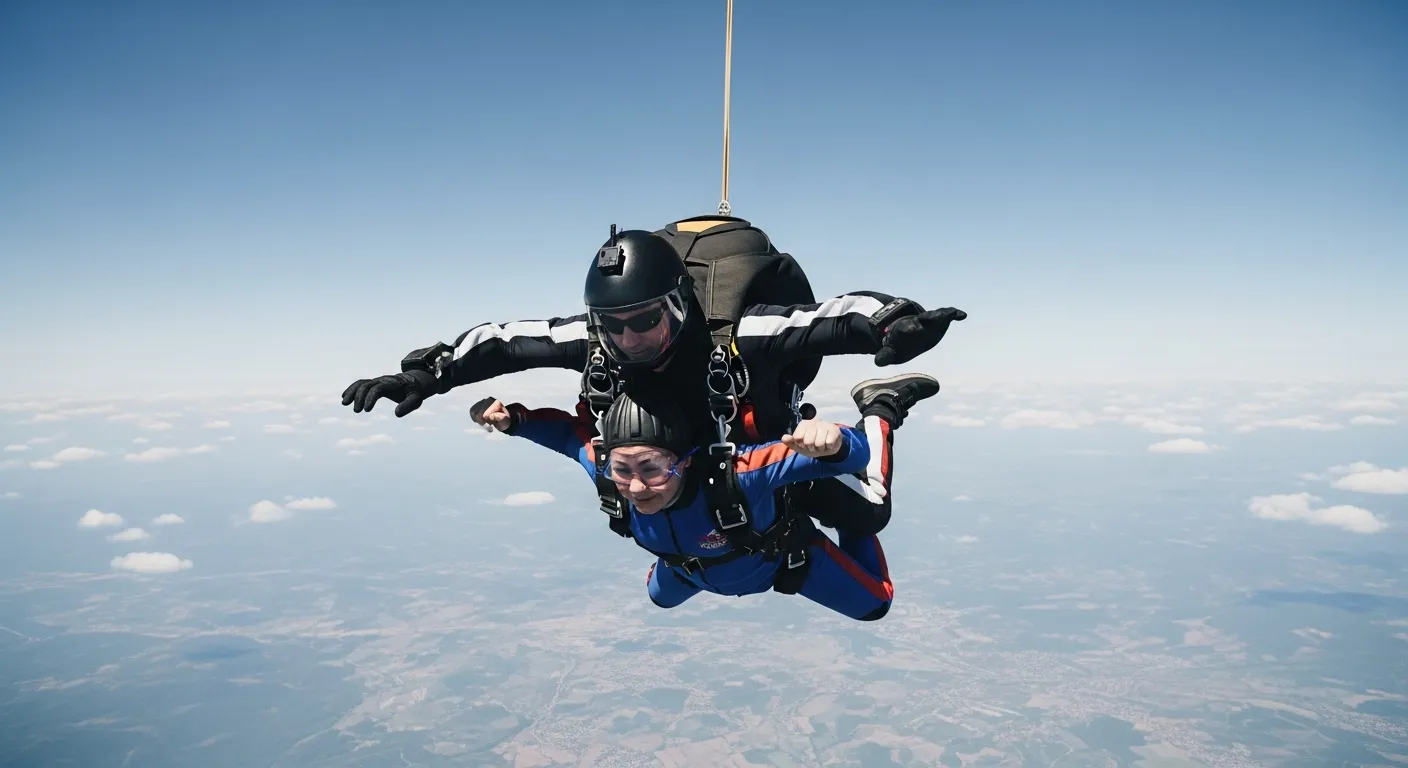
For first-time skydivers, the most common and safest method is a tandem jump. In this method, you jump connected to an experienced instructor via a special harness. The instructor controls all the equipment, manages the jump, and ensures the landing. This allows you to simply enjoy the moment and experience the unique feeling of freefall and gliding through the sky.
Advantages of a Tandem Jump:
- Minimal Training: You don't need extensive skydiving training. A short briefing is sufficient.
- Maximum Safety: With an experienced professional by your side, your safety concerns are reduced.
- Enjoy the Moment: Since you're not dealing with equipment management, you can fully focus on the experience.
- Quick Experience: Instead of hours of training, you can complete the jump and experience the thrill within a few hours.
Other Methods: Static Line and AFF
While a tandem jump is ideal for a first experience, other training methods exist for those who wish to pursue skydiving as a hobby or sport. Among these, Static Line and Accelerated Freefall (AFF) stand out.
- Static Line: In this method, a cord (static line) attached to the aircraft automatically deploys the parachute as the skydiver exits the plane. Initial jumps are made from lower altitudes with no freefall time. Freefall training then follows.
- Accelerated Freefall (AFF): This is the fastest training method for those seeking a skydiving license. The student jumps from high altitude accompanied by two or three instructors and experiences freefall. Instructors correct the student's body position during the fall and assist with parachute deployment. In subsequent jumps, the number of instructors decreases, and the student prepares for independent jumps.
These methods require a longer and more intensive training process compared to a tandem jump. Here is a comparison table:
| Feature | Tandem Jump | Static Line | Accelerated Freefall (AFF) |
|---|---|---|---|
| Training Duration | 20-30 minute briefing | Several hours ground training, theoretical lessons | Intensive theoretical training, 7-10 levels of jump lessons |
| Freefall | Yes, with instructor | None (in initial jumps), then gradual | Yes, with instructors |
| Control | With instructor | With skydiver (after parachute deployment) | With skydiver (under instructor supervision) |
| Experience Level | Beginner, one-time experience | Basic skydiving knowledge, suitable for progression | Foundational for those aspiring to be professional |
| Connection | Attached to instructor | Independent | Close contact with instructors |
Preparations Before Skydiving
Making some preparations is important for a smooth skydiving experience.
Physical and Mental Preparation
You don't need to be in super athletic physical shape to skydive. However, good general health is important. Most centers have specific age and weight limits. If you have conditions such as heart disease, high blood pressure, or epilepsy, it is essential to consult your doctor and inform your skydiving center. Mentally, feeling excitement and a little fear is normal. This is a natural reaction to the unknown. Feeling ready and thinking positively will make your experience much more enjoyable.
Choosing the Right Center and Instructor
At the core of a safe skydiving experience lies the choice of a certified and experienced skydiving center. Check if the centers comply with international aviation rules and local authority regulations. Inquire about instructors' licenses, experience, and safety records. A good center will answer all your questions transparently and instill complete confidence.
Equipment and Safety
Skydiving is a sport supported by high-tech equipment and strict safety protocols.
-
Essential Equipment:
- Main Parachute: The primary component of the jump.
- Reserve Parachute: A secondary parachute used if there's an issue with the main parachute.
- Harness: A sturdy piece of equipment that fits the body, connecting the skydiver and the parachute system.
- Altimeter: A device that indicates altitude.
- Automatic Activation Device (AAD): A safety mechanism that automatically deploys the reserve parachute if you are still in freefall below a certain altitude.
- Helmet and Goggles: Necessary for head and eye protection.
-
Safety Protocols: A detailed safety check is performed before every jump. Jumps are postponed if weather conditions are unsuitable. All equipment undergoes regular maintenance and inspection. Skydiving is statistically considered safer than some other extreme sports, but this is ensured by adhering to strict safety rules. If you wish to explore different disciplines of air sports, you can also check out our article Wingsuit and BASE Jumping: Exploring the Limits of Extreme Sports.
Jump Day: What to Expect?
Jump day is a day full of excitement and anticipation. Here's what you'll experience step-by-step:
- Registration and Final Briefing: Upon your arrival at the center, your registration process will be completed. Afterwards, you will receive a brief with your instructor about the jump process, safety instructions, and body positions in the aircraft.
- Gearing Up: Your instructor will fit you with the appropriate harness and check all connections. At this stage, everything is ensured to be correct.
- Boarding the Plane and Ascent: You will board the plane with your teammates and other skydivers. The aircraft will begin to ascend to the jump altitude (typically 3000-4000 meters). During this time, you can chat with your instructor or enjoy the view.
- The Jump Moment and Freefall: Once the jump altitude is reached, the plane's door opens, and it's your turn. You move towards the door with your instructor and launch yourselves into the void. The first few seconds bring an indescribable shock and adrenaline rush. Then, as you fall at a speed of over 50 meters per second, you'll feel the wind caress your face and glide through the clouds. Freefall duration varies between 30 and 60 seconds, depending on the altitude.
- Parachute Deployment and Glide: At a certain altitude, your instructor deploys the main parachute. As the parachute opens, you rapidly slow down and begin to glide through the sky. This moment, unlike freefall, is calm and peaceful. You'll observe the landscape below, listen to the whisper of the wind, and enjoy the freedom of flying like a bird. You can steer with your instructor and even try some small turns.
- Landing: As you approach the landing zone, your instructor prepares the parachute for landing. You will be asked to lift your feet slightly or assume a specific position for the landing. You touch down softly on the ground. This moment is when the adventure is crowned with triumph.
After the Jump: Emotions and Next Steps
After the jump, you will often experience an intense feeling of euphoria and accomplishment. The pride of having experienced one of the bravest moments of your life is indescribable. Many centers offer video and photo recordings of your jump, allowing you to immortalize these moments. This experience might increase your interest in adrenaline sports. If you've become curious about different extreme sports, you can also find inspiration in our article Rock Climbing Beginner's Guide: Safe Steps, Equipment, and Tips.
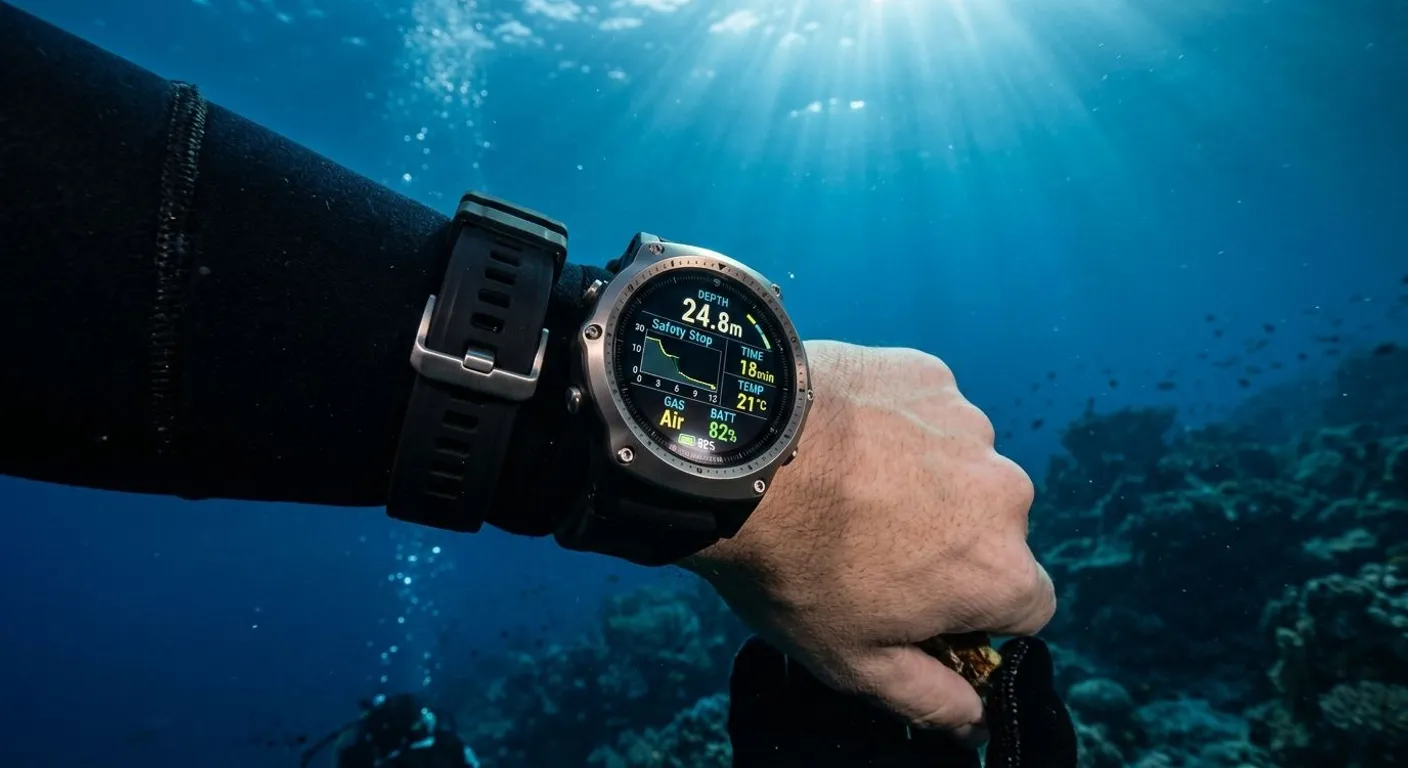
In your skydiving experience, wearable technologies can also play an important role in capturing your performance and the moment. For instance, devices like advanced altimeters or action cameras are frequently used in such experiences. To learn more about the role of wearable technologies in sports performance and safety, you can check out our article Wearable Technology Trends for Cyclists: New Dimensions in Performance and Safety.
Your first jump might just be the beginning of a new passion. This adventure offers you not only a journey through the sky but also a new perspective on yourself and your potential. Remember, safety should always be your top priority, and you must follow all instructions.
Resources
Frequently Asked Questions
How old do you have to be to skydive?
Most skydiving centers enforce a minimum age limit of 18 for tandem jumps. For those under 18, parental consent or additional requirements may be necessary.
Is there a weight limit for skydiving?
Yes, most centers apply a weight limit for safety reasons. This limit typically ranges between 90-100 kg and may also be assessed based on height-to-weight ratio. For precise information, you should contact the center where you plan to jump.
Do I need special training before skydiving?
For a tandem jump, extensive training is not required. You will only receive a 20-30 minute safety briefing before the jump. License-oriented methods like Static Line or AFF require longer training sessions.
How long does freefall last?
The duration of freefall varies depending on the jump altitude. Typically, for jumps made from 3000-4000 meters, freefall lasts between 30 and 60 seconds.
Is skydiving dangerous?
Skydiving is quite safe due to strict safety protocols, regular equipment maintenance, and experienced instructors. However, like any extreme sport, it carries certain risks. These risks are minimized by choosing the right center and adhering to instructions.
This content was researched and prepared by the İlgi Alanları editorial team and reviewed for accuracy and readability before publication. Information on health, finance and investment topics is general in nature and does not replace professional advice.