Revolutionizing Healthcare with Nanotechnology: Targeted Medical Approaches
Nanotechnology pushes the boundaries of medicine with invisible-scale interventions. This technology promises radical changes in many areas, from disease diagnosis to treatment.
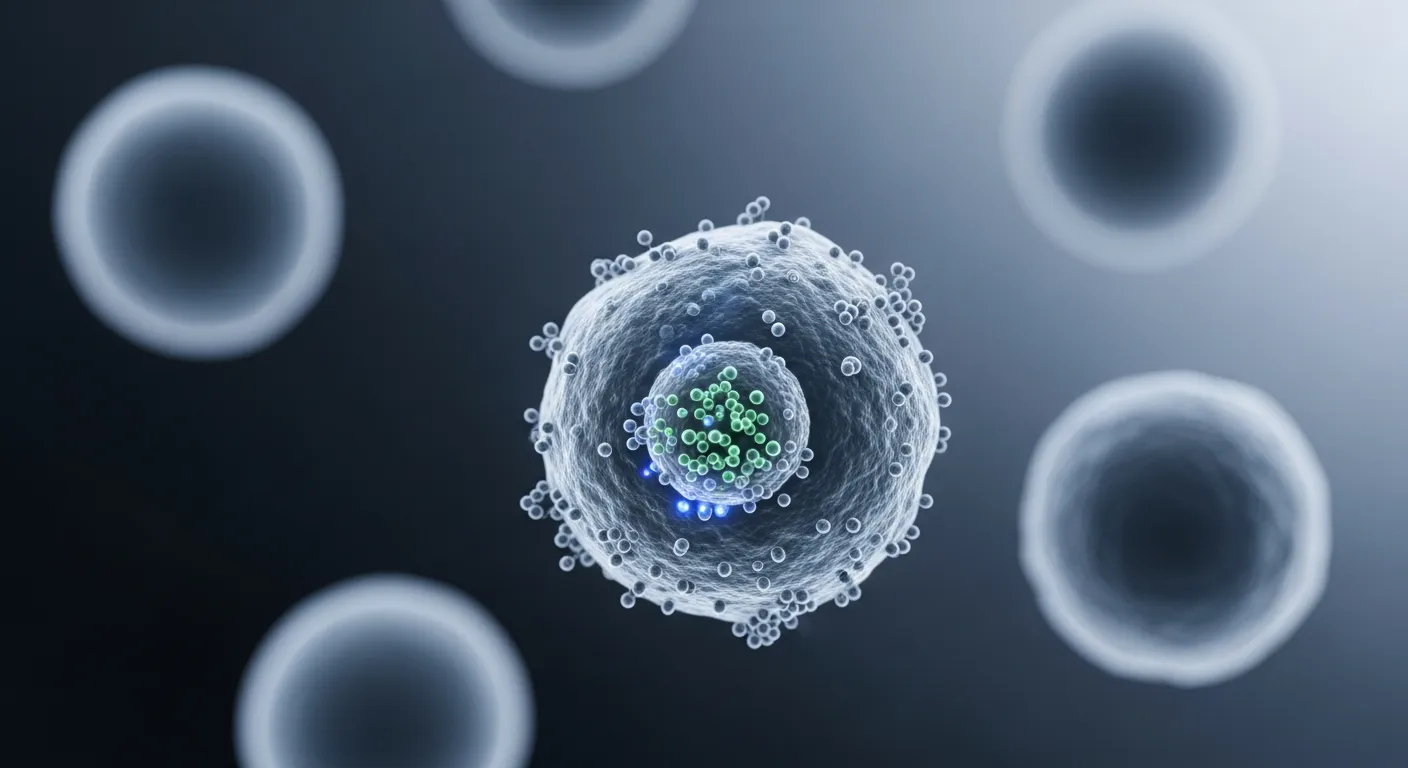
Human health is one of the most intense intersections of science and technology. In recent years, nanotechnology, a term we hear frequently, is opening the doors to a new era at this intersection. This discipline, which involves manipulating matter at the atomic and molecular level, holds promise in many areas where traditional medical methods fall short.Nanotechnology stands out not only for its small size but also for the unique physical, chemical, and biological properties that materials exhibit at this nanoscale. Nanotechnology in healthcare, or nanomedicine, aims to leverage these very properties to offer more effective, precise, and personalized approaches in the fight against diseases.## Targeted Drug DeliveryIn many diseases, such as cancer, a significant problem is that medications spread throughout the body, harming healthy cells. Nanotechnology offers smart solutions to this issue. Microscopic vehicles called nanocarriers deliver drugs directly to diseased cells or tissues, increasing treatment effectiveness while minimizing side effects.For instance, chemotherapeutic drugs used in cancer treatment can be encapsulated within nanocarriers and coated with molecules that recognize specific receptors on the surface of tumor cells. This ensures that the drugs bind only to cancerous cells, allowing treatment to reach its target without harming healthy tissues. This method enables the use of lower drug doses while significantly improving the patient's quality of life.## Advanced Diagnostic and Imaging MethodsEarly diagnosis of diseases is critically important for successful treatment. Nanotechnology offers revolutionary advancements in this field as well. Nanobiosensors can detect disease markers (biomarkers) even at very low concentrations in the body.* Early Cancer Diagnosis: Proteins secreted by cancer cells or increased in cancerous tissues can be detected by nanobiosensors before the disease progresses. This is vital, especially for aggressive cancer types.* Precise Imaging: Nanoparticles can be used as contrast agents in imaging techniques such as magnetic resonance imaging (MRI) or computed tomography (CT). These nanoparticles can be directed to specific tissues or tumors, allowing for much clearer and more detailed images. This enables doctors to better monitor disease progression and treatment response.* Infection Detection: Rapid and accurate diagnosis of pathogens like bacteria and viruses is crucial for preventing epidemics and selecting the correct antibiotic treatment. Nanobiosensors can detect these microorganisms very quickly and with high sensitivity.Especially in sensitive areas like gut health, research on microbiome balance indicates that nanotechnology could open new doors in areas such as targeted delivery of probiotics or detection of harmful bacteria. You can review our related article to learn more about The Science of Microbiome Balance and Gut Health.## Regenerative Medicine and Tissue EngineeringRepairing or replacing damaged or dysfunctional tissues and organs is one of modern medicine's greatest goals. Nanotechnology offers promising developments in the field of regenerative medicine:* Tissue Scaffolds: Scaffolds made from nanomaterials provide an ideal environment for cell growth and new tissue formation. For example, nanostructures specifically designed for bone or cartilage tissue can accelerate the body's self-repair process.* Nerve Regeneration: In conditions like spinal cord injuries, nanostructures can support the regrowth and connection of nerve cells.* Smart Implants: Nanocoated implants can reduce the risk of infection, enhance biocompatibility, and even accelerate the healing process by responding to specific signals within the body.## Nanorobots and Smart DevicesAlthough still in the research phase, nanorobots could play a significant role in future medicine. These microscopic robots could navigate blood vessels, clear blockages, destroy microbes, or deliver drugs directly to diseased cells.Furthermore, nanotechnology plays a role in the development of wearable technology and home-use medical devices. Nanomaterials enable the production of smaller, more sensitive, and more energy-efficient sensors. For example, the use of nanomaterials in technologies like Home Infrared Therapy Devices can enhance device performance and effectiveness.## Comparison of Traditional Medical Approaches with Nanomedicine| Feature | Traditional Medical Approaches | Nanomedicine Approaches ||------------------------|--------------------------------------------------------------|--------------------------------------------------------------|| Drug Delivery | Systemic (spreads throughout the body), common side effects | Targeted, side effects minimized || Diagnostic Sensitivity | Generally detects at higher concentrations | Early and precise detection even at very low concentrations || Cellular Interaction | Macro-scale, general effects | Precise interaction at cell and molecular level || Treatment Personalization | Generally standard protocols | Personalized treatment based on individual biological response || Tissue Repair | Limited natural healing or surgical intervention | Scaffolds supporting cell growth, regenerative potential || Side Effect Profile | Generally higher risk of side effects due to high doses | Lower risk of side effects due to targeted approach |## Challenges and Ethical DiscussionsLike any revolutionary technology, nanotechnology brings with it certain challenges and ethical discussions. The toxicity of nanomaterials and their long-term effects on the human body and environment are not yet fully understood. Extensive research is ongoing regarding how these particles are distributed, accumulated, and eliminated from the body.Regulations are of great importance for the safe and effective market introduction of nanomedicine products. Furthermore, social and ethical issues such as the cost and equitable access of personalized medical approaches brought by nanotechnology must also be considered.## Future OutlookAlthough nanotechnology is still in its early stages in healthcare, it has already yielded promising results in the treatment and diagnosis of many diseases. From cancer to Alzheimer's, diabetes to infectious diseases, we are moving towards a healthier future with the solutions offered by nanotechnology across a wide spectrum.Research in this field is rapidly progressing, and new discoveries are being introduced to the medical world every day. Nanotechnology is noteworthy not only for its potential in combating diseases but also for extending healthy lifespans and improving quality of life. The future of medicine is being shaped at microscopic dimensions.
Frequently Asked Questions
What exactly does nanotechnology do in healthcare?
In healthcare, nanotechnology enables targeted drug delivery, early and precise disease diagnosis, tissue engineering for regenerative medicine applications, and the development of smart medical devices.
How do nanocarriers provide an advantage in cancer treatment?
Nanocarriers deliver chemotherapy drugs directly to cancerous cells, preventing damage to healthy tissues, thereby increasing treatment effectiveness and reducing patient side effects.
How do nanobiosensors detect diseases?
Nanobiosensors detect disease markers (biomarkers) or pathogens at very low concentrations in blood or other bodily fluids with high sensitivity, enabling early diagnosis.
What are the potential risks of nanotechnology in healthcare?
Potential risks include the toxicity of nanomaterials in the body, their long-term effects, and ethical concerns (e.g., equitable access). Extensive research is ongoing in these areas.
When will nanotechnology-developed drugs become widespread?
While some nanotechnology-based drugs and diagnostic methods are already in clinical use, widespread adoption of more comprehensive applications requires further research, clinical trials, and regulatory approval.
This content was researched and prepared by the İlgi Alanları editorial team and reviewed for accuracy and readability before publication. Information on health, finance and investment topics is general in nature and does not replace professional advice.