Showcase Solutions for Collectors: Display and Protection Guide
Discover the most effective display cabinet solutions to showcase the special pieces you have spent years collecting with the aesthetics they deserve while protecting them from external factors.
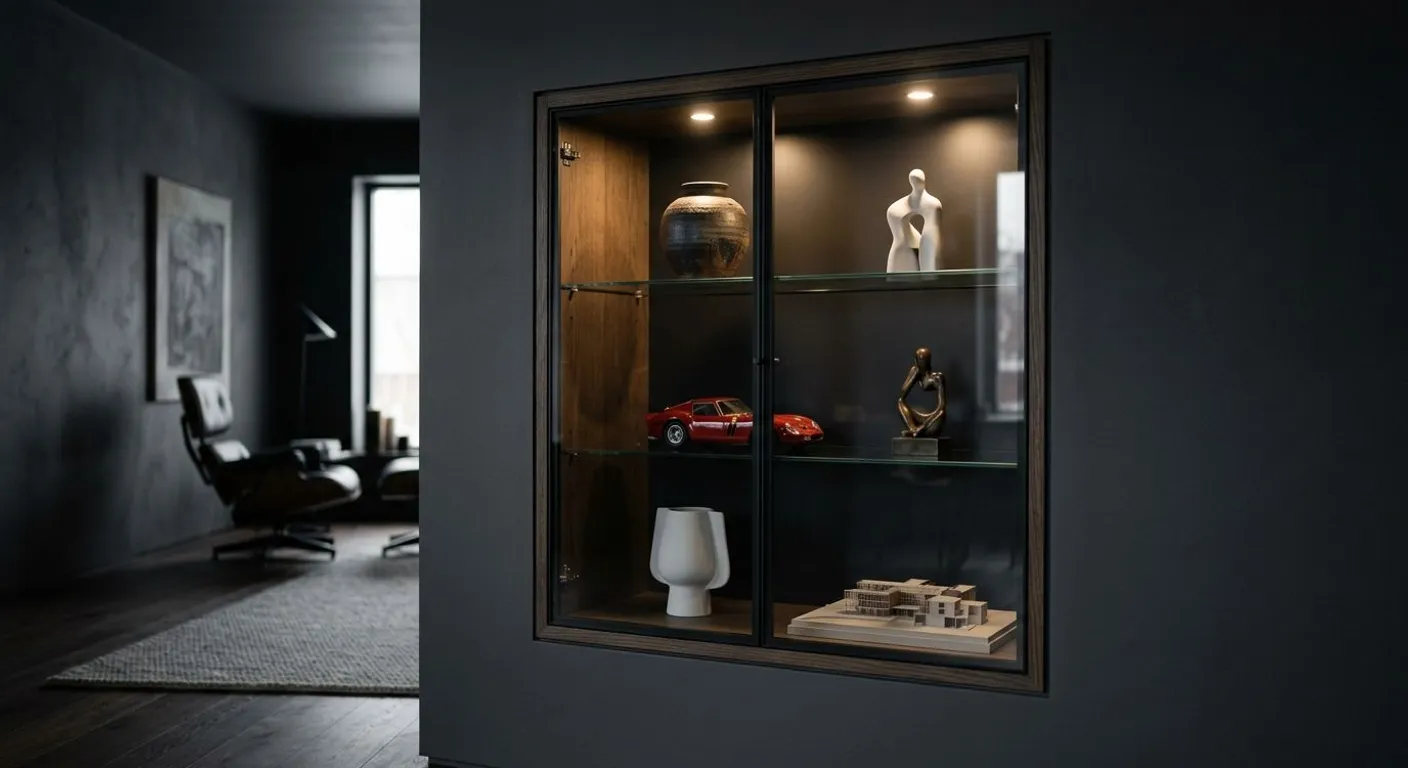
Collecting is not merely a passion for gathering objects; it is also the art of preserving time, stories, and specific aesthetic values. Rare items collected with great care deserve to be displayed prominently in living spaces rather than remaining in dusty boxes. However, not every type of collection requires the same display conditions. From model vehicles and antique watches to porcelain objects and rare comic books, every piece finds its identity through the right display solution.
Focusing solely on aesthetics when designing or purchasing a display cabinet is one of the biggest mistakes. Environmental factors such as ambient light, humidity levels, dust accumulation, and air circulation directly affect the lifespan of your collection items. In this guide, we examine specialized display cabinet systems that allow you to showcase your valuable collections in the most stylish way while simultaneously keeping them protected.
Display Cabinet Structure and Spatial Planning by Collection Type
The size, weight, and delicacy of the items you wish to display are the main parameters in choosing a cabinet. While solid wood frames and thick tempered glass shelves should be preferred for heavy and bulky objects, acrylic-based modular cases offer a more practical solution for light and small pieces.
Space saving and precise dimensioning are especially critical for hobbyists building their own scaled models. If you are interested in model aircraft and drone making projects, adjustable-depth shelf systems provide uninterrupted transparency for viewing enjoyment from every angle. Similarly, the weight capacity of heavy panels used for handcrafted ceramic works must be calculated carefully.
For enthusiasts who want to design their own modular cabinet, building custom-sized shelving systems with the help of compact woodworking tool sets is the most enjoyable way to add a personal touch to your collection space.
Display Cabinet Materials: Glass, Acrylic, and Wood Comparison
The materials used in cabinet construction determine not only durability but also display quality. Glass and acrylic (plexiglass) are the most popular transparent surface choices. Wood and metal form the foundation of the structural frame.
| Material Type | Advantages | Disadvantages | Best Use Case |
|---|---|---|---|
| Tempered Glass | Scratch-resistant, high clarity, high weight-bearing capacity. | Heavy, can break upon impact, requires extra film for UV protection. | Heavy objects, antique furniture, large-scale sculptures. |
| Museum-Grade Acrylic | Lightweight, impact-resistant, up to 98% built-in UV protection. | Scratches easily, can attract dust due to static electricity. | Delicate paper works, figures, lightweight mini objects. |
| Solid Wood Frame | Natural appearance, high static resistance, classic aesthetic. | Affected by humidity changes, requires periodic maintenance. | Classic collections, antique weapons, and watch cabinets. |
| Aluminum Profile | Modern design, extremely lightweight, modular expansion capability. | Cold industrial look, high cost. | Modern figure collections, technological objects. |
Museum-Standard Lighting: Protecting Works from Heat and UV
One of the most critical mistakes made in collection displays is using improper lighting fixtures. Traditional halogen or incandescent bulbs emit large amounts of heat and ultraviolet (UV) radiation. This leads to color fading, embrittlement of plastic materials, and yellowing of paper-based items.
LED lighting systems, which have become standard in modern display cabinets, are a safe choice because they produce no heat and offer directional, low-voltage light.
- Spotlight LEDs: Ideal for highlighting a specific piece and creating a sense of depth.
- Strip LED Systems: Hidden under shelves to provide even, shadow-free lighting at every level.
- CRI (Color Rendering Index): Fixtures with a CRI value of 90 and above should be preferred to accurately reflect natural colors.
Dust, Humidity, and Micro-Climate Control
The biggest enemies of rare pieces over time are dust and uncontrolled humidity. Silicone or brush seals applied to display doors prevent dust entry by up to 95%. This insulation reduces cleaning frequency while preventing physical wear and tear on the items.
In high-humidity environments, mold can occur on wood and paper products, while corrosion can develop on metals. The ideal indoor humidity level should be kept between 45% and 55%. Modular desiccant packs hidden inside the cabinet or micro-climate units with digital hygrometer tracking are vital for high-value collections.
Security and Modular Layout Strategies
Security is an aspect that should not be overlooked in areas where valuable pieces are displayed. Locked glass doors, locking pin systems, or integrated vibration sensors prevent unauthorized access.
A collection is a living entity that grows over time. Therefore, investing in cabinet systems with adjustable heights and modular additions when needed—rather than fixed shelves—makes your investment future-proof. Adjustable rail systems allow you to re-establish visual balance without having to replace the entire cabinet when a new piece is added.
Resources
Frequently Asked Questions
Should glass or acrylic be preferred in collection display cabinets?
Acrylic should be preferred if you are looking for shatter resistance and built-in UV protection; tempered glass should be selected if scratch resistance, high clarity, and weight-bearing capacity are required.
How does sunlight damage collection items?
Ultraviolet (UV) rays in sunlight break down the molecular structure of pigments, causing colors to fade and making plastic and paper materials brittle.
Why should LEDs be preferred for display cabinet lighting?
LED lights do not produce high heat and do not emit UV rays. This prevents collection items from deforming due to heat or shifting in color.
How can dust accumulation in display cabinets be prevented?
Silicone or brush insulation seals applied to the edges of display doors prevent dust. Using anti-static cleaners is also beneficial.
This content was researched and prepared by the İlgi Alanları editorial team and reviewed for accuracy and readability before publication. Information on health, finance and investment topics is general in nature and does not replace professional advice.