Discover Your Creativity with a Home Ceramic Kiln: A Comprehensive Guide
A home ceramic kiln opens doors for those interested in pottery and ceramic art. Set up your own studio and enjoy firing the pieces of your dreams.
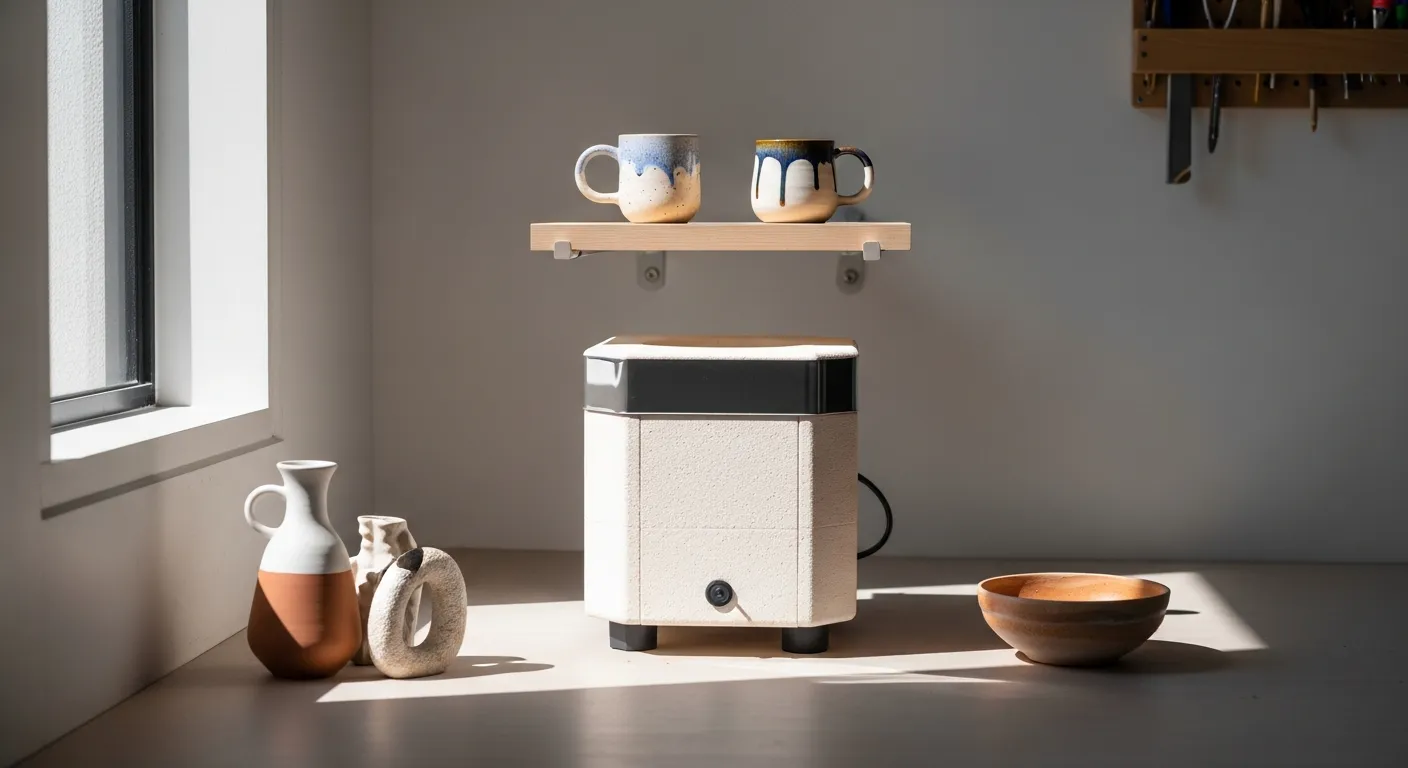
Embarking on creative projects at home is a soul-nourishing and enjoyable pursuit. Ceramic art is one such field. The unique experience of clay taking shape in your hands, then gaining a completely different texture and durability through fire, is unparalleled. Once found only in professional studios, ceramic kilns have now made their way into our homes with technological advancements. Acquiring a home ceramic kiln is one of the most significant steps you can take to set up your own studio and explore your boundless creativity.
In this guide, you will find a wide range of information, from what home ceramic kilns are, to how to choose one, safety precautions, and projects you can bring to life with your kiln. Now, you can experience the freedom of firing your own creations without relying on external services.
What is a Home Ceramic Kiln?
A home ceramic kiln is essentially a heating unit that fires objects made from ceramic clay at high temperatures, hardening them and making them durable. These kilns are smaller than industrial or large studio kilns and are typically designed with power requirements suitable for household electrical grids. This process, which transforms the clay's structure into a waterproof and robust material, occurs in two main stages: bisque firing and glaze firing. Home models are ideal for ceramic artists, hobbyists, and those looking to produce on a small scale.
Why Own Your Own Ceramic Kiln?
Owning your own ceramic kiln offers many advantages:
- Freedom and Flexibility: You can fire whenever you want, according to your own schedule. You won't be tied to studio schedules or firing appointments.
- Control: You have complete control over firing temperature, duration, and cooling curve. This is especially important when working with special glazes or clay types.
- Cost-Effectiveness: If you fire ceramics regularly, it can become more economical in the long run than paying for external firing services.
- Privacy and Experimentation Space: You'll have your own private space to try new techniques, test different glazes, or complete your personal project without showing it to anyone.
- Speed: You have the opportunity to fire a finished piece immediately, without having to wait for your project to be completed.
Considerations When Choosing a Ceramic Kiln
When purchasing a home ceramic kiln, there are several important factors to consider. Choosing the right kiln is crucial for both your budget and your ceramic goals.
Size and Capacity
The internal volume of the kiln directly affects the size and quantity of pieces you plan to make. While mini kilns may suffice for small jewelry or decorative objects, larger internal volume kilns are necessary for dinnerware sets or large sculptures. You should also consider the external dimensions of the kiln based on the available space in your home.
Temperature Range and Clay/Glaze Compatibility
The maximum temperature the kiln can reach determines the types of clay and glazes you can use. Ceramics are generally fired within three main temperature ranges:
- Low Fire (Cone 06-04, 999-1060°C): For terracotta, some earthenware clay, and low-fire glazes.
- Mid-Fire (Cone 5-6, 1200-1222°C): A popular range for stoneware clay and many modern glazes.
- High Fire (Cone 9-10, 1285-1305°C): For porcelain and high-grade stoneware, yielding the most durable results.
For beginners, a kiln capable of reaching the mid-fire range is usually sufficient and offers a wide variety of materials.
Power Requirements
Home kilns typically require a 220V or 380V electrical connection. While smaller models can operate with standard outlets, larger kilns may require a dedicated electrical line and professional installation. Do not make a decision without checking your home's electrical infrastructure.
Control System
- Manual Control: Generally more affordable. You need to manually adjust the temperature and firing time.
- Digital/Programmable Control: Found in most modern kilns. Offers preset programs or the ability to create your own custom programs. Provides precise control and ease of use.
Ventilation and Safety
Fumes and gases released during firing can be harmful to health. You must install your kiln in a well-ventilated area or use an appropriate ventilation system (hood or dedicated exhaust). It is also important for the kiln to have safety features such as an overheat prevention lock.
Comparison of Different Ceramic Kiln Types
While electric models often stand out among home ceramic kilns, there are different fuel types and firing methods. Here's a comparison of the main types:
| Feature | Electric Kilns | Gas Kilns (Small Models) | Microwave Kiln Kits |
|---|---|---|---|
| Fuel Type | Electricity | Propane or Natural Gas | Microwave Oven's Electrical Energy |
| Temperature Range | Low, Mid, High Fire (varies by model) | Generally Mid and High Fire | Low Fire Only (approx. max 1000°C) |
| Control | Usually digital, precise programming | More manual, atmosphere control (oxidation/reduction) | Limited by microwave oven's control |
| Installation | Requires electrical line, relatively easy | Gas connection and ventilation essential, more complex | Can be used in any microwave oven |
| Usage Area | Indoor studios, hobby and small production | Well-ventilated outdoor areas or dedicated studios | Small objects, test firings, jewelry |
| Cost | Mid-High (initial investment), electricity consumption | Mid-High (initial investment), gas consumption | Low (kit cost only) |
| Advantages | Clean, easy to use, precise control | Reduction firing capability, unique results | Fast, affordable, space-saving |
| Disadvantages | Sensitive to power outages, no reduction firing | More safety precautions, complex usage | Very limited size and temperature, not professional |
Creative Projects You Can Make with a Home Kiln
When you own your own ceramic kiln, your creative boundaries expand. Here are some project ideas to inspire you:
- Dinnerware and Kitchenware: You can make custom plates, bowls, mugs, or even a teapot set for yourself. Hosting guests with handmade pieces offers a unique experience.
- Sculptures and Decorative Objects: You can design sculptures, vases, candle holders, or wall decorations that suit your home or garden decor. Create unique pieces with the variety of forms and textures clay offers.
- Jewelry and Small Accessories: Designing small ceramic pieces like pendant charms, earrings, brooches, or buttons is both fun and adds a personal touch.
- Garden Decorations and Plant Pots: Using frost-resistant clay and glaze, you can produce bird baths, sculptures, or custom-designed pots for outdoor spaces.
- Artistic Installation Pieces: You can create a large art piece or a wall panel with small, complementary components. Ceramics are a wonderful material for creating profound works with plays of light and shadow.
- Gifts: Offering handmade, personalized ceramic gifts to your loved ones on special occasions shows the value you place on them.
Ceramic Starter Materials and Equipment
In addition to your kiln, you will need some basic materials and tools to begin your ceramic journey:
- Clay: Various types of clay are available in different colors and properties (earthenware, stoneware, porcelain, etc.). For beginners, you might prefer an easy-to-use earthenware clay.
- Glazes: Special coatings that add color, texture, and waterproofing to fired ceramics. You should choose glazes suitable for low, mid, or high fire.
- Basic Tool Set: A set containing various spatulas, cutters, loop tools, sponges, and wire cutters for shaping clay will make your work easier.
- Kiln Shelves and Posts (Kiln Furniture): Used to place your pieces inside the kiln and fire them in different layers.
- Gloves and Safety Glasses: Protective equipment is important when unloading the kiln after firing or when working with hot glazes.
Safety and Installation Tips
When using a home ceramic kiln, safety is always a priority. Here's what you need to pay attention to:
- Placement: Place the kiln on a heat-resistant surface, away from flammable materials, in a well-ventilated area. A garage, basement, or a well-insulated studio space is ideal. Be sure to keep it away from living areas.
- Electrical Connection: Check your kiln's electrical requirements. If necessary, consult an electrician to install an appropriate outlet and circuit. Avoid using extension cords.
- Ventilation: Absolutely install an effective ventilation system to expel toxic gases released during firing. Use dedicated kiln ventilation hoods or a powerful exhaust fan.
- User Manual: Carefully read your kiln's user manual and follow all instructions. It is recommended to run the kiln empty (burn-out) before the first firing.
- Supervision: Never leave the kiln unattended while it is operating. Regularly check the firing curve and temperature.
- Cooling: Do not open the kiln lid until it has cooled down. Sudden temperature changes can damage both the ceramics and the kiln elements.
Maintenance and Long-Lasting Use
Regular maintenance is important to extend the life of your home ceramic kiln and ensure its efficient operation:
- Cleaning: After each firing, gently brush or vacuum the kiln interior and shelves to remove clay and glaze residues. Clean up glaze spills immediately.
- Element Check: Periodically check the condition of the heating elements. Damaged or broken elements should be replaced.
- Thermocouple: Ensure that the thermocouple, which is the temperature sensor, is working correctly. Incorrect readings can lead to firing problems.
- Usage Frequency: Use your kiln within the limits specified in the user manual. Overloading or continuous operation at high temperatures can shorten its lifespan.
A home ceramic kiln is a powerful and rewarding tool that opens the doors to ceramic art. With the right choice, safe installation, and regular maintenance, you can enjoy creating and firing your own unique pieces for many years. There's no better time to embark on your own ceramic journey! Unleash your imagination and dive into the magical world of clay.
Frequently Asked Questions
How much budget should I allocate for a home ceramic kiln?
The prices of home ceramic kilns vary greatly depending on size, temperature capacity, and features. Entry-level small models can start from 15,000 TL, while larger, professional-grade models can exceed 100,000 TL.
Is it dangerous to use a ceramic kiln at home?
Using a ceramic kiln at home is safe when necessary safety precautions are taken and the user manual is followed. Good ventilation, correct electrical connection, and keeping flammable materials away are critically important.
Which type of clay should I start with?
For beginners, earthenware or stoneware clays that can be fired at low or mid-range temperatures, are easy to shape, and have a low tendency to crack are generally recommended.
Do I need a special room for a ceramic kiln?
Your kiln requires a well-ventilated area with a heat-resistant floor and surroundings free of flammable materials. A garage, basement, or a separate studio space is ideal. It is advisable to keep it away from living areas.
How long does glaze firing take in a kiln?
Glaze firing typically takes 6 to 12 hours, depending on the kiln's size, target temperature, and firing schedule. Cooling time should also be added to this.
This content was researched and prepared by the İlgi Alanları editorial team and reviewed for accuracy and readability before publication. Information on health, finance and investment topics is general in nature and does not replace professional advice.