Knitting and Crochet Beginner's Guide: Essential Supplies and Tips
Step into the world of knitting and crochet to create your own clothes and home accessories. Here is the ultimate beginner's supply guide.
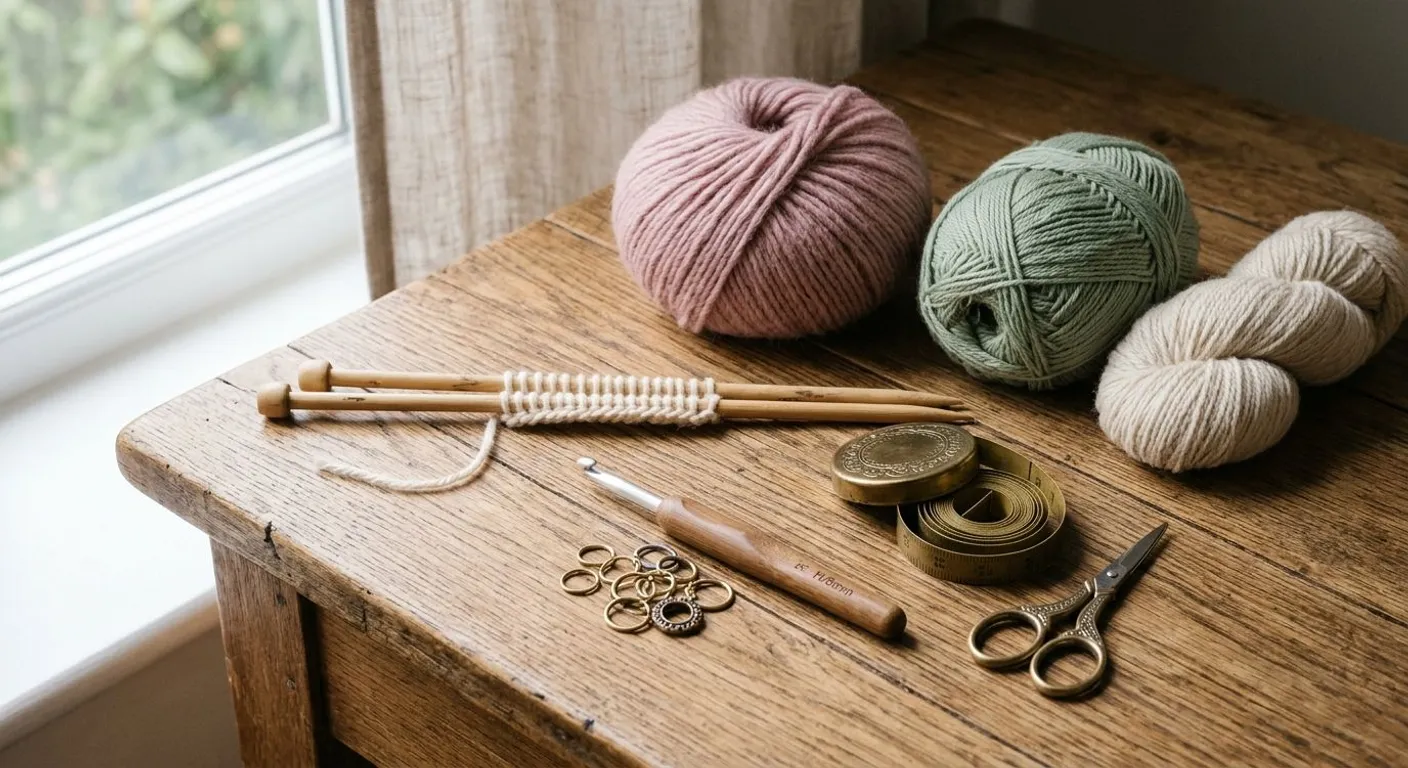
Handicrafts that relax the mind, reduce stress, and boost productivity have always held a special place, with knitting and crochet leading the way. Designing cardigans, blankets, amigurumi toys, and stylish accessories with just a single skein of yarn and a few simple tools is an immensely satisfying process. However, navigating the wide variety of products in craft stores can be overwhelming for a beginner. Which needle size should you buy? Which yarn type doesn't shed? Is a stitch marker really necessary? In this guide, we break down all the essential supplies and selection criteria step-by-step so you can start your knitting and crochet journey with confidence.
What Is the Key Difference Between Knitting and Crochet?
Before jumping into supply selection, understanding the core difference between knitting and crochet will help you buy the right tools. Knitting is typically done using two long needles, keeping multiple loops open on the needle. The resulting fabric is more elastic, soft, and ideal for garment making. Crochet, on the other hand, relies on locking stitches one by one using a single hook with a notched end. Crocheted fabrics are denser, more structured, and durable—making them a perfect choice for amigurumi toys, bags, and decorative motifs.
If you want to nurture your creativity with different crafts, check out our handmade candle making guide article to create a tranquil atmosphere with your own handcrafted objects at home.
1. Essential Tools: Needles and Hooks
The foundation of your handmade projects rests on the tool in your hand. Choosing a hook or needle in the correct size and material prevents hand fatigue and allows stitches to glide smoothly.
Types and Materials of Knitting Needles
- Straight Needles: The most classic knitting needles. They are typically 25–40 cm long and feature stoppers at the ends to prevent stitches from slipping off. Ideal for knitting scarves, square swatches, and flat panels.
- Circular Needles: A system where two needle tips are connected by a flexible cord. They are the most comfortable choice for knitting seamless sweaters, hats, or heavy blankets, as the cable distributes the weight. Often recommended by experts because they reduce wrist strain.
- Double-Pointed Needles (DPNs): Short needles with points at both ends, usually sold in sets of 4 or 5. Used for small circular areas like socks, gloves, and the crowns of hats.
- Material Selection: Bamboo and wooden needles are non-slippery, making them ideal for beginners to prevent dropped stitches. Aluminum and steel needles are very slick, allowing for faster knitting. Plastic needles offer lightness in thicker sizes.
Crochet Hook Types and Ergonomics
- Ergonomic Silicone/Plastic Handle Hooks: Prevent hand and wrist pain during extended crafting sessions. Ergonomic hooks with cushioned handles should be the first choice for any beginner.
- Aluminum and Metal Hooks: Durable, but because the handle section is thin, prolonged use can tire your fingers.
- Tunisian Crochet Hooks: Long hooks with a stopper at the end or attached to a cable. Used for a unique hybrid technique combining knitting and crochet.
2. Choosing Yarn and Reading a Yarn Label
Selecting yarn is the most critical step determining a project's texture, drape, and longevity. Yarns are categorized by fiber content and weight.
Fiber Types
- Acrylic: A synthetic fiber that is budget-friendly, easy to wash, and available in a wide range of colors. The most ideal choice for practicing.
- Cotton: Natural, breathable, and lint-free. Excellent for summer clothing, amigurumi toys, and kitchen dishcloths.
- Wool and Merino: Provide high thermal insulation and warmth, though washing instructions must be followed carefully.
- Blended Yarns (Cotton-Acrylic / Wool-Acrylic): Offer both the softness of natural fibers and the durability of synthetic fibers.
If you are looking for another activity to improve your fine motor skills and hand coordination, explore our origami and paper craft sets guide.
How to Read a Yarn Label?
The yarn band wrapper contains all the technical data you need:
- Weight and Length: e.g., 100 grams / 240 meters.
- Recommended Needle/Hook Size: e.g., Needle: 4–5 mm, Hook: 3.5–4.5 mm.
- Gauge Information: Shows how many stitches and rows fit into a 10x10 cm square.
- Dye Lot Number: Skeins used in the same project must share the exact same dye lot number to avoid color shade variations.
3. Must-Have Accessories and Notions
While yarn and a hook or needle might seem sufficient, small accessories that make your work easier will double the joy of the process.
- Stitch Markers: Locking plastic rings are crucial for marking the start of rounds, increases, and decreases.
- Tapestry (Darning) Needles: Blunt-tipped, large-eyed plastic or metal needles. Used for seaming pieces together and weaving in yarn ends.
- Yarn Scissors or Snips: Small, sharp, and handy scissors should always be by your side for trimming yarn tails cleanly.
- Tape Measure: Flexible tape measures are essential for accurately measuring your knitted or crocheted pieces in centimeters or inches.
- Row Counter: Small mechanical or digital counters used so you don't lose track of which row you are on.
If you enjoy the relaxation that comes with making handmade items at home and fulfilling your own needs, our article on home soap and cosmetic making might also interest you.
Knitting vs. Crochet Supplies Comparison Table
The table below summarizes essential supply needs and primary uses based on craft technique:
| Feature / Tool | Knitting | Crochet |
|---|---|---|
| Primary Tool | 2 Needles (or Circular Needles) | 1 Hook (Preferably Ergonomic) |
| Stitch Structure | Multiple open loops on the needle | Single active loop on the hook |
| Ideal First Project | Garter Stitch Scarf or Dishcloth | Granny Square or Coaster |
| Best Suited For | Flexible Sweaters, Cardigans, Beanies | Amigurumi, Bags, Lace, Motif Blankets |
| Beginner Size | 4.5 mm - 5.5 mm Wooden Needles | 4.0 mm - 5.0 mm Ergonomic Hook |
| Yarn Consumption | Uses 25–30% less yarn than crochet | Consumes more yarn due to denser fabric |
Step-by-Step Beginner Starter Kit
To avoid confusion and successfully complete your first attempts, build this simple kit:
- Medium Weight Yarn (Worsted / Medium 4): Choose a light-colored (cream, light pink, or baby blue) acrylic or cotton-blend skein. Dark colors make stitches difficult to see.
- 4.5 mm Ergonomic Hook or Bamboo Needles: The most compatible size for medium-weight yarn.
- 1 Pack of Locking Stitch Markers: Makes tracking rows and rounds effortless.
- Large-Eyed Tapestry Needle: For professional-looking finishing touches.
With this minimalist kit, you can hone your technique without spending much, and transition to more complex yarns and tools once your hands build muscle memory.
Resources
Frequently Asked Questions
Is it easier to start with knitting or crochet?
Generally, crochet is learned faster by beginners because it involves working with a single active loop, making it easier to unravel and fix dropped stitches.
What size needle or hook should beginners choose?
For initial attempts, 4.0 mm, 4.5 mm, or 5.0 mm hooks and needles are ideal. These sizes are neither too thin nor too thick, making hand control much easier.
What do the numbers and symbols on a yarn label mean?
The symbols on a yarn label indicate the yarn weight category, recommended hook/needle sizes, washing instructions, and average stitch count for a 10x10 cm square gauge.
Can you knit flat pieces with circular needles?
Yes, circular needles can easily be used to knit flat pieces back and forth, not just in the round, which also helps relieve wrist strain.
This content was researched and prepared by the İlgi Alanları editorial team and reviewed for accuracy and readability before publication. Information on health, finance and investment topics is general in nature and does not replace professional advice.