Transformation and Modern Aesthetics in Traditional Handmade Ceramics
The thousand-year-old story of earth and fire is reshaping in the hands of modern artisans. Discover this fascinating transformation of traditional handmade ceramics.
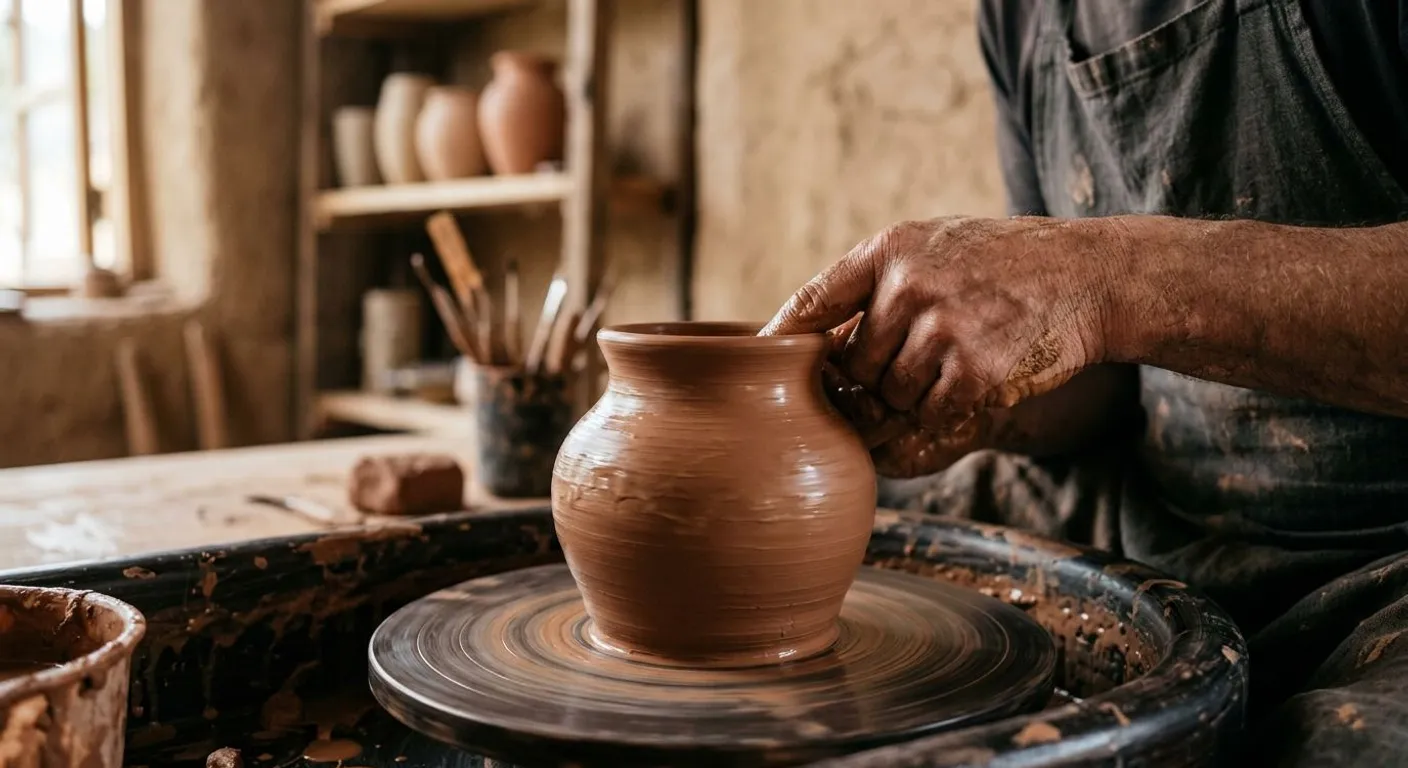
Traditional ceramic art is one of the oldest and most deeply rooted crafts in human history. This journey, which began with clay shaped by water and hardened by fire, has served as a medium reflecting the cultural identity and lifestyle of civilizations for centuries. Today, this ancient tradition is undergoing a contemporary transformation, challenging the cold and uniform approach brought by industrial mass production.
The Evolution of Ceramics: From Traditional Forms to Modern Lines
Throughout history, ceramics primarily served practical needs such as storage vessels, cooking utensils, or religious ritual objects. From Anatolian pottery to Japanese Raku techniques, and Iznik tiles to Chinese porcelain, every geography developed its own aesthetic language and technical heritage. Today's ceramic artists, while preserving these traditional techniques, are introducing radical innovations in form and function.
The modern approach to design focuses on simplicity, geometric lines, and the raw texture of the material itself, rather than complex decorations and vibrant patterns. As the boundaries between functionality and artistic expression blur, ceramic objects are no longer just utilitarian items, but design pieces with a distinct statement.
Wabi-Sabi and Perfect Imperfection
One of the strongest philosophical pillars behind the transformation of modern ceramics is Wabi-Sabi, the Japanese aesthetic principle. Embracing the natural flaws of nature and material, this approach renders every piece of handmade ceramics completely unique. Cracks, asymmetrical lines, color gradations formed during firing, and rough surfaces are not mistakes; rather, they are elements that define the object's character and history.
This perspective aligns perfectly with the approach of Creating a Simple Life with Japanese Wabi-Sabi Philosophy, where we seek simplicity and naturalness in our living spaces. Choosing a ceramic bowl bearing its maker's fingerprints over mass-produced, flawless porcelain deepens the connection formed with the object.
The New Role of Ceramics in Living Spaces
Handmade ceramics are no longer decorative objects confined to display cabinets. They sit at the very center of life, from daily coffee rituals to table presentations, and from lighting fixtures to wall panels. The raw clay texture and matte earth tones bring warmth to modern and minimalist spaces.
When you wish to give your home a unique character and add soul, handcrafted pieces with a story form the focal point, as highlighted in the guide Interior Design with Cultural Objects: Add Soul and Story to Your Home. Ceramic tiles and vases soften the space's acoustics and atmosphere, offering tactile richness.
Comparison of Traditional and Modern Ceramic Production
| Feature | Traditional Pottery | Modern Handmade Ceramics |
|---|---|---|
| Design Approach | Regional motifs and symmetrical forms | Minimalist, organic, and free-form lines |
| Intended Purpose | Basic storage and daily kitchen needs | Artistic expression, ritual, and aesthetic function |
| Glaze and Color Palette | Vibrant, opaque, and smooth glossy glazes | Matte, earth tones, textured, and raw surfaces |
| Production Philosophy | Master-apprentice doctrine and mastery through repetition | Individual creativity and sustainable craft |
Sustainability and the Concept of Slow Craft
In the modern world, the saturation caused by speed and overconsumption leads people toward the "slow craft" movement. Locally sourced clays, non-toxic natural glazes, and low-energy firing techniques are priorities for modern ceramic artisans.
Through its processes requiring patience and care, ceramic production allows both the maker and the consumer to slow down. For example, a handmade ceramic cup used during a relaxing tea hour provides mental tranquility and mindfulness, much like the experience found in Far Eastern Tea Ceremony Sets: Rituals Where Serenity Meets Aesthetics.
Ancient Traces Touching the Future
This transformation taking place in traditional handmade ceramics serves as a sturdy bridge built between the past and the future. Offering a tactile experience in a world increasingly digitized and trapped behind screens, ceramics satisfy humanity's deep craving for earth and nature. The merging of ancient techniques with contemporary interpretations ensures that this unique craft is passed down to future generations as a living culture.
Frequently Asked Questions
What is the main difference between traditional ceramics and modern handmade ceramics?
While traditional ceramics focus primarily on symmetrical forms, regional motifs, and practical needs, modern handmade ceramics prioritize minimalist lines, raw textures, and individual artistic expression.
What is the role of the Wabi-Sabi philosophy in ceramic art?
Wabi-Sabi champions the beauty in imperfection. Thanks to this philosophy, asymmetry, color variations, and rough textures in ceramics are viewed not as flaws, but as details that add soul to the piece.
Are handmade ceramic vessels durable for daily use?
Yes, handmade ceramics that are properly fired at high temperatures and coated with food-safe glazes can be used safely and durably for many years with careful handling.
How does the transformation in ceramic art affect sustainability?
The use of natural raw materials, non-toxic glazes, and a mindset of long-lasting consumption make modern handmade ceramics an eco-friendly and sustainable craft.
This content was researched and prepared by the İlgi Alanları editorial team and reviewed for accuracy and readability before publication. Information on health, finance and investment topics is general in nature and does not replace professional advice.