Creating a Simple Life with the Japanese Philosophy of Wabi-Sabi
Embracing the imperfect, the aged, and the fleeting, Wabi-Sabi philosophy offers a calm alternative to the perfectionist fatigue of modern life.
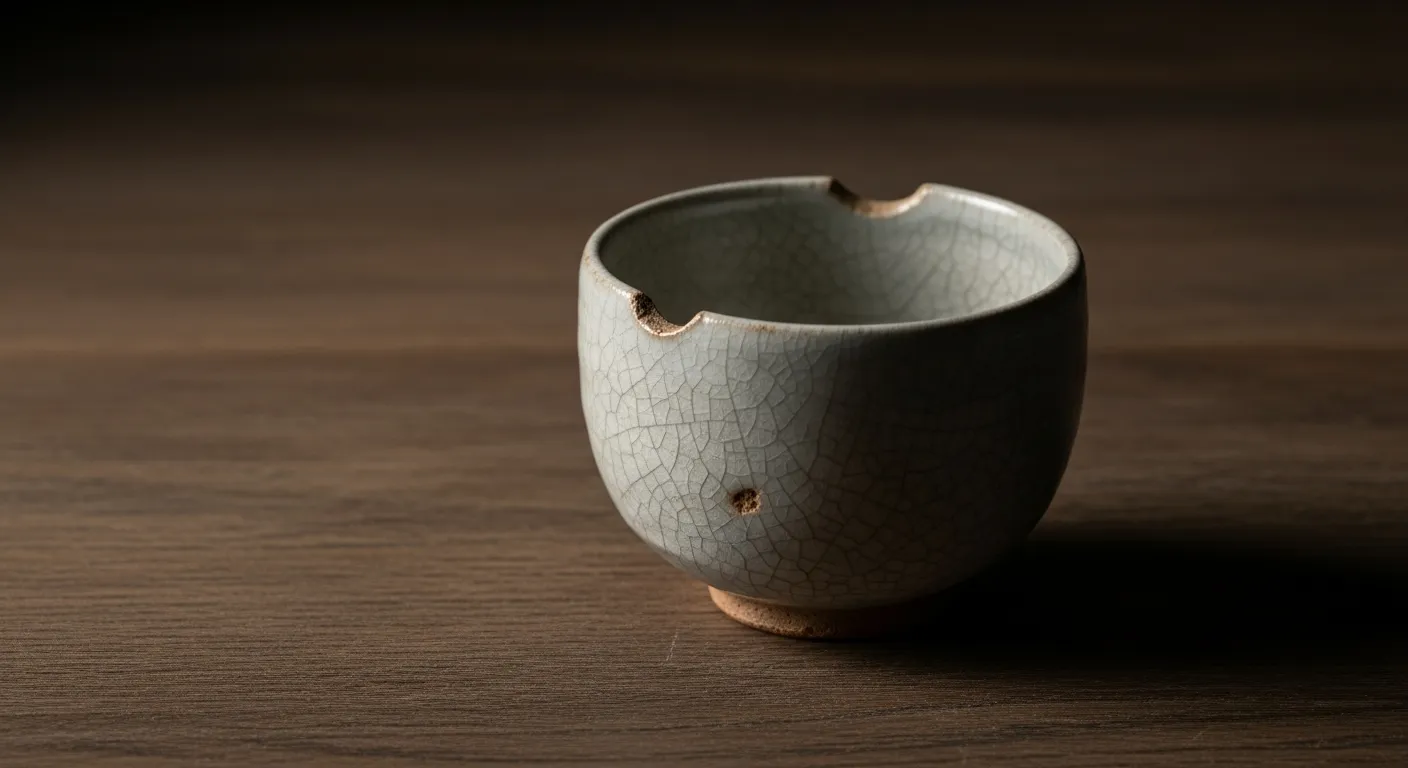
Modern life constantly tells us to aim for "more" and "perfection." Wabi-Sabi whispers the exact opposite: Beauty is often found within what is imperfect, aged, and impermanent.
Where does Wabi-Sabi come from?
Wabi-Sabi is an aesthetic and life philosophy with roots tracing back to the Japanese tea ceremony. "Wabi" describes simplicity and tranquility, while "Sabi" refers to the beauty that comes with time and the marks of aging.
Nothing lasts, nothing is finished, and nothing is perfect.
Three fundamental principles of the philosophy
Accepting imperfection
A cracked bowl or a faded wooden surface is not a mistake to be discarded, but proof of a story.
Noticing impermanence
Seasons, light, and objects change. Instead of resisting this change, Wabi-Sabi suggests observing it.
Making room for simplicity
A few meaningful objects create a sense of spaciousness in the mind as well.
How is it applied in daily life?
- Simplify a single corner instead of refurnishing an entire room.
- Choose natural materials like wood, linen, and ceramics over plastic.
- Keep imperfect items that you love; repair them if necessary.
- View empty space not as a deficiency, but as breathing room.
Ultimately, Wabi-Sabi is not a decoration style, but a perspective: Accepting what is good enough as truly good.
Frequently Asked Questions
Is Wabi-Sabi the same thing as minimalism?
Not entirely. While minimalism focuses on "less," Wabi-Sabi accepts imperfection and impermanence in addition to simplicity. Minimalism prioritizes order, whereas Wabi-Sabi prioritizes peaceful acceptance.
How do I start practicing Wabi-Sabi at home?
Start small: Simplify a single corner, choose a few objects made of natural materials, and display imperfect items you love rather than throwing them away.
What should I do with aging items instead of throwing them away?
Repair them if possible. In the Japanese tradition of kintsugi, broken ceramics are mended with gold; the flaw is not hidden, but becomes part of the story.
This content was researched and prepared by the İlgi Alanları editorial team and reviewed for accuracy and readability before publication. Information on health, finance and investment topics is general in nature and does not replace professional advice.