Setting Up an Abstract Painting Studio at Home: Unleash Your Creativity
Stepping into the world of abstract painting from the comfort of your own home offers both a relaxing and profound journey of discovery. This guide will walk you through setting up your own art studio, from beginner to advanced.
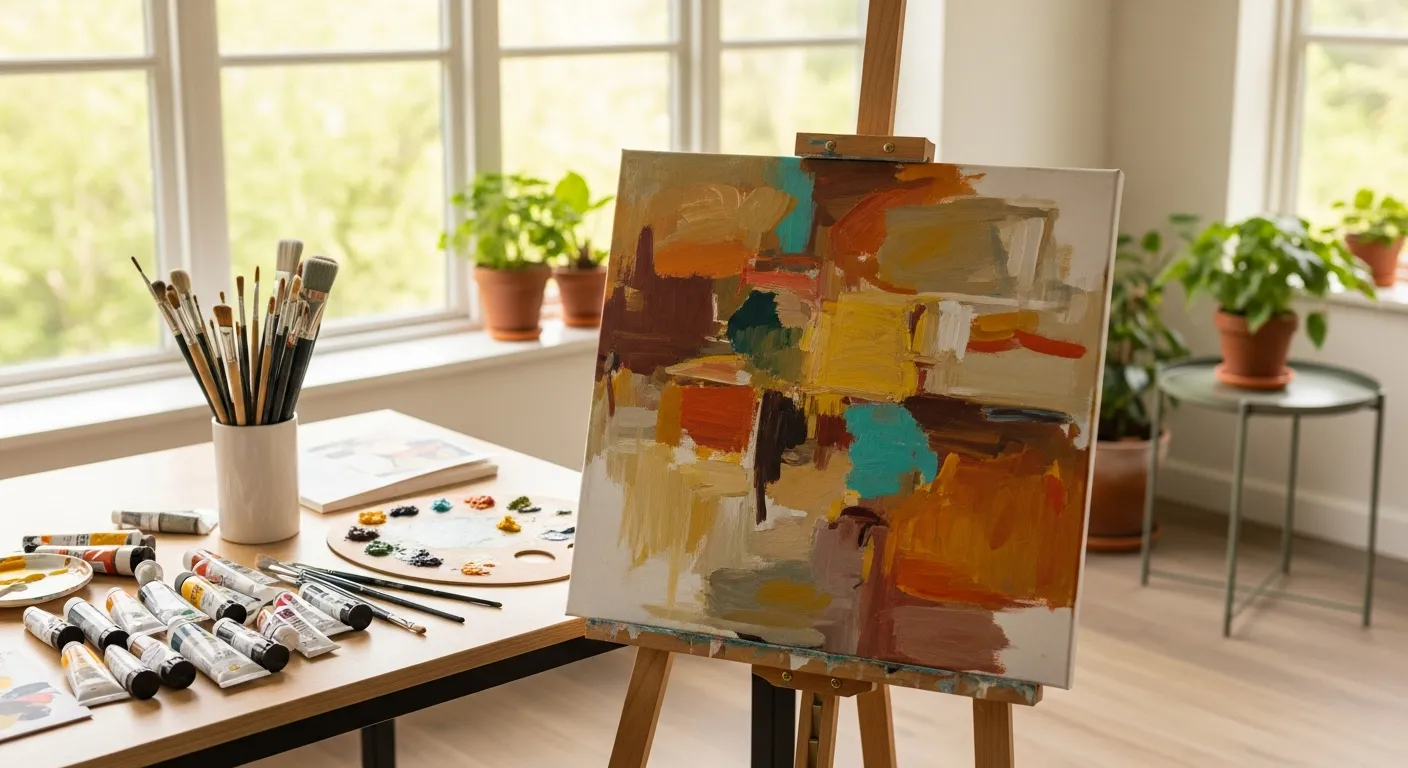
Abstract painting can be defined as the art of rule-breaking and inner expression. This realm, where colors, shapes, and textures freely converge, offers an opportunity to unleash personal creativity in its purest form. Setting up your own abstract painting studio at home is the most accessible and personal way to embark on this creative journey. This guide will accompany you on this path, providing practical information at every stage, from studio setup to techniques.
Why Set Up an Abstract Painting Studio at Home?
Painting abstract art in your own studio offers many advantages:
- Freedom: You work on your own time, at your own pace, and by your own rules. You can experiment in a space that is entirely yours, free from external pressures.
- Accessibility: You can start being creative whenever you want, without the obligation of attending art classes or external workshops.
- Personal Growth: Artistic expression supports your emotional and mental well-being. It reduces stress, improves your problem-solving skills, and helps you gain new perspectives.
- Cost-Effectiveness: You can start with a minimal initial investment and gradually expand your materials and equipment over time.
Defining the Ideal Space for Your Studio
When setting up a studio at home, space selection is important. Even if it's not a fully equipped room, a small corner can suffice. The key is to create a comfortable and functional space that sparks your creativity.
- Lighting: Natural light is ideal for perceiving colors accurately. Choose a corner with windows. If natural light is insufficient, use LED lights that mimic daylight.
- Ventilation: Good ventilation is essential, especially when working with materials like acrylic and oil paints. Opening windows or using a ventilation fan is a good solution.
- Floor and Wall Protection: Paint splatters are inevitable. Use an old tarp, linoleum, or cardboard for the floor. Cardboard or plastic sheets are also ideal for protecting walls.
- Storage Space: Acquire shelves, drawers, or boxes to keep your materials organized. A clean and tidy workspace helps you focus.
- Work Surface: A large table, drawing board, or easel provides a comfortable surface to work on. An adjustable-height table offers flexibility for different techniques.
Our article Transitioning to a Minimalist Home: First Steps and Guide to Decluttering can inspire you when organizing your space.
Essential Material List
You don't need complex materials to start abstract painting. Here are the essential materials for beginners:
- Paints:
- Acrylic Paints: Dry quickly, are water-based, and easy to clean. Ideal for beginners.
- Oil Paints: Dry slower, have more pigmented colors, and allow for layered work. Require more ventilation.
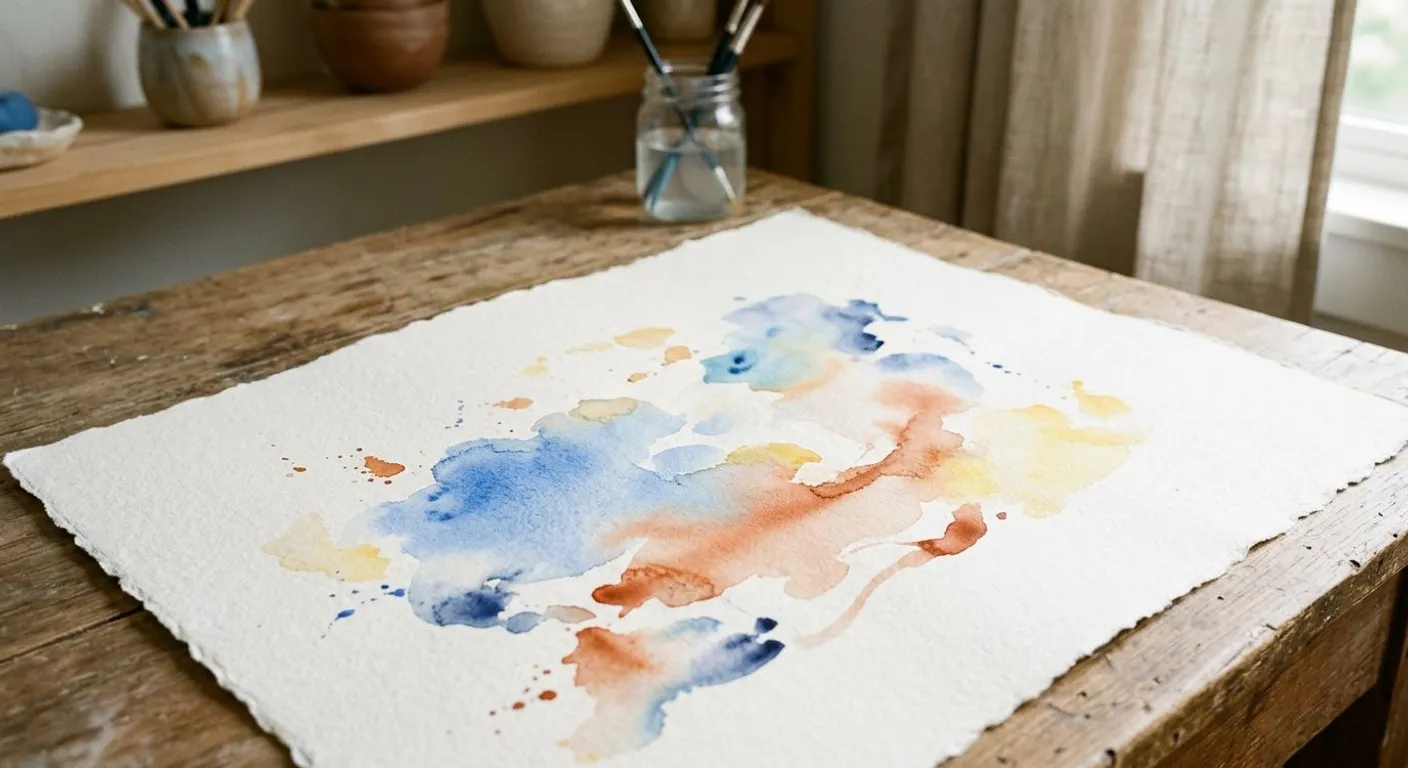
- Watercolors (Aquarelle): Suitable for transparent effects, but not as frequently used in abstract painting as acrylics and oils, as thicker textures are generally preferred.
- Brushes: Acquire brushes of different sizes and shapes (round, flat, fan). You can use large brushes for broad areas and small brushes for details.
- Palette: You can use a plastic palette, ceramic plate, or an old tray to mix paints.
- Surfaces:
- Canvas: Cotton or linen canvases are a classic choice for abstract painting.
- Art Paper: Thick, water-resistant art papers (300 gsm and above) are suitable for quick experiments and sketches.
- Cardboard/Chipboard: A cost-effective alternative for different textures and experimental works.
- Water Container: A few water containers (old yogurt cups or glass jars) for cleaning brushes.
- Cleaning Cloths/Paper Towels: Always keep these on hand for paint splatters and brush cleaning.
- Spatula/Palette Knife: Useful for mixing paint, applying thick textures to the canvas, or for sgraffito techniques.
Our article Sustainable Art Materials: Blending Your Creativity with an Eco-Friendly Approach can help you consider eco-friendly alternatives when choosing your materials.
Getting Started with Abstract Painting Techniques
While there are no specific rules in abstract painting, here are some techniques you can try as a beginner:
- Layering: Apply different colors and tones on top of each other to create depth and texture. Start by allowing the first layer to dry, then add subsequent layers.
- Dripping & Splattering: Achieve random and dynamic effects by dripping or splattering paint from a brush onto the canvas. Jackson Pollock's iconic style is a good example of this.
- Textured Surfaces: Apply paint thickly onto the canvas using different tools like a spatula, palette knife, or even a sponge. You can create more distinct textures by mixing materials like sand, sawdust, or coffee grounds into the paint.
- Color Fields: Create a powerful atmosphere using large, monochromatic areas. Focus on how colors interact with each other. Mark Rothko's works are beautiful examples of this technique.
- Sgraffito: Scratch away the top layer of wet paint applied to the canvas to reveal the underlying color or texture. This can add dynamic lines and depth.
- Collage: Add new layers and meanings to your painting by gluing newspaper clippings, fabric scraps, old photographs, or other paper materials onto your canvas. This is a method that enriches your abstract expression.
Nurturing the Creative Process: Inspiration and Experimentation
In abstract painting, inspiration can come from everything around you. A piece of music, colors in nature, an emotion, or even a word can be a starting point.
- Free-Form Work: Start without rules, trusting your instincts. Don't think about what will emerge; just observe the movement of the brush or spatula.
- Experiment with Music: Paint while listening to different genres of music. The rhythm, tempo, and emotion of the music can be reflected in your brushstrokes and color choices.
- Color Experiments: Create different atmospheres by choosing a specific color palette or combining random colors. Observe the psychological effects of colors.
- Don't Be Afraid to Make Mistakes: In abstract art,
Frequently Asked Questions
Do I need a special talent to do abstract painting?
No, abstract painting is a way of inner expression and does not require any special drawing or painting talent. The important thing is to experiment and enjoy the process.
Which type of paint should I start with?
Acrylic paints are the most suitable option for beginners due to their fast drying time, water-based nature, and easy cleanup.
How much space do I need for a studio?
You don't need a large space; even a well-lit corner or a small table can be sufficient. The important thing is to have a place where you can work comfortably and organize your materials.
Will paint smell be an issue?
Acrylic paints are generally odorless. Since oil paints may require solvents like turpentine, it's important to work in a well-ventilated area.
What surfaces can I paint abstract art on?
You can paint abstract art on various surfaces such as canvas, thick art paper, cardboard, or chipboard. Each surface offers a different texture and experience.
This content was researched and prepared by the İlgi Alanları editorial team and reviewed for accuracy and readability before publication. Information on health, finance and investment topics is general in nature and does not replace professional advice.