Scientific and Practical Ways to Overcome Creative Block: A Guide for Artists
Has your creativity come to a standstill? This guide, packed with practical strategies, will show you how to overcome this common obstacle faced by every artist and bring your muse back.
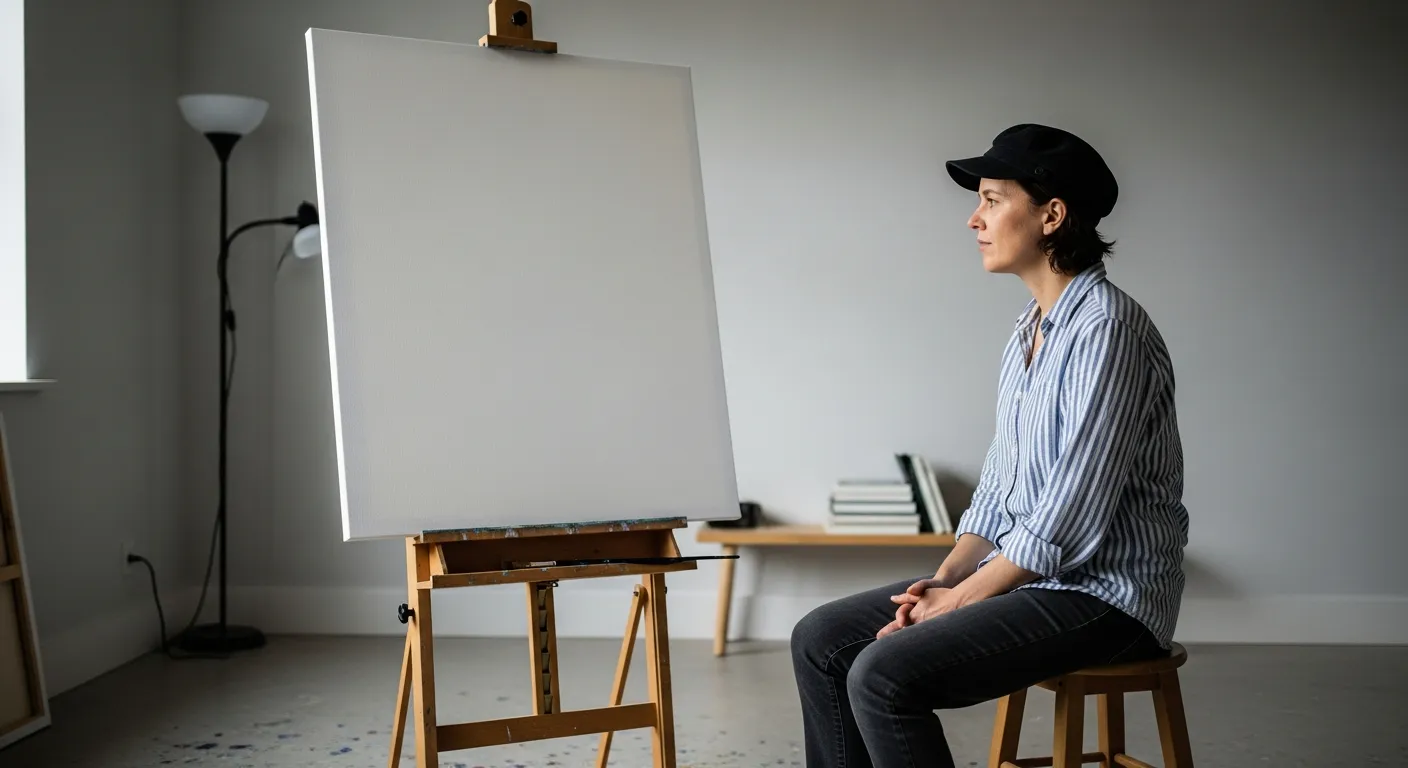
Every creative soul encounters creative block at some point in their life. Staring blankly at an empty canvas, a text waiting to be written, or a project awaiting completion can diminish motivation and drive away the muse. However, this state is not permanent; it's a process that can be overcome with the right approaches. This article offers concrete strategies to help you break down this wall you encounter on your artistic journey.
What is Creative Block and Why Does It Occur?
Creative block is a state where an individual struggles to generate new ideas, continue projects, or access original thoughts. It is usually temporary and common among artists, writers, designers, and other creative professionals. So, why does this condition arise? Several key reasons can be listed:
- Fear of Perfectionism: The anxiety that the work won't be good enough prevents starting or continuing.
- Burnout and Overload: Mental fatigue and exhaustion resulting from continuous work reduce the capacity to generate new ideas.
- Lack of Inspiration: A lack of new experiences or external stimuli can trap the mind in a rut.
- Difficulty Focusing: Environmental or internal distractions make it challenging to delve deeply into the creative process.
- High Expectations: Unrealistic expectations for oneself or a project trigger the fear of failure.
Overcoming Mental Barriers: Focus on Your Inner World
A large part of creative block stems from mental barriers. Recognizing and confronting these obstacles is the first step towards a solution.
The Perfectionism Trap
Perfectionism is one of creativity's greatest enemies. The belief that everything must be flawless before starting or continuing a project often leads to doing nothing at all. Remember, the creative process is a journey of discovery, and mistakes are a natural part of this journey. Embrace the principle that "done is better than perfect." First drafts are not destined to remain drafts; they are merely a starting point.
Create Without Judgment
Your inner critic can be harsh. Try to silence this voice during the act of creation. Let your ideas, colors, or words flow freely. Even something that initially seems meaningless or bad might later become the seed of a great idea. Grant yourself the freedom to simply experience and produce without judging yourself or your work.
Starting with Small Steps
Thinking about an entire large project can be overwhelming. Instead, break the project down into manageable small pieces. Set goals like "Today I will sketch for 10 minutes" or "I will only write one paragraph." These small successes allow you to gain momentum and rebuild your self-confidence. Starting with short-term, achievable goals can turn the large mountains in front of creativity into small hills.
Environment and Routine Changes: Gaining New Perspectives
Sometimes our minds get stuck in familiar surroundings. A new environment or a different routine can reignite the creative spark.
A Different Place, A Different Perspective
Changing your work environment offers new stimuli to your mind. Going to a cafe, working in a library, or even just rearranging the furniture in your room can be beneficial. New sights, sounds, and smells can create unexpected sources of inspiration. If you want to set up a creative space at home, you can check out our article Setting Up an Abstract Painting Studio at Home: Unleash Your Creativity.
Breaking Routines
Always doing the same thing at the same time can lead to monotony after a while. Consciously break your routines. Do the task you normally do after breakfast in the afternoon, or dedicate time to a hobby you've never tried. These small changes encourage your brain to form new connections and trigger creative thinking.
Connecting with Nature
The calming and inspiring power of nature is undeniable. Taking a short walk, sitting in a park, or simply looking out the window can clear your mind and make space for new ideas. Natural beauty and complex patterns offer a unique source of nourishment for creative thought.
Practical Techniques and Tools: Get Your Hands Dirty
Actively engaging in the creative process instead of passively waiting offers effective ways to overcome block.
Random Idea Generation (Brainstorming)
Set a time limit for yourself (e.g., 10 minutes) and write or draw everything that comes to mind related to the topic on a piece of paper. Do not criticize or censor any ideas. Quantity comes before quality. This free flow can reveal hidden connections in your mind.
Pushing Boundaries
Sometimes too many options can be paralyzing. Try setting limitations for yourself. For example, "paint using only three colors" or "write a story that starts with a specific word." These boundaries help focus your creativity in a particular direction and find unexpected solutions.
Trying Different Mediums
If you're tired of your usual materials or methods, turn to something completely different. A painter might try sculpting; a writer might try songwriting. This forces your brain to think in different ways and exercises your creative muscles. To discover new materials, our article Sustainable Art Supplies: Blend Your Creativity with an Eco-Friendly Approach can guide you.
Looking Back: Inspiration from Old Works
Reviewing your past works can remind you how far you've come and what you've accomplished. Old sketches, drafts, or unfinished projects, when approached with a fresh perspective, can open the door to new ideas. Rediscovering yourself is a powerful way to overcome block.
Self-Care: The Foundation of Creativity
Creativity is directly linked to your physical and mental health. Practicing self-care is the most fundamental way to prevent and overcome block.
Rest and Rejuvenation
An exhausted mind cannot be creative. Getting enough sleep, taking regular breaks, and dedicating time to your hobbies are key to replenishing your mental energy. Sometimes, the most creative thing you can do is nothing at all. Rest allows the mind to process information and form new connections. To improve your focus skills, you can also check out our content Science-Backed and Practical Ways to Extend Your Attention Span.
Enriching Sources of Inspiration
Constantly drawing from the same sources can eventually dry up your inspiration. Explore different art forms, visit museums, read books, watch documentaries, or meet new people. Inspiration can come from unexpected places. Feeding your mind with new ideas and perspectives keeps your creative engine alive.
Types of Creative Block and Approaches
| Type of Block | Core Reason | Recommended Approach | Area of Application |
|---|---|---|---|
| Starting Block | Perfectionism, fear of the unknown | Start with small steps, generate random ideas | Sketchbook, note-taking, free writing |
| Mid-Project Block | Lack of inspiration, project size, loss of motivation | Break routines, try different mediums, go outside | New hobby, nature walk, museum visit |
| Finishing Block | Fear of completion, difficulty with final touches | Look back, take a break, simplify | Leave project for a while, get feedback |
| General Burnout | Overwork, stress, insufficient rest | Rest, practice self-care, refresh inspiration sources | Meditation, hobbies, travel, sleep routine |
In conclusion, creative block is a natural part of art and a process that every creative individual can experience. The important thing is to view this state not as an end, but as a pause and an opportunity for reassessment. By applying the strategies mentioned above, you can refresh your mind, reignite your inspiration, and return to your projects with renewed vigor. Remember, even the greatest works sometimes emerge after a period of block.
Resources
Frequently Asked Questions
How long does creative block last?
The duration of creative block varies from person to person and depends on its cause; it can last from a few hours to weeks, or even months. It is generally temporary and can be overcome with the right methods.
Is creative block normal?
Yes, creative block is a very common and normal condition among artists, writers, and other creative professionals. It is considered a natural part of the creative process.
Does perfectionism cause creative block?
Yes, perfectionism can be a significant cause of creative block by preventing one from starting or continuing work due to the fear that it won't be good enough.
What should I do to bring my muse back?
To bring your muse back, change your routines, seek new experiences, explore different art forms, spend time in nature, and allow yourself time to rest.
Is there a quick fix for creative block?
While there isn't a single quick fix, small steps like changing your environment, doing 10 minutes of free writing/sketching, or taking a short walk can help alleviate the block instantly.
This content was researched and prepared by the İlgi Alanları editorial team and reviewed for accuracy and readability before publication. Information on health, finance and investment topics is general in nature and does not replace professional advice.