The Future of Art Post-NFTs: Redefining Creativity and the Market
Following the significant changes NFTs brought to the art market, the art world is at a new turning point. How is this transformation evolving art, and how are the concepts of creativity and ownership being reshaped?
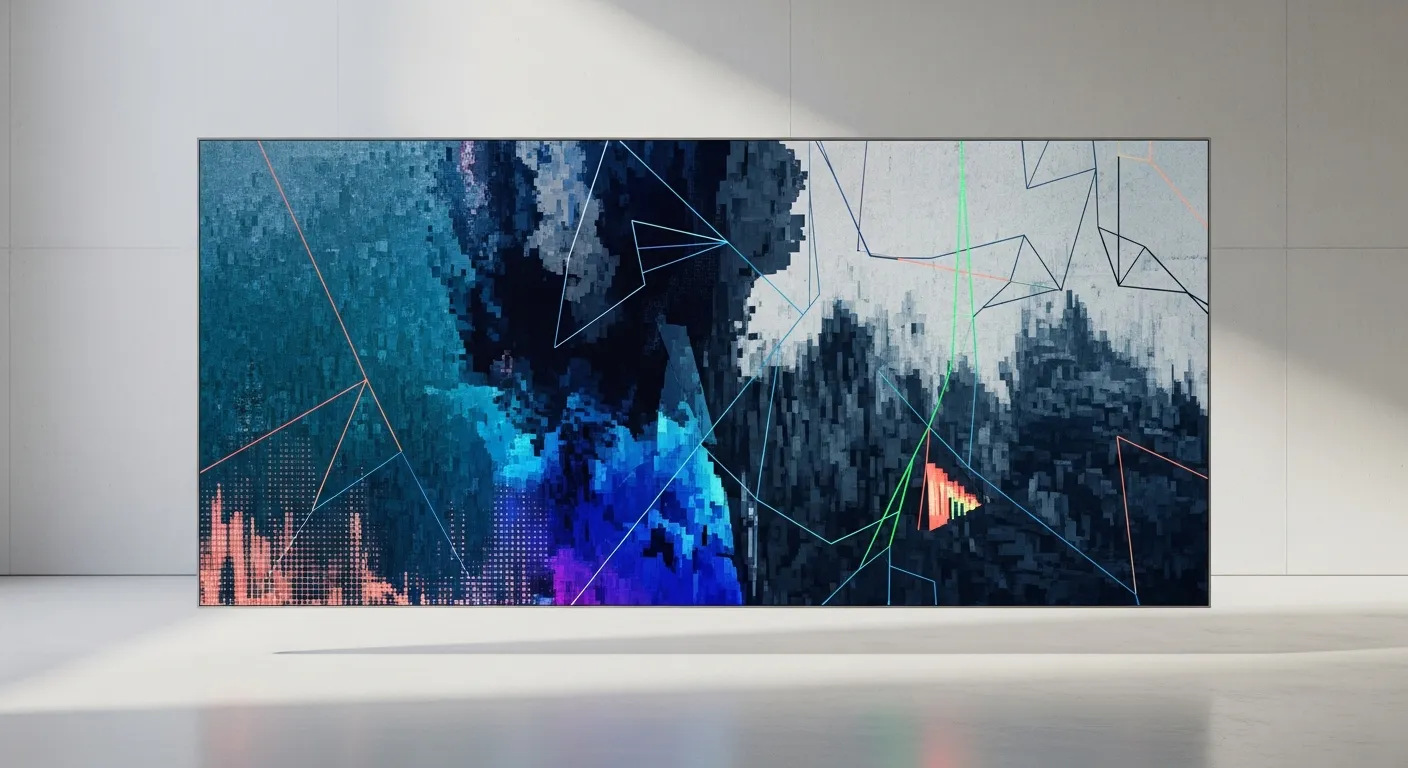
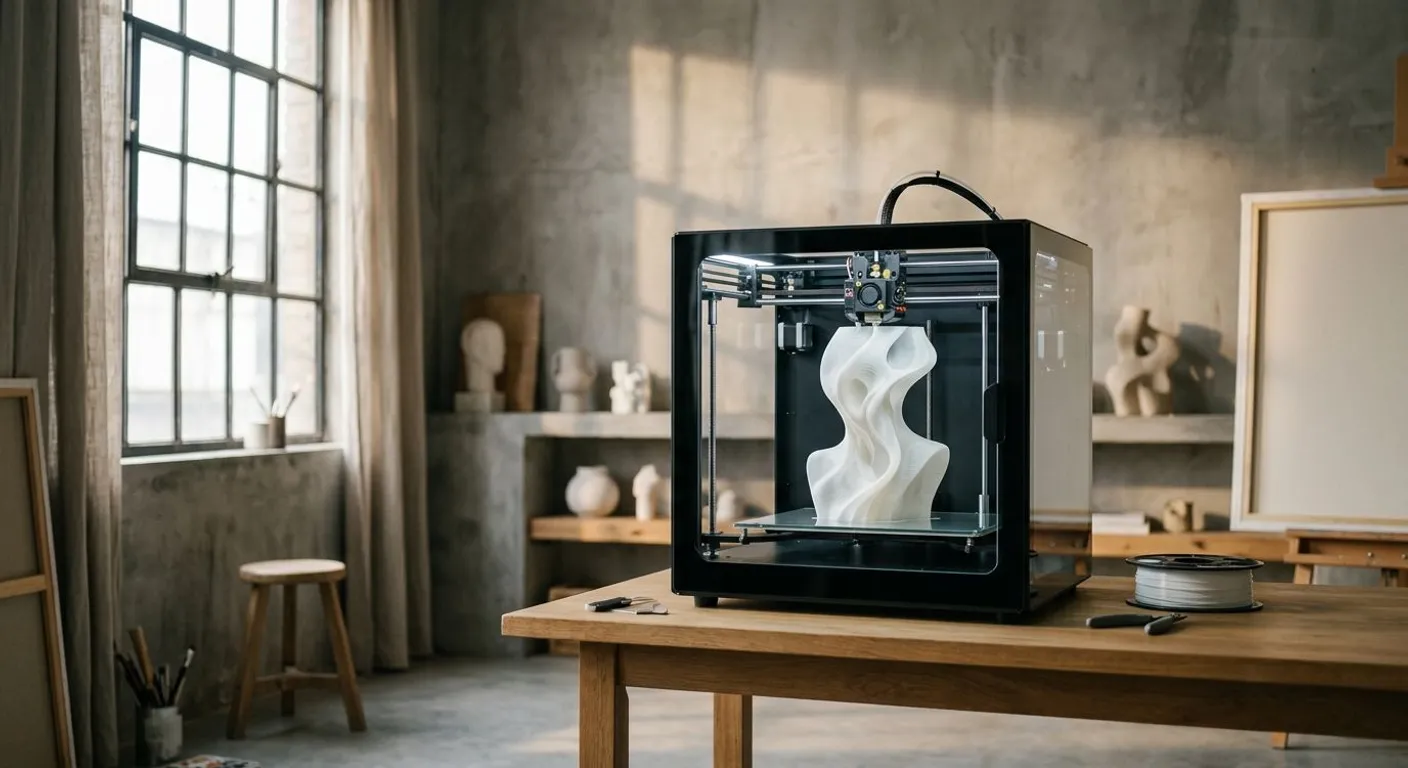
The entry of NFTs (Non-Fungible Tokens) into the art scene created a radical shift in how we prove ownership and scarcity of digital assets. Digital art, once thought to be easily copied and distributed, gained the status of unique digital assets thanks to blockchain technology. This transformation allowed artists to have more control over their works while offering collectors the opportunity to invest in digital art.However, after the initial excitement and speculation, the art world is evaluating the lasting legacy of NFTs and the new directions brought by this technology. Art now exists not only in physical galleries or auctions but also in virtual worlds, metaverse platforms, and through the collaboration of artificial intelligence algorithms. This article will delve into the fundamental dynamics shaping the future of art post-NFTs.## The Legacy of the NFT Era: The Rise of Digital OriginalityNFTs entered the art world by offering a blockchain-based solution to the problem of originality and ownership in digital art. While millions of copies of a digital image could previously be made, NFTs made it possible to link a specific digital file to a unique token and record the ownership of this token on the blockchain. This paved the way for digital works to be assigned value much like physical works.The most significant legacy of NFTs is their focus on digital artists, offering them the opportunity to earn direct income from their works and even gain royalties from secondary sales. This reduced the role of intermediaries in the traditional art market, granting artists greater autonomy. Simultaneously, it ignited debates on the aesthetic and conceptual value of digital art, prompting profound questions about whether these works constitute 'real' art.## The Transformation of Ownership and Originality ConceptsNFTs fundamentally changed our perception of artwork ownership. Owning a work is no longer synonymous with possessing its physical copy. Digital ownership means a verifiable record on the blockchain. This prompts us to rethink what it means to own a piece of art, especially in the digital realm.The concept of originality has also evolved. While a physical painting has a single original, a digital work can have hundreds of copies; however, only one can possess the unique digital original associated with an NFT. This has allowed artists to create limited edition special collections by producing mass digital works and minting each as a different NFT. This new approach both expands artists' creative freedoms and offers collectors diverse investment strategies.## New Dimensions in the Artist-Viewer RelationshipNFTs have made the relationship between artist and viewer more direct and interactive. Artists can sell their works directly to fans without intermediaries, build communities, and receive feedback. This decentralized approach makes the art world more democratic and accessible.Collectors not only own a work but also become part of the artist's community. Some NFT projects offer owners benefits such as access to exclusive events, priority participation in future projects, or voting rights, thereby encouraging active participation from art enthusiasts. This transforms art from passive consumption into an active interaction and community experience.## Physical Art and Digital Integration: "Phygital" ArtIn the post-NFT era, the boundaries between physical and digital art are increasingly blurring. "Phygital" art has become a term used to describe works that combine both physical and digital elements. For example, a digital twin of a physical sculpture or a physically printed digital image linked to an NFT is becoming common.This integration offers artists new forms of expression. A physical work can be enriched with a digital layer via a QR code or an augmented reality (AR) application. Thus, viewers can experience the physical dimension of the work while also discovering digital interactions or hidden layers. This hybrid approach makes the art experience more multi-dimensional and immersive.## The Impact of Artificial Intelligence and Generative ArtArtificial intelligence (AI) has become another major trend in the art world following the rise of NFTs. Artists are using AI algorithms as both a tool and a collaborator to create generative art works. AI can produce visuals from text, new compositions from music, or analyze existing artworks to generate new styles.Developments in this field raise new questions about the definition of art, the source of creativity, and artwork ownership. Debates intensify over whether an AI-created work is 'real' art, or if the artist's role is transforming into that of a programmer. However, AI also offers artists the ability to create at a speed and scale previously unimaginable, opening new horizons for artistic expression. The sale of AI-generated works as NFTs also demonstrates the financial potential in this area.## Reshaping the Art MarketNFTs have disrupted the hierarchical structure of the traditional art market, revealing the potential for a more decentralized and transparent model. With these transformations, the art market is gaining new characteristics as follows:| Feature | Traditional Art Market | Digital Art Market (Post-NFT) ||---|---|---|| Artwork Type | Physical objects (paintings, sculptures, etc.) | Digital files (images, videos, 3D models) and "phygital" works || Proof of Ownership | Physical property deed, notary/gallery record | Verified digital ownership on blockchain (NFT) || Originality/Scarcity | Single original work, limited editions | Digital copies exist, but digital originality proven by unique token || Market Access | Galleries, auctions, art fairs (often high entry barrier) | Online platforms, direct artist purchases (lower entry barrier) || Artist Income | Sales commissions, passive income difficult from resales | Direct sales, income from secondary sales via royalties || Community | Physical events, collector clubs | Online platforms, Discord channels, metaverse events || Intermediaries | Galleries, curators, experts | Smart contracts, platforms (fewer intermediaries) || Global Access | Limited | Global, 24/7 access |This table clearly demonstrates how the art market has become more accessible, transparent, and artist-centric in the post-NFT era. Collective art acquisition and management through DAOs (Decentralized Autonomous Organizations) are also prominent approaches in this new period.## Sustainability and Ethical DebatesIn the early days of NFTs, high energy consumption and environmental impacts drew significant criticism. However, advancements in blockchain technology are progressing towards reducing these concerns with the transition to more energy-efficient consensus mechanisms (e.g., Proof-of-Stake). The art world is increasingly adopting sustainability principles in the production of both digital and physical works.Ethical debates are not limited to environmental impacts alone. Issues such as the commercialization of art, the influence of speculation, digital copyrights, and the ownership of AI-generated works are among the important topics occupying the agenda of post-NFT art. The art ecosystem is constantly seeking a balance on how to evaluate the opportunities offered by these new technologies within ethical frameworks.## Future ExpectationsThe future of art post-NFTs points to an era where technology and creativity will become even more integrated. Metaverse platforms will offer new virtual galleries and museums where artworks are exhibited, experienced, and interacted with. Artists will be able to create dynamic NFTs that change, evolve over time, and are shaped by viewer participation.Augmented reality (AR) and virtual reality (VR) technologies will extend the art experience beyond physical spaces, enabling a more personal and immersive connection with artworks. Artistic expressions are expected to find new applications in many fields, from education to therapy. Art will transform from merely an object to be viewed into an experience to be lived.## ConclusionNFTs marked a turning point for the art world. This technology, redefining the value, ownership, and distribution of digital art, opened new doors for artists while offering unique opportunities to collectors. The post-NFT era is shaped not only by the rise of digital art but also by dynamics such as phygital approaches where physical and digital intertwine, the creative potential of artificial intelligence, and the deepening of artist-community relationships.The future of art will progress along a path where technological innovations are balanced with ethical responsibilities, sustainability is prioritized, and creativity knows no bounds. The art world, with these winds of change, is becoming more inclusive, accessible, and diverse than ever before. In this constantly evolving environment, the meaning and forms of artistic expression are being rediscovered every day.
Frequently Asked Questions
How have NFTs impacted the art world?
NFTs brought unique ownership and originality to digital art, enabling artists to earn direct income from their works and transforming the art market into a decentralized structure.
What is phygital art, and what will its future role be?
Phygital art refers to works that combine physical and digital elements. In the future, integrated with AR/VR technologies, it will make the art experience more interactive and immersive.
What does AI art mean, and is the role of artists changing?
AI art refers to works generated by algorithms. Artists are now exploring new forms of expression by using AI as a tool or collaborator, indicating an evolution in the artist's role.
How has artwork ownership changed in the post-NFT era?
Ownership has been redefined based on verifiable digital records on the blockchain. Instead of owning a physical copy of a work, it became possible to own the digital 'original' via an NFT.
What will be the lasting impact of NFTs on the art market?
NFTs have made the art market more transparent, accessible, and artist-centric. The market structure is permanently changing with innovations like direct sales, royalties, and DAOs.
This content was researched and prepared by the İlgi Alanları editorial team and reviewed for accuracy and readability before publication. Information on health, finance and investment topics is general in nature and does not replace professional advice.