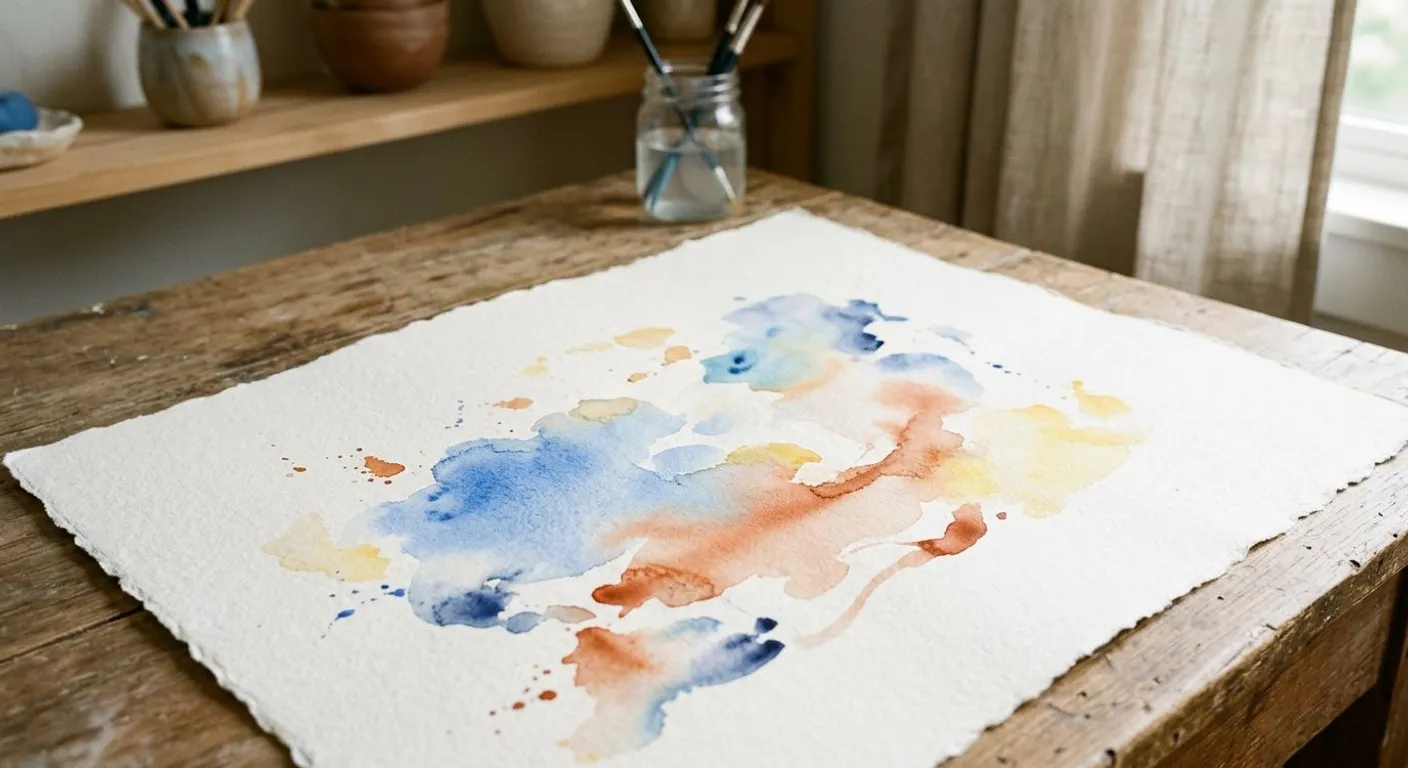
Sustainable Art Supplies: Blend Your Creativity with an Eco-Friendly Approach
It's possible to create art with an environmentally conscious approach. This guide will help you discover and choose sustainable art supplies, making your creative process more ethical.
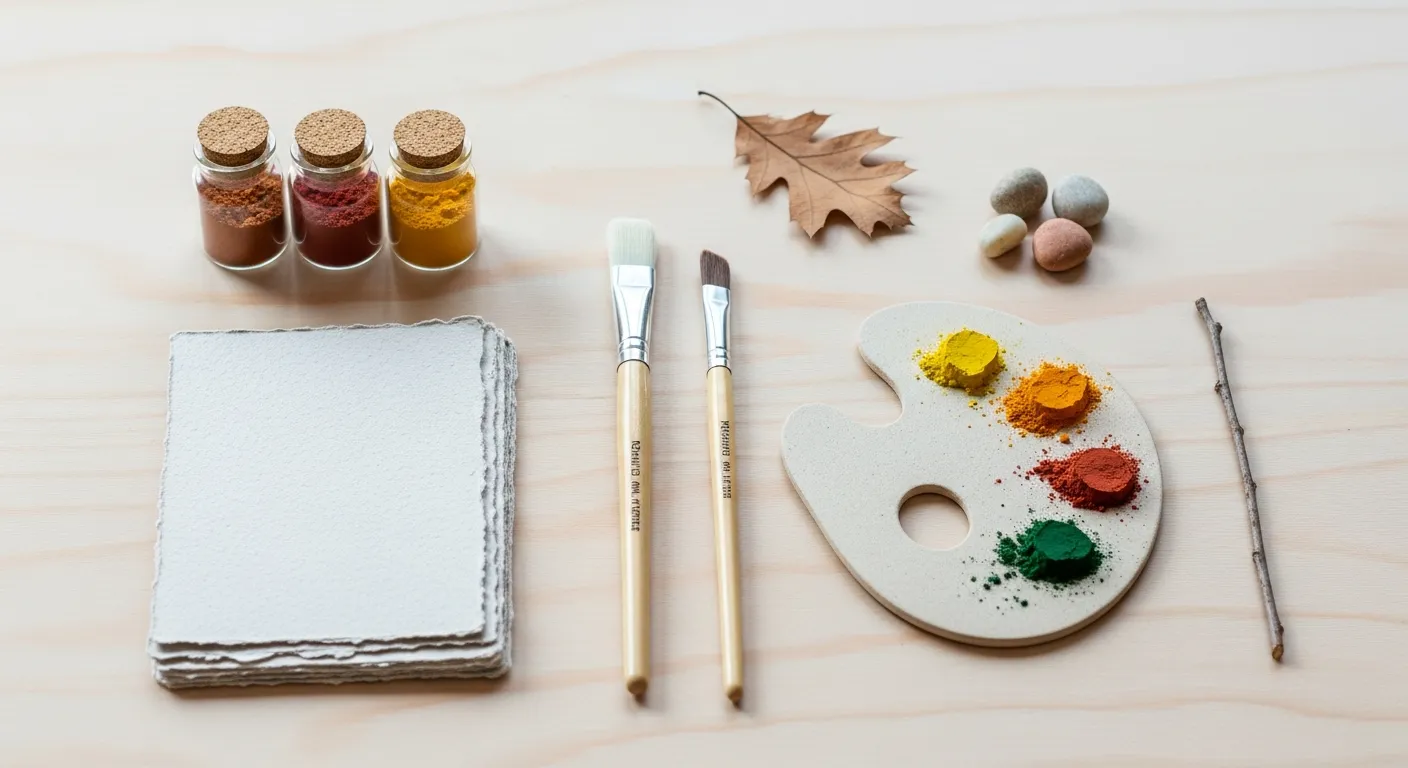
Art is one of humanity's primary ways of self-expression and interpreting its surroundings. However, this creative process can have a significant environmental impact due to the nature of the materials used. Sustainable art supplies, which are gaining increasing interest from modern artists and hobbyists, aim to reduce this impact.This article details what sustainable art supplies mean, why they are important, what options are available, and how you can integrate them into your daily practice. By remembering our responsibility to the planet while creating art, we can steer our creativity towards a more conscious path.## Why Should We Use Sustainable Art Supplies?Making sustainable choices is crucial not only for your art practice but also for the environment and human health in general. The environmental footprint of art supplies spans a wide range, from production to waste disposal. Here are the main reasons to choose these materials:* Reducing Environmental Impact: Many traditional art materials are produced from sources like petroleum-based plastics, heavy metals, synthetic chemicals, and resources that lead to deforestation. Sustainable alternatives minimize these harmful effects.* Health and Safety: Toxic paints, solvents, and adhesives can pose risks to artists' health. Sustainable materials are generally made from less toxic or entirely non-toxic components, making your workspace safer.* Ethical Production Processes: Sustainable brands prioritize fair trade practices, ethical labor standards, and responsible sourcing of materials. This also transforms the human story behind the products.* Resource Conservation: Materials derived from recycled or renewable sources slow down the depletion of natural resources and reduce waste. To learn more about this, you can read our article Daily Habits That Reduce Your Carbon Footprint: A Guide to Sustainable Living.## What Are Sustainable Art Supplies?Sustainable art supplies encompass a broad category. Essentially, any material produced in accordance with environmental and ethical standards can be included in this group.### Natural and Plant-Based MaterialsThese materials consist of components derived from nature and typically undergo minimal processing.* Natural Pigments: Earth pigments, mineral pigments, and plant-based dyes (e.g., colors derived from plants like turmeric, beetroot, spinach) are more eco-friendly than synthetic alternatives.* Vegetable Oils: Vegetable oils like linseed oil or safflower oil for oil paint mediums are a natural alternative to petroleum-based solvents.* Natural Fibers: Papers and canvases made from bamboo, hemp, linen, or recycled cotton reduce tree felling.### Recycled and Upcycled MaterialsThese materials, obtained by repurposing waste, reduce the amount of waste going to landfills and minimize the need for new raw materials.* Recycled Paper: Drawing papers, notebooks, and cardboards made from waste paper help conserve trees. Using recycled paper in activities like Origami and Paper Art Sets: Fold Your Creativity to Explore allows you to nurture your creativity sustainably.* Upcycled Materials: Transforming materials like waste fabrics, plastic bottles, and metal scraps into works of art adds new value to waste.* Recycled Glass and Ceramics: Can be used in sculpture, mosaic, or collage works.### Non-Toxic and Biodegradable OptionsChemicals in art supplies can be harmful to both the artist and the environment. Non-toxic and biodegradable products eliminate these risks.* Water-Based Paints: Water-based acrylics or gouache paints that do not contain heavy metals like lead, cadmium, and do not emit harmful volatile organic compounds (VOCs) can be preferred.* Natural Adhesives: Plant-starch-based adhesives or natural rubber-based adhesives are safer than synthetic and solvent-based options.* Biodegradable Polishes and Varnishes: The biodegradability of these products, used for protecting artworks, reduces environmental harm during waste disposal processes.### Vegan Art SuppliesVegan options are becoming increasingly popular for artists who oppose animal exploitation. These materials do not contain any animal products (such as animal hair, beeswax, bone ash, gelatin) in their production processes.* Vegan Brushes: Brushes made from synthetic fibers are an ethical alternative to those made from mink, sable, or hog hair.* Vegan Paints: Some paints (especially watercolors) may contain beeswax or gelatin. Vegan-certified paints do not contain such animal components.* Vegan Canvas and Paper: Some canvases or papers may have been treated with animal gelatin during preparation. Vegan options are exempt from such processes.## Sustainable Material Options by Art DisciplineSustainable alternatives are available for every art discipline. Here are some examples:### Paints (Acrylic, Oil, Watercolor)* Acrylic Paints: Opt for water-based, low-VOC, or non-toxic acrylic paints. Some brands use recycled pigments or bioplastic packaging.* Oil Paints: Choose linseed, safflower, or walnut oil-based paints, and opt for odorless mineral spirits or citrus-based cleaners instead of turpentine.* Watercolors and Gouache: Look for brands made with plant-based pigments and using vegetable binders instead of beeswax.### Paper and Canvas* Paper: Use papers with recycled content, FSC (Forest Stewardship Council) certified, or made from sustainable fibers like 100% cotton, bamboo, or hemp.* Canvas: Canvases made from organic cotton, hemp, or recycled polyester are more eco-friendly than traditional cotton canvases. For priming, choose vegan primers that do not contain animal gelatin.### Sculpture and Modeling Materials* Clay: Natural, non-toxic clays and air-dry clays are eco-friendly options. When making ceramics, using energy-efficient kilns is also important for sustainability.* Wood: Use FSC-certified wood or reclaimed wood. Scrap wood pieces or driftwood also make great upcycled materials for creative projects.* Metal: Opt for recycled metal scraps or responsibly sourced metals.### Brushes and Tools* Brushes: Choose brushes with bamboo handles or made from recycled materials, as well as synthetic, vegan fiber brushes.* Palettes: Wood, glass, or ceramic palettes are more durable and eco-friendly than single-use plastic palettes. Old plates or scrap wood pieces can also be used as palettes.* Cleaners: Use water-based or plant-based, non-toxic cleaners for brushes. Instead of pouring dirty water down the sink, wait for the sediment to settle and dispose of the solid waste separately.## How to Choose and Source Sustainable Art Supplies?Finding the right sustainable materials requires some research. Here's what to look for:* Read Labels: On product labels,
Frequently Asked Questions
Why are sustainable art supplies important?
Sustainable art supplies minimize environmental impact (pollution, resource consumption), risks to artist health, and unethical production processes, offering a better future for our planet and people.
What do vegan art supplies mean?
Vegan art supplies are products that do not contain any animal products (animal hair, beeswax, bone ash, gelatin, etc.) in their production processes.
What are the benefits of using recycled paper?
Using recycled paper reduces tree felling, saves energy and water, decreases the amount of waste sent to landfills, and is an eco-friendly choice.
Which certifications indicate sustainable art supplies?
The FSC (Forest Stewardship Council) certification is for paper and wood products, while the Vegan certification indicates no animal products. Eco-labels and certifications like Cradle to Cradle also specify a product's environmental performance.
Are sustainable art supplies more expensive than traditional materials?
Some sustainable materials might be more expensive initially, but they are a valuable investment in the long run considering their quality, durability, and health benefits. Additionally, costs can be reduced through DIY (Do It Yourself) approaches.
This content was researched and prepared by the İlgi Alanları editorial team and reviewed for accuracy and readability before publication. Information on health, finance and investment topics is general in nature and does not replace professional advice.