Automatic Watering Systems for Houseplants: Easy Care, Healthy Plants
Automatic watering systems, which simplify plant care, are an ideal solution for plant lovers with busy lifestyles. These systems ensure your plants always have access to the right amount of water, supporting their healthy development while saving you time.
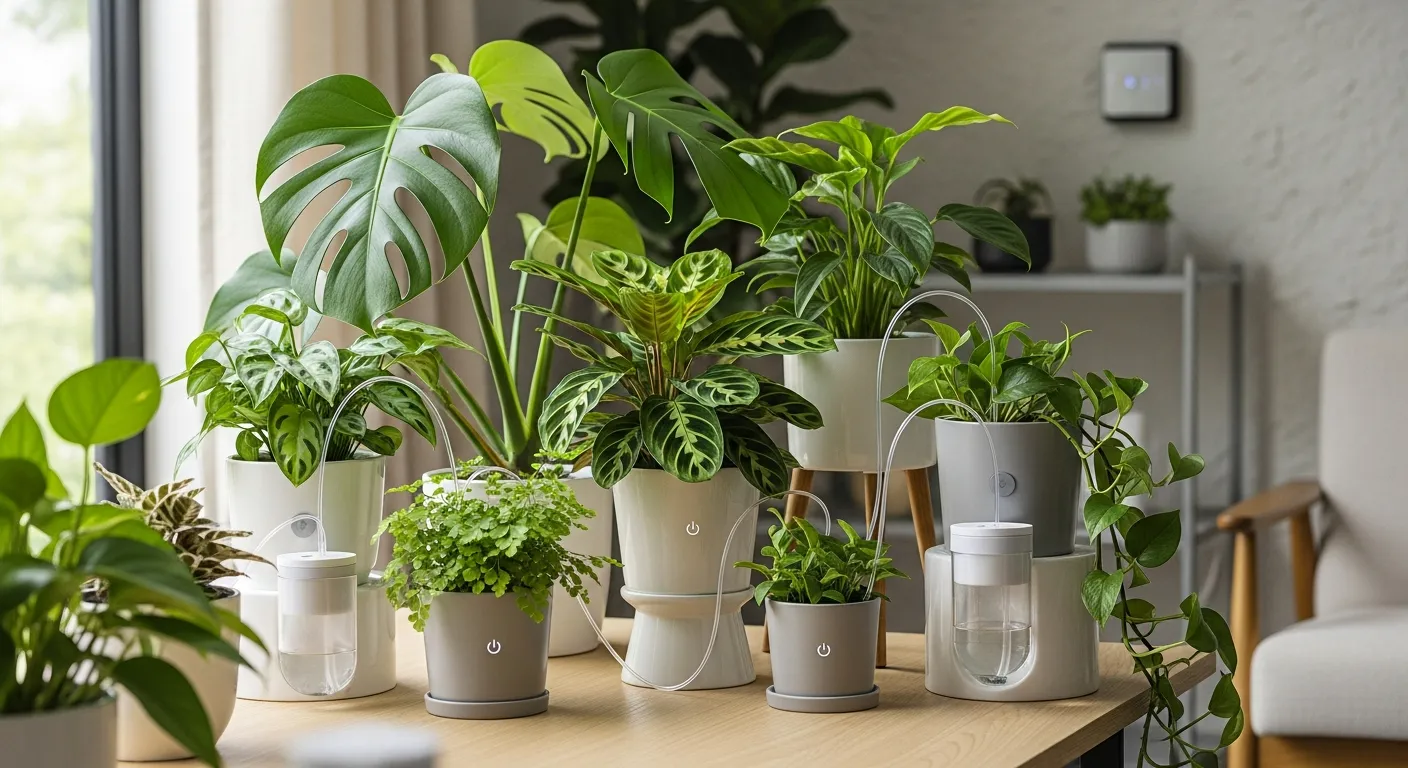
Houseplants not only add an aesthetic touch to our living spaces but also offer countless benefits such as improving our mood and enhancing air quality. However, their proper care, especially regular and balanced watering, can often become an overlooked or forgotten detail. Over-watering or under-watering leads to serious problems for plant health. This is where automatic watering systems come into play, meeting your plants' needs and making your life easier.This article explains in detail what automatic watering systems are for your houseplants, their different types, advantages, and how to choose the most suitable system for your home. You will discover ways to make plant care more practical, efficient, and sustainable.## What Are Automatic Watering Systems and Why Are They Important?Automatic watering systems are technological solutions that provide water to your plants at specific intervals or based on soil moisture levels. These systems significantly simplify plant care by eliminating or minimizing the need for manual watering.### Why Choose Automatic Watering Systems?* Time-Saving: If you have a busy schedule or travel frequently, you'll be free from the worry of regularly watering your plants. These systems provide great convenience, especially if you have a large number of plants.* Plant Health: Plants have different water requirements depending on their species. Automatic systems prevent over-watering or under-watering by providing your plants with the right amount of water at the right time. This prevents problems like root rot and yellowing leaves, supporting healthier growth for your plants.* Water Efficiency: Manual watering often leads to water waste. Automatic systems minimize water loss through evaporation and runoff by delivering water directly to the plant's root zone. This allows you to adopt an environmentally conscious approach and potentially lower your water bill.* Vacation Assurance: You won't have to worry about your plants drying out when you go on long vacations. The systems ensure your plants remain vibrant and healthy even when you're away.* Consistency: Your plants always receive the same amount of water with the same frequency. This consistency reduces plant stress levels and promotes more stable growth. Such approaches are part of daily habits that align with nature and resonate with biophilic design principles, as discussed in articles like Bring Nature into Your Home: Revitalize Your Living Spaces with Biophilic Design.## Different Automatic Watering Systems for HouseplantsVarious automatic watering systems are available on the market, suitable for different needs and budgets. Here are the most common ones:### Drip Irrigation SystemsThese systems deliver water drop by drop to the root zone of each plant via a water reservoir and thin tubes. They are typically controlled by a timer or a pump.* How It Works: Tubes are connected to small drippers placed in plant pots. When the timer is set, the pump activates and sends water to the drippers.* Advantages: Saves water, offers customized watering for each plant, ideal for large plant collections.* Disadvantages: Installation can be slightly more complex than other systems, the aesthetic appearance of the tubes might be an issue for some.### Wick Watering SystemsWick systems gradually deliver water to the plant using the principle of capillary action. They typically work by submerging a wick from the bottom of the plant pot into a water source.* How It Works: The plant pot is placed over a water-filled reservoir. A wick (usually nylon or cotton) passing through the drainage hole at the bottom of the pot draws water from the reservoir into the soil.* Advantages: Easy to set up, requires no electricity, allows the plant to take as much water as it needs.* Disadvantages: May not be sufficient for large plants, the water reservoir needs regular refilling, wicks can become clogged over time.### Self-Watering PotsThese pots feature an integrated water reservoir and a structure that allows the plant to draw water on its own. They are one of the simplest automatic watering solutions.* How It Works: A separate water reservoir is located at the bottom of the pot. Water is drawn by the plant as needed, either through its roots or a special wick system.* Advantages: Aesthetic, extremely easy to use, the water reservoir typically provides enough water for several weeks.* Disadvantages: May not be suitable for all plant types, pot size is limited, can be more expensive than manual pots.### Smart (Sensor-Based) Watering SystemsThese are the most advanced automatic watering systems. They precisely determine and perform watering based on the plant's water needs, using soil moisture sensors, light sensors, and even weather data. They are typically controlled via mobile applications.* How It Works: Soil moisture sensors continuously measure the dryness level of the soil. When it falls below a set threshold, the system automatically waters. Many models connect via Wi-Fi or Bluetooth, offering remote control and monitoring capabilities.* Advantages: Provides the most precise and efficient watering, customizable by plant type, offers remote control, excels in water saving.* Disadvantages: More costly than other systems, may require electrical connection or battery replacement, installation might require some technical knowledge. These systems simplify your tasks following the general logic of Eliminate Repetitive Tasks with Automation Tools: Ways to Save Time and Gain Efficiency.### System Comparison Table| Feature | Drip Irrigation System | Wick Watering System | Self-Watering Pot | Smart (Sensor-Based) Watering System ||---------------------|----------------------|------------------------|--------------------------|----------------------------------|| Installation Difficulty | Medium | Easy | Very Easy | Medium/Advanced || Cost | Medium | Low | Medium | High || Water Efficiency | High | Medium | High | Very High || Automation Level | High | Low | Medium | Very High || For Number of Plants | Multiple Plants | Single/Few Plants | Single Plant | Multiple Plants || Electricity Requirement | Usually Yes | No | No | Usually Yes || Control | Timer | Passive | Passive | Mobile App/Sensor |## Factors to Consider When Choosing the Right SystemChoosing the most suitable automatic watering system for your houseplants depends on several factors:* Plant Type and Water Needs: While wick or self-watering pots are suitable for plants requiring little water, like succulents, drip or smart systems might be better for tropical plants.* Number and Arrangement of Plants: If you have a single plant, a self-watering pot might suffice. However, for a large number of plants, drip irrigation or a central smart system would be more practical.* Budget: The costs of systems vary according to their types and features. You can start with a lower budget and upgrade later.* Ease of Installation and Maintenance: If you lack technical knowledge, opt for systems that are easy to install. Consider maintenance requirements (refilling water reservoir, cleaning sensors).* Duration Away from Home: If you are frequently away from home for extended periods, systems with larger water reservoirs or smart control features offer a more reliable solution.## Contribution of Automatic Watering Systems to SustainabilityAutomatic watering systems not only simplify plant care but also make significant contributions to sustainable living practices. These systems help with water conservation by using water more efficiently. Compared to traditional watering methods, they significantly reduce the amount of water lost through evaporation and runoff. Ensuring plants receive the correct amount of water extends their lifespan, leading to less plant waste. This way, your plants stay healthy, and you add a new item to your list of Daily Habits That Reduce Your Carbon Footprint: A Guide to Sustainable Living. In the long term, these systems contribute to more conscious use of natural resources and a reduction in environmental impact.## Installation and Maintenance TipsTo get the best performance from your automatic watering system, it will be beneficial to consider some installation and maintenance tips:* Initial Setup: Before installing the system, carefully read the user manual. Adjust drippers or wicks according to each plant's water needs. Ensure the water reservoir is in an easily accessible location.* Water Quality: If possible, use filtered or distilled water. Chlorine and minerals in tap water can cause blockages in the system or problems for plants over time.* Reservoir Cleaning: Regularly clean the water reservoir. Empty and wash it every few weeks to prevent algae formation or bacterial growth.* Sensor Calibration (For Smart Systems): Periodically calibrate soil moisture sensors to ensure they are working correctly. Update settings according to plant growth and seasonal changes.* Observe Plant Responses: Even with an automatic system, continue to observe your plants' responses. If there are signs of yellowing leaves, wilting, or root rot, you may need to adjust the watering schedule or amount. Every plant is unique and may have its own specific needs.Automatic watering systems are modern solutions that simplify plant care and guarantee the health of your plants. Whether you have a busy lifestyle or simply want to provide more consistent care for your plants, these systems are a valuable investment for plant lovers. By choosing the right system and performing regular maintenance, you can ensure your green companions at home always remain vibrant and healthy.
Frequently Asked Questions
Are automatic watering systems suitable for all plants?
Systems suitable for most houseplants are available. However, for plants that require very little water, such as succulents, moisture-sensing or wick systems offer more controlled options.
How much water do automatic watering systems save?
They can save between 30% to 50% more water compared to manual watering. This is achieved by targeting water directly to the root zone and reducing evaporation loss.
Is the system difficult to set up?
Wick watering and self-watering pots are quite easy to set up. Drip irrigation and smart systems may require a bit more technical knowledge, but they usually come with detailed user manuals.
Will I not have to take care of my plants when I return from vacation?
Yes, automatic watering systems ensure your plants are regularly watered while you're on vacation. This eliminates the worry of finding withered plants upon your return.
Is an internet connection essential for smart watering systems?
Most smart watering systems require a Wi-Fi connection for remote control and data tracking. However, some basic models can also work with just Bluetooth.
This content was researched and prepared by the İlgi Alanları editorial team and reviewed for accuracy and readability before publication. Information on health, finance and investment topics is general in nature and does not replace professional advice.