Eco-Friendly Solar Panel Systems: A Guide to Sustainable Energy Transition
Solar energy is key to building a sustainable future for our planet. Eco-friendly solar panel systems reduce environmental impact and offer significant long-term economic benefits. This guide will delve into the essential steps and advantages of transitioning to sustainable energy.
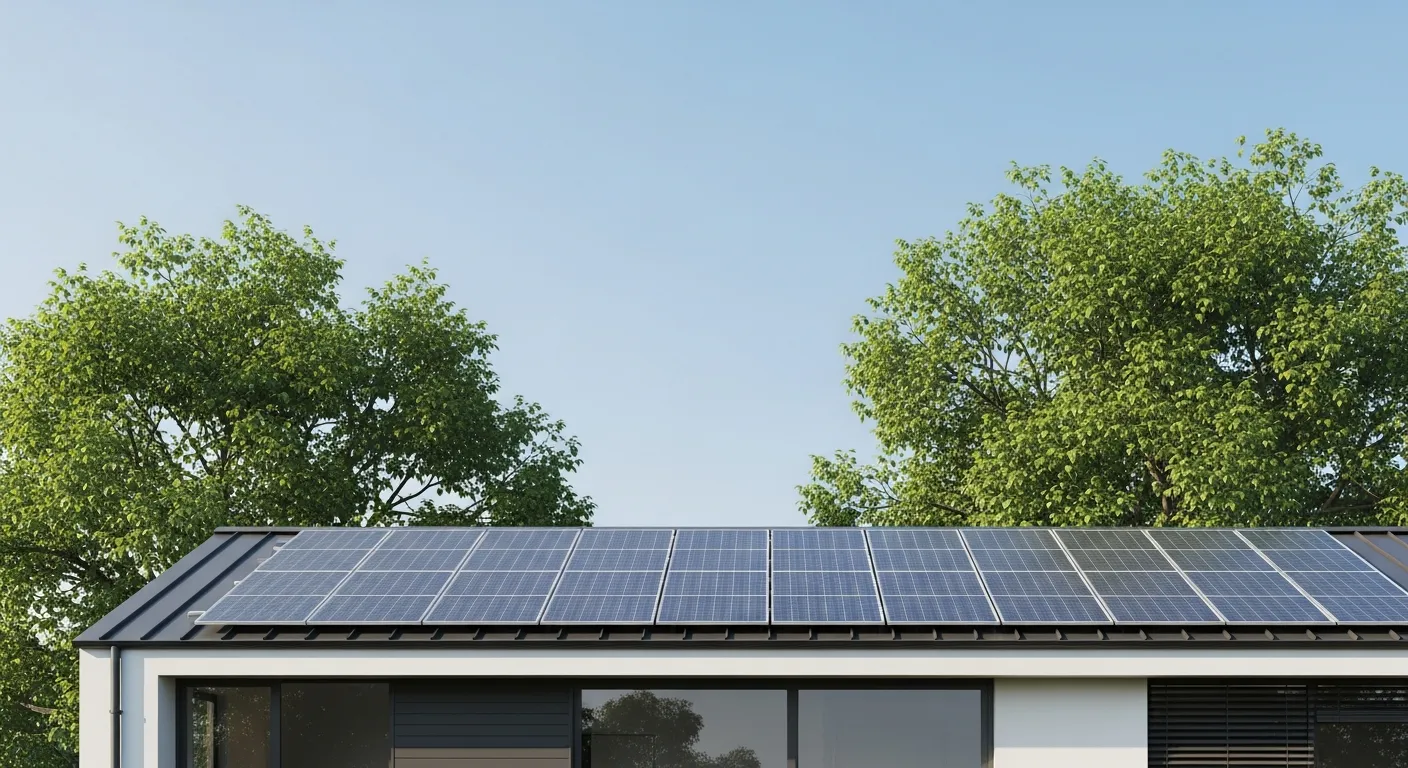
Eco-friendly solar panel systems hold groundbreaking transformative potential for both our planet and individual budgets. Our reliance on fossil fuels to meet energy needs brings global issues such as climate change and environmental pollution. Solar energy, emerging as a powerful solution to these problems, especially when combined with eco-friendly approaches, both conserves natural resources and provides energy independence.This article will detail what eco-friendly solar panel systems are, why they are important, their different technologies, installation processes, and future innovations. Our goal is to provide comprehensive and actionable information for anyone looking to step towards a sustainable energy future.## What Are Eco-Friendly Solar Panel Systems?Eco-friendly solar panel systems not only convert sunlight into electricity but are also designed and manufactured with the philosophy of minimizing their environmental impact throughout their entire life cycle. This means that the panels adopt sustainability principles at every stage, from raw material sourcing, to production processes, lifespan, and recycling.### The Difference from Traditional: A Sustainable ApproachWhile traditional solar panels also produce clean energy, eco-friendly panels focus on further reducing the carbon footprint, chemicals used, and waste generated during the manufacturing phase. These differences include:* Material Selection: Recycled glass, aluminum frames, and semiconductor materials free of heavy metals like cadmium or lead are preferred. There is also a trend in next-generation panels to reduce the use of rare earth elements.* Production Processes: Low-energy consumption manufacturing techniques, water recycling systems, and methods that minimize toxic waste are employed. Some manufacturers even utilize renewable energy sources in their production facilities.* Life Cycle Analysis: All processes, from the installation and removal of panels to their final recycling, are meticulously evaluated. Panels with a high recyclability rate are a crucial part of the eco-friendly definition. This prevents panels at the end of their lifespan from creating waste in nature.## Why Should You Choose Eco-Friendly Solar Panels?Eco-friendly solar panel systems offer numerous benefits on both individual and global scales. These advantages span a wide range, from environmental protection to economic gains.* Environmental Benefits: Significantly reduces your carbon footprint. Minimizes air pollution and greenhouse gas emissions caused by burning fossil fuels. Helps conserve natural resources and takes a critical step towards a sustainable future.* Economic Benefits: Lowers your electricity bills, and in some cases, allows you to earn additional income by selling energy back to the grid. Initial investment costs can be reduced through government incentives, tax breaks, and subsidies. Reduces the risk of being affected by fluctuations in energy costs in the long term.* Energy Independence and Security: Generating your own energy makes you less susceptible to grid outages or increases in energy prices. Especially when integrated with energy storage batteries, it is possible to have a completely independent energy system. In a similar spirit of automation and independence, automatic watering systems for houseplants also offer comfort and efficiency in daily life.* Long-Term Investment Value: Solar panel systems increase the value of your property. As environmental awareness grows, homes and businesses equipped with solar energy become more attractive.## Solar Panel Technologies and Eco-Friendly OptionsSolar panel technologies are constantly evolving, and eco-friendly options are diversifying with this development. There are primarily three main types of panels:* Monocrystalline Panels: Known for their high efficiency and black color. Since they are produced from a single silicon crystal, they take up less space, but their production costs are higher.* Polycrystalline Panels: More affordable and produced by combining multiple silicon crystals. They have a bluish appearance and are slightly less efficient than monocrystalline panels.* Thin-Film Panels: Stand out with their flexible and lightweight structure. They can perform better in low-light conditions but generally cover more area and have lower efficiency compared to other types.### Future Eco-Friendly TechnologiesIn the field of solar energy, innovative technologies such as perovskite cells, transparent solar panels, and biohybrid panels are being developed. These technologies promise higher efficiency, lower costs, and reduced environmental impact. Perovskite-based panels, in particular, stand out for their flexibility and low production energy requirements.The table below compares the features of traditional and eco-friendly panels:| Feature | Traditional Solar Panel | Eco-Friendly Solar Panel || :---------------- | :---------------------------------------- | :------------------------------------------ || Raw Materials | Silicon, glass, aluminum, some heavy metals | Recycled materials, heavy metal-free || Production Process | High energy consumption, chemical waste | Low energy, water recycling, minimal waste || Carbon Footprint | Medium to high | Low || Recyclability | Partial or challenging | High and facilitated || Cost | Medium | Slightly higher initially (decreasing) || Efficiency | High | High (increasing as technology develops) || Lifespan | 25-30 years | 25-30 years (or longer) |## Solar Panel System Installation Process and ConsiderationsThe installation of an eco-friendly solar panel system requires careful planning and professional execution. The process typically includes the following steps:1. Energy Needs Analysis: Your current electricity consumption and future needs are determined. This is critical for selecting the correct system size and capacity.2. Site Selection and Orientation: The sun exposure angle, shading conditions, and load-bearing capacity of the area where the panels will be positioned (usually the roof) are evaluated. South-facing roofs are ideal in Turkey.3. Licensing and Permits: Necessary permits are obtained from local authorities and energy distribution companies. This process can vary from region to region and is usually handled by a specialized company.4. Professional Installation: The correct and safe mounting of panels, electrical connections, and system commissioning are carried out by professional teams. Incorrect installation can reduce system efficiency and pose a safety risk.5. Maintenance and Monitoring: Regular inspection and maintenance after system installation are important for preserving efficiency. Smart energy management systems can help monitor panel performance and detect potential issues early. Just like smart door locks and home security technologies, managing energy systems with smart solutions increases efficiency.## Innovations in Eco-Friendly Solar Energy SystemsThe solar energy sector is constantly evolving with new technologies and approaches. These innovations are making systems more efficient, more accessible, and more eco-friendly:* Energy Storage Solutions: One of the biggest advantages of solar panels is the ability to store generated energy. Advanced energy storage systems, such as lithium-ion batteries, store excess energy, making electricity available even when the sun sets or on cloudy days. This reinforces energy independence.* Smart Energy Management Systems: Integrated with Internet of Things (IoT) technologies, smart energy management systems optimize energy consumption in homes or businesses. They monitor panel production, battery charging, and appliance usage in real-time to create the most efficient scenario. Such automations, as we mentioned in our article Automate Repetitive Tasks with Automation Tools, save both time and resources.* Recycling and End-of-Life Management: The design of eco-friendly panels prioritizes the use of materials that can be easily disassembled and recycled at the end of their lifespan. Manufacturers are developing programs to ensure panel recycling, contributing to the circular economy. In the future, wireless power transfer will further increase energy efficiency and ease of use, transforming our energy infrastructure through their integration with solar panels.## Cost and Payback PeriodThe cost of investing in solar panel systems is a significant concern for many. While the initial investment cost may seem high, the value of this investment is better understood when considering the long-term savings and environmental benefits it provides.* Initial Investment Cost: Varies depending on panel type, system capacity, installation complexity, and regional factors. For an average home, it can range from a few thousand dollars to tens of thousands of dollars.* Government Incentives and Subsidies: Many countries and local governments offer tax credits, low-interest loans, and grant programs to encourage solar energy adoption. These incentives can significantly reduce the initial investment cost.* Long-Term Savings: Solar panels continue to generate energy for 25-30 years or longer. The savings on electricity bills during this period can exceed the total cost, resulting in significant profit.* Payback Period Calculation: Varies based on the ratio between system cost and annual energy savings. The investment typically pays for itself within 5 to 10 years. After this period, the system begins to generate nearly free electricity.Eco-friendly solar panel systems are one of the crucial steps to take on the path to a sustainable future. They allow us to fulfill our environmental responsibilities and offer long-term economic independence and savings. As technology advances, the widespread adoption of more efficient, affordable, and environmentally friendly solutions will make a brighter future possible for all of us.## Resources* T.C. Ministry of Energy and Natural Resources* International Renewable Energy Agency (IRENA)* United Nations Environment Programme (UNEP)
Frequently Asked Questions
How do eco-friendly solar panels differ from traditional panels?
Eco-friendly panels are produced using materials that leave a smaller carbon footprint during manufacturing, incorporate recycled materials, and are easier to recycle at the end of their lifespan.
Do solar panels generate energy in winter or on cloudy days?
Yes, solar panels can convert light energy into electricity even on cloudy days or in winter, though efficiency decreases depending on the intensity of sunlight. Energy storage systems ensure uninterrupted power in these situations.
How long does it take for a solar panel system's installation cost to pay for itself?
The payback period for solar panel systems typically ranges from 5 to 10 years. This duration depends on the system's capacity, installation cost, government incentives, and electricity consumption habits.
What is the lifespan of eco-friendly solar panels?
Modern solar panels typically have a warranty and lifespan of 25 to 30 years. Eco-friendly panels can have a similar or even longer lifespan.
Which types of buildings are suitable for solar panel systems?
Solar panel systems are suitable for many different building types, including residential homes, commercial buildings, industrial facilities, and agricultural structures, provided they receive sufficient sunlight and have adequate roof or land area.
This content was researched and prepared by the İlgi Alanları editorial team and reviewed for accuracy and readability before publication. Information on health, finance and investment topics is general in nature and does not replace professional advice.