Smart Door Locks and Home Security Technologies: A Comprehensive Guide
As traditional keys and door locks give way to smart technologies, our understanding of home security is undergoing a radical transformation. This article delves into the innovations offered by smart door locks and the current state of home security technologies, showing you how to make your home safer and smarter.
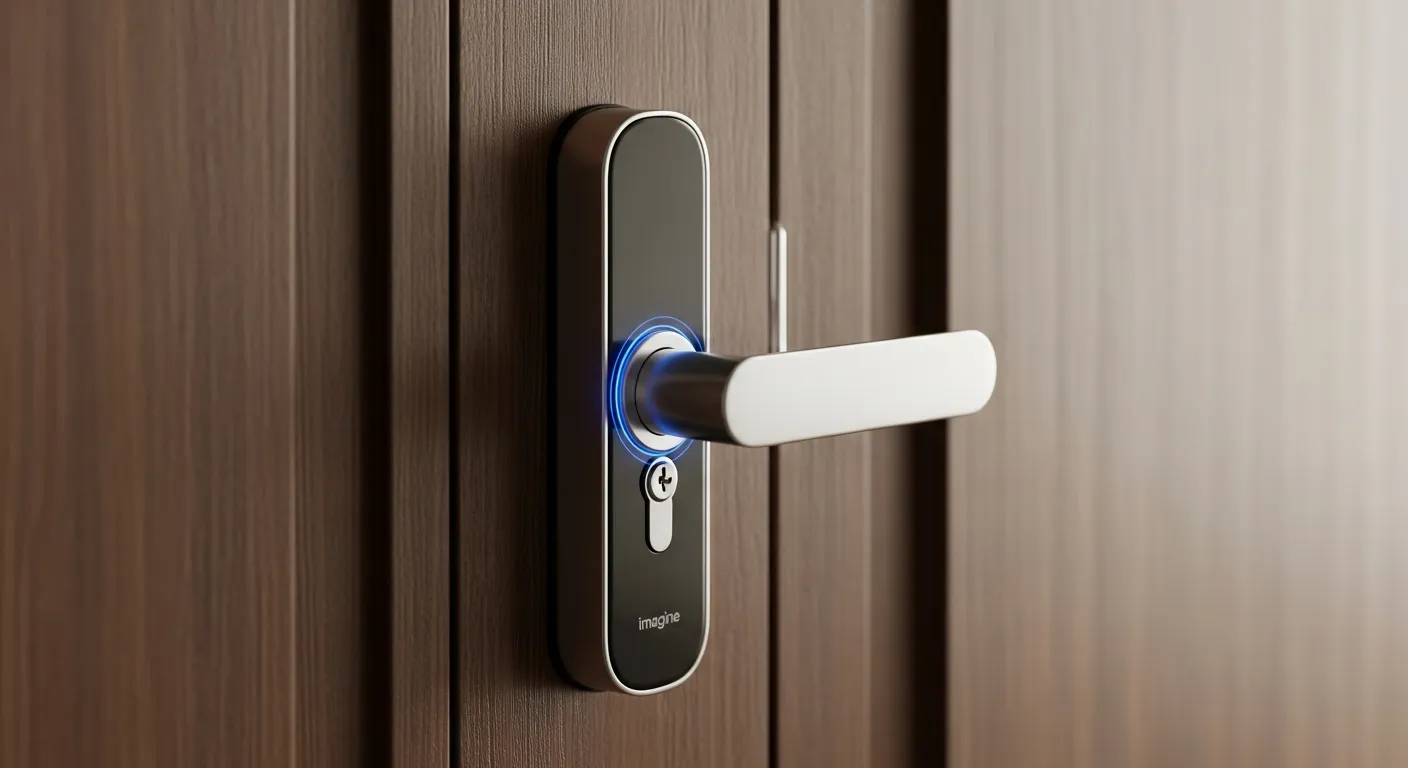
The way we protect our homes is undergoing a significant transformation with the advancement of technology. Smart door locks and integrated home security systems are replacing traditional locks, offering both practicality and enhanced protection, making our living spaces safer and more comfortable. In this guide, we will cover all the details, from the operating principles of smart locks and their advantages to their different types and integrated security solutions.## What Are Smart Door Locks?Smart door locks are digital and network-connected versions of traditional mechanical locks. These locks offer the ability to unlock and lock a door using various methods such as a smartphone app, PIN code, fingerprint, or even voice command. They can interact with other smart home devices using communication protocols like Wi-Fi, Bluetooth, Z-Wave, or Zigbee, becoming an integral part of home automation systems.Essentially, smart locks contain a microcontroller, a wireless communication module, and a mechanical lock mechanism. When a user sends a command, it is processed digitally, and the lock mechanism is activated to open or close the door. This technology eliminates the hassle of carrying keys and gives the user complete control over access.## Advantages of Smart Door LocksSmart door locks offer a range of features that significantly contribute to home security and daily life:* Remote Control and Monitoring: Even when you're not home, you can remotely lock and unlock your door and track who enters and when. If a guest arrives or you need to open the door for a courier, you can do so with a single tap on your smartphone.* Keyless Access Options: Eliminates the risk of losing physical keys. It offers various keyless entry options such as PIN codes, fingerprint readers, facial recognition, or smartphone apps.* Temporary Access Permissions: You can create one-time or time-limited access codes for family members, friends, caregivers, or pet sitters that are valid for specific timeframes. This is ideal for short-term visits or services.* Integration with Home Automation: Smart locks can work in conjunction with other smart home devices such as smart lighting, thermostats, security cameras, and alarm systems. For example, you can set lights to turn off or the alarm to arm when the door is locked. For more automation ideas, you can check out our article Eliminate Repetitive Tasks with Automation Tools: Ways to Save Time and Gain Efficiency.* Real-Time Notifications: Receive instant notifications on your smartphone when the door is locked or unlocked, or even when there are locking attempts. This keeps you informed about your home's security at all times.## Types and Features of Smart Door LocksVarious types of smart locks are available on the market to suit different needs and budgets:* Keypad Locks: One of the most common types. They typically operate by entering a PIN code. Some also offer mechanical key support.* Biometric Locks: Provide access using fingerprint or facial recognition technology. They offer high security and personal authentication.* Bluetooth-Enabled Locks: Can be locked and unlocked via Bluetooth when your smartphone is nearby. They typically do not offer remote control capabilities without a Wi-Fi bridge.* Wi-Fi Enabled Locks: Connect directly to your home network, offering remote control and real-time notifications. Power consumption may be higher compared to Bluetooth.* Z-Wave/Zigbee Locks: These locks communicate via a smart home hub or bridge. They offer extensive smart home integration with low power consumption. They are particularly preferred for complex smart home systems.## Integrated Home Security TechnologiesWhile smart door locks are a powerful security element on their own, they form a complete protective shield when used in conjunction with other smart home security devices:* Smart Cameras and Video Doorbells: Allow you to see and speak with visitors and monitor activity at your doorstep. They typically feature motion detection and night vision.* Motion and Window/Door Sensors: These sensors detect unauthorized entry, triggering an alarm and sending you instant notifications. They provide alerts if windows or doors are opened.* Smart Alarm Systems: A central alarm system integrated with smart locks, cameras, and sensors allows you to manage all home security elements from a single platform. These systems can automatically send notifications to security companies or designated individuals in case of danger. To manage your home more efficiently through smart applications, you can also check out our content Revolutionizing Time Management: Be More Efficient with Smart Apps.## Factors to Consider When Choosing a Smart Door LockChoosing the right smart lock requires considering your needs and your home's existing structure:* Security Standards and Certifications: Ensure the lock complies with international security standards (e.g., ANSI Grade 1/2/3). These certifications indicate the lock's resistance to impacts, forced entry, and other attack methods.* Ease of Installation: Some smart locks can be easily mounted over existing deadbolts, while others may require professional installation. Whether you're looking for a DIY project or prefer expert assistance will influence your choice.* Battery Life and Power Backup: Smart locks typically run on batteries. Long battery life and a low-battery warning are important. Most models offer a mechanical key or external power source option for unlocking in case of battery depletion.* Compatibility: Check if the lock is compatible with your existing smart home ecosystem (Apple HomeKit, Google Home, Amazon Alexa, etc.). Seamless operation of all devices together optimizes your smart home experience.* Brand Reliability and Support: Purchasing a product from a reputable brand is crucial for both product quality and after-sales support. Software updates and technical assistance are critical factors for long-term use.## Traditional vs. Smart Lock ComparisonSmart lock technology offers significant differences compared to traditional locks:| Feature | Traditional Lock | Smart Lock | Description ||---|---|---|---|| Access Method | Physical key | Key, PIN, fingerprint, phone, voice | More flexibility and keyless entry options || Remote Control | None | Yes | Manage your door even when you're not home || Temporary Access | Spare key | Timed code via app | Practical for guests or service providers || Monitoring & Notifications | None | Yes (activity logs, instant alerts) | Stay informed about door activity || Home Automation Integration | None | Yes | Coordinated operation with other smart devices || Security Vulnerability | Key loss/duplication, lock picking | Cyber attack, battery depletion, software vulnerabilities | Different risk profiles, requires cybersecurity awareness || Cost | Low | Medium - High | Higher initial investment cost for smart locks |## Cybersecurity and Privacy ConcernsSince smart door locks are internet-connected devices, cybersecurity and privacy are important considerations. Manufacturers use encryption protocols and secure connections to mitigate these risks. However, there are some points you, as a user, should also pay attention to:* Use Strong Passwords: Set complex and unique passwords for your smart lock applications and Wi-Fi network.* Follow Software Updates: Regularly install security updates released by manufacturers. These updates patch known security vulnerabilities.* Secure Wi-Fi Network: Ensure your home network is protected with strong encryption protocols like WPA2 or WPA3.* Check Privacy Settings: Review the privacy settings of your app and lock, limiting unnecessary data sharing.## ConclusionSmart door locks and integrated home security technologies are becoming an indispensable part of modern life. Thanks to the convenience, control, and advanced security features they offer, they make our homes smarter, more practical, and safer. When choosing the right product, by considering your needs, security expectations, and compatibility with your smart home ecosystem, you can open your home's doors to the technology of the future. Remember, the best security system is one that is properly configured and regularly updated.
Frequently Asked Questions
How secure are smart door locks?
Smart door locks generally offer high security by eliminating risks such as physical keys being stolen or duplicated. However, it's crucial to use strong passwords and follow software updates to mitigate cybersecurity risks.
Do smart locks work during a power outage?
Most smart locks are battery-powered and are not affected by power outages. Additionally, they usually offer a mechanical key or external power source option for unlocking in case of battery depletion or system malfunction.
Is it difficult to install a smart door lock?
Installation difficulty varies depending on the lock model and your existing door. Some models can be easily installed over existing deadbolts, while others may require more complex installation and professional assistance.
Which type of smart lock is right for me?
It depends on your needs. Biometric locks offer high security, keypad locks provide practicality, Wi-Fi locks offer remote control, and Z-Wave/Zigbee locks provide extensive smart home integration. You should evaluate your usage habits and smart home ecosystem.
How do I maintain smart locks?
Maintenance for smart locks typically involves battery replacement and regular software updates. Periodic checks to ensure mechanical parts are functioning correctly are also beneficial.
This content was researched and prepared by the İlgi Alanları editorial team and reviewed for accuracy and readability before publication. Information on health, finance and investment topics is general in nature and does not replace professional advice.